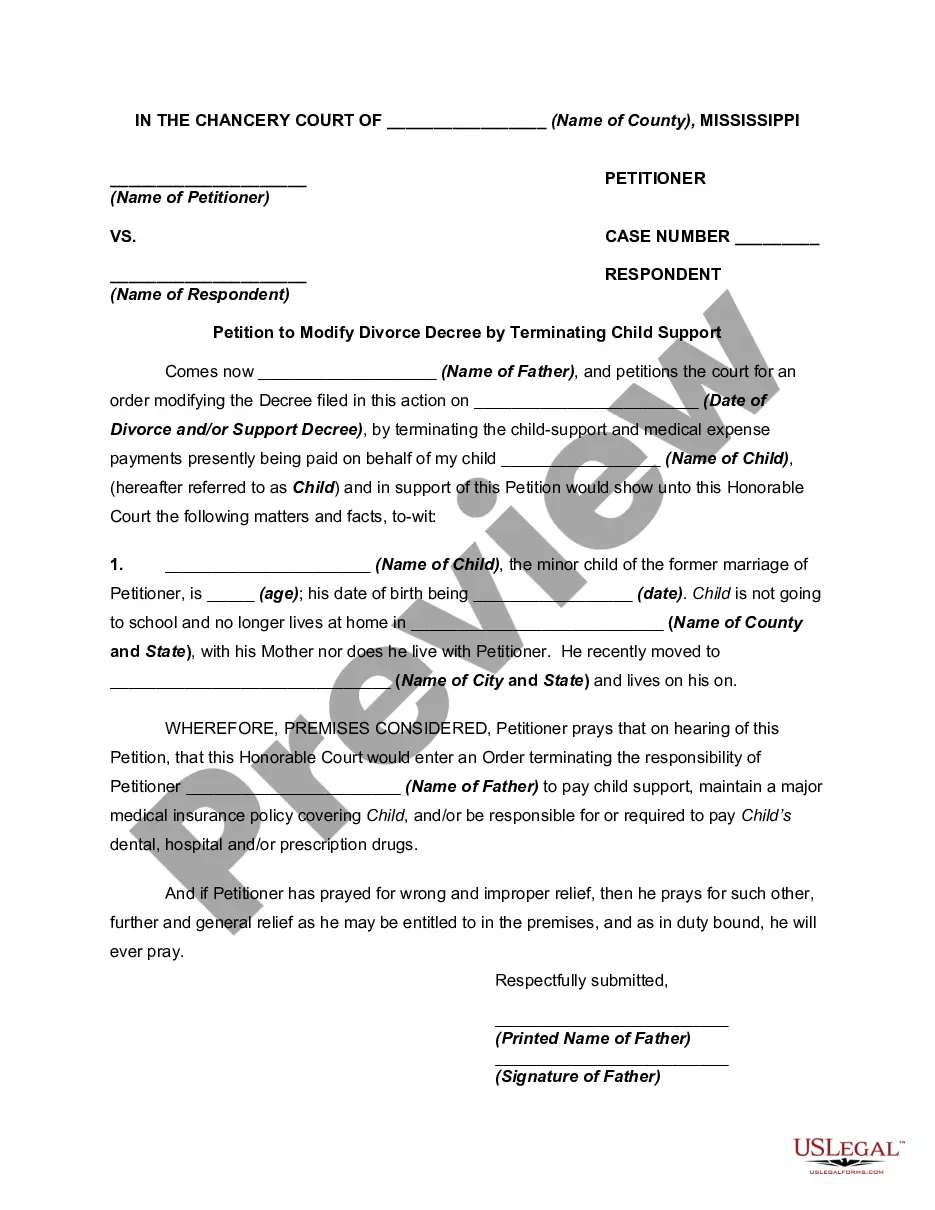
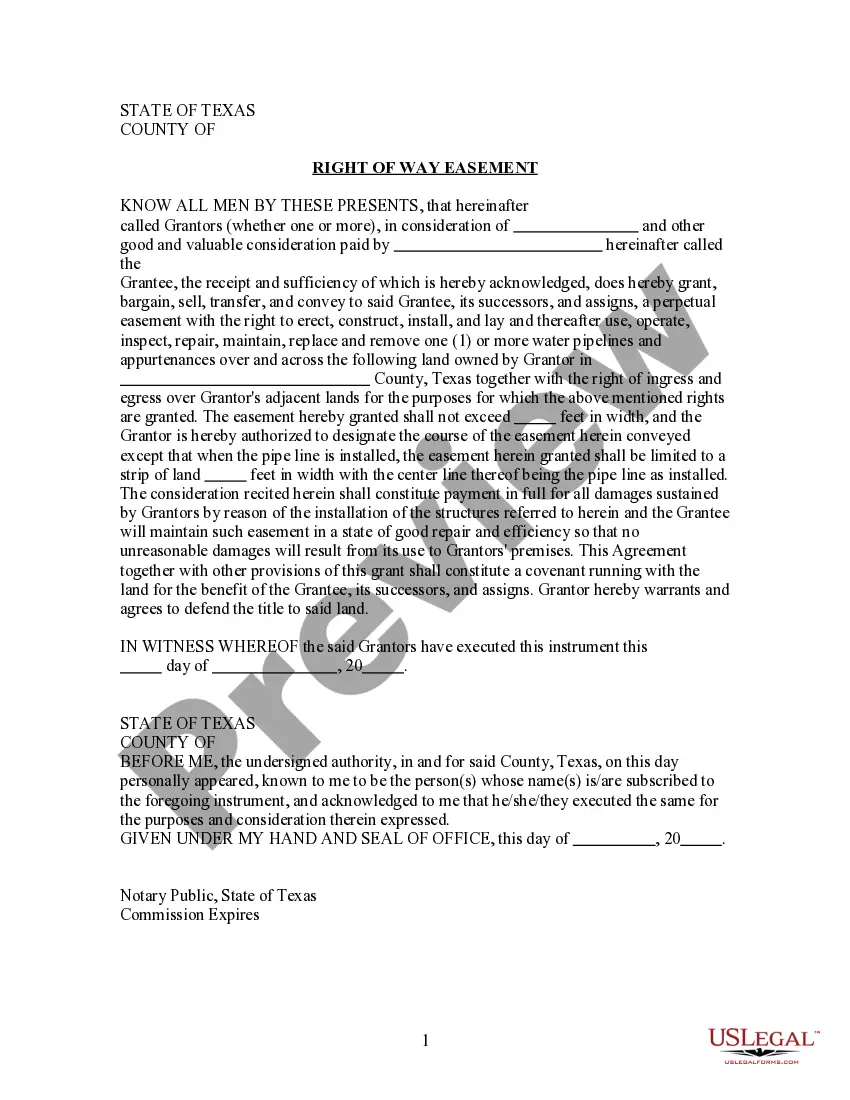
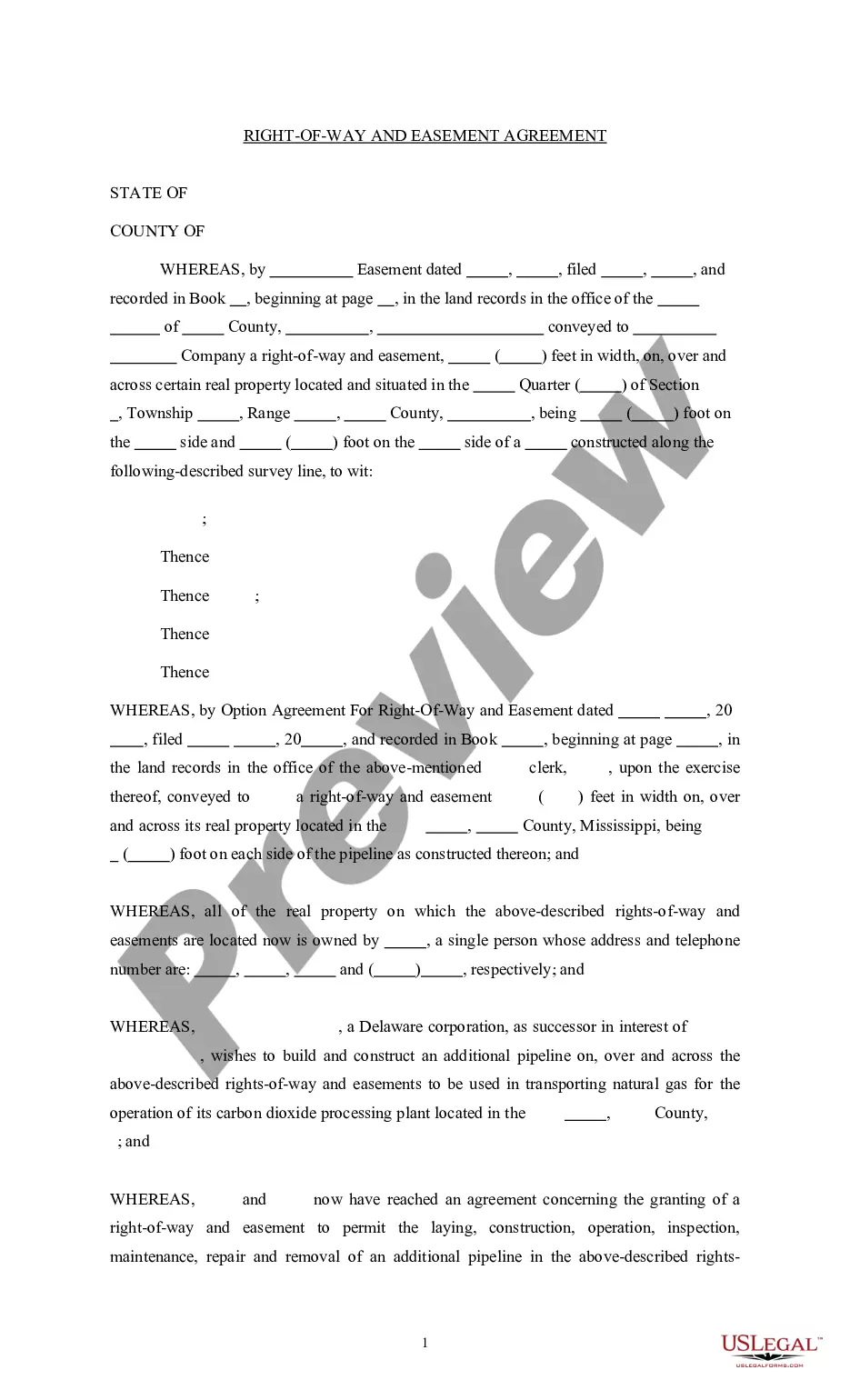
Easement For Water Drainage
Description
Get your form ready online
Our built-in tools help you complete, sign, share, and store your documents in one place.
Make edits, fill in missing information, and update formatting in US Legal Forms—just like you would in MS Word.
Download a copy, print it, send it by email, or mail it via USPS—whatever works best for your next step.
Sign and collect signatures with our SignNow integration. Send to multiple recipients, set reminders, and more. Go Premium to unlock E-Sign.
If this form requires notarization, complete it online through a secure video call—no need to meet a notary in person or wait for an appointment.
We protect your documents and personal data by following strict security and privacy standards.

Make edits, fill in missing information, and update formatting in US Legal Forms—just like you would in MS Word.

Download a copy, print it, send it by email, or mail it via USPS—whatever works best for your next step.

Sign and collect signatures with our SignNow integration. Send to multiple recipients, set reminders, and more. Go Premium to unlock E-Sign.

If this form requires notarization, complete it online through a secure video call—no need to meet a notary in person or wait for an appointment.

We protect your documents and personal data by following strict security and privacy standards.
Looking for another form?
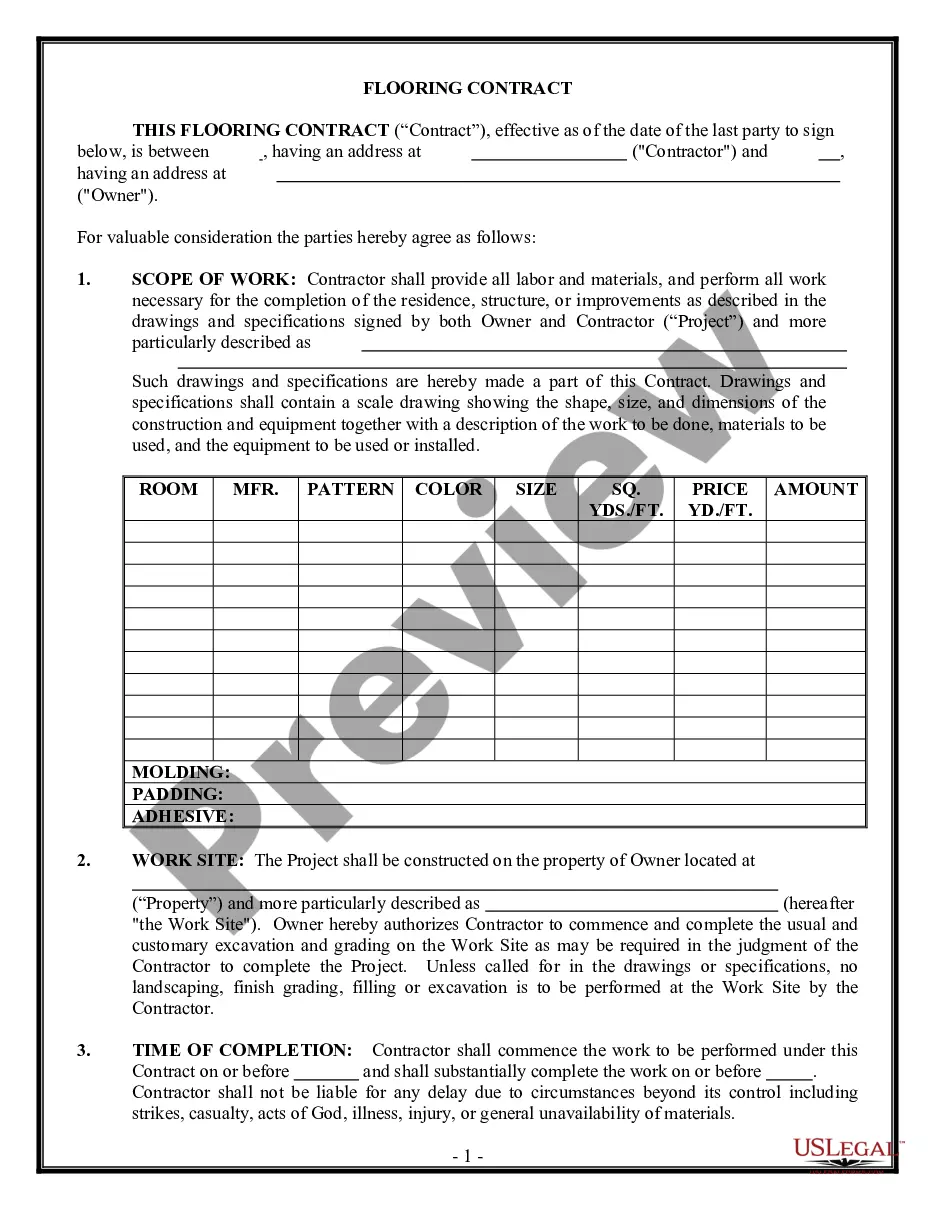
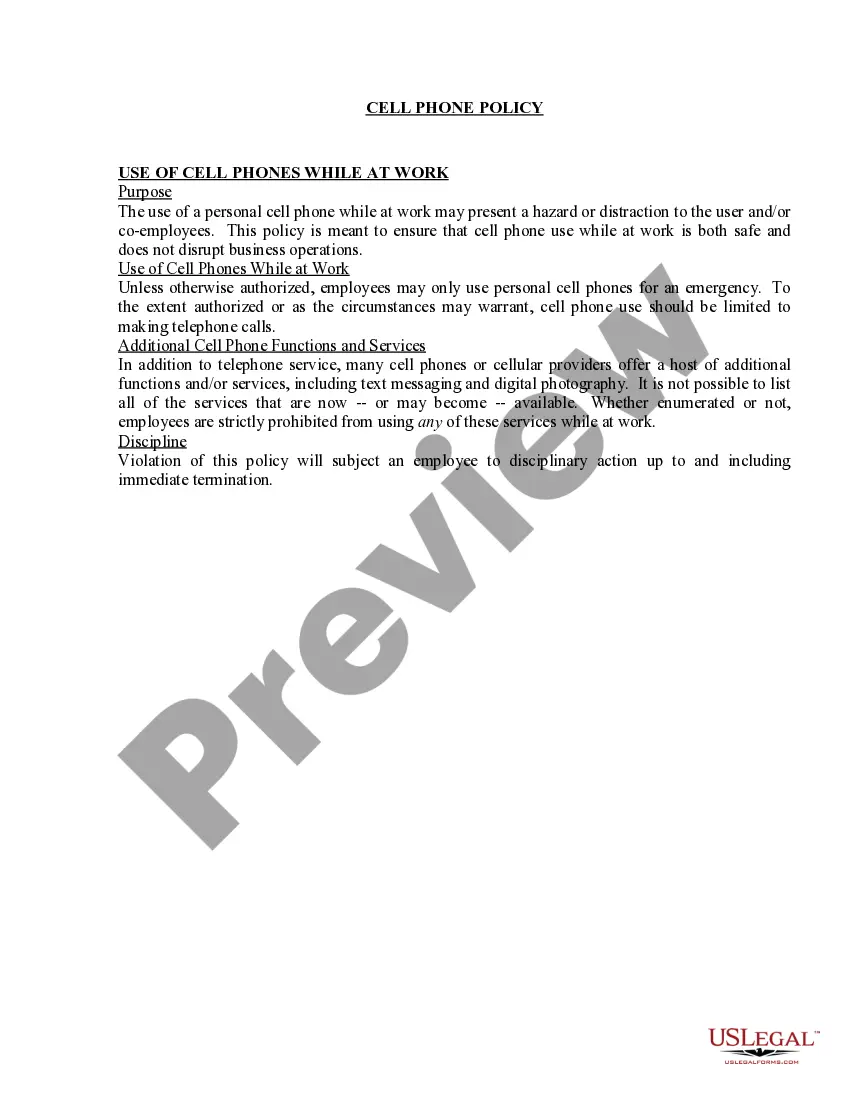


How to fill out Texas Right Of Way Easement For Water Pipeline Or Pipelines?
There’s no longer a necessity to squander time searching for legal documents to adhere to your local state regulations.
US Legal Forms has gathered all of them in one location and enhanced their accessibility.
Our platform offers over 85,000 templates for any business and personal legal matters, organized by state and area of application.
Acquiring formal paperwork under federal and state rules is quick and simple with our platform. Try US Legal Forms today to keep your documents organized!
- All forms are expertly drafted and verified for validity, ensuring you receive a current Easement For Water Drainage.
- If you are acquainted with our service and possess an account, ensure that your subscription is active before acquiring any templates.
- Log In to your account, choose the document, and click Download.
- You can also revisit all saved documents at any time as needed by opening the My documents tab in your profile.
- If you have never engaged with our service before, the process will require a few additional steps to complete.
- Here’s how new users can acquire the Easement For Water Drainage from our library.
- Examine the page content thoroughly to ensure it features the sample you need.
- To do this, use the form description and preview options, if available.
Form popularity
FAQ
Generally, you cannot make any improvements in a drainage easement. That means no fences, sheds, walls, trails or buildings. You should avoid planting trees or much landscaping as well.
A drainage easement is a right, held by Sydney Water or another land owner, to make use of the land for certain specific drainage purposes such as controlling stormwater runoff and can restrict the use of the burdened property and impose certain obligations on the land owner.
Drainage easements are created to designate areas for the passage of surface water runoff. Individual property owners are responsible for the maintenance of any portion of a recorded drainage easement that is located on their property.
Who is responsible for maintaining an easement? Usually, the owner of the easement is responsible for maintenance (20 Florida Jurisprudence 2d Easements section 49 2014). The parties to an express easement may alter their responsibilities by agreement.
Generally not, as you can build under or over it if the work will not have a material interference with the easement. The owner of the land benefited by the easement is unable to bring an action against you unless your proposed work causes "substantial" or "material" interference.