Revocation Living Trust With A Trustee
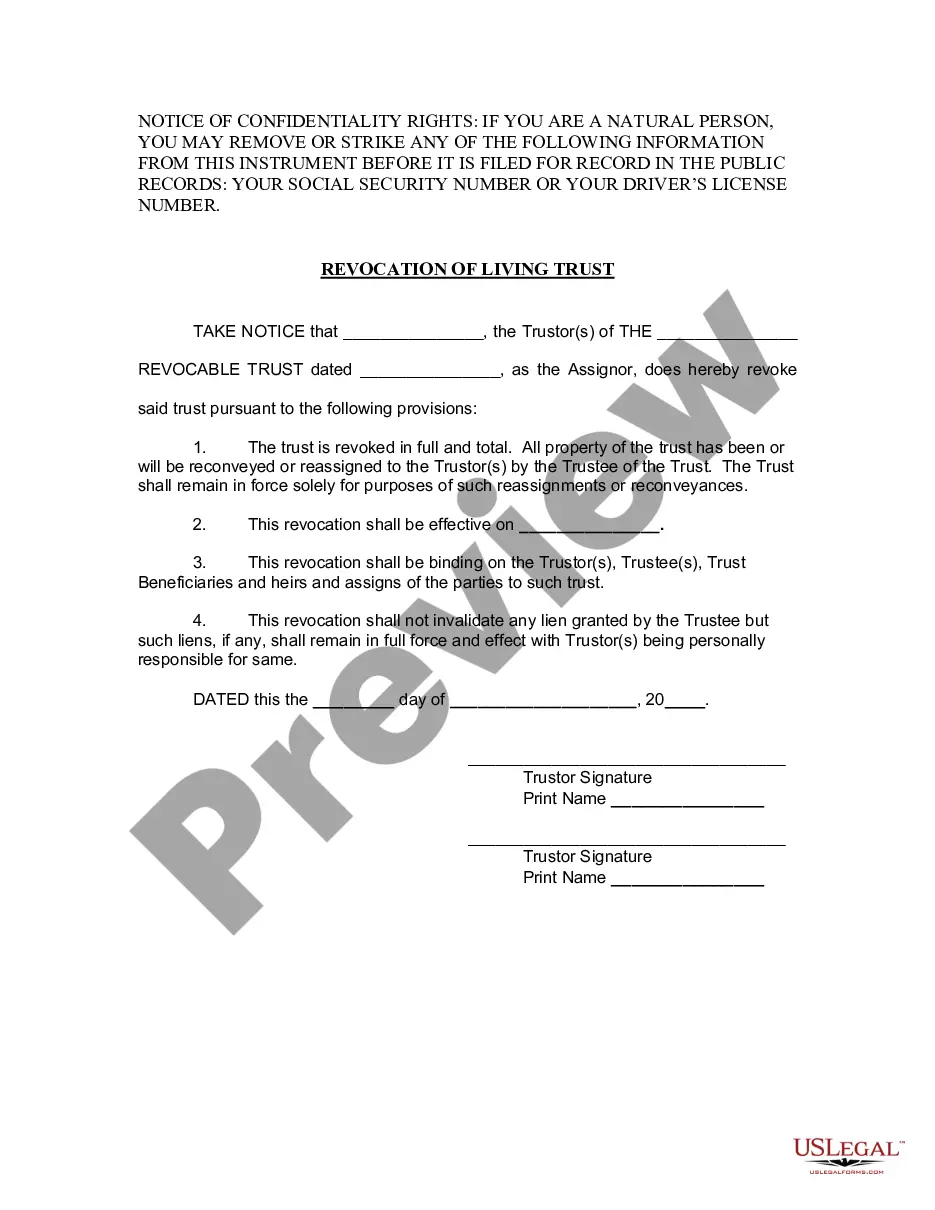
Description
Get your form ready online
Our built-in tools help you complete, sign, share, and store your documents in one place.
Make edits, fill in missing information, and update formatting in US Legal Forms—just like you would in MS Word.
Download a copy, print it, send it by email, or mail it via USPS—whatever works best for your next step.
Sign and collect signatures with our SignNow integration. Send to multiple recipients, set reminders, and more. Go Premium to unlock E-Sign.
If this form requires notarization, complete it online through a secure video call—no need to meet a notary in person or wait for an appointment.
We protect your documents and personal data by following strict security and privacy standards.

Make edits, fill in missing information, and update formatting in US Legal Forms—just like you would in MS Word.

Download a copy, print it, send it by email, or mail it via USPS—whatever works best for your next step.

Sign and collect signatures with our SignNow integration. Send to multiple recipients, set reminders, and more. Go Premium to unlock E-Sign.

If this form requires notarization, complete it online through a secure video call—no need to meet a notary in person or wait for an appointment.

We protect your documents and personal data by following strict security and privacy standards.
Looking for another form?









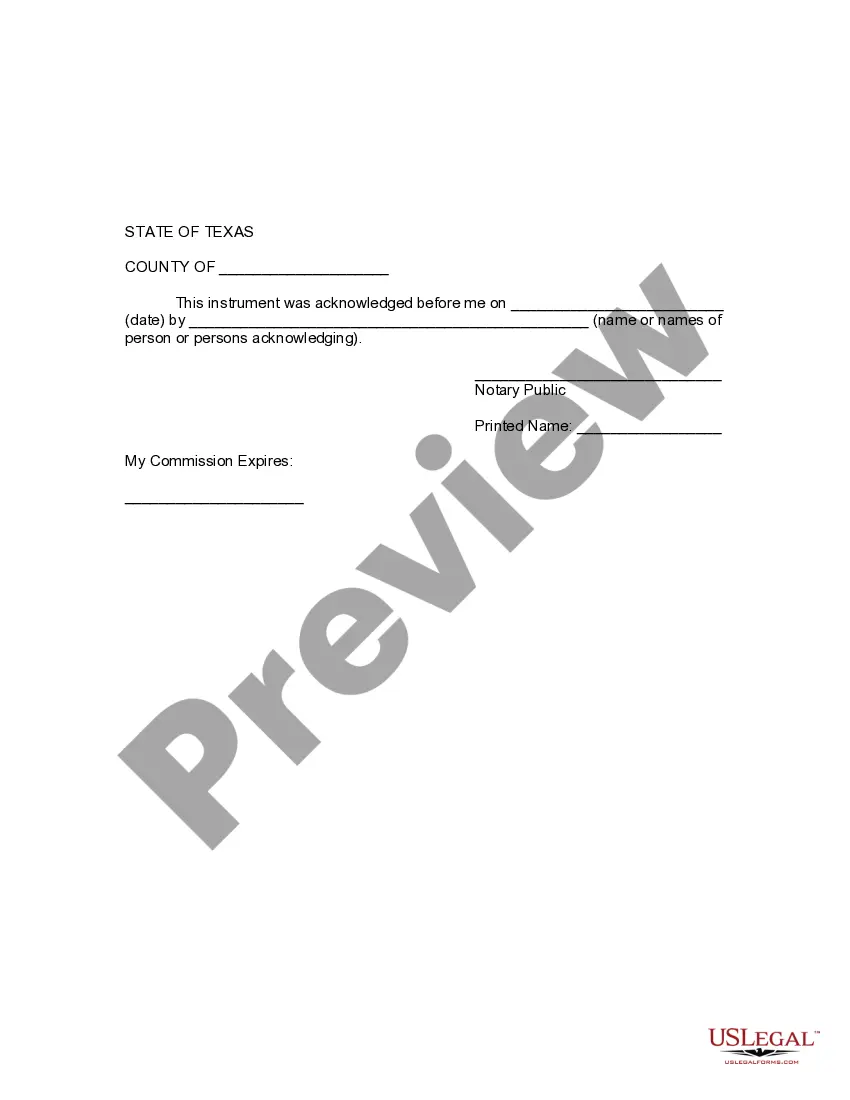
How to fill out Texas Revocation Of Living Trust?
- Log in to your existing US Legal Forms account. If you don't have an account yet, create one to access the extensive library.
- Search for the Revocation of Living Trust form in the library. Use the preview feature to review the template and ensure it meets your jurisdiction's requirements.
- If you need an alternative form, utilize the search functionality to find the right document tailored to your needs before proceeding.
- Choose your preferred subscription plan and click on the Buy Now button to purchase the form. Ensure to register if this is your first time.
- Complete your purchase by entering your payment details via credit card or PayPal, securing your subscription.
- Download the completed template to your device. Access it anytime through the My Forms section in your profile for future needs.
By following these steps, you can successfully navigate the revocation process with confidence. US Legal Forms not only provides access to a vast collection of legal forms but also offers expert assistance when needed.
Start your journey toward a seamless legal document experience today with US Legal Forms!
Form popularity
FAQ
Revoking a revocable trust is a simple process that the grantor can initiate at any time. You simply need to create a written declaration stating your intent to revoke the trust. If you're unsure how to proceed, a resource like US Legal Forms can provide the templates and legal language needed for a smooth revocation of your revocation living trust with a trustee.
Changing a trustee in a revocation living trust with a trustee is generally straightforward, provided you follow the procedures outlined in your trust document. You may need to draft official documents, and sometimes notify the existing trustee. Using a reliable service like US Legal Forms can make this process easier by providing necessary documents and instructions to guide you.
Yes, a trustee can be removed from a revocable trust if the grantor decides to revoke the living trust or if there are valid reasons for removal such as misconduct or incapacity. The ability to change a trustee is one of the primary features that make revocable trusts appealing. Ensure you follow the proper procedures detailed in the trust document and consult platforms like US Legal Forms for assistance.
A trust can be terminated in several ways, including the expiration of its term, the completion of its purpose, or by the revocation by the grantor. In the case of a revocation living trust with a trustee, the grantor can revoke the trust at any time while they are alive and competent. This can lead to the immediate termination of the trust, allowing for flexibility in estate planning. Always consider professional advice to understand the implications.
To remove a trustee from a revocation living trust with a trustee, you should first review your trust document. Most documents outline the procedure for removal. Typically, you'll need to create a written notice of removal and appoint a new trustee if necessary. Using a legal platform like US Legal Forms can simplify this process by providing templates and guidance.
An example of a trust revocation could be when a person decides to end their living trust and distribute its assets differently. In such a case, they create a written revocation notice that nullifies the trust and outlines new arrangements. Uslegalforms provides resources that help you document this revocation living trust with a trustee accurately and efficiently.
Revoking a trust beneficiary involves amending the trust document to remove or change the beneficiary's rights. You must prepare a formal amendment that clearly states your intention and guides the trustee. With the help of uslegalforms, you can simplify this process and ensure that your revocation living trust with a trustee aligns with your wishes.
To terminate a revocable trust, you must provide written notice expressing your wish to revoke it. This notice should include details such as the name of the trust and the trustee's information. Using tools from uslegalforms, you can ensure that all legal requirements are met for a smooth revocation living trust with a trustee.
A revocation of living trust is a document that formally cancels your existing trust. In this document, you declare your intent to terminate the trust and specify any relevant details regarding the trustee. With uslegalforms, you can easily access templates that guide you through preparing an effective revocation living trust with a trustee.
To remove a trustee from a living trust, begin by reviewing the trust document for specific removal procedures. You typically need to formally notify the trustee and delineate the reasons for removal. If you hold a revocation living trust with a trustee, adhering to the legal requirements and documenting your actions is crucial. Consulting with a legal professional can provide valuable guidance during this process.