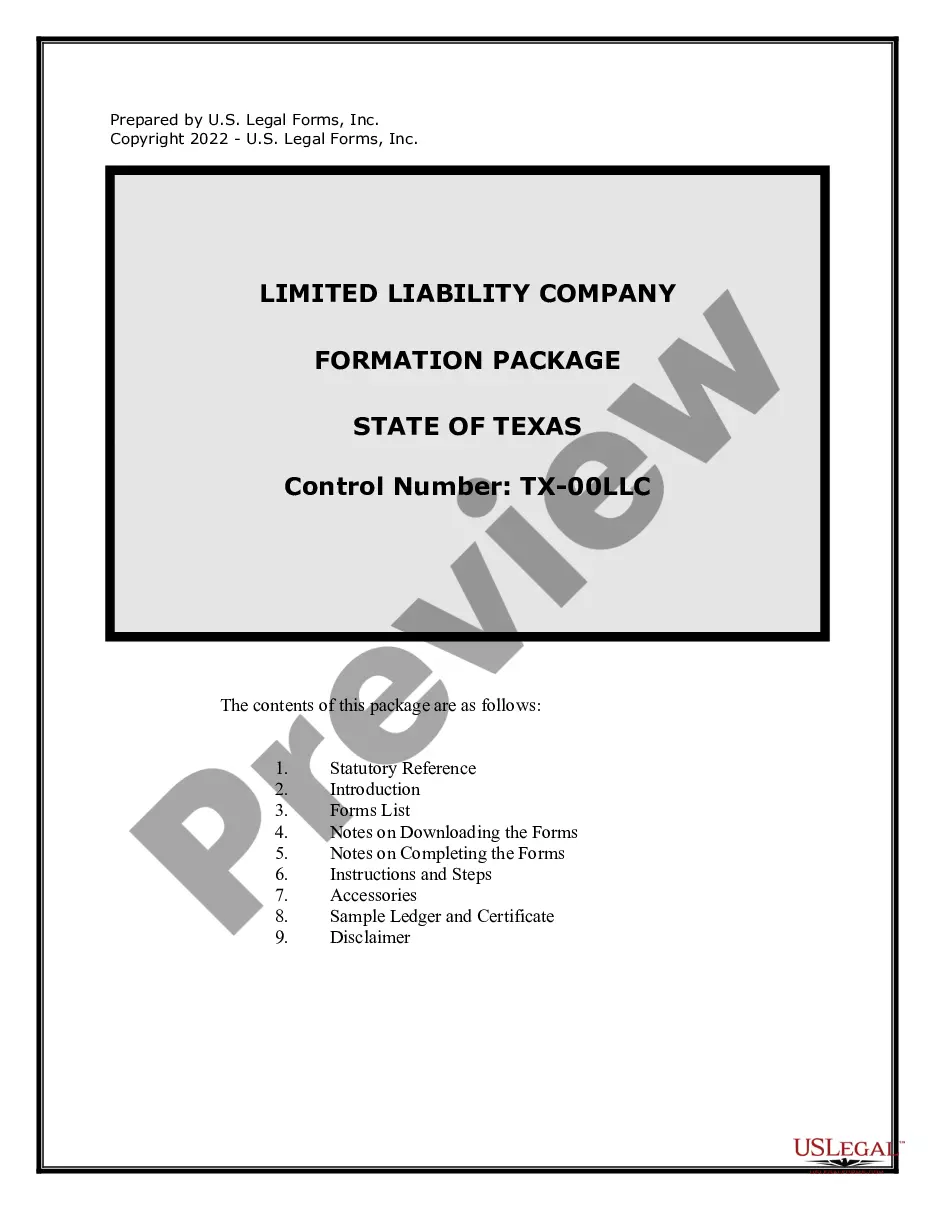
Texas Limited Liability Company Agreement
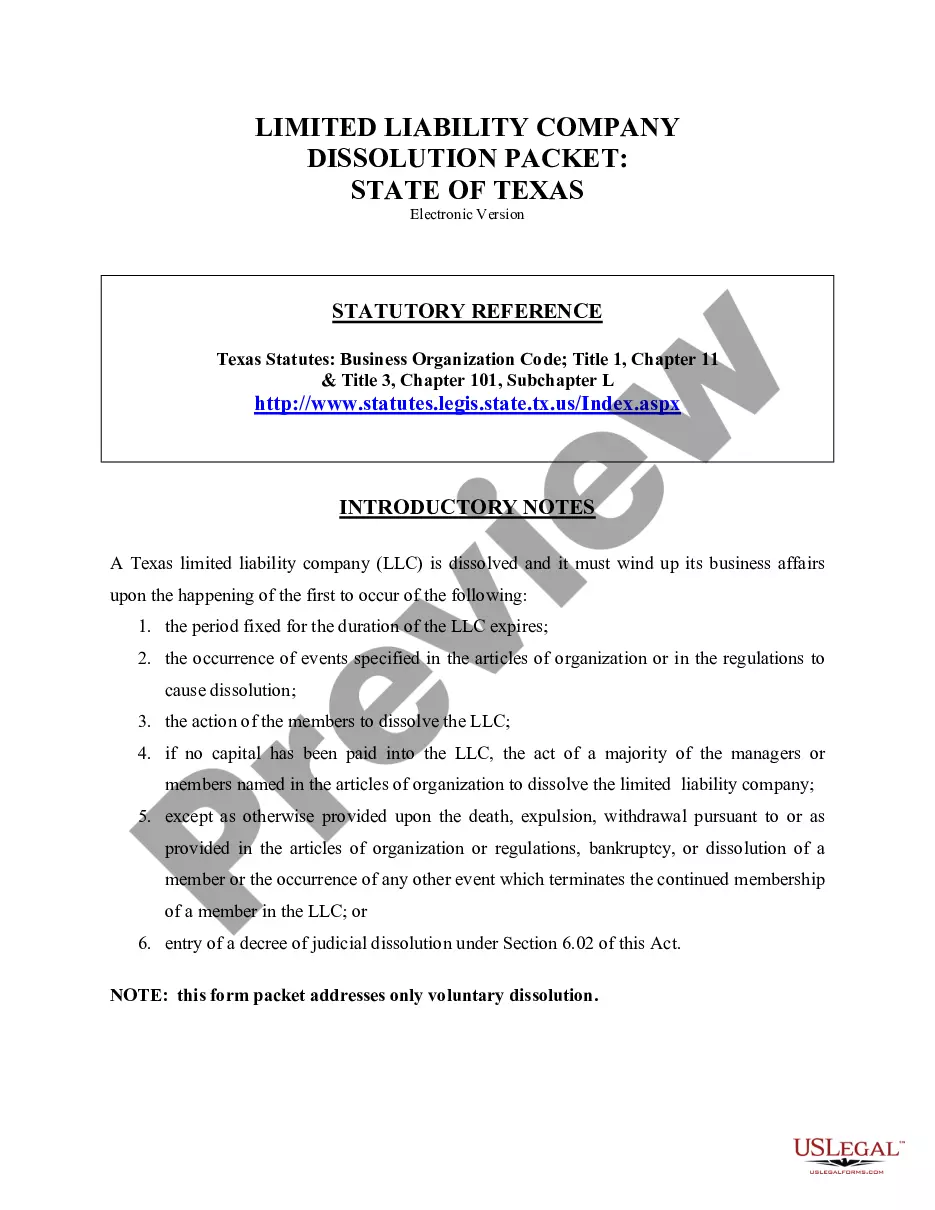
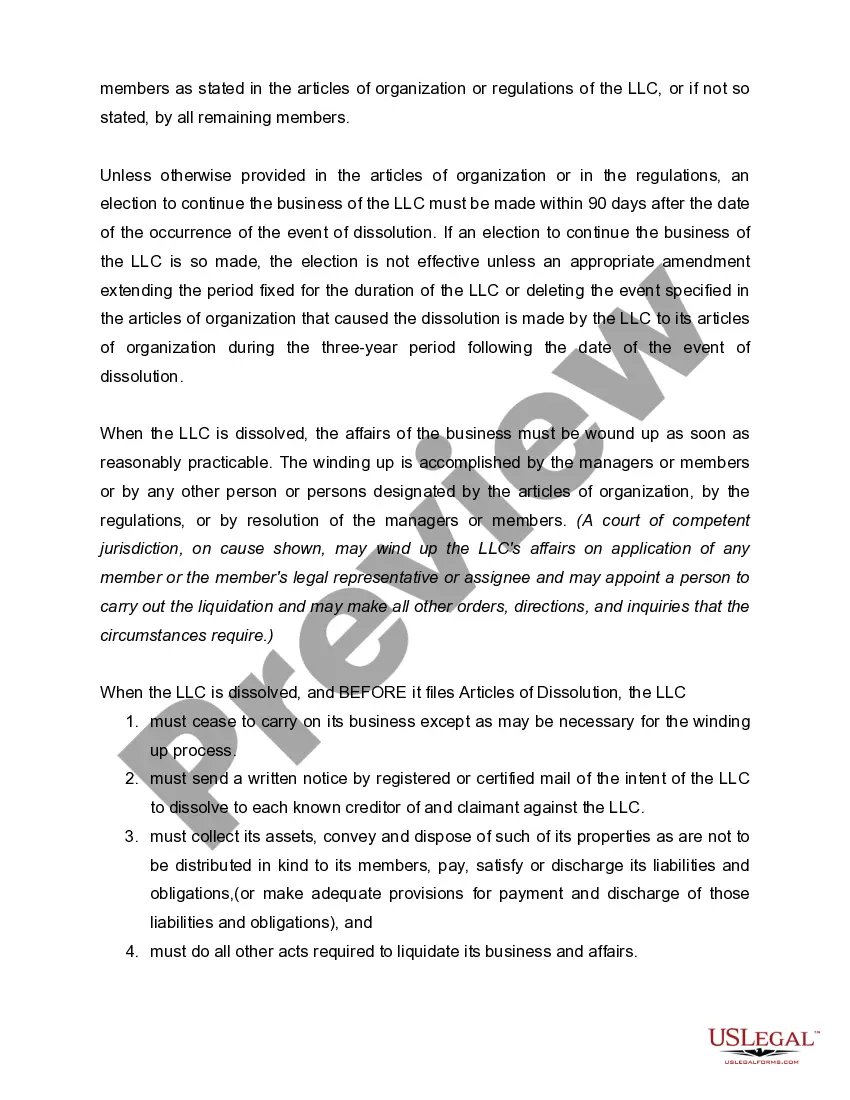
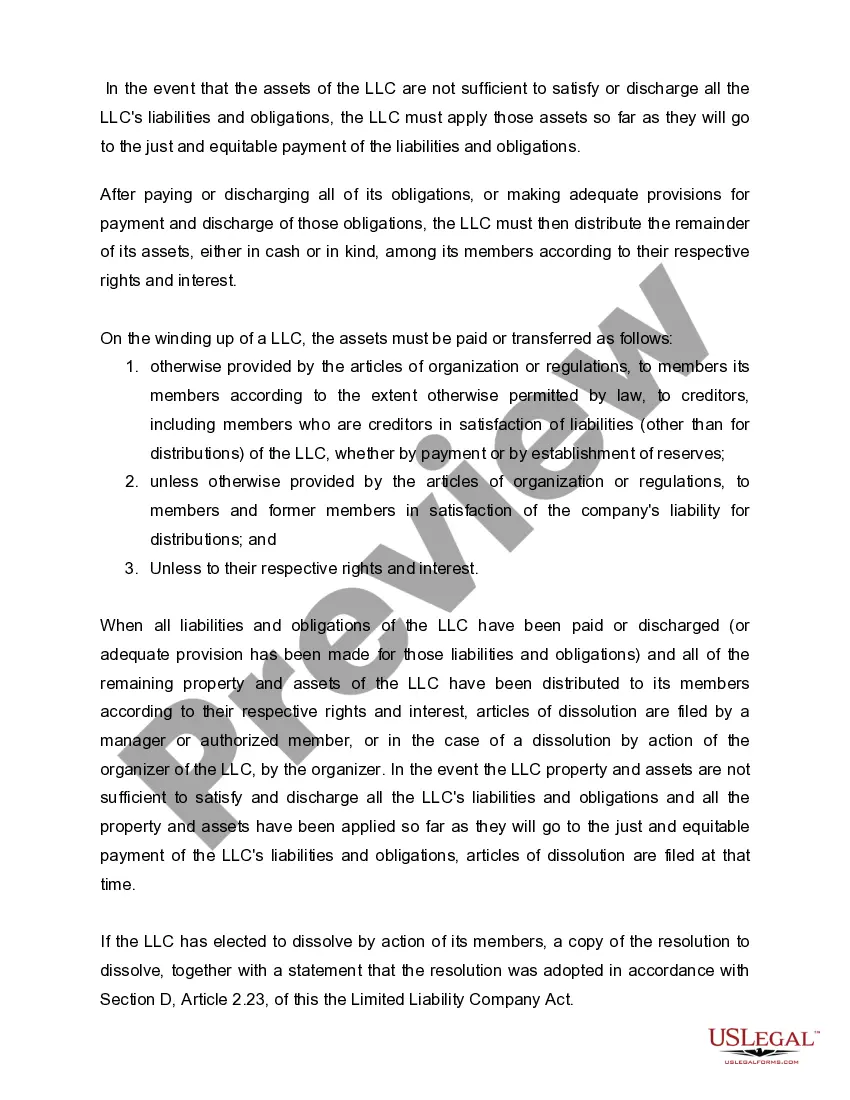
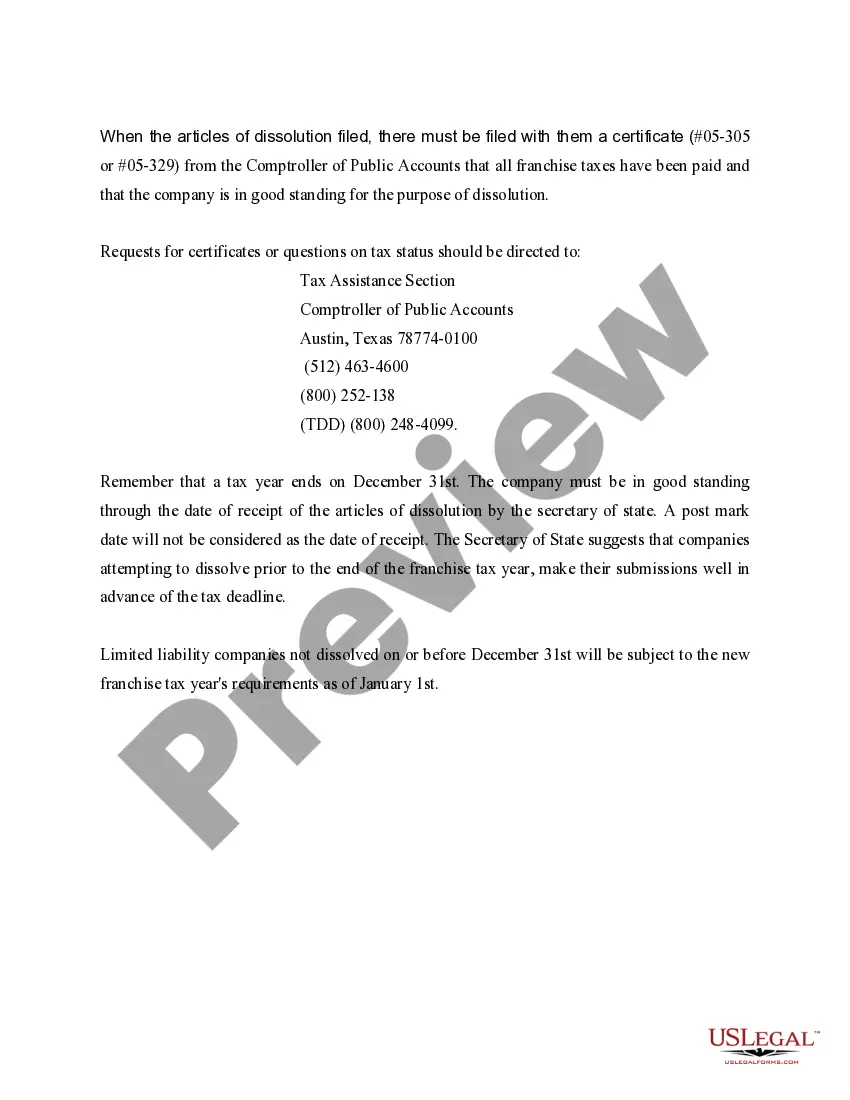
Description
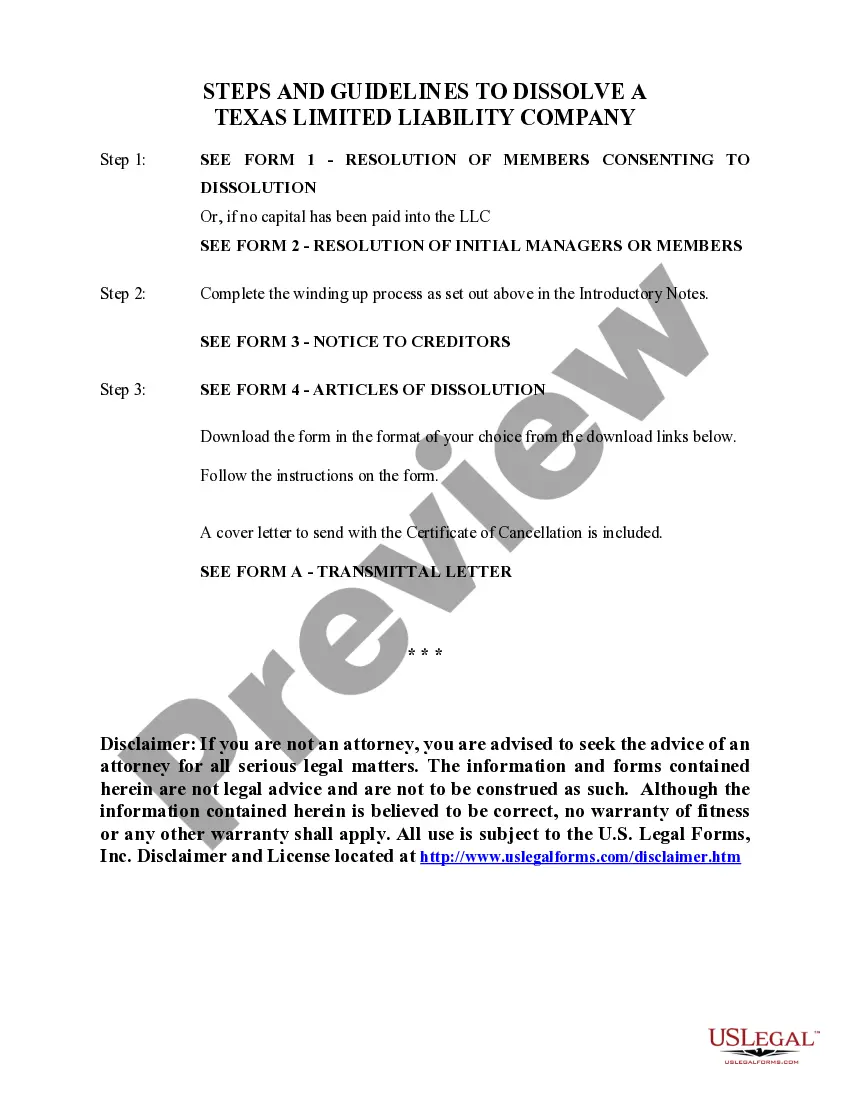

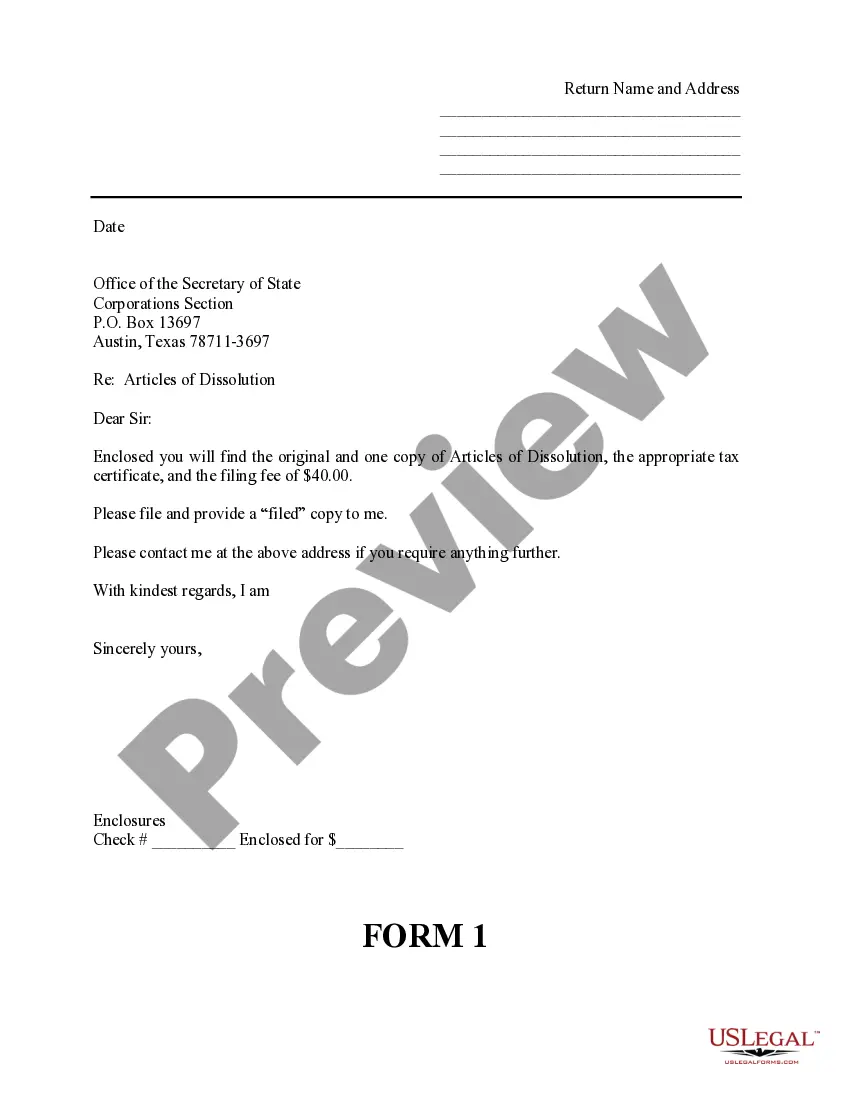

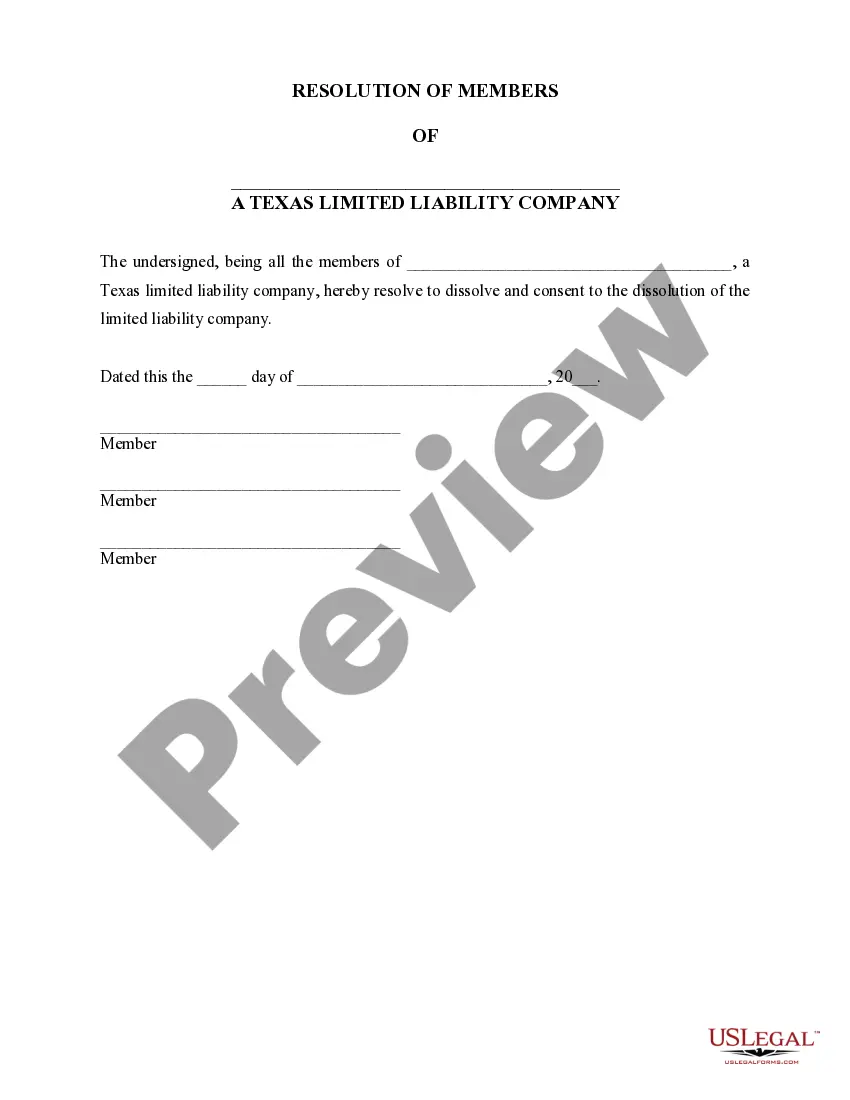

Get your form ready online
Our built-in tools help you complete, sign, share, and store your documents in one place.
Make edits, fill in missing information, and update formatting in US Legal Forms—just like you would in MS Word.
Download a copy, print it, send it by email, or mail it via USPS—whatever works best for your next step.
Sign and collect signatures with our SignNow integration. Send to multiple recipients, set reminders, and more. Go Premium to unlock E-Sign.
If this form requires notarization, complete it online through a secure video call—no need to meet a notary in person or wait for an appointment.
We protect your documents and personal data by following strict security and privacy standards.

Make edits, fill in missing information, and update formatting in US Legal Forms—just like you would in MS Word.

Download a copy, print it, send it by email, or mail it via USPS—whatever works best for your next step.

Sign and collect signatures with our SignNow integration. Send to multiple recipients, set reminders, and more. Go Premium to unlock E-Sign.

If this form requires notarization, complete it online through a secure video call—no need to meet a notary in person or wait for an appointment.

We protect your documents and personal data by following strict security and privacy standards.
Looking for another form?





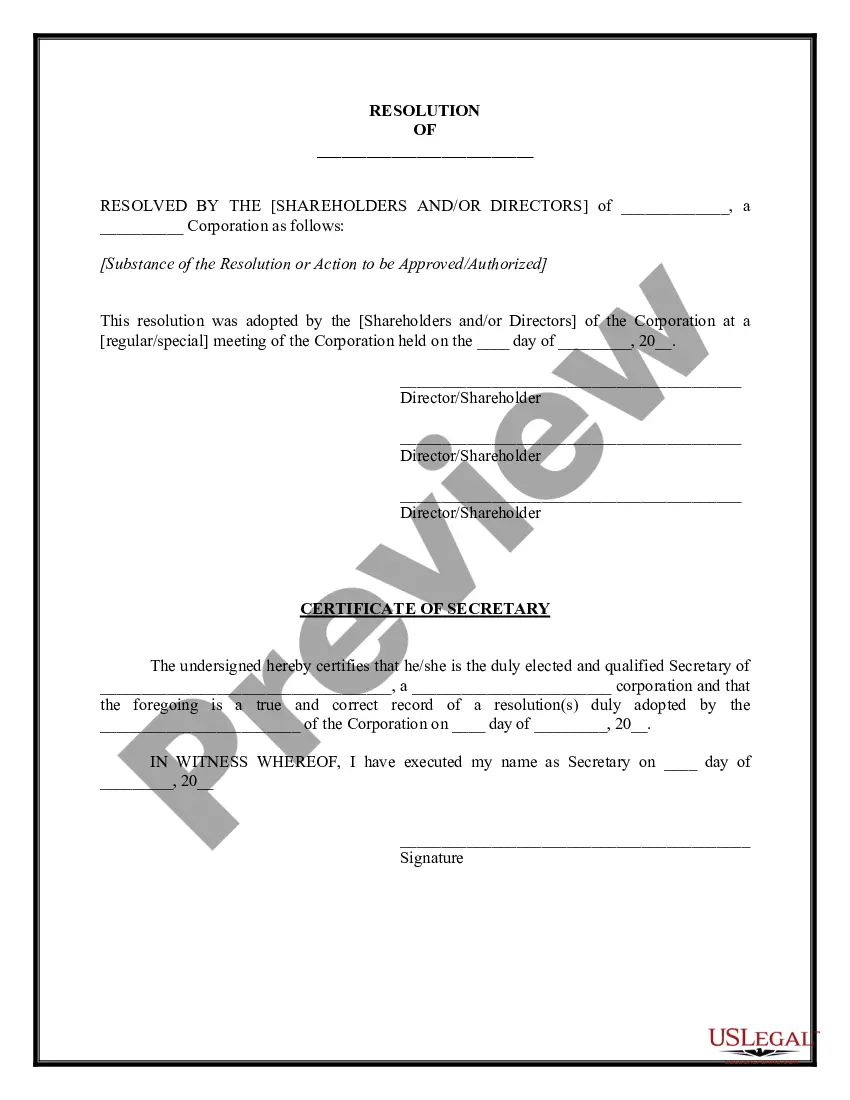

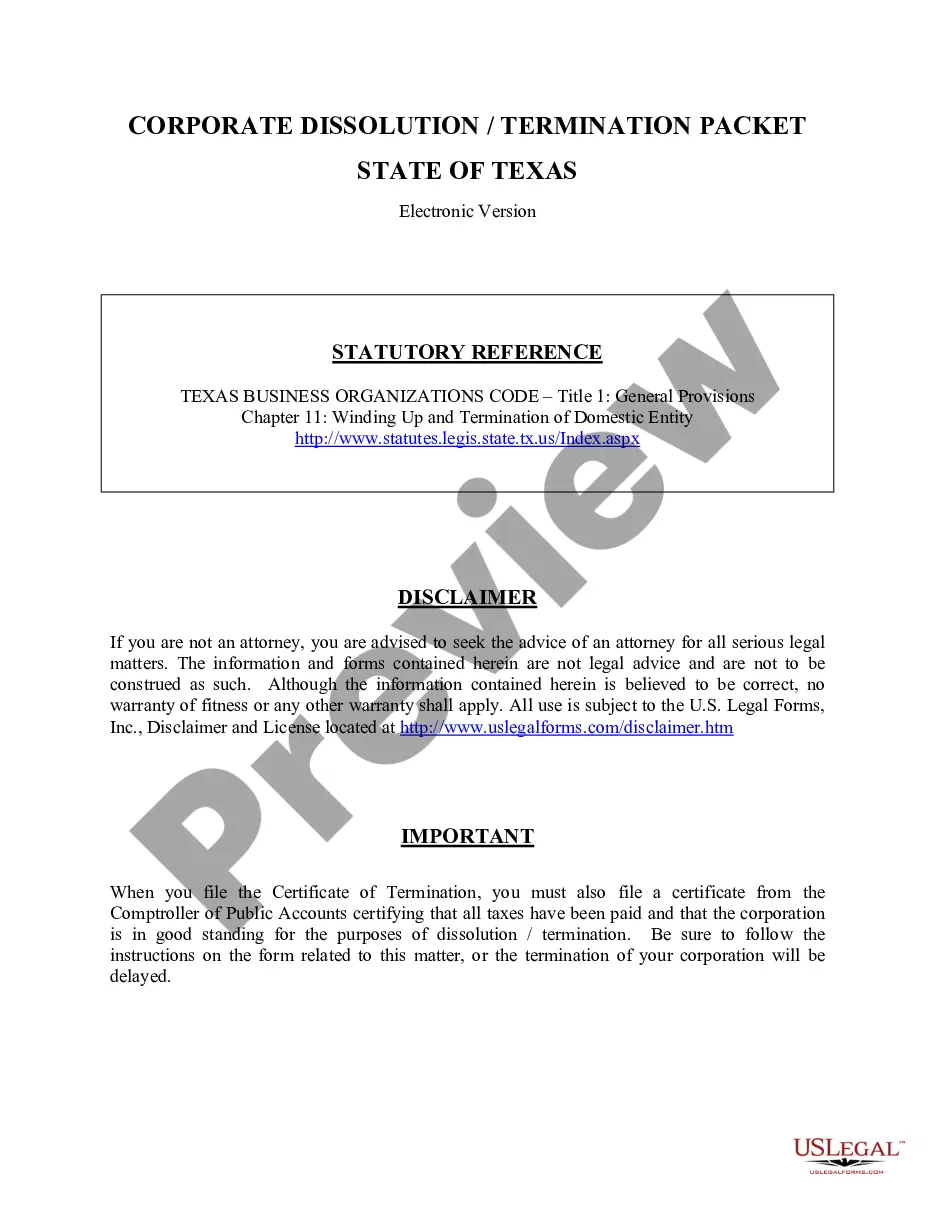
How to fill out Texas Dissolution Package To Dissolve Limited Liability Company LLC?
- Log in to your US Legal Forms account. Ensure your subscription is current; if expired, renew it according to your plan.
- Preview the Texas limited liability company agreement. Verify that it meets your requirements and conforms to local jurisdiction mandates.
- Search for alternative templates if necessary. Use the search feature to find any additional documents that may suit your needs.
- Select the document. Click the 'Buy Now' button and opt for your desired subscription plan before creating your account.
- Complete your purchase. Enter your payment details using either your credit card or PayPal for subscription access.
- Download your agreement. Save the completed document on your device and find it later in the 'My Forms' section of your account.
In conclusion, leveraging US Legal Forms ensures that you have access to a vast library of over 85,000 legal documents tailored for your needs. Whether you're a first-time user or a returning member, obtaining your Texas limited liability company agreement is simple and efficient.
Start simplifying your legal document needs today with US Legal Forms!
Form popularity
FAQ
In Texas, an LLC operating agreement does not need to be notarized. However, having a notarized document can add an extra layer of legal protection, especially if there are disputes later. You should focus on creating a comprehensive Texas limited liability company agreement that all members sign, ensuring clarity and mutual understanding.
Yes, you can create your own operating agreement for your LLC in Texas. It is a crucial document that outlines the ownership structure and operating procedures of your company. Crafting a personalized Texas limited liability company agreement allows you to address specific goals and requirements unique to your business.
If an LLC has no operating agreement, Texas law will govern how the company operates, which may not align with your specific intentions. This situation can lead to confusion and disputes among members. Having a clear Texas limited liability company agreement can help prevent these issues by clearly defining roles and responsibilities.
After forming an LLC in Texas, your next steps include drafting an operating agreement that outlines operations and member responsibilities. This Texas limited liability company agreement can help clarify expectations and reduce disputes. Additionally, obtain any necessary permits or licenses and open a dedicated business bank account. Taking these steps will solidify your LLC's foundation and help ensure your business runs smoothly.
To file LLC paperwork in Texas, you begin by completing the Certificate of Formation and submitting it to the Secretary of State. This sets the foundation for your Texas limited liability company agreement. You may also need to designate a registered agent and follow additional compliance requirements. Using a platform like uslegalforms can simplify this process with detailed guidance and templates.
Yes, limited liability partnerships (LLPs) are allowed in Texas and are governed by state law. They offer a flexible structure for businesses while limiting personal liability for partners. Forming an LLP in Texas can be a smart choice if you want to share resources and responsibilities with partners. Just remember to comply with the filing and operational requirements relevant to your Texas limited liability company agreement.
To start a limited liability partnership in Texas, you need to file a Certificate of Formation with the Secretary of State. Then, draft a Texas limited liability company agreement to set the terms for operating your LLP. Ensure you comply with state regulations and consider consulting a legal expert for assistance. Following these steps will help you get your LLP up and running effectively.
One downside of a limited liability partnership (LLP) is that it can expose partners to personal liability in certain situations, such as negligence. Unlike a Texas limited liability company, which provides broader protection, an LLP limits liability mostly to the partnership's debts. Additionally, related paperwork and compliance requirements can be more complex than starting a traditional business entity. Assess your risk tolerance before forming an LLP.
In Texas, you do not file the LLC operating agreement with the state; instead, you keep it on file with your business records. This Texas limited liability company agreement serves as an internal document that outlines the management structure and operating procedures of your LLC. Maintaining this document is crucial for resolving any disputes that may arise. Always consult legal resources when drafting your agreement for accuracy and completeness.
To set up a limited liability partnership (LLP) in Texas, you must first file a Certificate of Formation with the Secretary of State. This document outlines the terms of your Texas limited liability company agreement. After approval, consider drafting a partnership agreement to define roles and responsibilities. Following these steps can ensure your LLP operates smoothly and complies with state laws.