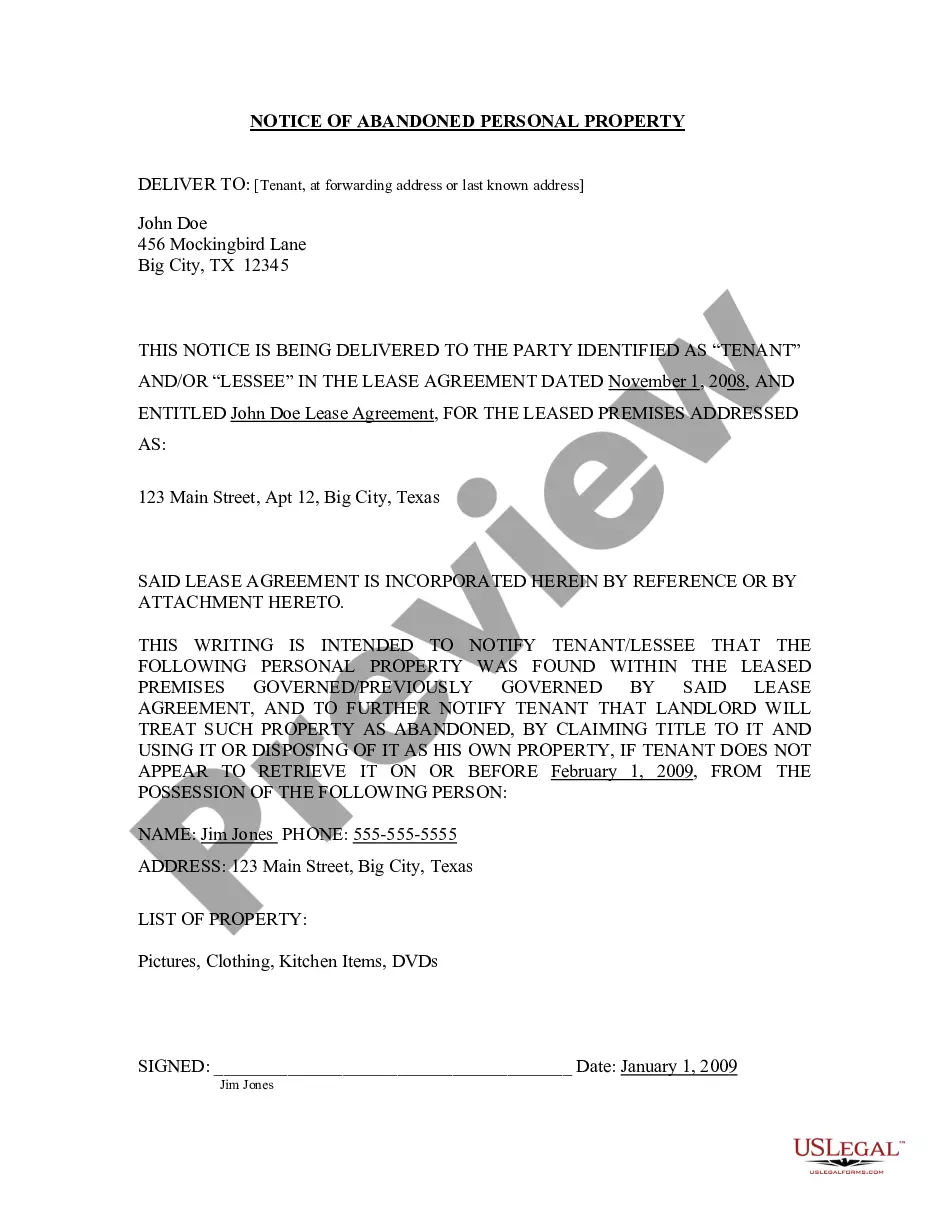
Tenant Abandoned Property Texas Forest Service
Description
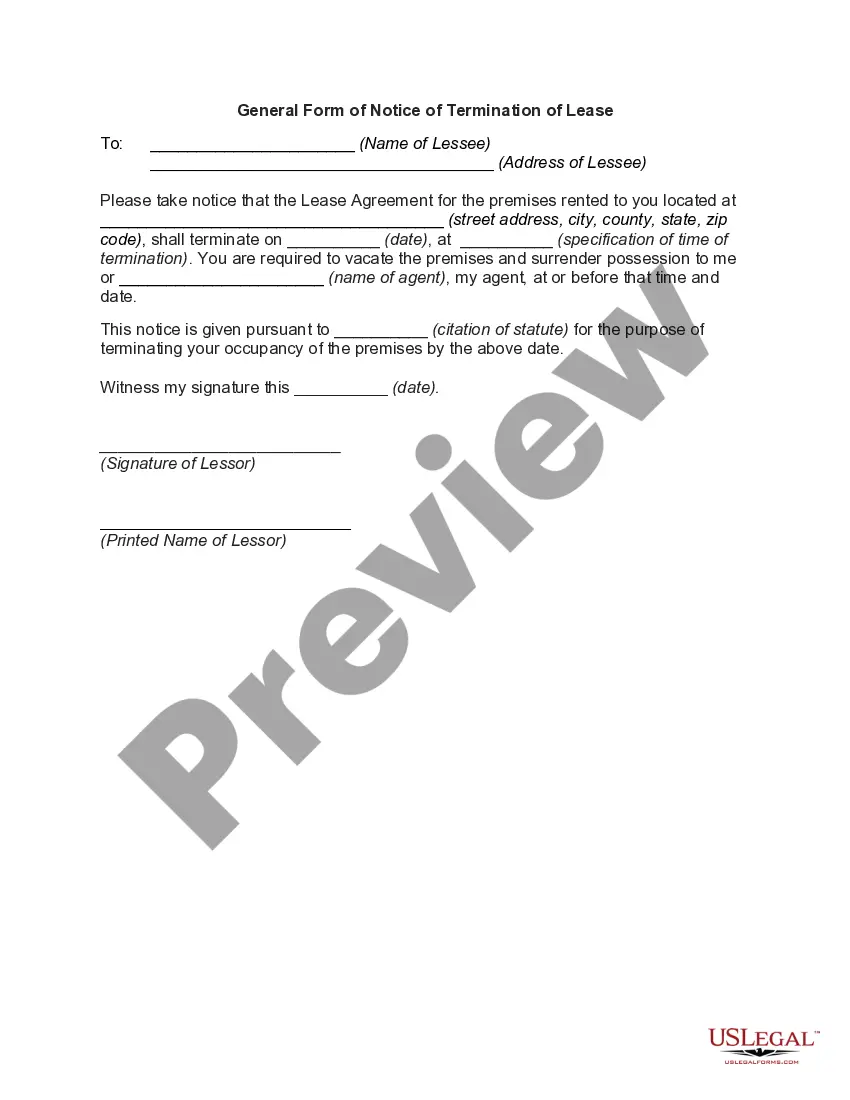
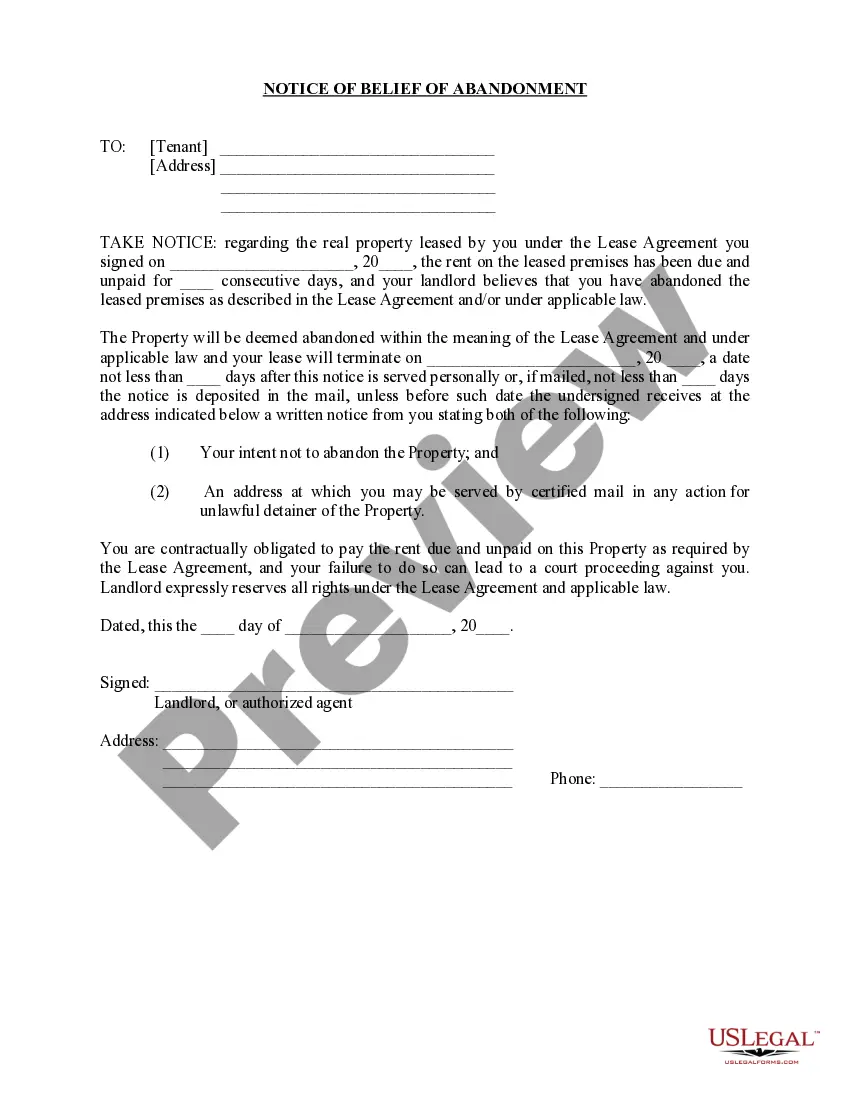

Get your form ready online
Our built-in tools help you complete, sign, share, and store your documents in one place.
Make edits, fill in missing information, and update formatting in US Legal Forms—just like you would in MS Word.
Download a copy, print it, send it by email, or mail it via USPS—whatever works best for your next step.
Sign and collect signatures with our SignNow integration. Send to multiple recipients, set reminders, and more. Go Premium to unlock E-Sign.
If this form requires notarization, complete it online through a secure video call—no need to meet a notary in person or wait for an appointment.
We protect your documents and personal data by following strict security and privacy standards.

Make edits, fill in missing information, and update formatting in US Legal Forms—just like you would in MS Word.

Download a copy, print it, send it by email, or mail it via USPS—whatever works best for your next step.

Sign and collect signatures with our SignNow integration. Send to multiple recipients, set reminders, and more. Go Premium to unlock E-Sign.

If this form requires notarization, complete it online through a secure video call—no need to meet a notary in person or wait for an appointment.

We protect your documents and personal data by following strict security and privacy standards.
Looking for another form?









How to fill out Texas Letter From Landlord To Tenant As Notice Of Abandoned Personal Property?
Getting a go-to place to access the most recent and appropriate legal samples is half the struggle of working with bureaucracy. Finding the right legal papers needs accuracy and attention to detail, which is the reason it is important to take samples of Tenant Abandoned Property Texas Forest Service only from trustworthy sources, like US Legal Forms. A wrong template will waste your time and delay the situation you are in. With US Legal Forms, you have little to worry about. You may access and view all the information about the document’s use and relevance for your situation and in your state or region.
Take the listed steps to finish your Tenant Abandoned Property Texas Forest Service:
- Utilize the catalog navigation or search field to find your template.
- Open the form’s description to see if it suits the requirements of your state and region.
- Open the form preview, if there is one, to ensure the form is definitely the one you are looking for.
- Return to the search and locate the right document if the Tenant Abandoned Property Texas Forest Service does not suit your requirements.
- When you are positive about the form’s relevance, download it.
- When you are an authorized customer, click Log in to authenticate and access your picked forms in My Forms.
- If you do not have a profile yet, click Buy now to obtain the form.
- Pick the pricing plan that fits your requirements.
- Proceed to the registration to complete your purchase.
- Finalize your purchase by choosing a transaction method (bank card or PayPal).
- Pick the document format for downloading Tenant Abandoned Property Texas Forest Service.
- When you have the form on your gadget, you may modify it with the editor or print it and finish it manually.
Get rid of the inconvenience that accompanies your legal documentation. Check out the comprehensive US Legal Forms library where you can find legal samples, check their relevance to your situation, and download them immediately.
Form popularity
FAQ
Section 92.056 of the Texas Property Code requires a tenant to take several steps before the landlord is considered to be liable to them. A landlord's liability allows a tenant to to take certain actions like ending the lease or deducting the cost of repairs from the rent.
To avoid the uncertainty of Texas Property Code Sec. 92.0081 (b)(2), landlords may file a Forcible Entry & Detainer action. After giving the occupants notice to vacate, the landlord must file a sworn written complaint in the justice court. Five days after the court grants judgment, it can issue a writ of possession.
As previously mentioned, the Texas Property Code deems properties abandoned if they are left unclaimed after 60 days in storage. Hence, you are free to destroy them, turn them over for garbage disposal, or donate them to charity. Yes, Texas landlords can sell off abandoned property.
92.056. LANDLORD LIABILITY AND TENANT REMEDIES; NOTICE AND TIME FOR REPAIR. (a) A landlord's liability under this section is subject to Section 92.052(b) regarding conditions that are caused by a tenant and Section 92.054 regarding conditions that are insured casualties.
What is the three-year rule? That is the general escheat rule for personal property. Unclaimed personal property is considered abandoned if, for longer than three years, the location of the owner is unknown and a claim to the property has not been asserted.