Property Abandonment Laws In Texas Without A Lease
Description

Get your form ready online
Our built-in tools help you complete, sign, share, and store your documents in one place.
Make edits, fill in missing information, and update formatting in US Legal Forms—just like you would in MS Word.
Download a copy, print it, send it by email, or mail it via USPS—whatever works best for your next step.
Sign and collect signatures with our SignNow integration. Send to multiple recipients, set reminders, and more. Go Premium to unlock E-Sign.
If this form requires notarization, complete it online through a secure video call—no need to meet a notary in person or wait for an appointment.
We protect your documents and personal data by following strict security and privacy standards.

Make edits, fill in missing information, and update formatting in US Legal Forms—just like you would in MS Word.

Download a copy, print it, send it by email, or mail it via USPS—whatever works best for your next step.

Sign and collect signatures with our SignNow integration. Send to multiple recipients, set reminders, and more. Go Premium to unlock E-Sign.

If this form requires notarization, complete it online through a secure video call—no need to meet a notary in person or wait for an appointment.

We protect your documents and personal data by following strict security and privacy standards.
Looking for another form?
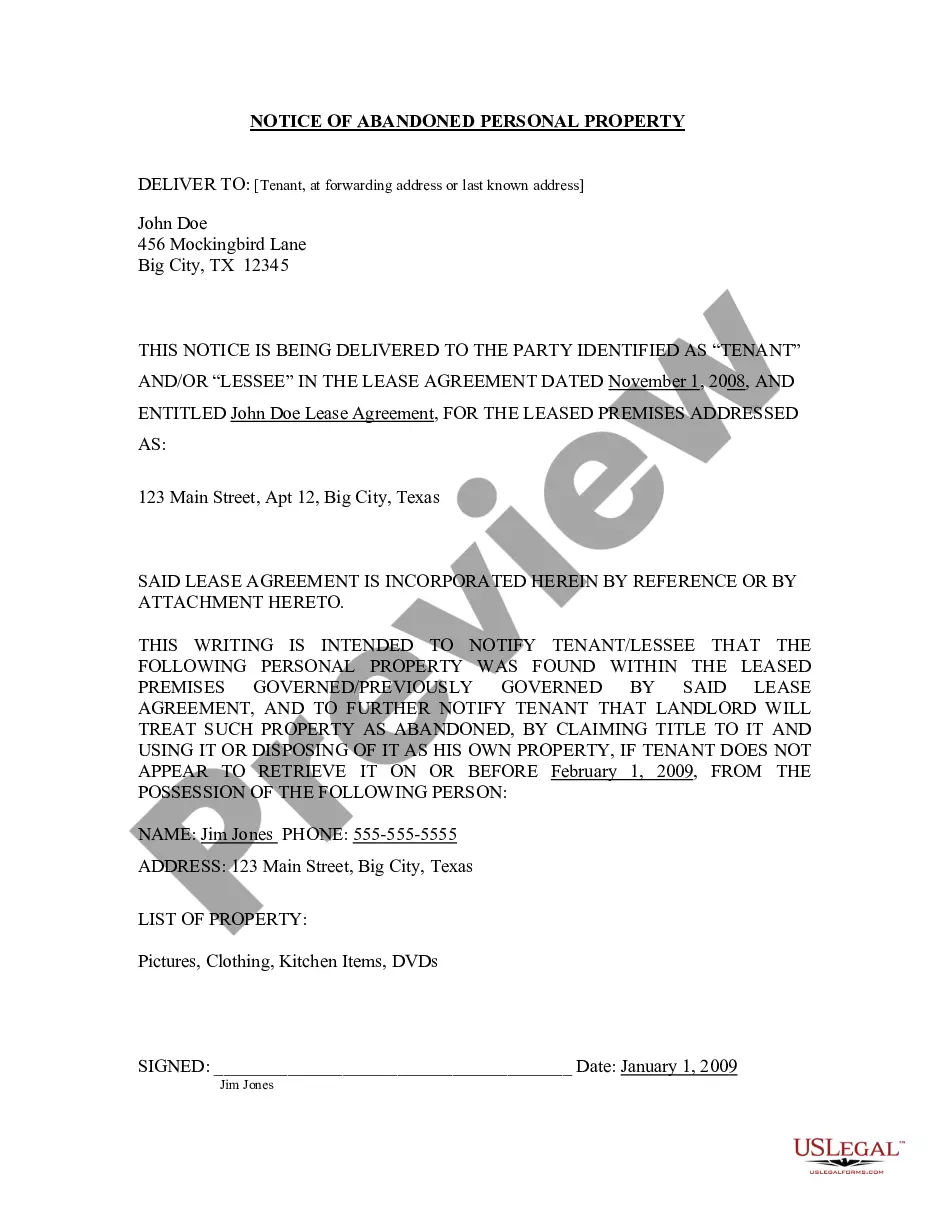
How to fill out Texas Letter From Landlord To Tenant As Notice Of Abandoned Personal Property?
Whether for commercial reasons or personal issues, everyone must deal with legal matters at some point in their lives.
Filling out legal documents requires meticulous care, starting from selecting the correct form template.
With a vast catalog available at US Legal Forms, you won't waste time searching the internet for the right sample. Utilize the library's straightforward navigation to find the correct form for any need.
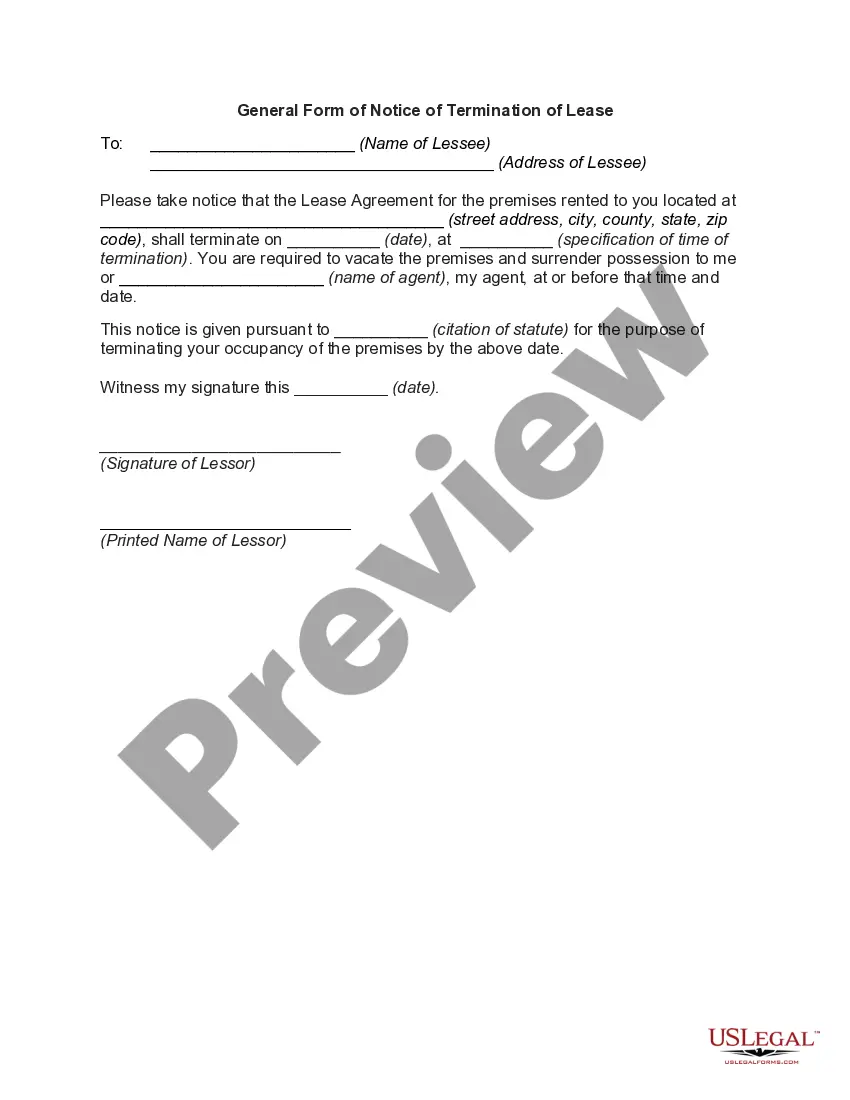
- For example, if you choose an incorrect version of a Property Abandonment Laws In Texas Without A Lease, it will be rejected upon submission.
- Thus, it is crucial to have a reliable provider of legal forms such as US Legal Forms.
- If you need to acquire a Property Abandonment Laws In Texas Without A Lease template, follow these straightforward steps.
- 1. Search for the needed sample using the search box or catalog navigation.
- 2. Review the form details to ensure it corresponds to your circumstances, state, and county.
- 3. Click on the form’s preview to inspect it.
- 4. If it is the wrong form, return to the search feature to find the Property Abandonment Laws In Texas Without A Lease sample you seek.
- 5. Download the document if it fits your needs.
- 6. If you have a US Legal Forms account, click Log in to access previously saved documents in My documents.
- 7. If you don’t have an account yet, you can obtain the form by clicking Buy now.
- 8. Choose the appropriate pricing option.
- 9. Fill out the account registration form.
- 10. Select your payment method: use a credit card or PayPal account.
- 11. Choose the document format you desire and download the Property Abandonment Laws In Texas Without A Lease.
- 12. Once downloaded, you can complete the form using editing software or print it out and fill it in manually.
Form popularity
FAQ
Abandonment of rental property is determined by several factors, including the tenant's absence, unpaid rent, and the condition of the property. Property abandonment laws in Texas without a lease highlight that if the tenant leaves behind belongings but fails to communicate, it may indicate abandonment. Understanding these factors can help landlords navigate their rights and responsibilities effectively.
Typically, in Texas, property can be considered abandoned after a tenant has been absent for at least five days without paying rent. However, property abandonment laws in Texas without a lease may allow landlords to take action sooner if there is clear evidence of abandonment. To ensure you are following the correct procedures, reviewing the specific laws and regulations is advisable.
Abandonment of property in Texas occurs when a person voluntarily relinquishes their ownership of the property without the intention of returning. This can happen when a tenant leaves a rented space without a lease and does not communicate with the landlord. Property abandonment laws in Texas without a lease provide guidelines for how landlords can manage abandoned items. Understanding these laws helps protect both landlords and tenants in navigating property rights.
In Texas, property may be considered abandoned if the owner has not returned to it for a significant period. Generally, if a tenant leaves a rental property without a lease and does not return for 30 days, the property may be deemed abandoned. Under property abandonment laws in Texas without a lease, landlords can take steps to remove the abandoned items. It is crucial to follow the legal process to avoid potential disputes.
Under property abandonment laws in Texas without a lease, a tenant is generally considered to have abandoned the property if they have been gone for at least 30 days without making any arrangements for their belongings. This time frame can vary based on specific circumstances, such as the terms of any agreement or local regulations. It’s essential for landlords to follow the proper legal procedures for addressing property abandonment to avoid potential disputes. USLegalForms offers valuable resources and guides to help navigate these issues safely and effectively.
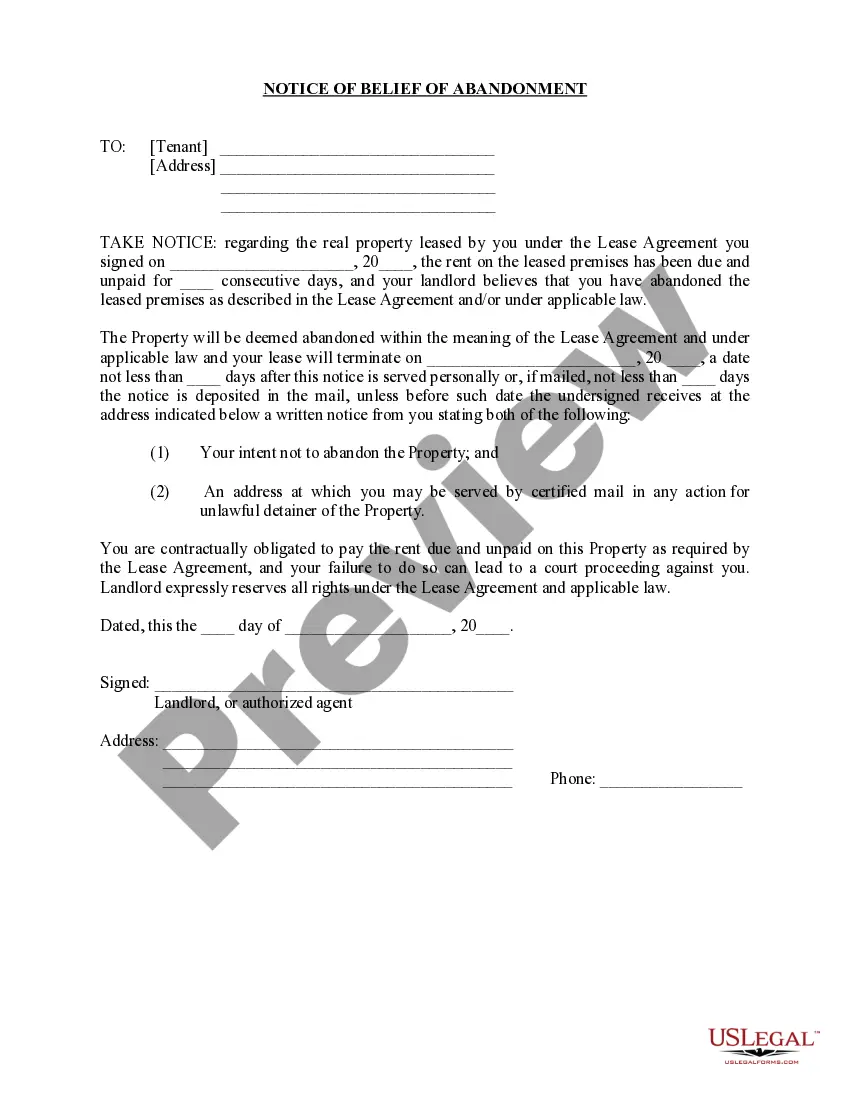
In Texas, a tenant needs to be absent for at least 30 days for the property to be classified as abandoned. However, if certain conditions, such as non-payment of rent, are met, the timeframe may vary. Landlords must be aware of the specifics outlined in property abandonment laws in Texas without a lease to make informed decisions regarding the abandoned property.
Grounds for abandonment in Texas can include non-payment of rent, the absence of the tenant from the property for a substantial period, and any written communication indicating the tenant's intent to vacate. Landlords must exercise caution and adhere closely to property abandonment laws in Texas without a lease when establishing these grounds. Proper documentation can help safeguard against disputes regarding abandonment.
Abandoned property in Texas includes any personal belongings left behind by a tenant with no intention of retrieving them. This can be furniture, electronics, clothing, and other items that demonstrate the tenant's lack of interest in reclaiming them. Understanding what qualifies as abandoned under property abandonment laws in Texas without a lease is crucial for both landlords and tenants alike.
When there is no lease agreement in Texas, property abandonment laws still apply. In absence of a lease, a landlord can indicate that a property has been abandoned if the tenant has not been present for an extended period, typically around 30 days. It’s important for landlords to document these instances and follow the proper protocols outlined in property abandonment laws in Texas without a lease to avoid legal complications.
To take ownership of abandoned property in Texas, it is crucial to understand property abandonment laws in Texas without a lease. First, determine if the property is truly abandoned, typically requiring an assessment of the situation for at least 30 days. If it is confirmed abandoned, you may proceed with a process called adverse possession, which necessitates occupying the property openly and without permission for a statutory period. Consider using US Legal Forms to access the necessary legal documents and guidance, ensuring you follow all applicable laws accurately.