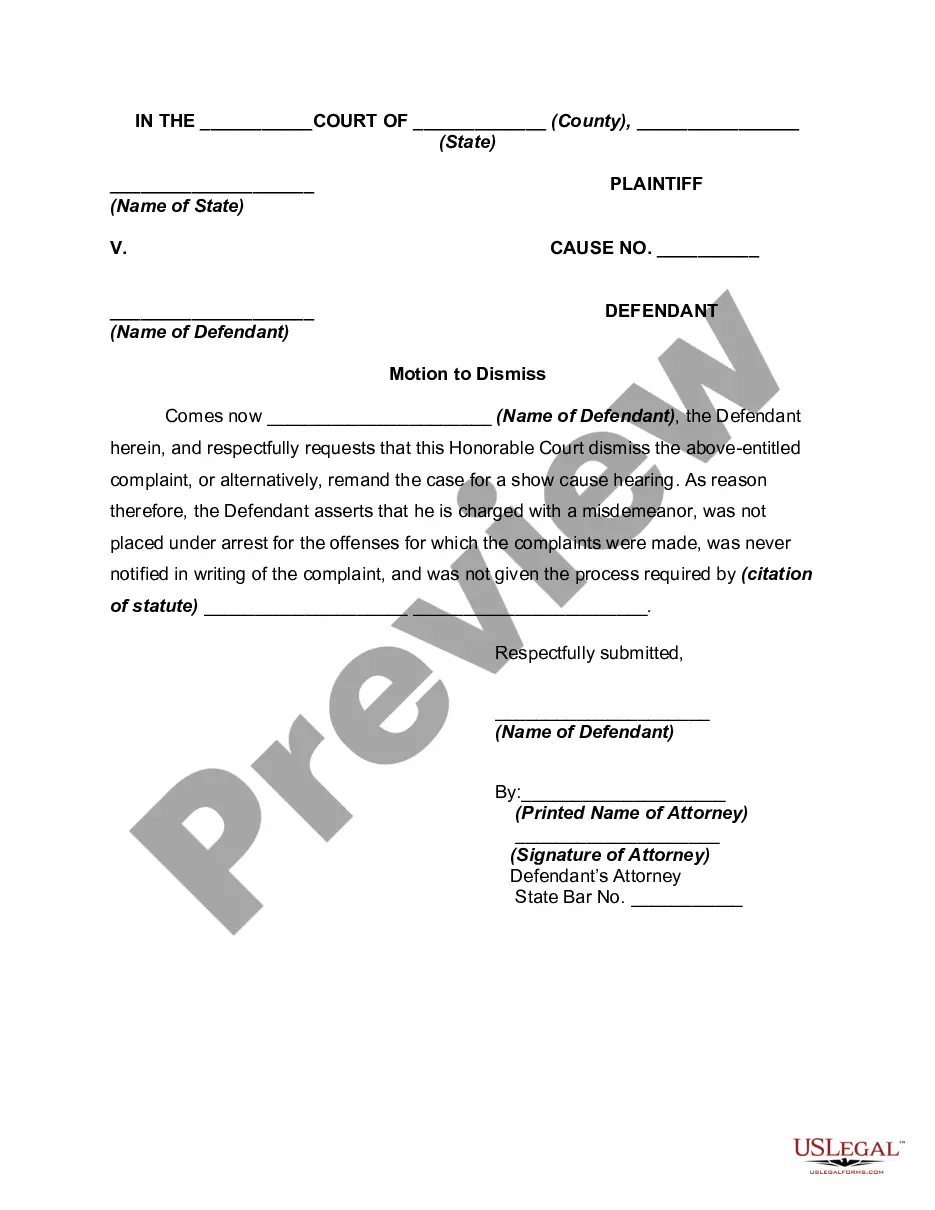
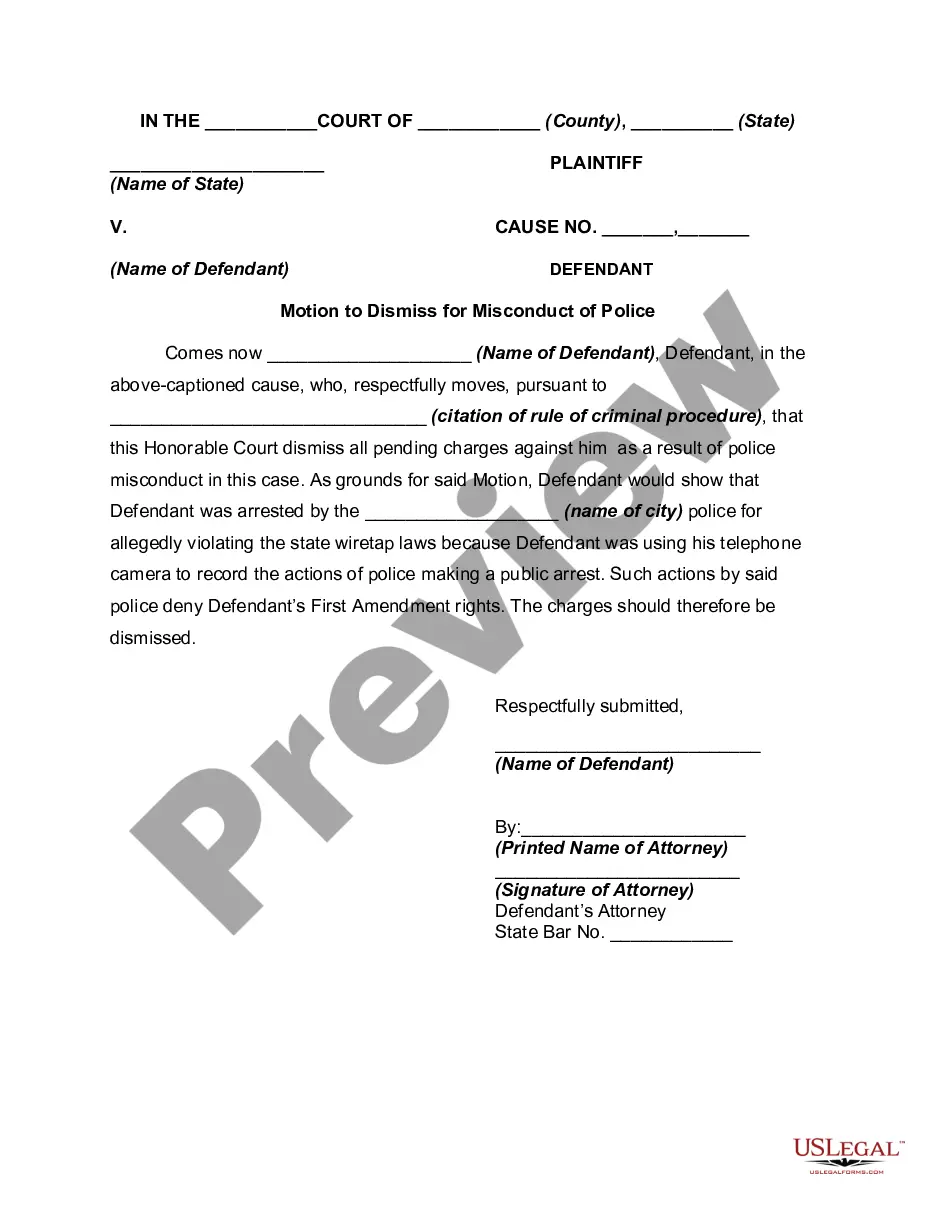
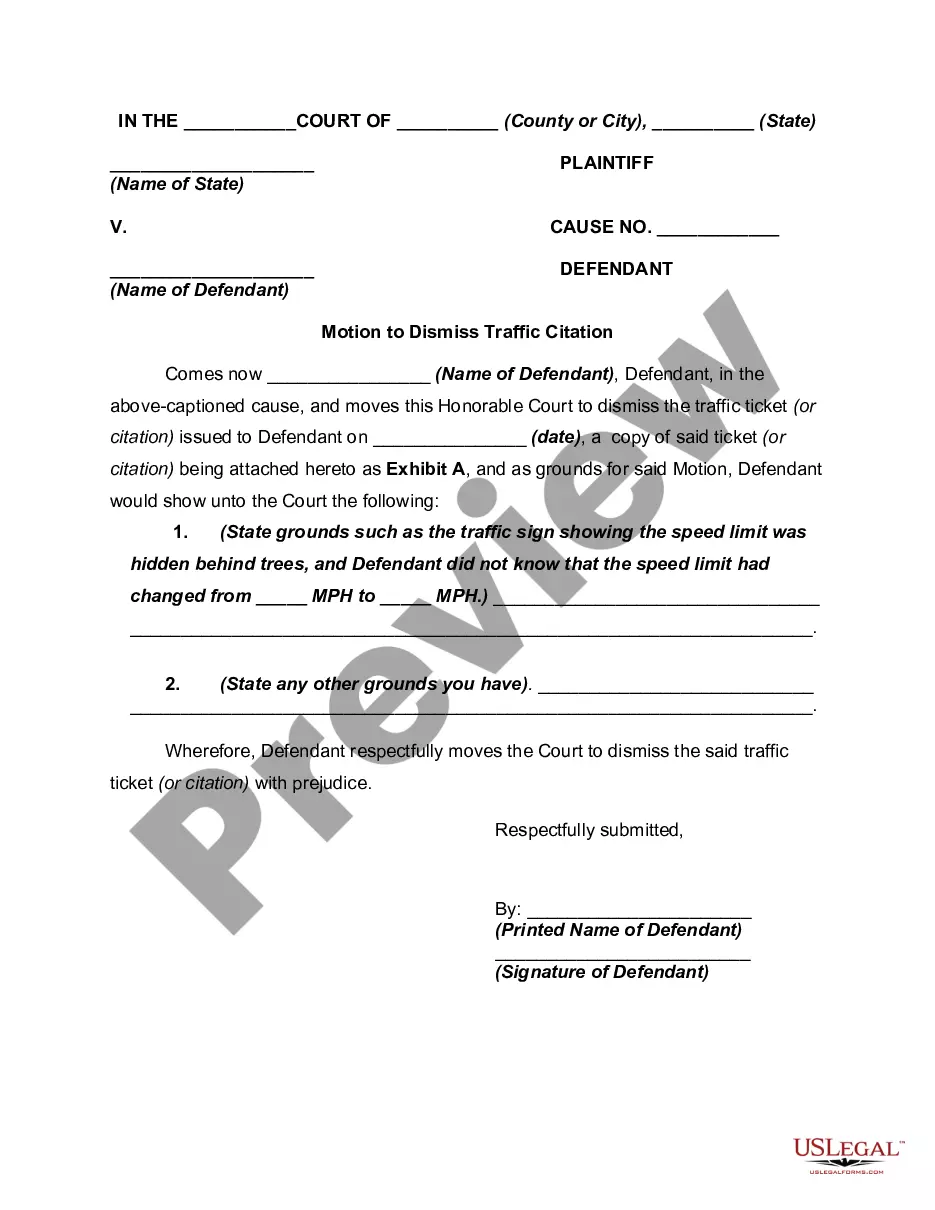
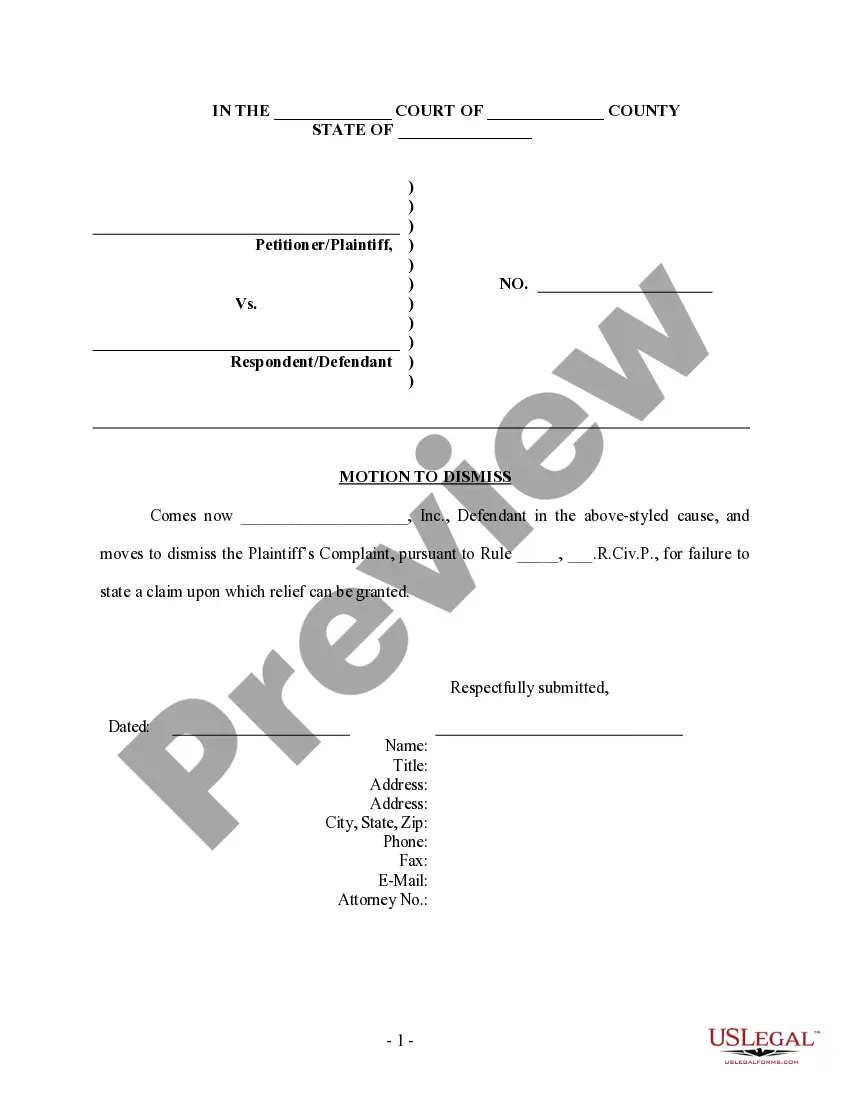
Motion In Texas Traffic Court Withdraw
Description
Get your form ready online
Our built-in tools help you complete, sign, share, and store your documents in one place.
Make edits, fill in missing information, and update formatting in US Legal Forms—just like you would in MS Word.
Download a copy, print it, send it by email, or mail it via USPS—whatever works best for your next step.
Sign and collect signatures with our SignNow integration. Send to multiple recipients, set reminders, and more. Go Premium to unlock E-Sign.
If this form requires notarization, complete it online through a secure video call—no need to meet a notary in person or wait for an appointment.
We protect your documents and personal data by following strict security and privacy standards.

Make edits, fill in missing information, and update formatting in US Legal Forms—just like you would in MS Word.

Download a copy, print it, send it by email, or mail it via USPS—whatever works best for your next step.

Sign and collect signatures with our SignNow integration. Send to multiple recipients, set reminders, and more. Go Premium to unlock E-Sign.

If this form requires notarization, complete it online through a secure video call—no need to meet a notary in person or wait for an appointment.

We protect your documents and personal data by following strict security and privacy standards.
Looking for another form?






Form popularity
FAQ
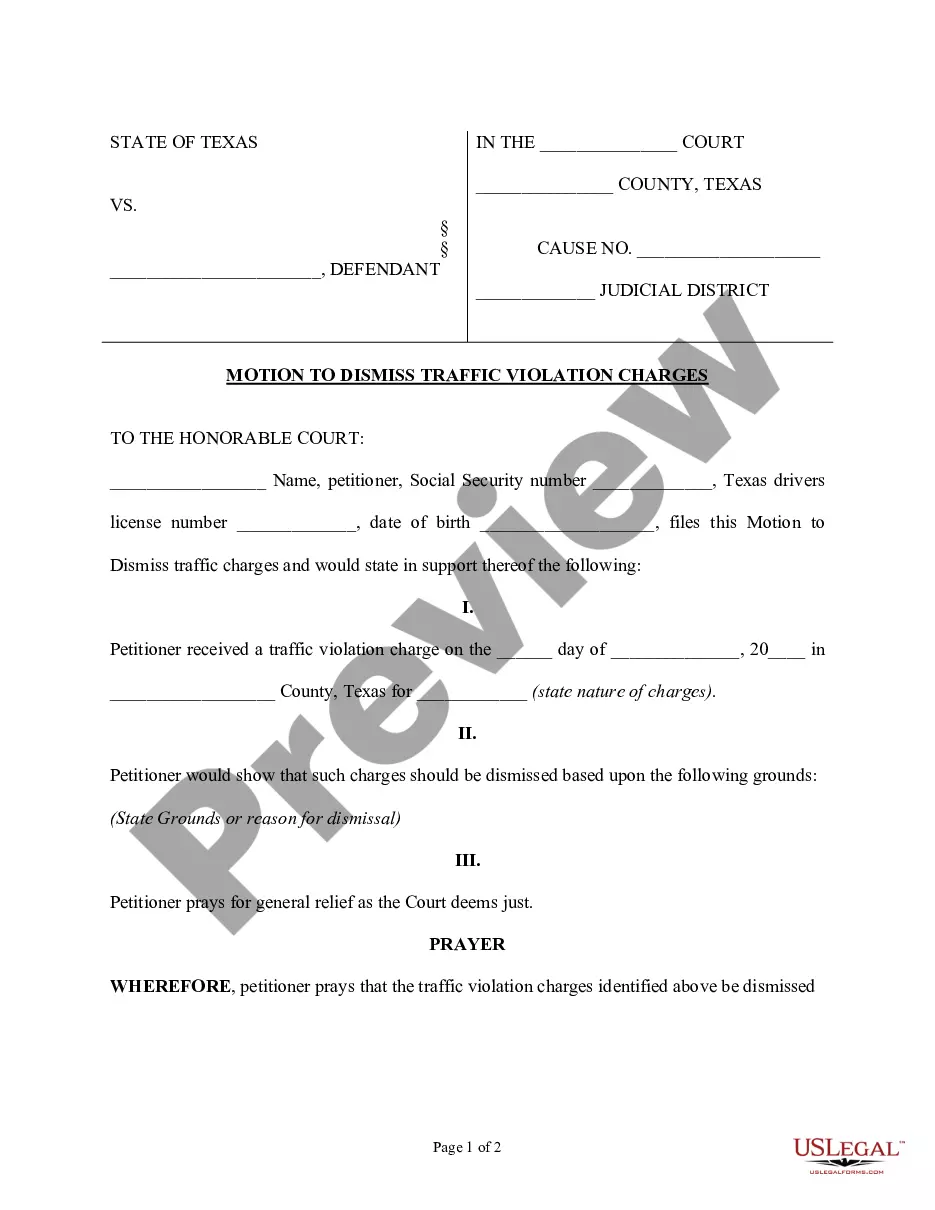
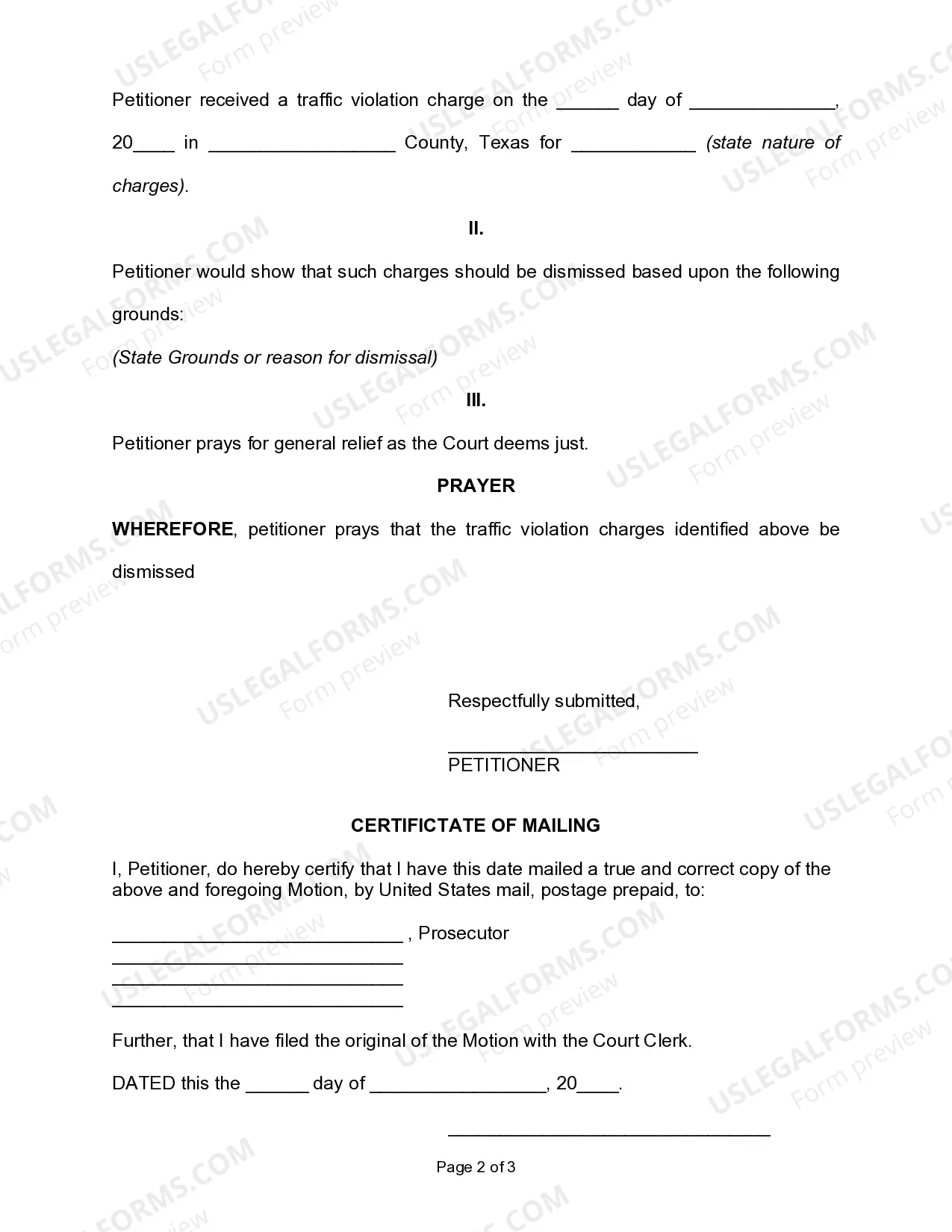
Rule 11 in Texas outlines how parties can agree to modify a legal agreement or request within the court. This rule allows for a Motion in Texas traffic court to withdraw previously filed motions, providing a way to change your case status when needed. Understanding this rule can help you navigate court procedures more effectively. If you need assistance with your motion, consider using the US Legal Forms platform for clear templates and guidance.
Grounds for a motion to dismiss in Texas include lack of jurisdiction, failure to state a claim, and plea in bar. A motion to dismiss argues that even if all facts claimed are true, there is no legal basis for the lawsuit to proceed. Familiarizing yourself with these grounds is crucial when you seek to file a motion in Texas traffic court to withdraw your case. Our resources can provide comprehensive support in understanding and preparing your motion.
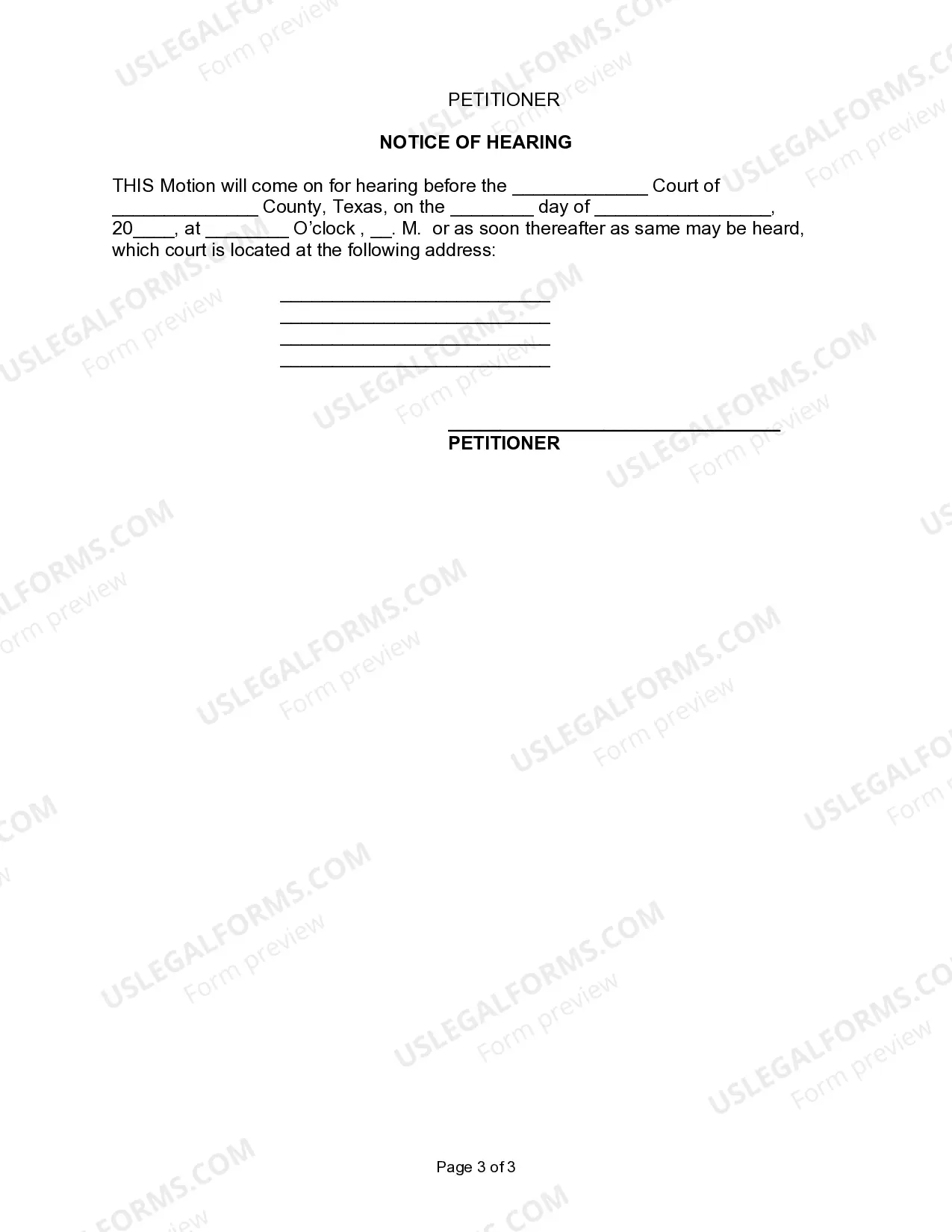
Rule 21 in Texas pertains to the general provisions for service and filing documents. It specifies how and when documents must be served to other parties and filed with the court. Proper adherence to these guidelines is essential for those looking to submit motions in Texas traffic court to withdraw their cases. Clarity in these procedures can significantly impact your case outcomes.
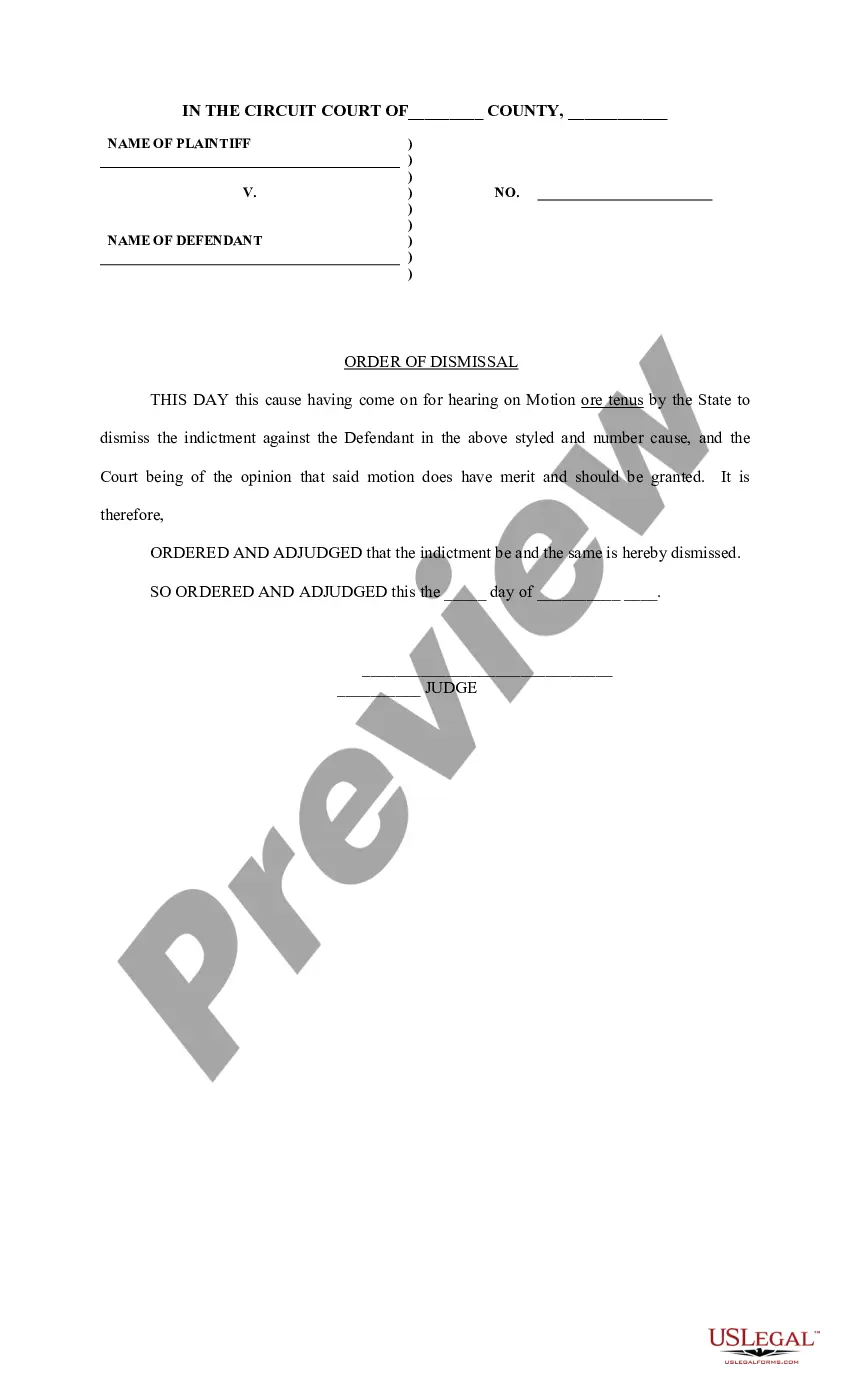
In Texas, the two primary dismissal rules are Rule 5 and Rule 11. Rule 5 allows for a case to be dismissed if the court finds that it lacks jurisdiction. Rule 11 provides guidelines for dismissals by agreement of the parties involved. Understanding these rules can greatly enhance your ability to file a motion in Texas traffic court to withdraw your case.
Yes, you can appeal a traffic court decision in Texas. If you believe the court made an error, you have the right to file an appeal. This process involves requesting a higher court to review the case and make a determination. Utilizing our platform can help you navigate the complexities of filing a motion in Texas traffic court to withdraw your appeal effectively.
The best excuse to appeal a speeding ticket often revolves around demonstrating a legitimate reason for your speed, such as a medical emergency or faulty speed measurement device. Providing evidence to support your claim can make your motion in Texas traffic court more compelling. Making a clear and concise argument will enhance your chances of a successful appeal.
If you disagree with the court's decision on a traffic ticket, you may file an appeal within a specific timeframe. This involves submitting a motion in Texas traffic court to withdraw the original ruling and present new arguments or evidence. Engaging a legal expert can also help strengthen your case during the appeal.
Typically, a traffic ticket can remain on your driving record for three to ten years in Texas, depending on the severity of the offense. This duration can affect your insurance rates and driving privileges significantly. To mitigate this impact, consider filing a motion in Texas traffic court to withdraw the ticket as soon as possible.
If you miss traffic court in Texas, the court may issue a default judgment against you, often resulting in fines or a potential suspension of your driver’s license. Additionally, you may face increased penalties or additional charges. If you find yourself in this situation, it may be wise to file a motion in Texas traffic court to withdraw any penalties.
In Texas, you can appeal traffic tickets based on legal grounds such as lack of jurisdiction, errors in the ticket issuance process, or misinterpretation of the law. You can also cite your own evidence that might show your innocence. Making a well-supported motion in Texas traffic court to withdraw your ticket can significantly improve your chances of success.
