Deed Of Trust Foreclosure Texas
Description


Get your form ready online
Our built-in tools help you complete, sign, share, and store your documents in one place.
Make edits, fill in missing information, and update formatting in US Legal Forms—just like you would in MS Word.
Download a copy, print it, send it by email, or mail it via USPS—whatever works best for your next step.
Sign and collect signatures with our SignNow integration. Send to multiple recipients, set reminders, and more. Go Premium to unlock E-Sign.
If this form requires notarization, complete it online through a secure video call—no need to meet a notary in person or wait for an appointment.
We protect your documents and personal data by following strict security and privacy standards.

Make edits, fill in missing information, and update formatting in US Legal Forms—just like you would in MS Word.

Download a copy, print it, send it by email, or mail it via USPS—whatever works best for your next step.

Sign and collect signatures with our SignNow integration. Send to multiple recipients, set reminders, and more. Go Premium to unlock E-Sign.

If this form requires notarization, complete it online through a secure video call—no need to meet a notary in person or wait for an appointment.

We protect your documents and personal data by following strict security and privacy standards.
Looking for another form?


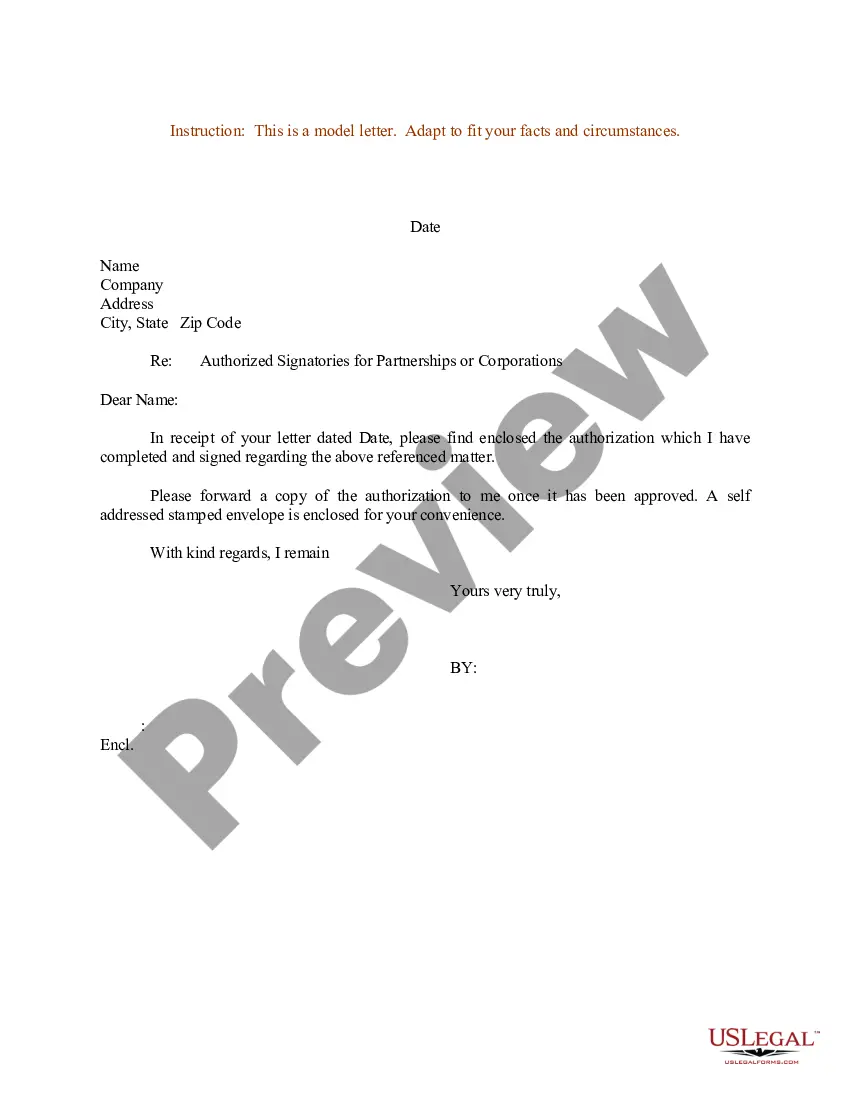
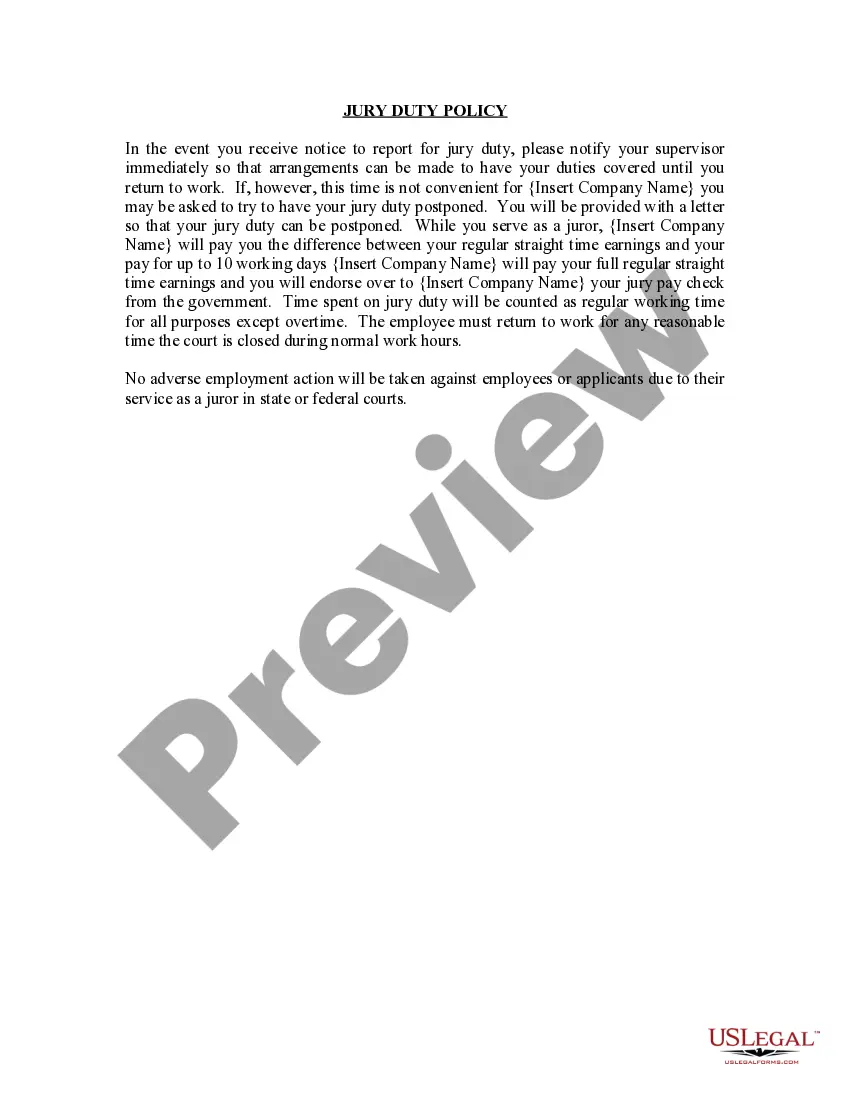
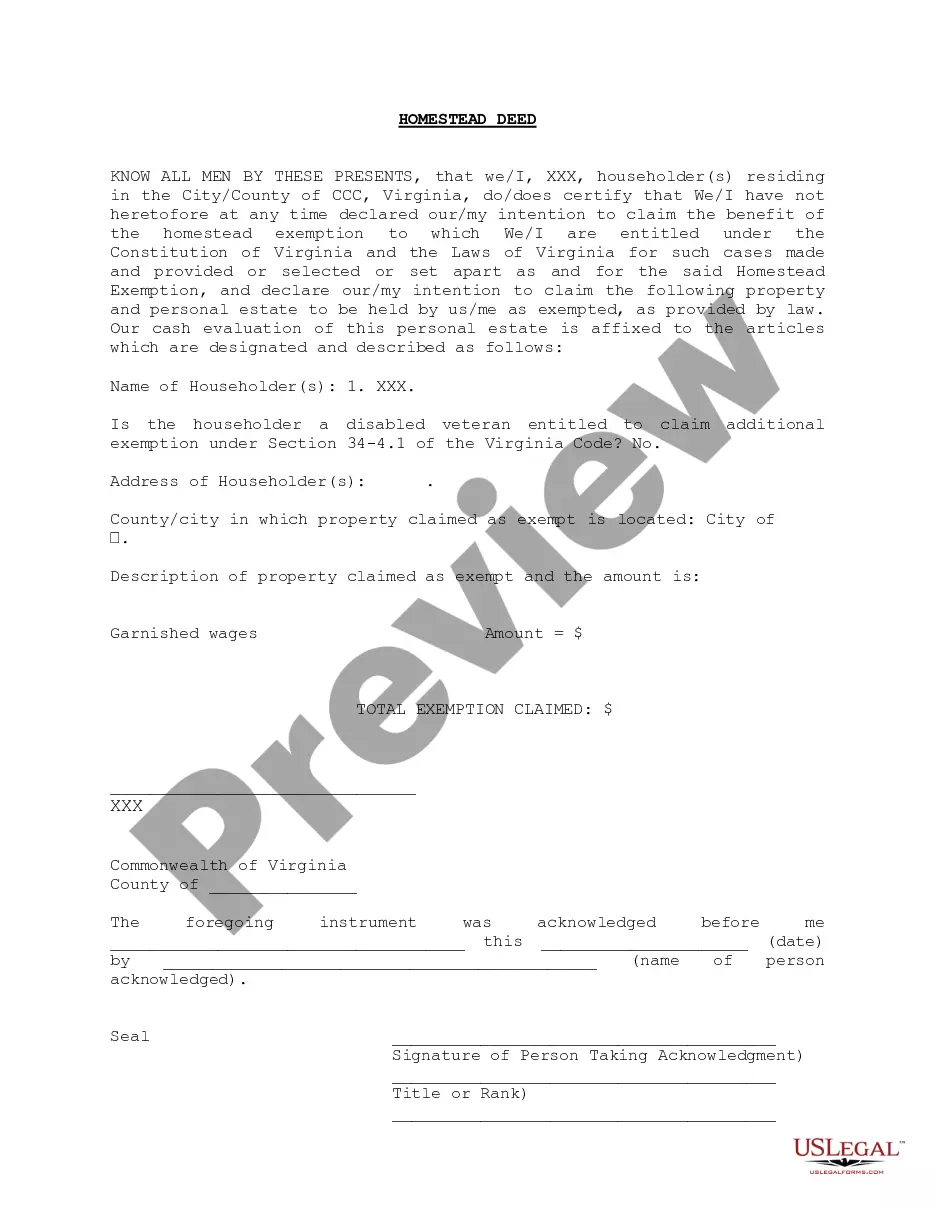
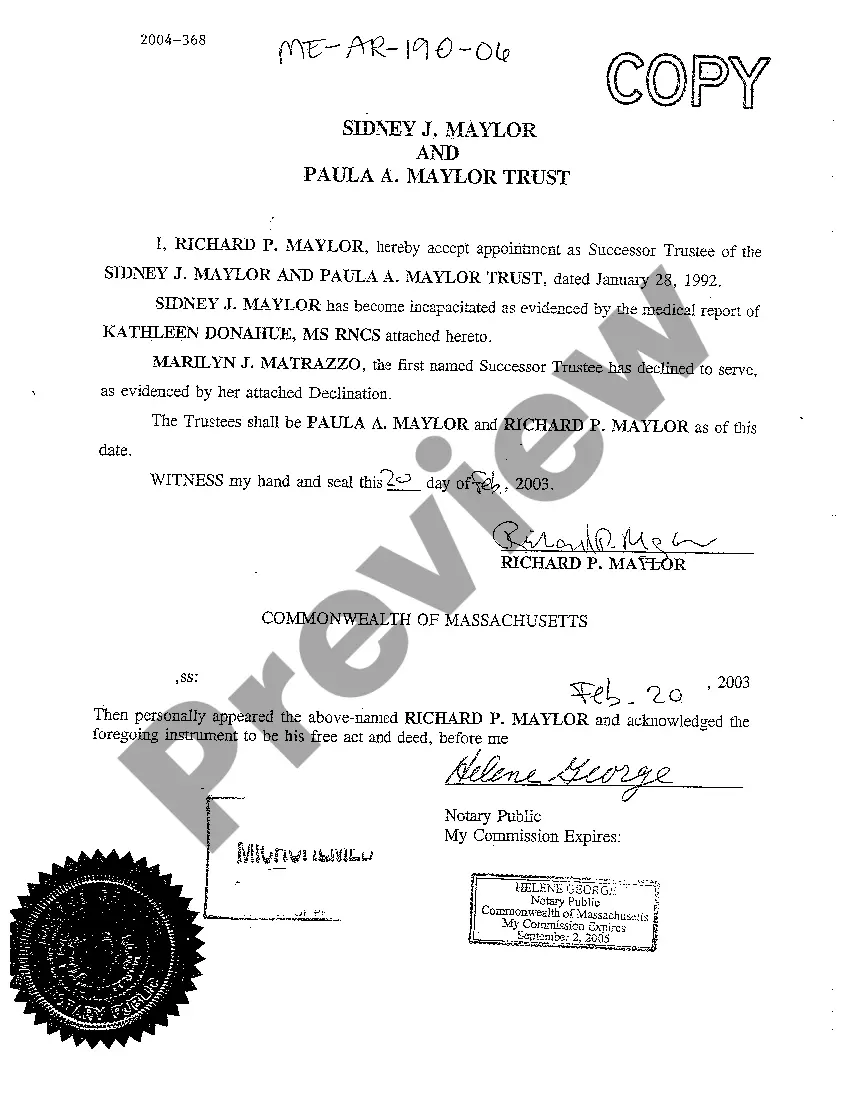

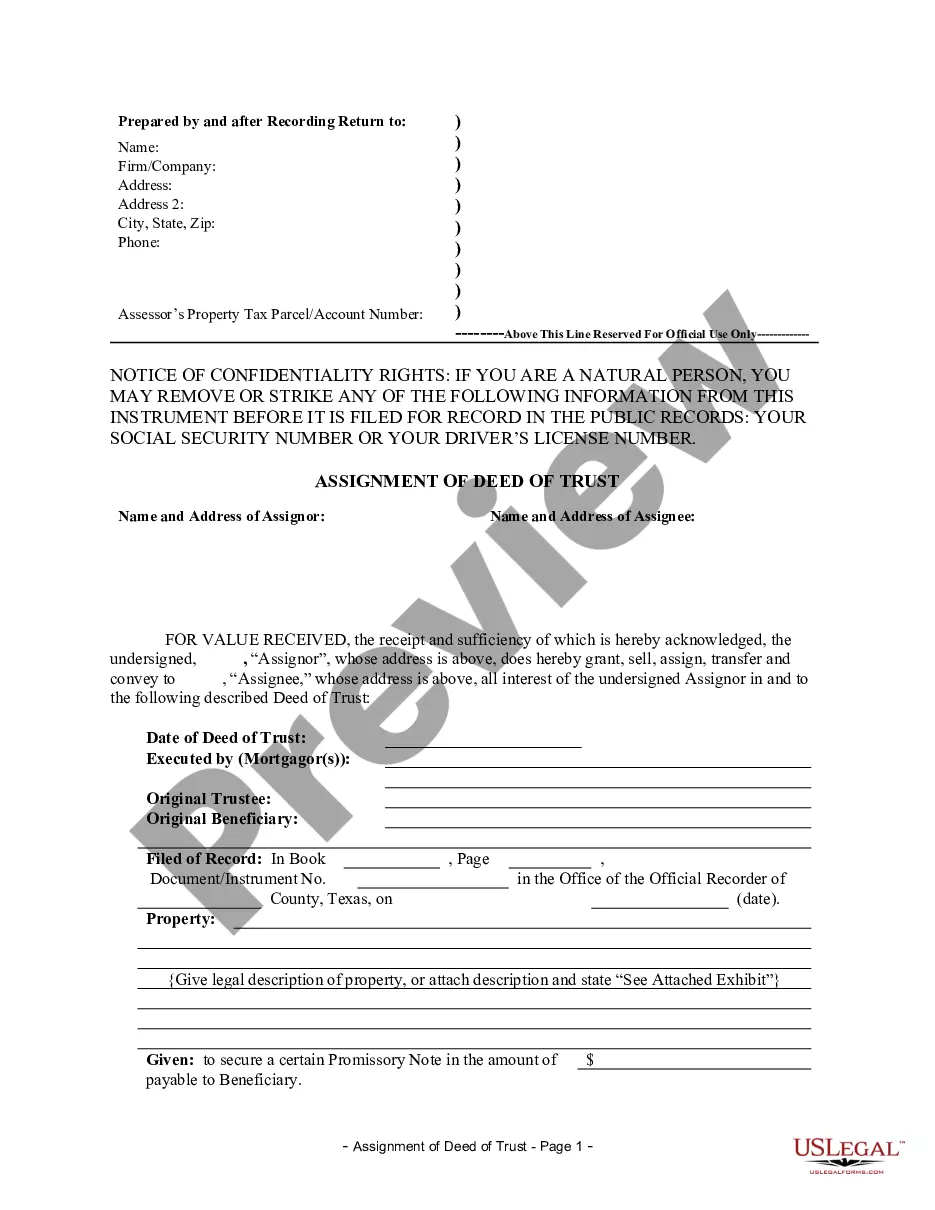
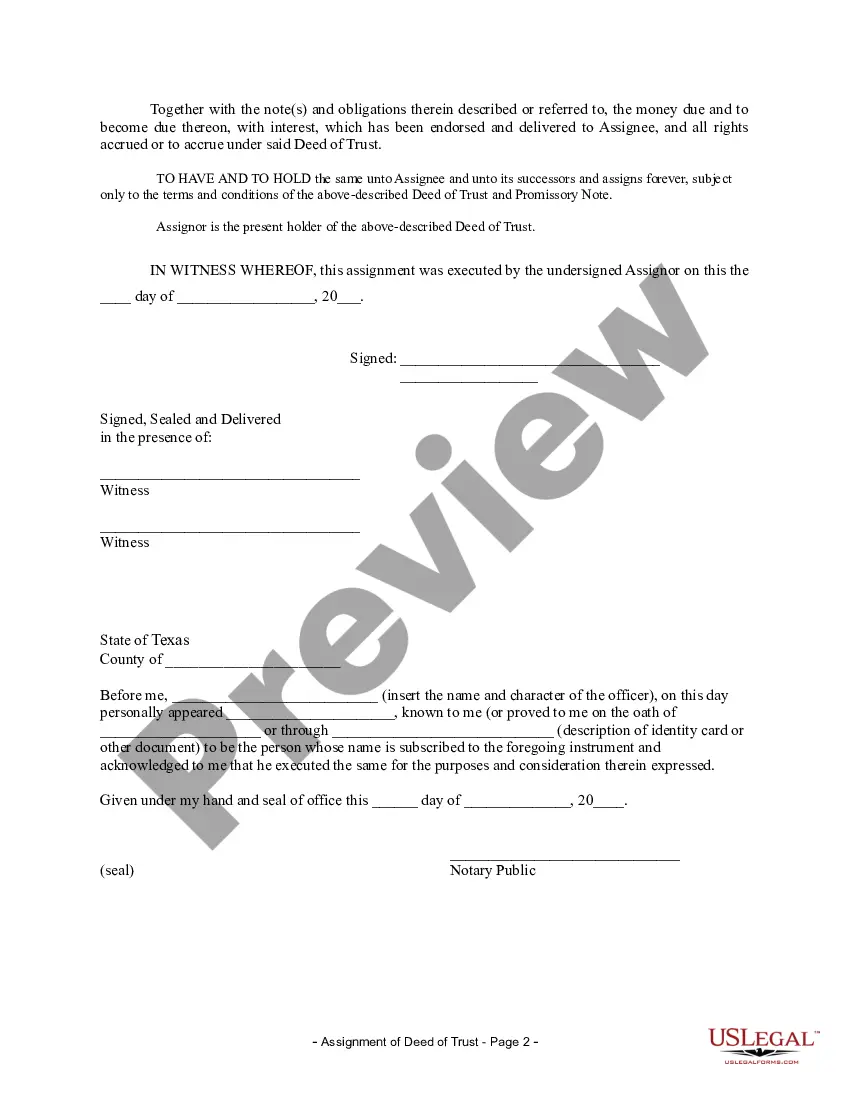
How to fill out Texas Assignment Of Deed Of Trust By Individual Mortgage Holder?
There's no longer a need to spend time searching for legal documents to fulfill your local state obligations.
US Legal Forms has compiled all of them in a single location and simplified their accessibility.
Our platform offers over 85,000 templates for various business and personal legal situations categorized by state and usage area. All forms are professionally created and verified for accuracy, allowing you to trust that you are obtaining an up-to-date Deed Of Trust Foreclosure Texas.
Select your preferred subscription plan and register for an account or Log In. Process your subscription payment using a credit card or via PayPal to proceed. Choose the file format for your Deed Of Trust Foreclosure Texas and download it to your device. Print your form to fill it out by hand or upload the template if you wish to complete it in an online editor. Preparing official documents in accordance with federal and state regulations is fast and straightforward with our platform. Give US Legal Forms a try today to maintain your documentation organized!
- If you are acquainted with our platform and already possess an account, ensure your subscription is active before acquiring any templates.
- Click Log In to your account, select the document, and click Download.
- You can also revisit all acquired documents anytime by accessing the My documents tab in your profile.
- If you've never utilized our platform previously, the procedure will require a few additional steps to finalize.
- Here's how new users can access the Deed Of Trust Foreclosure Texas in our database.
- Examine the page content thoroughly to ensure it includes the sample you require.
- To do this, employ the form description and preview options if available.
- Use the search field above to find another template if the previous one did not suit your needs.
- Click Buy Now next to the template name when you locate the appropriate one.
Form popularity
FAQ
The timeline for foreclosure in Texas generally allows for a 21-day notice after a missed payment, and the total process can take around 60 to 90 days, not 120 days. However, this can vary based on specific circumstances and lender policies. It's crucial for homeowners to remain informed about their rights and the timeline affecting a deed of trust foreclosure in Texas. For more details, consider using resources like USLegalForms that can clarify the legal processes involved.
In Texas, typically, lenders may begin foreclosure proceedings after two to three missed payments. However, each bank may have its own policies, so it's important to review your mortgage agreement. To avoid foreclosure, homeowners should communicate with their lenders early on to explore alternatives. Understanding the implications of a deed of trust foreclosure in Texas can also aid in finding constructive solutions.
The steps of foreclosure in Texas include the lender sending a notice of default, allowing the homeowner time to remedy the situation, and subsequently scheduling a foreclosure auction. During the auction, the property is sold to the highest bidder if no resolution is reached. Homeowners should take proactive measures to understand how a deed of trust foreclosure in Texas impacts their situation. USLegalForms can guide you through necessary documentation and procedures.
The foreclosure process in Texas generally begins after a homeowner misses payments on their mortgage. First, the lender sends a notice of default, detailing missed payments and the remaining balance. After a waiting period, the lender can schedule a foreclosure sale, which usually occurs at public auction. This process highlights the importance of knowing your rights and exploring options available through a deed of trust foreclosure in Texas.
In Texas, the time it takes for a bank to foreclose on a house can vary, but it typically takes around 60 to 90 days after a missed payment. This timeline can be influenced by the terms of the deed of trust and the bank's policies. Understanding this process can help property owners prepare for potential challenges ahead. Utilizing resources from USLegalForms can provide you with essential documents and insights into a deed of trust foreclosure in Texas.
A foreclosure deed of trust is a legal document that outlines a lender's ability to foreclose on a property secured by a deed of trust. This document enables the lender to sell the property if the borrower fails to meet their mortgage obligations. Understanding this process is essential, especially in the context of a deed of trust foreclosure in Texas. It establishes the rights of all parties involved and provides a clear path for resolving financial disputes.
In Texas, a trust generally does not need to be filed with any governmental entity. However, if the trust owns real property, you should record a deed in the appropriate county to establish ownership. While the trust document itself remains private, proper filing of related deeds ensures clarity and protection during a deed of trust foreclosure in Texas. Moreover, keeping your documentation organized can streamline future processes.
Yes, Texas is indeed a deed of trust state, meaning that lenders use deeds of trust instead of mortgages to secure loans on real property. This difference impacts how foreclosures are handled, particularly during a deed of trust foreclosure in Texas. If you’re planning to secure a property in Texas, understanding this legal framework is essential. Utilizing services from USLegalForms can also help you find the information needed about deeds of trust.
Yes, the deed of trust is commonly used in non-judicial foreclosure processes in Texas. This means lenders can foreclose without going through the court system as long as the deed's terms are followed. For homeowners facing a deed of trust foreclosure in Texas, understanding this process can be crucial. Turning to platforms like USLegalForms can provide the guidance and documentation needed to deal with non-judicial foreclosure effectively.
In Texas, if your name is on the deed but not on the mortgage, you still have ownership rights to the property. However, this situation can complicate matters, especially during a deed of trust foreclosure in Texas. The lender may foreclose on the property, but you might not be liable for the mortgage debt. Understanding your rights in this situation can be crucial, and platforms like USLegalForms provide valuable resources to navigate these complexities.