Texas Assignment of Deed of Trust by Individual Mortgage Holder
About this form
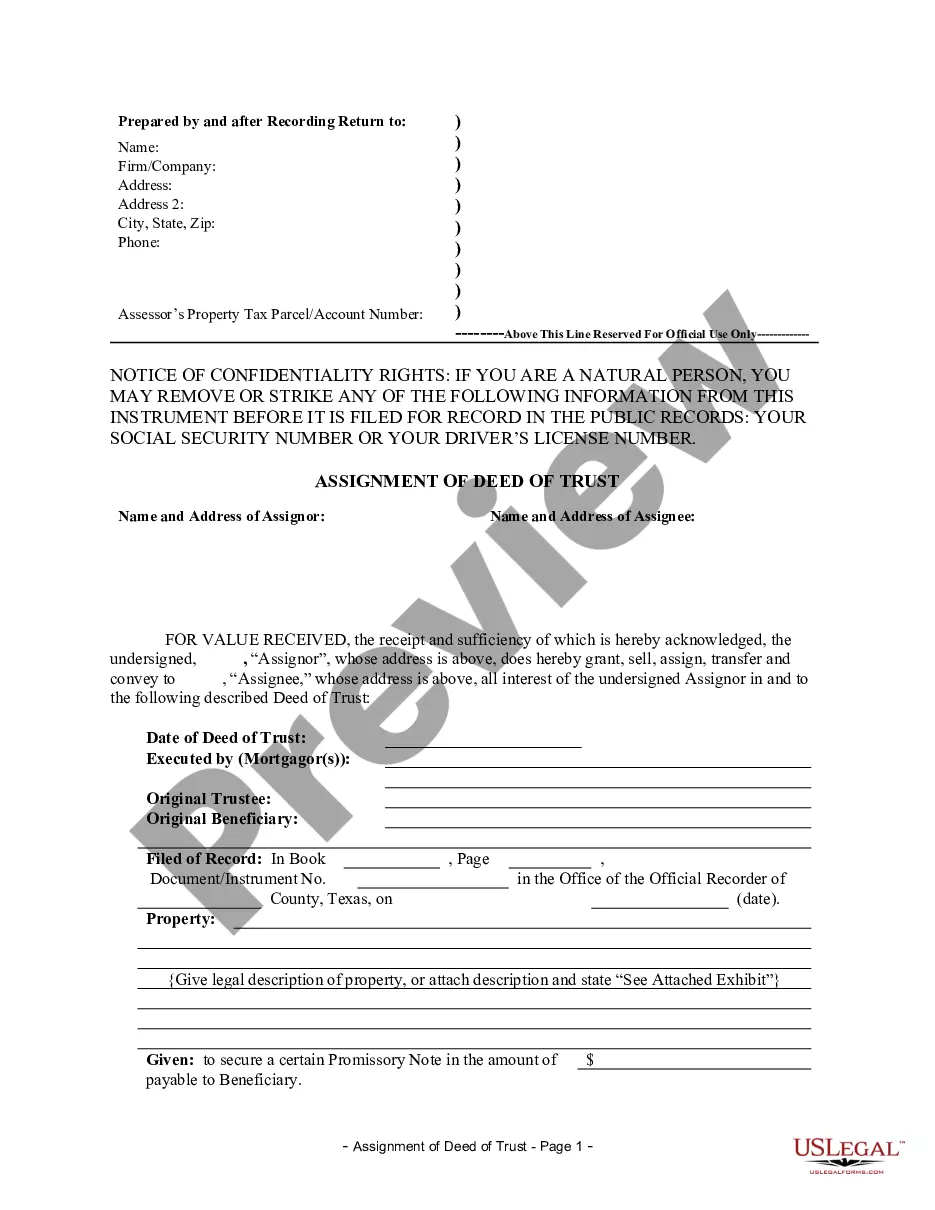
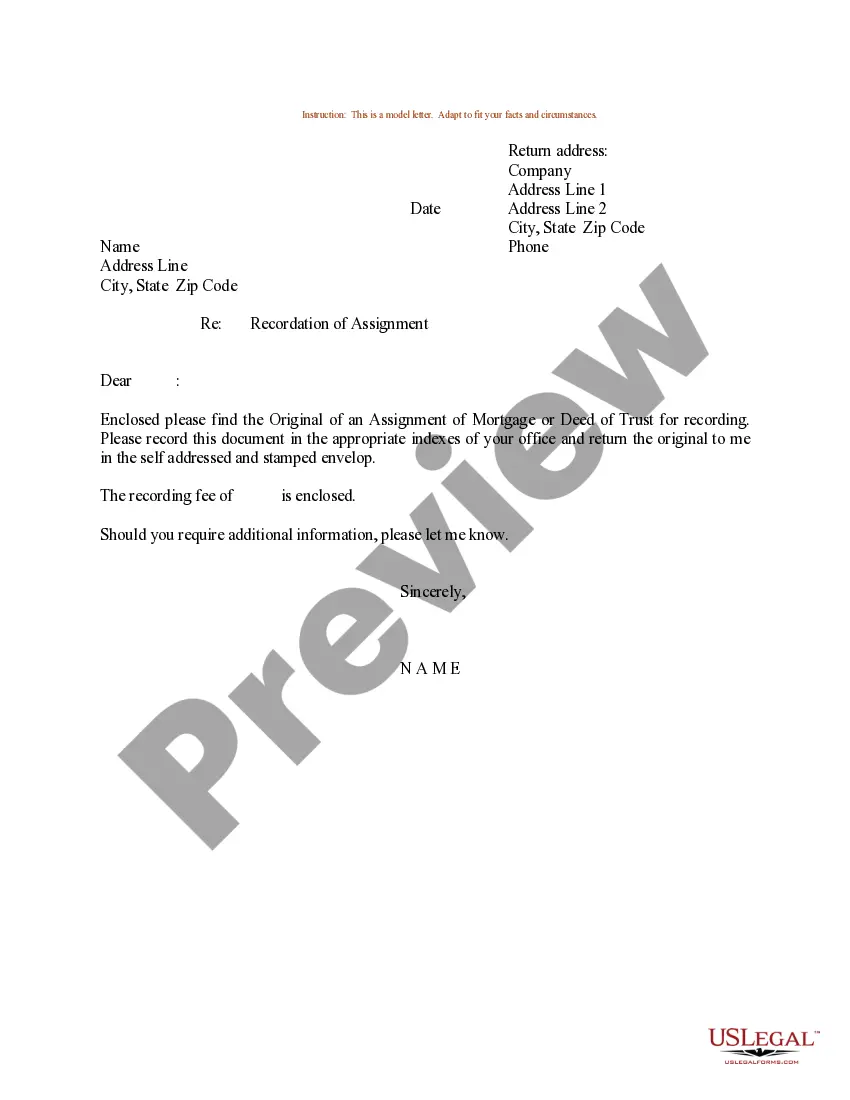
The Assignment of Deed of Trust by Individual Mortgage Holder is a legal document that allows a mortgage holder to transfer their interest in a deed of trust or mortgage to another party. This form is essential for those looking to formally assign their rights under the mortgage to a third party, ensuring the legality of the transaction and protecting the rights of all parties involved.
Key parts of this document
- Date of the deed of trust
- Mortgagor's name(s)
- Details of the original trustee and beneficiary
- Legal description of the property
- Amount of the promissory note
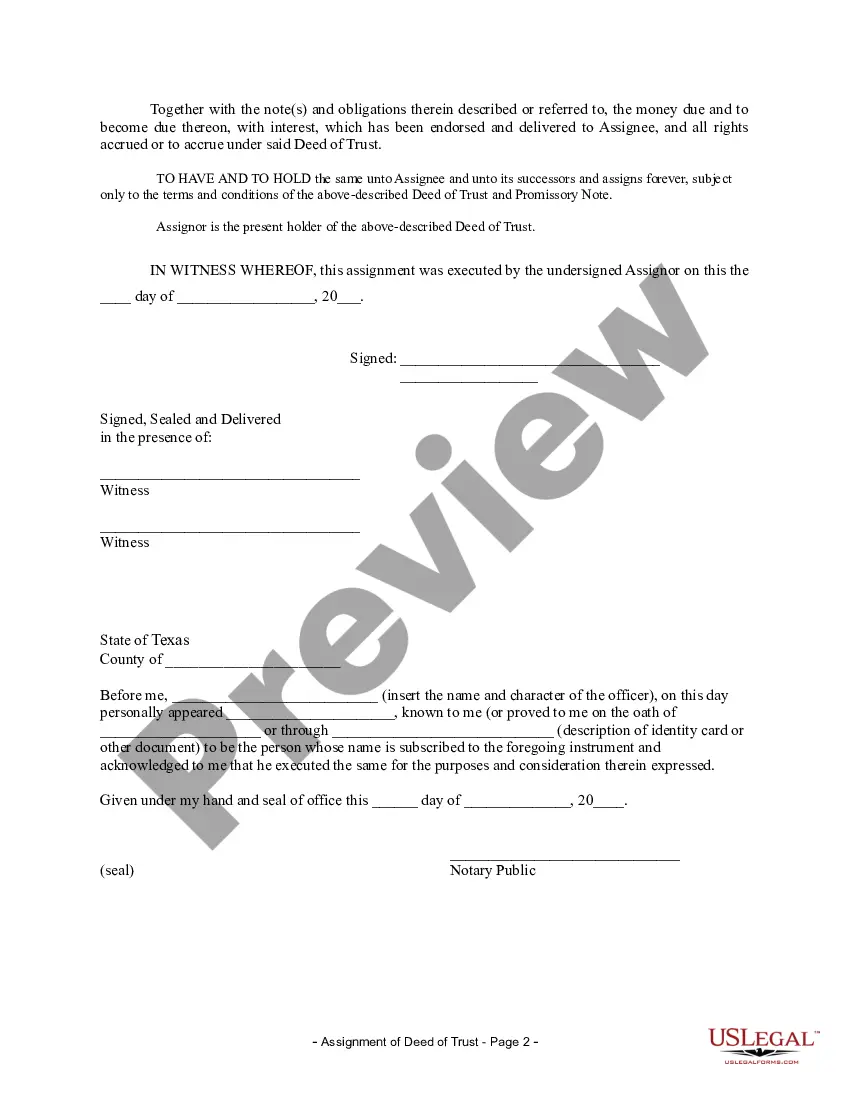
- Signature of the assignor and witnesses
- Notary acknowledgment section



When to use this document
This form is useful when an individual mortgage holder wishes to assign their rights and interests in a deed of trust to another individual or entity. Scenarios may include selling the mortgage, transferring it to a family member, or assigning rights to a third-party investor. It provides a clear legal record of the transfer, ensuring that the new holder has the authority to enforce the terms of the mortgage.
Who needs this form
- Individual mortgage holders looking to transfer their deed of trust
- Trustees involved in mortgage agreements
- Beneficiaries who need to assert their interest in a property
- Real estate investors acquiring mortgages
- Legal professionals assisting clients with property transactions
How to complete this form
- Identify and enter the date of the deed of trust.
- Fill in the names of the mortgagor(s), original trustee, and beneficiary.
- Provide the legal description of the property or attach the exhibit.
- Specify the amount of the promissory note being assigned.
- Have the assignor sign the document in the presence of witnesses.
- Complete the notary section to validate the assignment.
Is notarization required?
To make this form legally binding, it must be notarized. Our online notarization service, powered by Notarize, lets you verify and sign documents remotely through an encrypted video session.
Get your form ready online
Our built-in tools help you complete, sign, share, and store your documents in one place.
Make edits, fill in missing information, and update formatting in US Legal Forms—just like you would in MS Word.
Download a copy, print it, send it by email, or mail it via USPS—whatever works best for your next step.
Sign and collect signatures with our SignNow integration. Send to multiple recipients, set reminders, and more. Go Premium to unlock E-Sign.
If this form requires notarization, complete it online through a secure video call—no need to meet a notary in person or wait for an appointment.
We protect your documents and personal data by following strict security and privacy standards.

Make edits, fill in missing information, and update formatting in US Legal Forms—just like you would in MS Word.

Download a copy, print it, send it by email, or mail it via USPS—whatever works best for your next step.

Sign and collect signatures with our SignNow integration. Send to multiple recipients, set reminders, and more. Go Premium to unlock E-Sign.

If this form requires notarization, complete it online through a secure video call—no need to meet a notary in person or wait for an appointment.

We protect your documents and personal data by following strict security and privacy standards.
Typical mistakes to avoid
- Failing to provide a full legal description of the property.
- Not having proper witness signatures when required.
- Neglecting to complete the notary acknowledgment.
- Leaving out critical details like the date of the deed of trust.
Benefits of using this form online
- Convenient access and immediate download capability.
- Edit the document easily to fit your specific needs.
- Forms are drafted by licensed attorneys, ensuring legal reliability.
- Save time and avoid potential errors compared to drafting your own form.
Looking for another form?
Form popularity
FAQ
Tip. A security instrument is a legal document giving the bank a security interest in the property. It can be a mortgage, giving the lender a lien on the property, or a deed of trust, whereby a trustee holds the deed for the lender until you finish paying off the loan.
In a deed of trust, the borrower is called the trustor and the lender is the beneficiary. The trustee holds title to the property until the trustor has fully repaid the loan to the beneficiary, at which time the lender notifies the trustee, who then transfers full title of the property to the trustor.
The following states use Deed of Trusts: Alaska, Arizona, California, District of Columbia, Georgia, Mississippi, Missouri, Nevada, North Carolina, and Virginia.
A deed of trust is used to create a security interest in real property as collateral for a loan. A deed of trust is similar to a mortgage, but a deed of trust grants legal title to the trustee while the property owner retains equitable title to the property.
When your mortgage lender decides he wants to sell your mortgage loan to another lender, your mortgage lender will sign an assignment of deed of trust in favor of the new lender. This assignment gives the new lender the same lien on your property that your original lender had under the mortgage loan.
Some owners are put off using solicitors duke to the deed of trust cost. Individuals can write out their own, and use someone else as a witness. However, this may have errors or not be a legally binding document. The investment of getting a deed of trust when buying a property is often worth it in the long term.
A deed of trust is the most commonly used mortgage instrument in Texas for both residential and commercial transactions. A mortgage has also been described as a grant of fee on condition of the payment of a debt.
Some states have laws governing who may or may not serve as a trustee in a deed of trust. Generally, the trustee must be an attorney, title insurance company, trust company, bank, savings and loan, credit union, or other company specifically authorized by law to serve as a trustee.
Whether you have a deed of trust or a mortgage, they both serve to assure that a loan is repaid, either to a lender or an individual person. A mortgage only involves two parties the borrower and the lender. A deed of trust adds an additional party, a trustee, who holds the home's title until the loan is repaid.