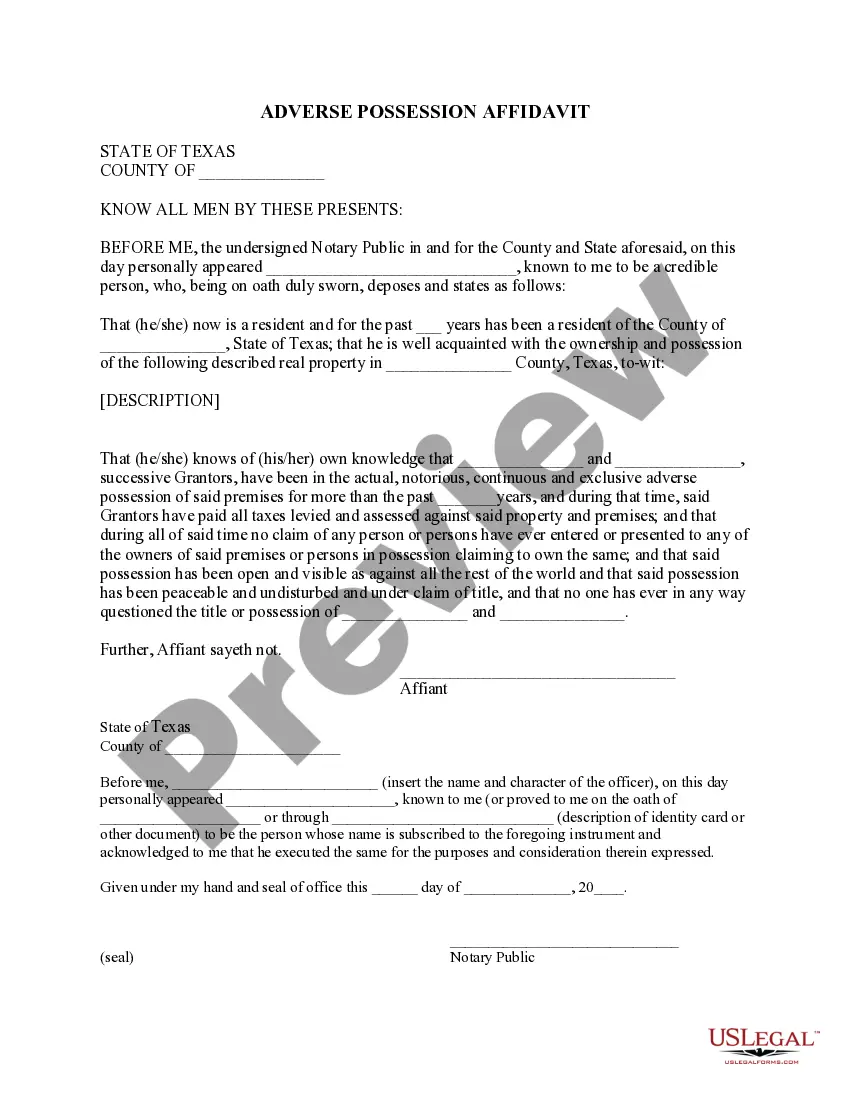
Grantors Towit Successive For Each
Description
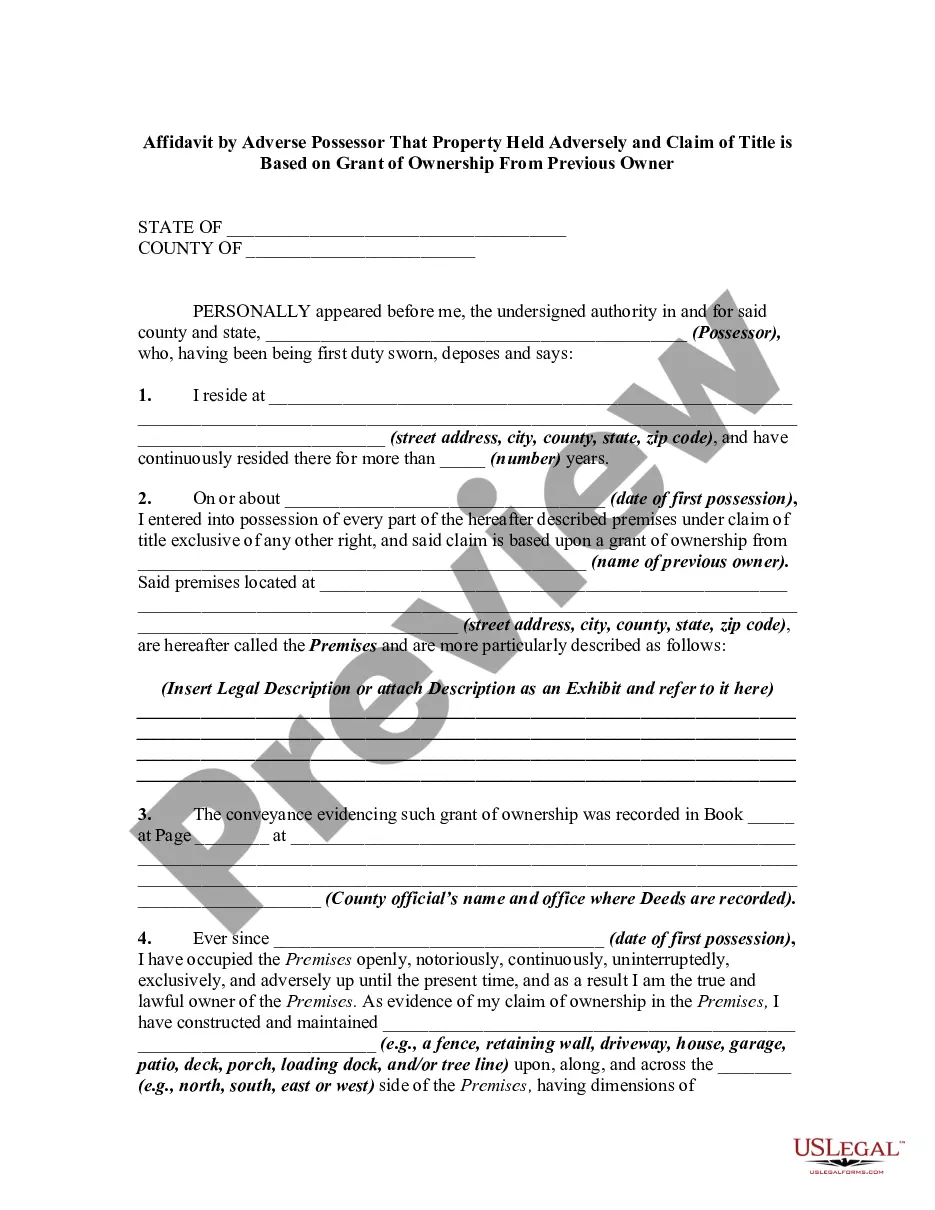
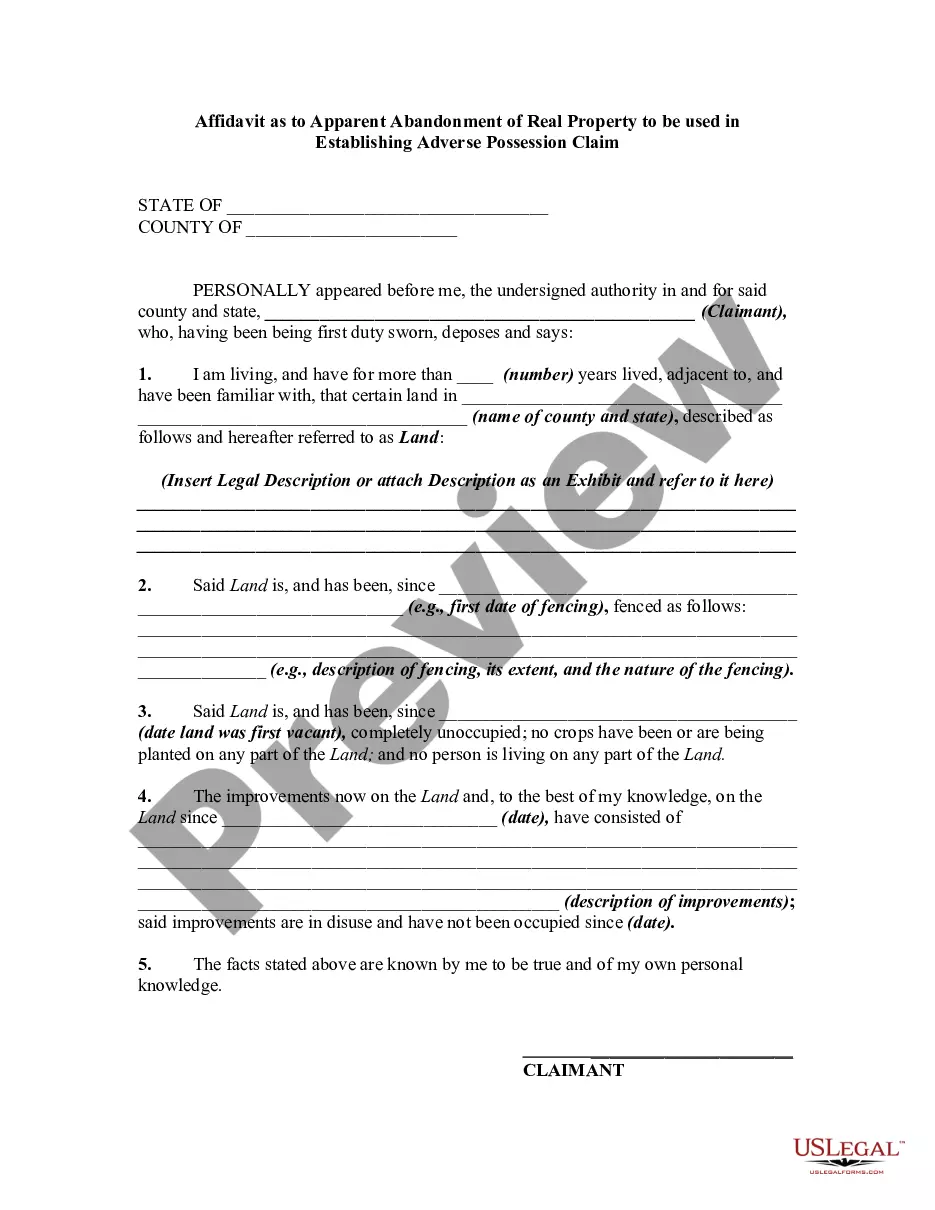
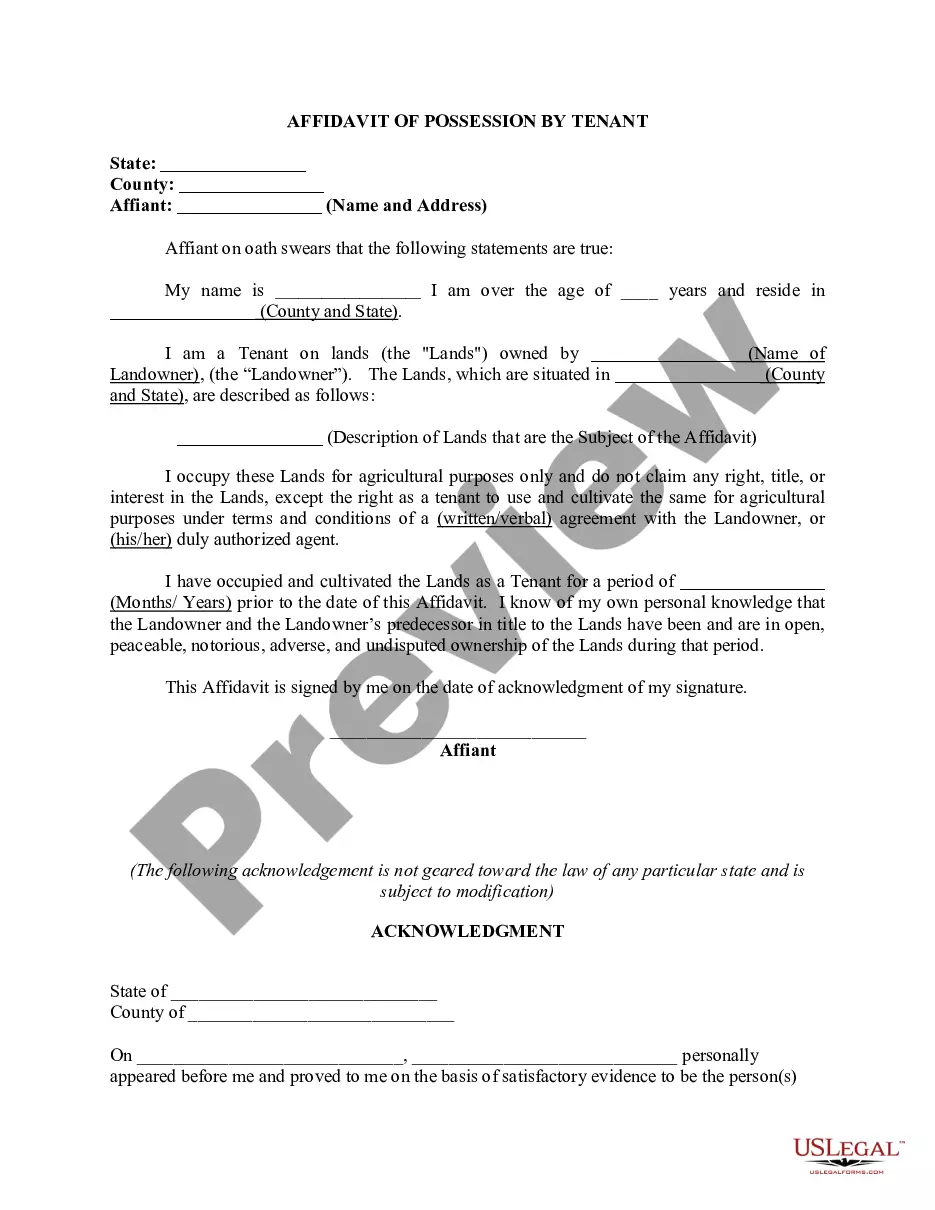
Get your form ready online
Our built-in tools help you complete, sign, share, and store your documents in one place.
Make edits, fill in missing information, and update formatting in US Legal Forms—just like you would in MS Word.
Download a copy, print it, send it by email, or mail it via USPS—whatever works best for your next step.
Sign and collect signatures with our SignNow integration. Send to multiple recipients, set reminders, and more. Go Premium to unlock E-Sign.
If this form requires notarization, complete it online through a secure video call—no need to meet a notary in person or wait for an appointment.
We protect your documents and personal data by following strict security and privacy standards.

Make edits, fill in missing information, and update formatting in US Legal Forms—just like you would in MS Word.

Download a copy, print it, send it by email, or mail it via USPS—whatever works best for your next step.

Sign and collect signatures with our SignNow integration. Send to multiple recipients, set reminders, and more. Go Premium to unlock E-Sign.

If this form requires notarization, complete it online through a secure video call—no need to meet a notary in person or wait for an appointment.

We protect your documents and personal data by following strict security and privacy standards.
Looking for another form?









How to fill out Texas Adverse Possession Affidavit - Squatters Rights?
- For returning users, log into your account to download the required form template. Ensure that your subscription is active; if not, please renew it as per your payment plan.
- If this is your first time, start by checking the Preview mode and form description. Confirm that the selected template meets your legal needs and adheres to your local jurisdiction.
- If you need a different form, utilize the Search feature to find a suitable alternative. Ensure compatibility before proceeding.
- Purchase the document by clicking on the Buy Now button. Select your preferred subscription plan, and create an account to access our comprehensive library.
- Complete your purchase by entering your credit card information or using PayPal for a seamless transaction.
- Finally, download your form and save it to your device. You can access it anytime in the My Forms section of your profile.
By utilizing US Legal Forms, individuals and attorneys can effortlessly execute legal documents, benefitting from an extensive library of over 85,000 editable legal forms and packages.
Embrace the ease of creating legally sound documents today! Start your process with US Legal Forms for a streamlined and efficient legal experience.
Form popularity
FAQ
A successive trustee takes over from the original trustee when they can no longer fulfill their duties. This person ensures that the trust continues to operate smoothly and that the intentions of the grantors are upheld. Knowing about grantors towit successive for each trustee is crucial for effective estate management. Our platform offers resources to help you find the right successive trustee for your needs.
Yes, a grantor trust can have multiple grantors. When multiple individuals create a trust together, they often share responsibilities and benefits. Understanding the term 'grantors towit successive for each' provides clarity in estate planning. If you're considering this option, our platform can help you navigate the complexities.
A successor trustee manages the trust assets after the original trustee can no longer serve. In contrast, a beneficiary receives benefits from the trust, but they do not have to manage it. When you think about grantors towit successive for each person involved, it's vital to understand this distinction. This knowledge can help you ensure that your estate plan works efficiently.
To file a tax return for a grantor trust, you report the trust's income on your personal tax return. Since the IRS treats grantor trusts as transparent entities, income generated is attributed directly to you, the grantor. This filing ensures you meet tax obligations effectively. Seek help from uslegalforms to navigate the process confidently, especially regarding grantors towit successive for each.
The grantor on an irrevocable trust is the individual who creates the trust and transfers assets into it. This person relinquishes control over the trust’s assets, which can provide various estate planning benefits. Understanding your role as a grantor helps in making informed decisions. For deeper insights into grantors towit successive for each, look into uslegalforms for guidance.
Yes, an irrevocable trust can have multiple grantors. This situation allows for shared responsibilities in managing the trust's assets. It's beneficial when family members want to collaborate on long-term estate planning. For clarity on managing multiple grantors towit successive for each, consider using user-friendly templates on uslegalforms.
The filing threshold for a grantor trust varies based on income. Generally, if the grantor's total income exceeds a specified limit, filing becomes necessary. For the tax year, this limit often changes, so it's essential to stay updated. Using the resources from uslegalforms, you can better understand your obligations related to grantors towit successive for each.
Generally, no. A guarantor does not own the property; rather, they agree to support the obligations of the property owner or tenant. Their role is to provide assurance to creditors or landlords, unlike grantors who actively transfer property rights. Understanding these roles helps in ensuring that legal agreements are properly structured.
The grantor-grantee relationship is a fundamental aspect of property transfers, reflecting the exchange of rights from one party to another. In this relationship, grantors towit successive for each provide the title or interest, while grantees receive them. Recognizing this dynamic can help ensure that both parties understand their rights and obligations.
Typically, yes. The grantor is often the owner who decides to transfer rights to another party. However, in some cases, a grantor may not be the sole owner but still have the authority to authorize the transfer. Understanding property ownership is crucial for navigating legal transactions.