Texas Estates Code Demand For Accounting
Description
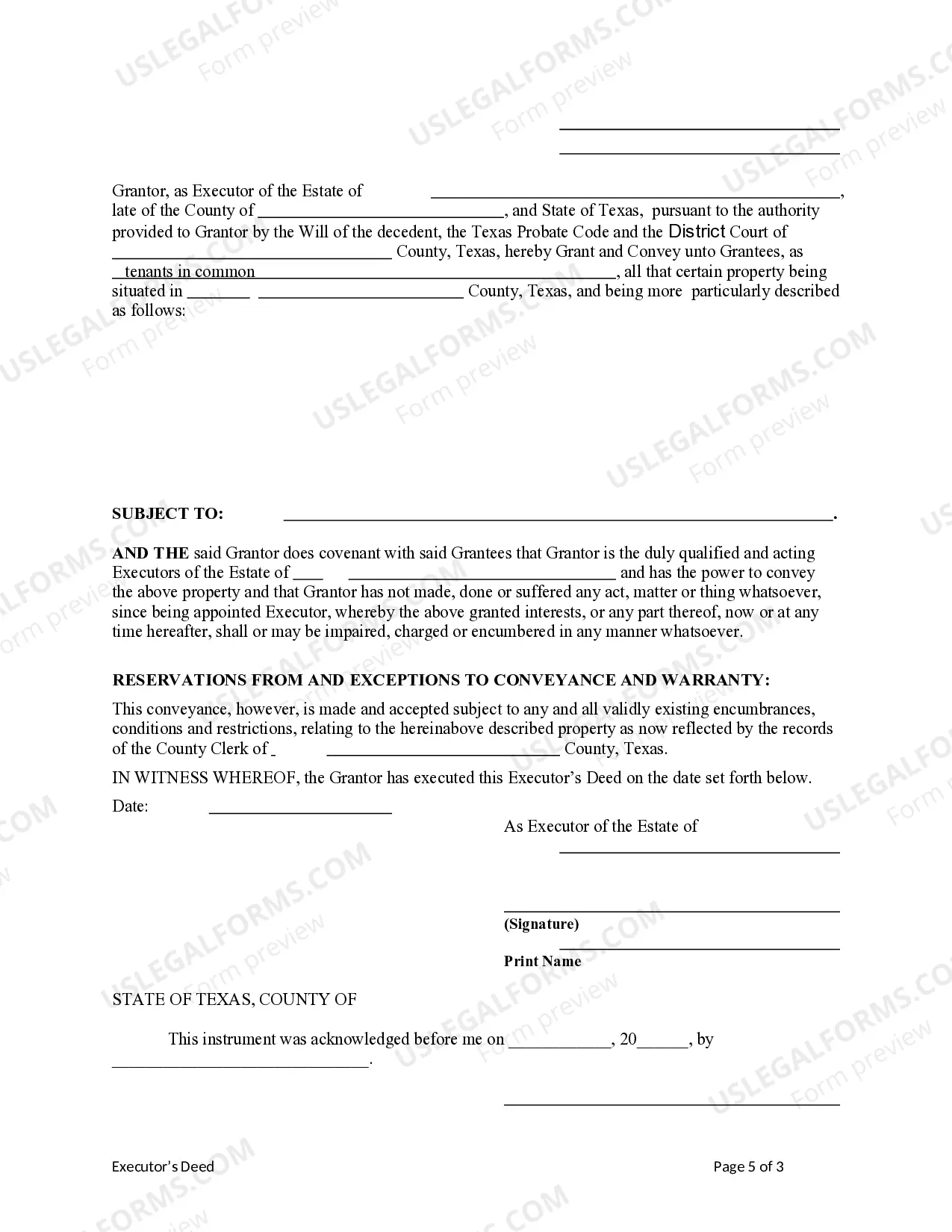

Get your form ready online
Our built-in tools help you complete, sign, share, and store your documents in one place.
Make edits, fill in missing information, and update formatting in US Legal Forms—just like you would in MS Word.
Download a copy, print it, send it by email, or mail it via USPS—whatever works best for your next step.
Sign and collect signatures with our SignNow integration. Send to multiple recipients, set reminders, and more. Go Premium to unlock E-Sign.
If this form requires notarization, complete it online through a secure video call—no need to meet a notary in person or wait for an appointment.
We protect your documents and personal data by following strict security and privacy standards.

Make edits, fill in missing information, and update formatting in US Legal Forms—just like you would in MS Word.

Download a copy, print it, send it by email, or mail it via USPS—whatever works best for your next step.

Sign and collect signatures with our SignNow integration. Send to multiple recipients, set reminders, and more. Go Premium to unlock E-Sign.

If this form requires notarization, complete it online through a secure video call—no need to meet a notary in person or wait for an appointment.

We protect your documents and personal data by following strict security and privacy standards.
Looking for another form?



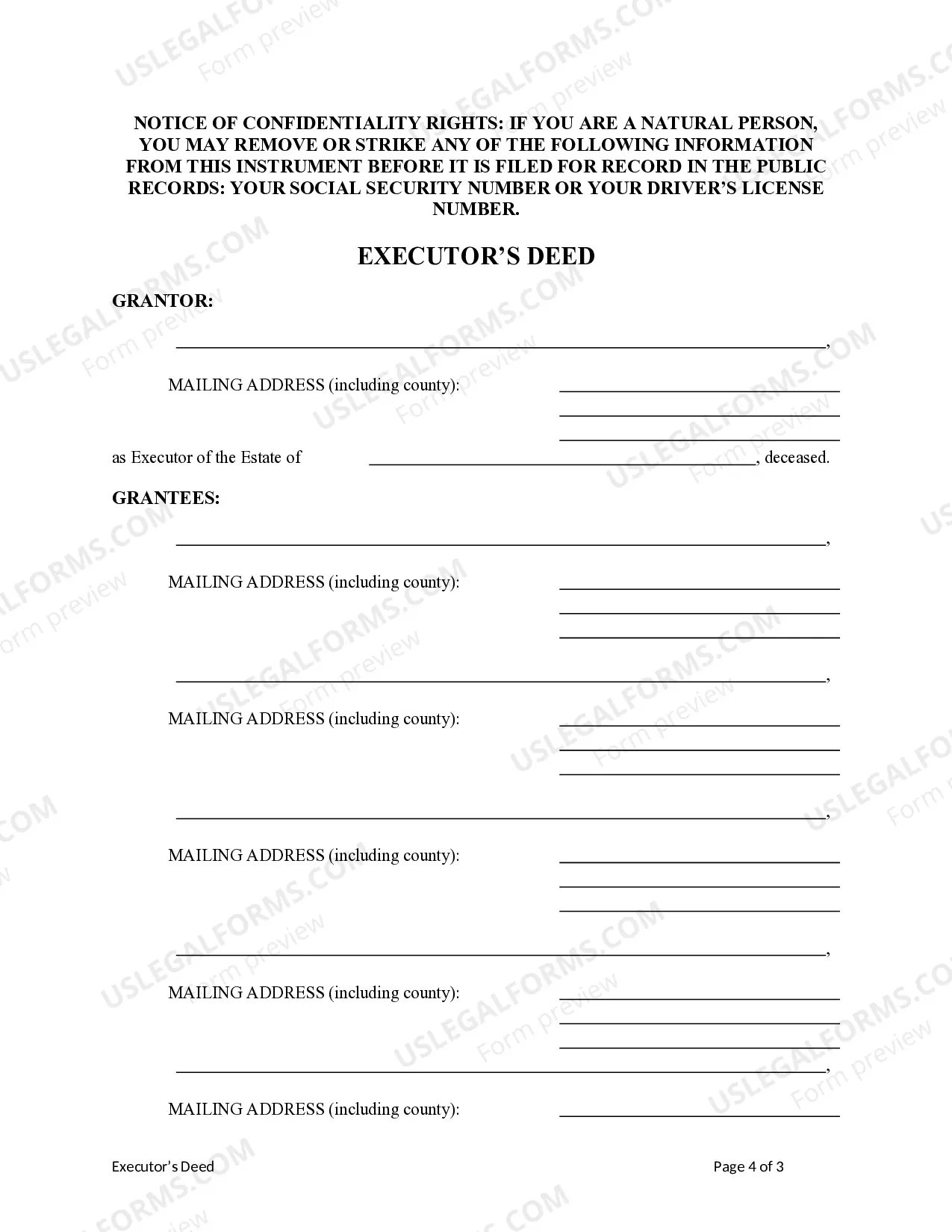
How to fill out Texas Executor's Deed - Estate To Five Beneficiaries?
Acquiring legal document examples that adhere to federal and local laws is crucial, and the web presents numerous choices to select from.
However, what’s the use of expending time hunting for the accurately composed Texas Estates Code Demand For Accounting example on the internet if the US Legal Forms online repository already comprises such templates consolidated in one location.
US Legal Forms is the largest online legal archive featuring over 85,000 fillable templates created by lawyers for various business and personal matters. They are easy to navigate with all documents arranged by state and intended use. Our specialists stay informed about legislative modifications, so you can always trust that your documents are current and compliant when acquiring a Texas Estates Code Demand For Accounting from our site.
Click Buy Now once you have identified the correct form and select a subscription plan. Create an account or Log In and process your payment using PayPal or a credit card. Choose the suitable format for your Texas Estates Code Demand For Accounting and download it. All documents you discover through US Legal Forms are reusable. To re-download and finalize previously saved forms, access the My documents tab in your account. Take advantage of the most comprehensive and user-friendly legal document service!
- Acquiring a Texas Estates Code Demand For Accounting is straightforward and quick for both existing and new users.
- If you already possess an account with an active subscription, Log In and retrieve the document template you require in the appropriate format.
- If you are a newcomer to our site, adhere to the instructions below.
- Examine the template using the Preview feature or via the text description to confirm it suits your requirements.
- If needed, find a different sample using the search bar at the top of the page.
Form popularity
FAQ
Section 252.201 of the Texas Estates Code pertains to the requirements for a demand for accounting in guardianship disputes. It outlines who may request an accounting and what information must be included in the demand. Familiarity with this section can enhance your ability to navigate complex guardianship issues, particularly in relation to the Texas estates code demand for accounting.
The State of Utah allows for two types of guardianship. These include a plenary (full) or limited guardianship. A Plenary guardianship transfers all rights from a ward to a guardian.
Appoint a temporary guardian whose authority may not last longer than 6 months; or. appoint an attorney to represent the minor.
Procedure for appointing a guardian Petition to appoint a guardian. Any adult may file the petition. ... Service of the petition and notice of hearing. ... Objecting to the petition. ... Lawyer for the respondent. ... Examination of the respondent. ... Court visitor. ... Mediation. ... Hearing.
Additionally, the court can consider the children's desires. However, their desires are not controlling. The court gives added weight to the desires of children who are at least 14 years old, but this is still only one factor. The judge does not give either parent a preference due to the parent's gender.
Under Utah Code Section 75-5-408(3), the court may appoint a temporary conservator to serve until further order of the court. There are no court forms for requesting an emergency or temporary guardian or temporary conservator.