Texas Estates Code Affidavit Of Heirship
Description
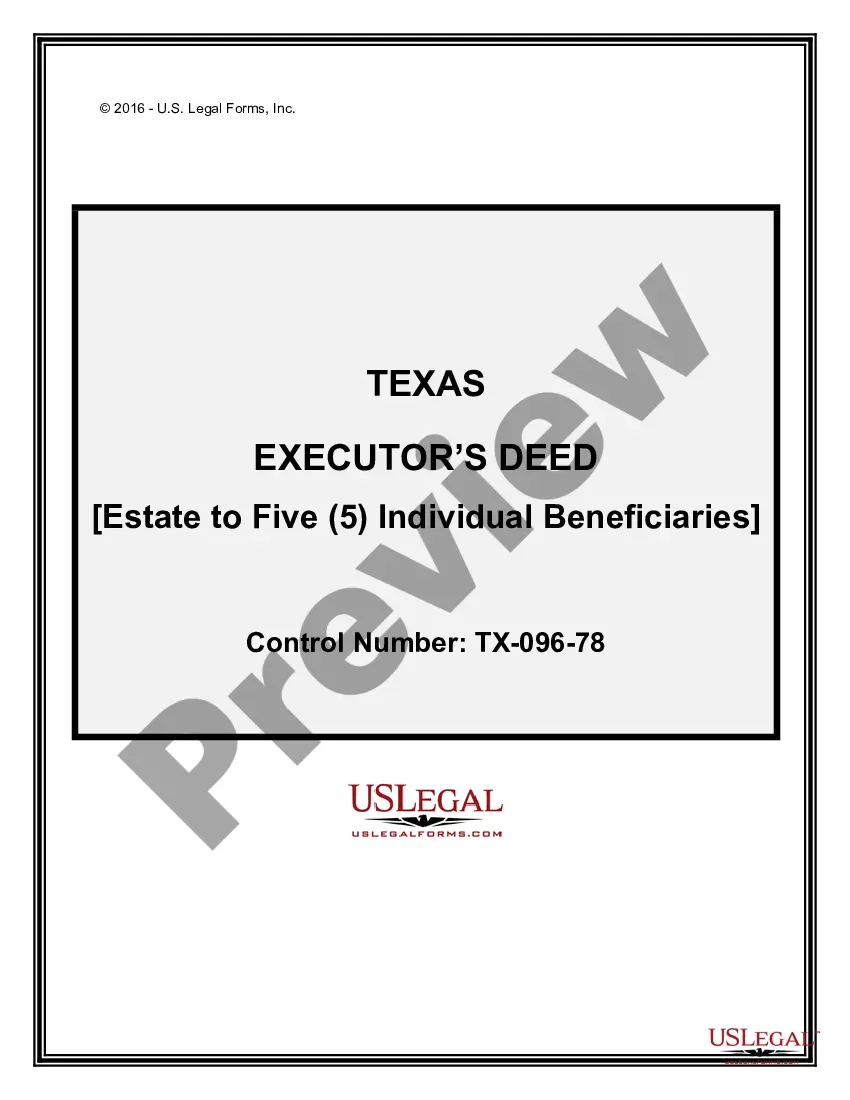
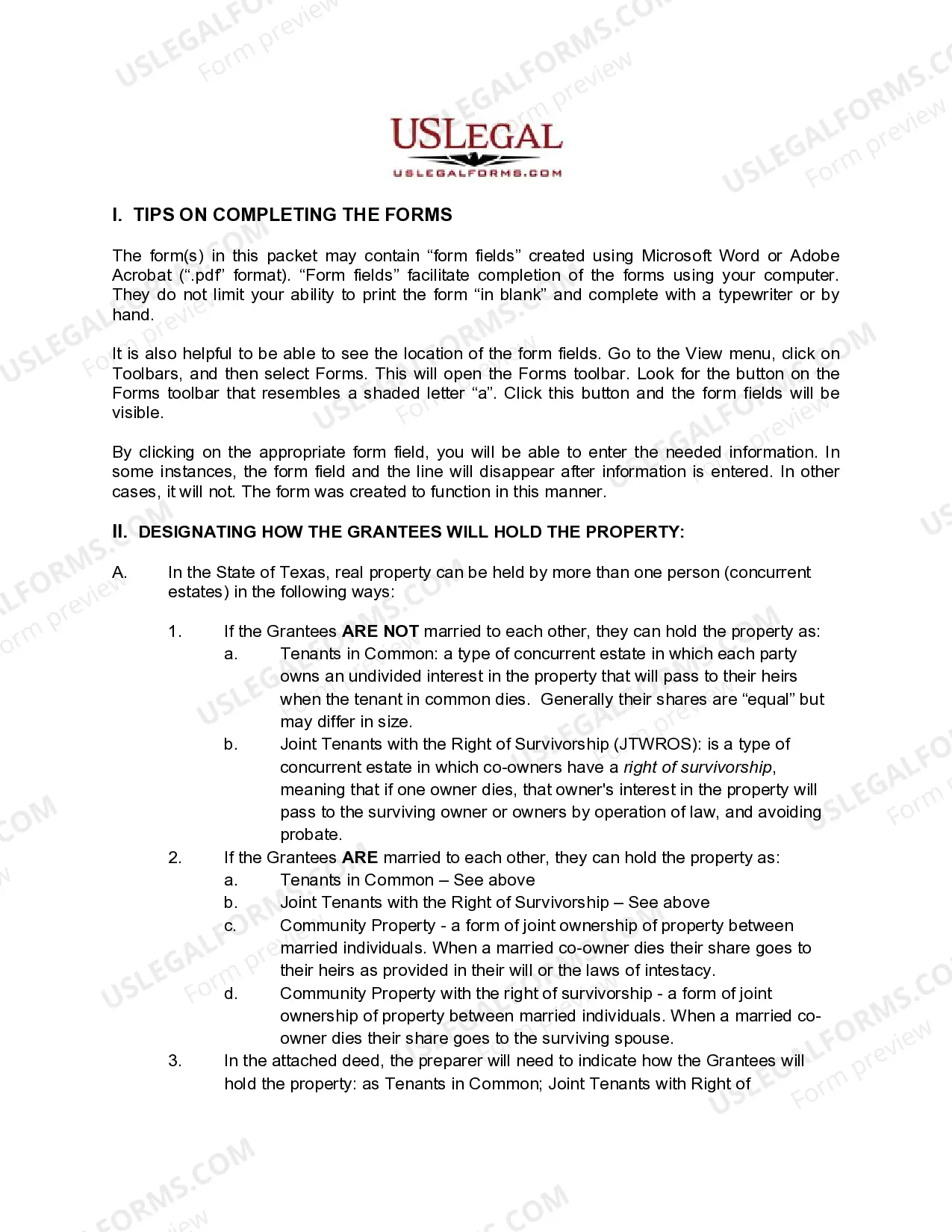
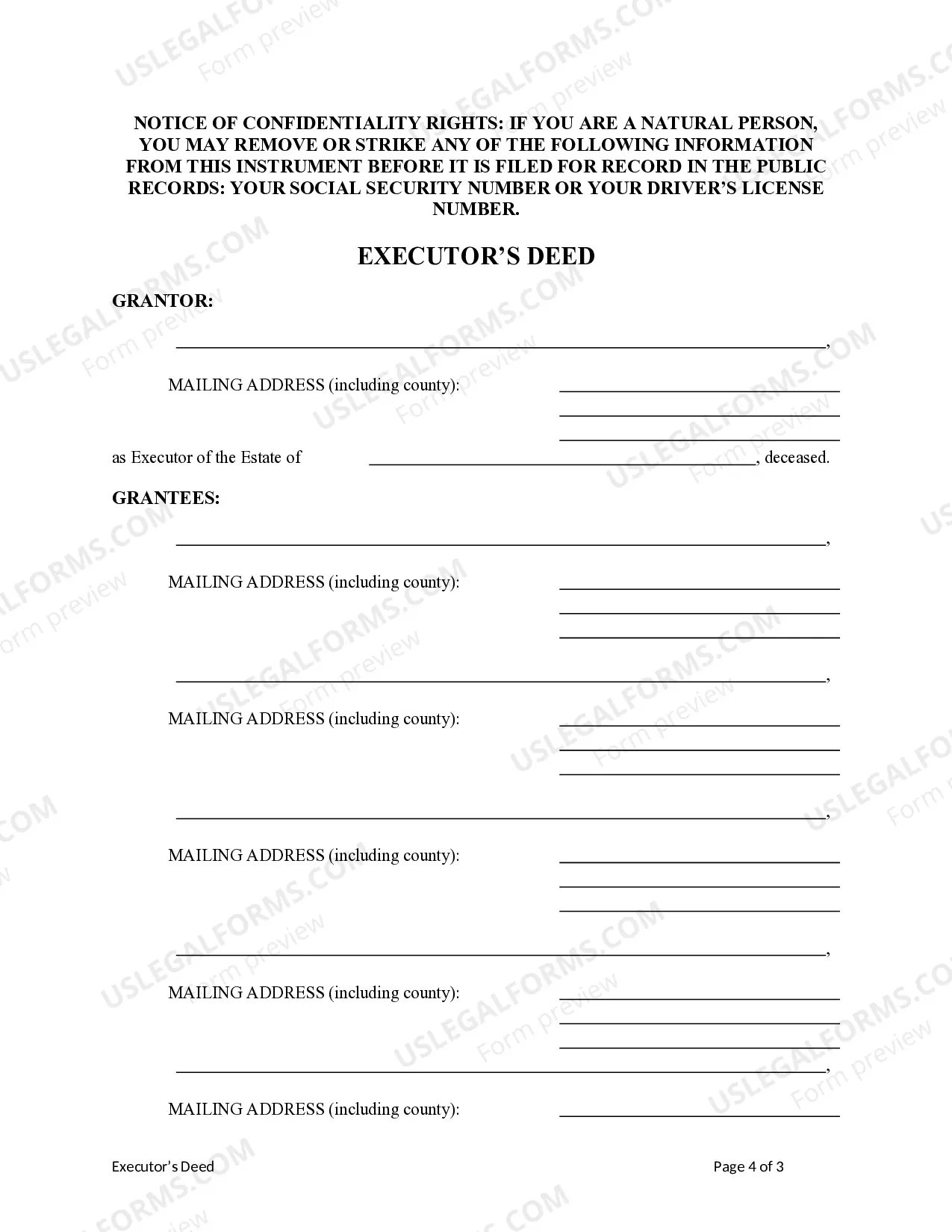
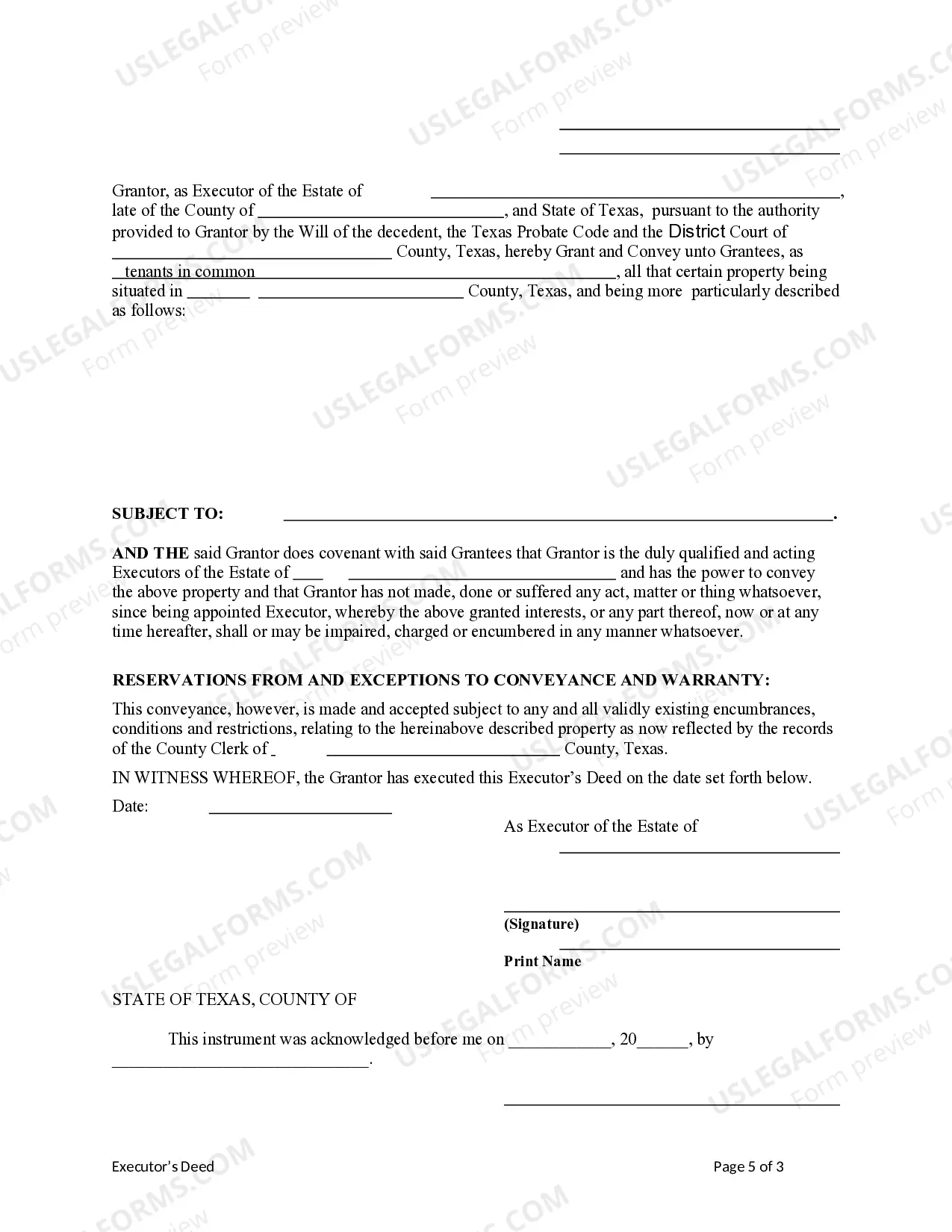
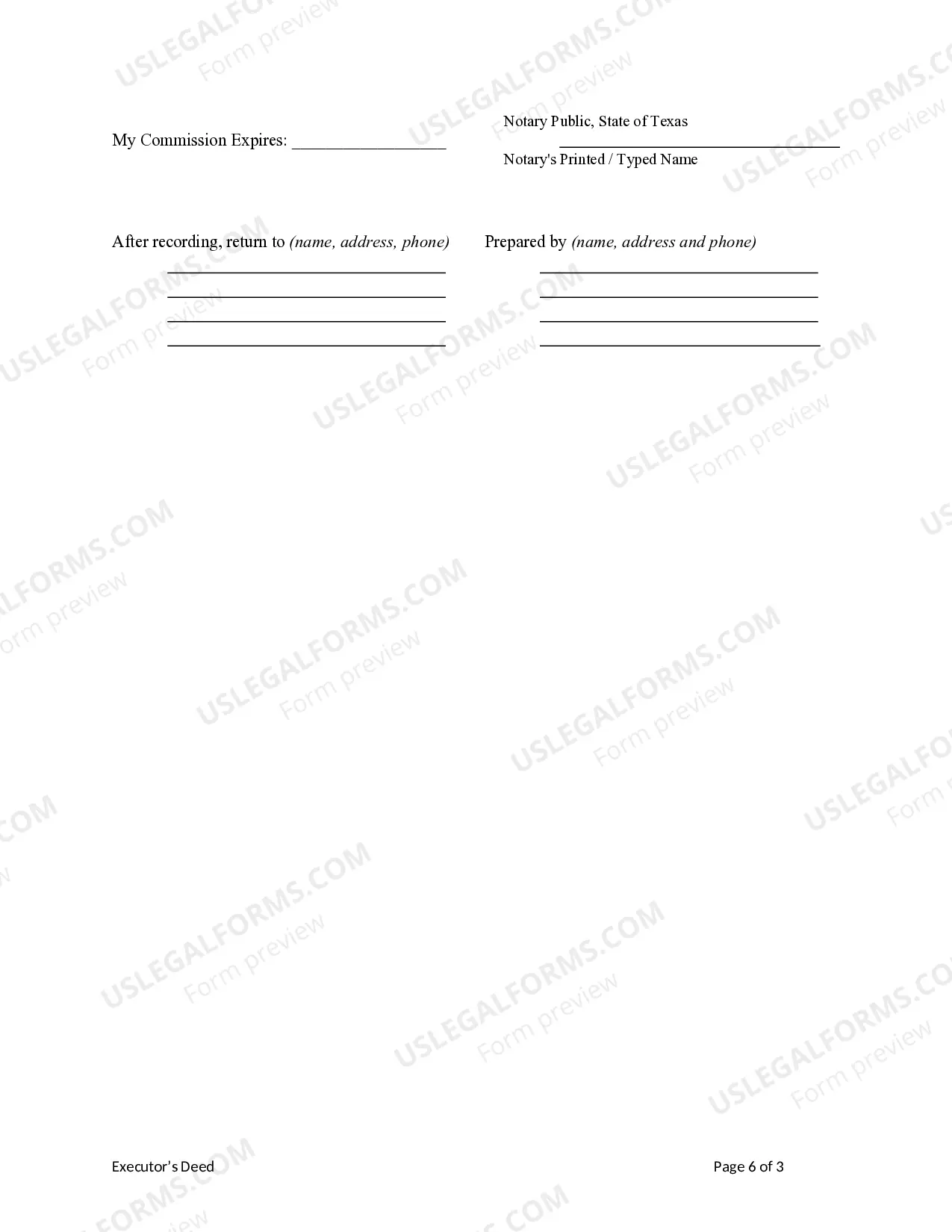

Get your form ready online
Our built-in tools help you complete, sign, share, and store your documents in one place.
Make edits, fill in missing information, and update formatting in US Legal Forms—just like you would in MS Word.
Download a copy, print it, send it by email, or mail it via USPS—whatever works best for your next step.
Sign and collect signatures with our SignNow integration. Send to multiple recipients, set reminders, and more. Go Premium to unlock E-Sign.
If this form requires notarization, complete it online through a secure video call—no need to meet a notary in person or wait for an appointment.
We protect your documents and personal data by following strict security and privacy standards.

Make edits, fill in missing information, and update formatting in US Legal Forms—just like you would in MS Word.

Download a copy, print it, send it by email, or mail it via USPS—whatever works best for your next step.

Sign and collect signatures with our SignNow integration. Send to multiple recipients, set reminders, and more. Go Premium to unlock E-Sign.

If this form requires notarization, complete it online through a secure video call—no need to meet a notary in person or wait for an appointment.

We protect your documents and personal data by following strict security and privacy standards.
Looking for another form?
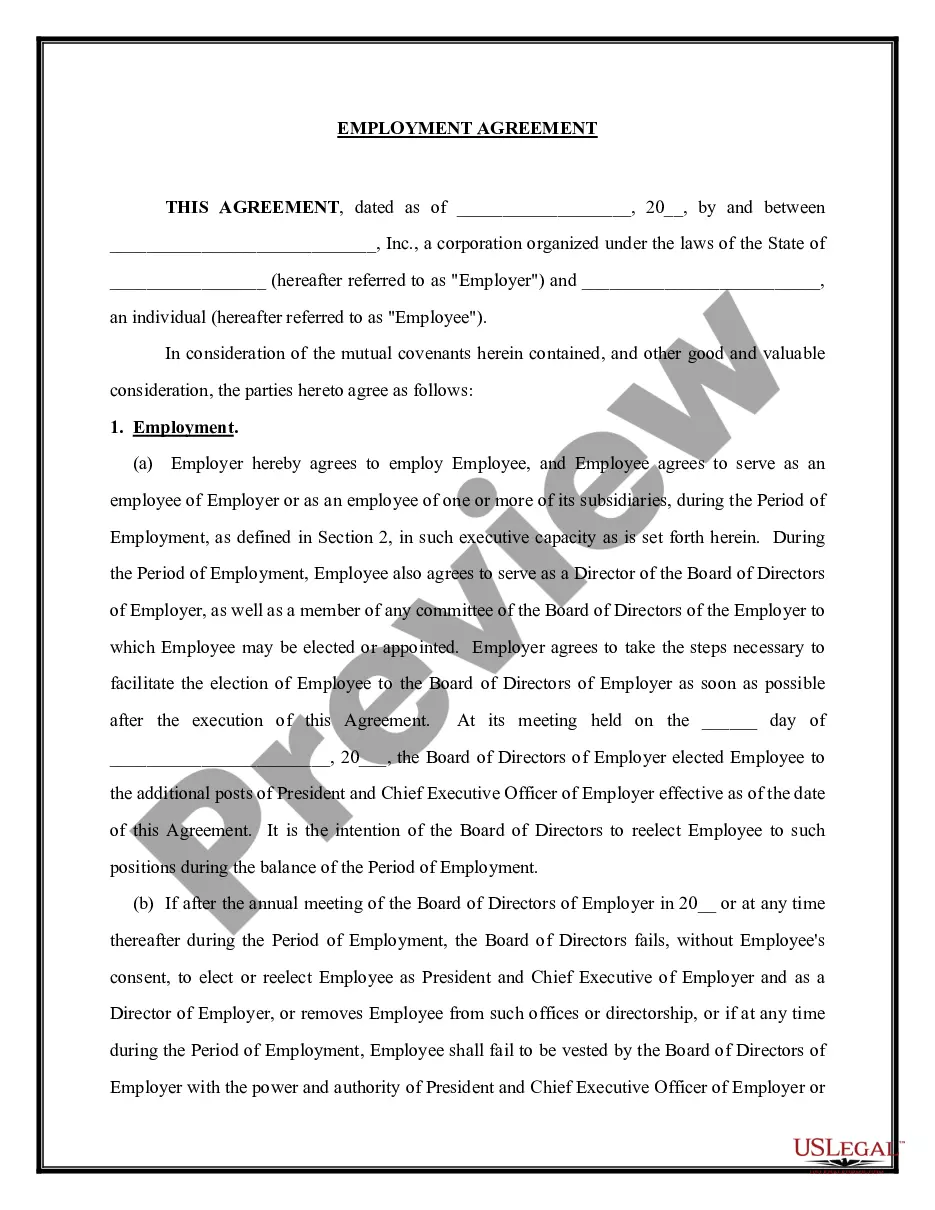
How to fill out Texas Executor's Deed - Estate To Five Beneficiaries?
Securing a reliable source for the latest and pertinent legal templates is a significant part of dealing with bureaucracy. Identifying the correct legal documents necessitates precision and meticulousness, which is why it is crucial to obtain samples of the Texas Estates Code Affidavit Of Heirship solely from trustworthy providers, such as US Legal Forms. An incorrect template will squander your time and hinder your situation. With US Legal Forms, your concerns are minimal. You can access and review all information concerning the document’s application and relevance to your situation and in your jurisdiction.
Consider the following steps to complete your Texas Estates Code Affidavit Of Heirship.
Eliminate the stress that comes with your legal paperwork. Discover the extensive US Legal Forms library where you can find legal templates, assess their relevance to your situation, and download them instantly.
- Use the catalog navigation or search bar to locate your template.
- Open the form’s details to verify if it meets the criteria for your state and region.
- View the form preview, if available, to confirm that it is the form you need.
- Return to the search if the Texas Estates Code Affidavit Of Heirship does not fulfill your requirements to find the correct document.
- If you are certain about the form’s applicability, proceed to download it.
- If you are an existing customer, click Log in to verify and access your selected forms in My documents.
- If you do not have an account yet, click Buy now to obtain the form.
- Select a pricing plan that fits your needs.
- Proceed to register to complete your purchase.
- Conclude your transaction by selecting a payment method (credit card or PayPal).
- Choose the document format for downloading the Texas Estates Code Affidavit Of Heirship.
- After obtaining the form on your device, you can modify it using an editor or print it and fill it out by hand.
Form popularity
FAQ
An affidavit of heirship must be signed and sworn to before a notary public by a person who knew the decedent and the decedent's family history. This person can be a friend of the decedent, an old friend of the family, or a neighbor, for example.
If the deceased property owner had a Will stating who the property should be transferred to, the Will should be filed for Probate within 4 years of the date of death. The property may subsequently be transferred or sold by the Executor named in the Will ing to the wishes of the deceased owner.
When using an affidavit of heirship in Texas, the witnesses must swear to the following conditions: They knew the decedent. The decedent did not owe any debts. The true identity of the family members and heirs. The person died on a certain date in a certain place. The witness will not gain financially from the estate.
An affidavit of heirship should be signed by two disinterested witnesses. To qualify as a disinterested witness, one must be knowledgeable about the deceased and his or her family history, but cannot benefit financially from the estate.
In intestate succession, spouses inherit first, then children, then parents and siblings. Stepchildren do not automatically receive a share of the estate unless the decedent legally adopted them. Grandchildren only inherit when the decedent's children are not alive to receive their share of an inheritance.