Texas Correction Grantor Contract With The Us
Description
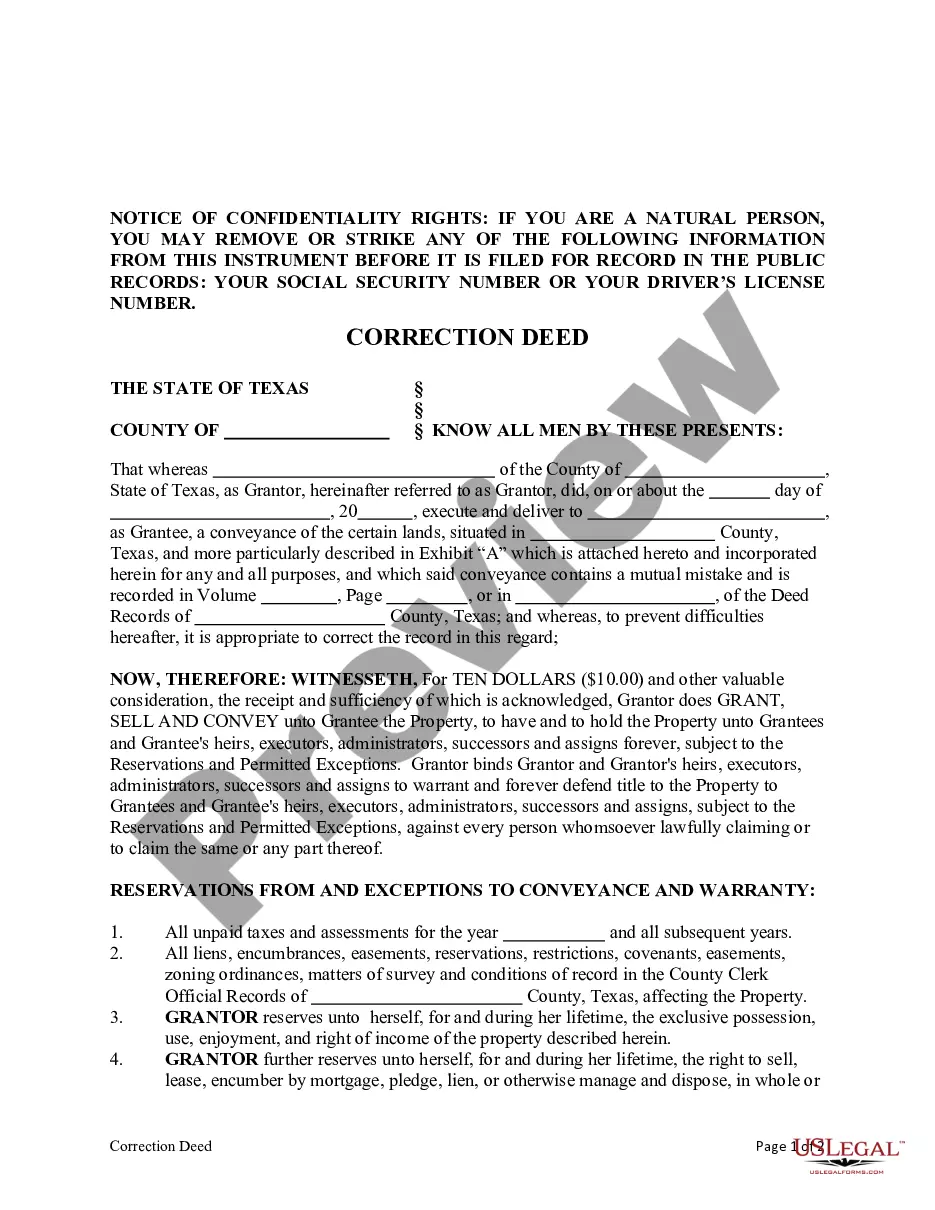
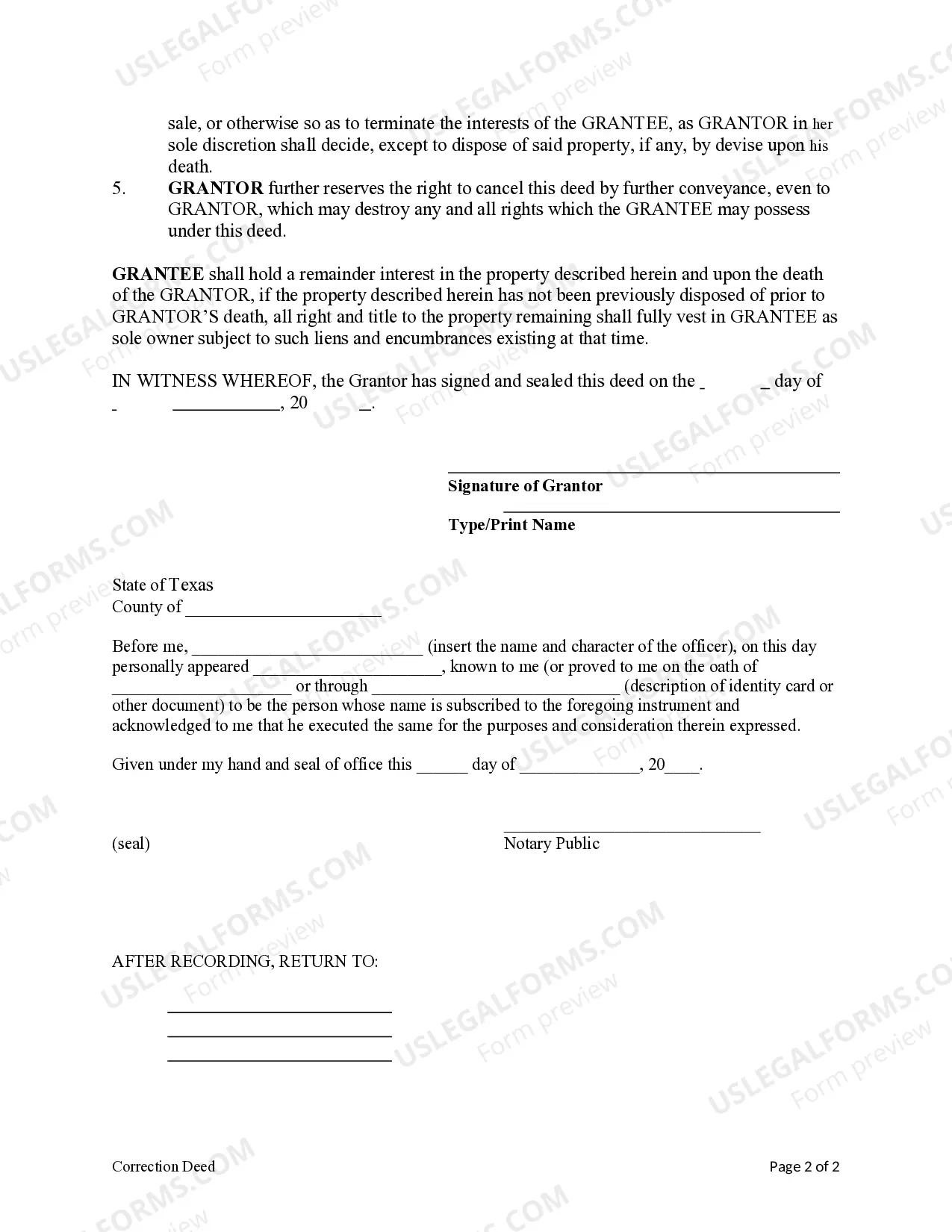
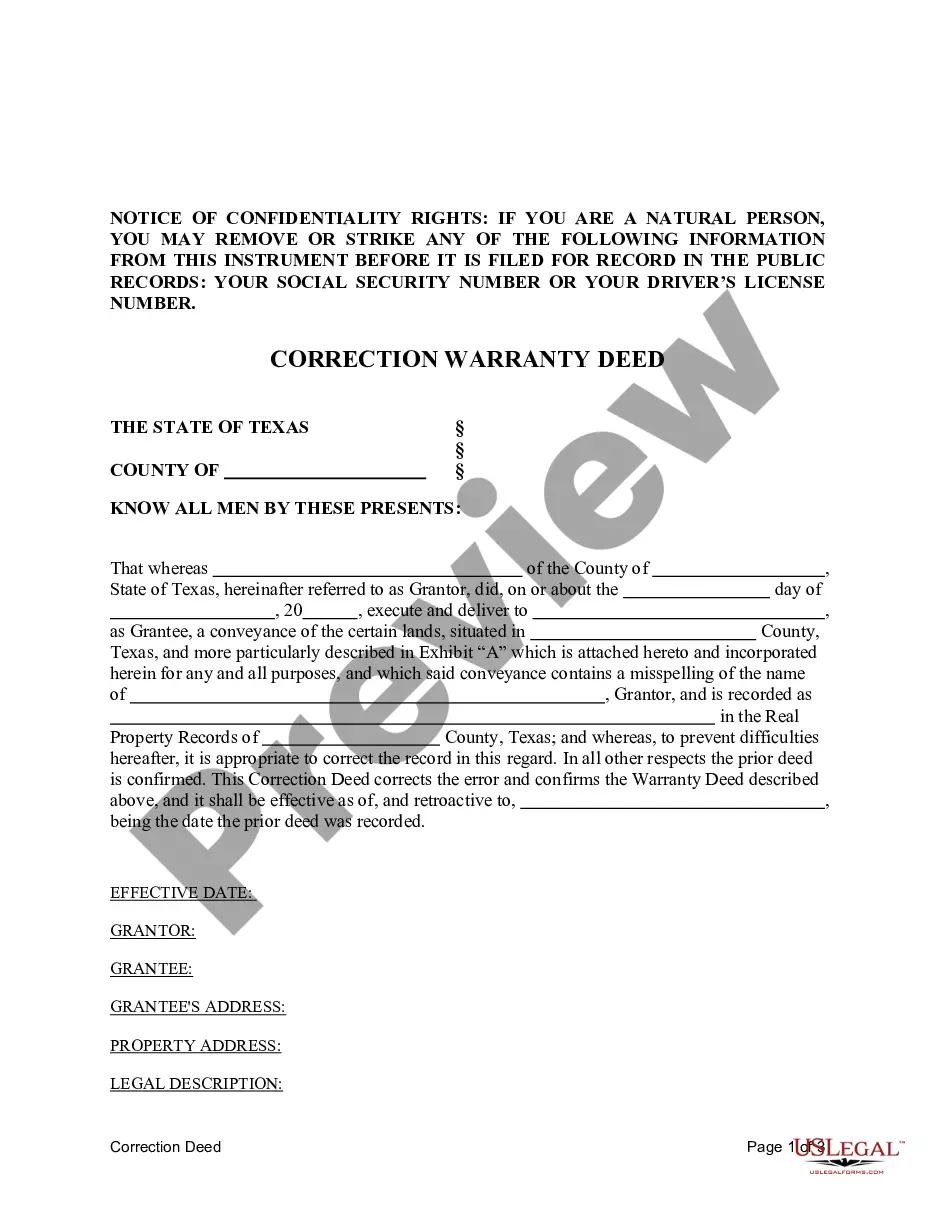
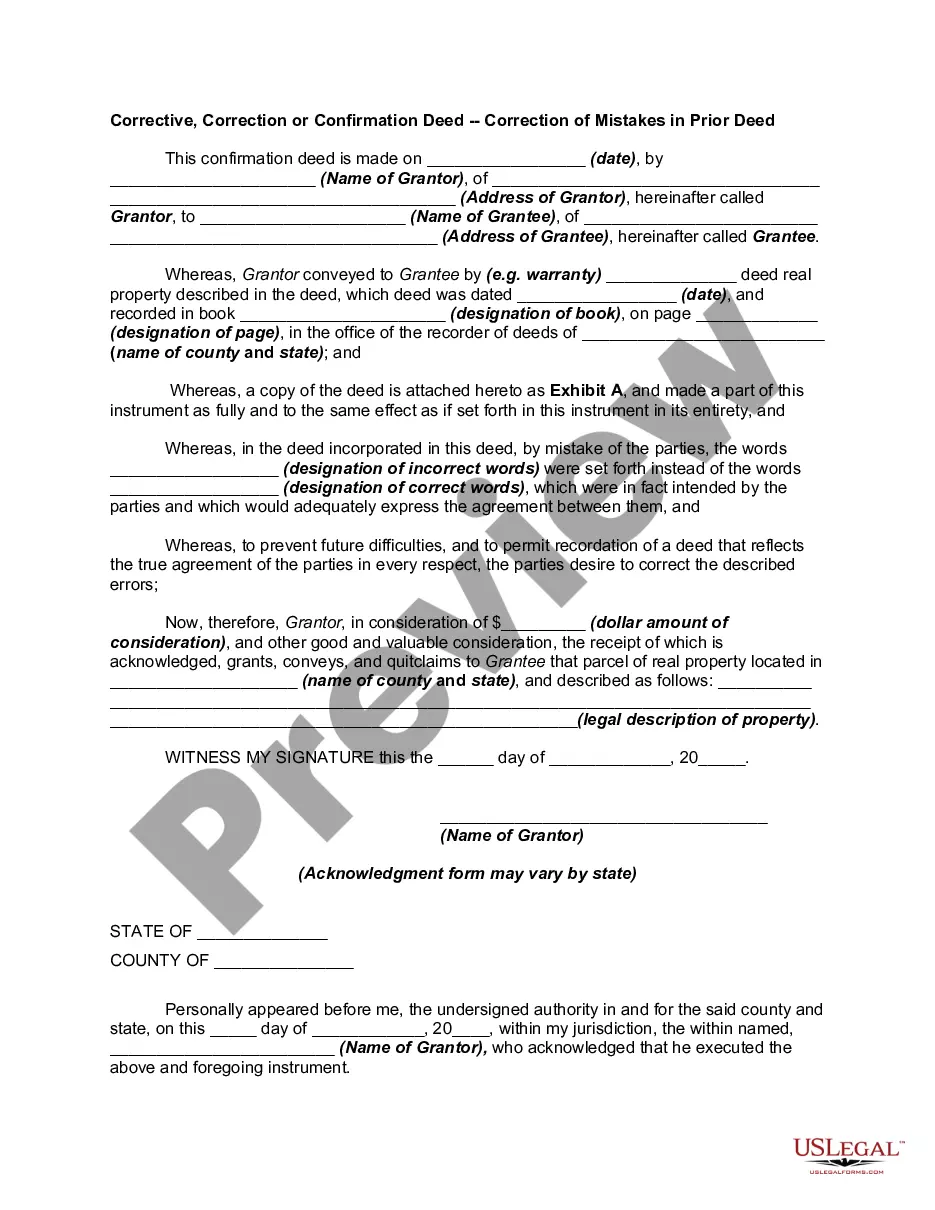

Get your form ready online
Our built-in tools help you complete, sign, share, and store your documents in one place.
Make edits, fill in missing information, and update formatting in US Legal Forms—just like you would in MS Word.
Download a copy, print it, send it by email, or mail it via USPS—whatever works best for your next step.
Sign and collect signatures with our SignNow integration. Send to multiple recipients, set reminders, and more. Go Premium to unlock E-Sign.
If this form requires notarization, complete it online through a secure video call—no need to meet a notary in person or wait for an appointment.
We protect your documents and personal data by following strict security and privacy standards.

Make edits, fill in missing information, and update formatting in US Legal Forms—just like you would in MS Word.

Download a copy, print it, send it by email, or mail it via USPS—whatever works best for your next step.

Sign and collect signatures with our SignNow integration. Send to multiple recipients, set reminders, and more. Go Premium to unlock E-Sign.

If this form requires notarization, complete it online through a secure video call—no need to meet a notary in person or wait for an appointment.

We protect your documents and personal data by following strict security and privacy standards.
Looking for another form?


How to fill out Texas Correction Deed - Prior Deed From An Individual To An Individual?
- Log in to your US Legal Forms account if you are a returning user and access the Download button to retrieve your form. Ensure your subscription is active; renew if necessary.
- For first-time users, start by browsing the Preview mode and form descriptions. Confirm you're selecting the form that meets your legal needs and aligns with local regulations.
- If you encounter discrepancies, use the Search tab to find the correct template suited to your requirements.
- Purchase your chosen document by clicking on the Buy Now button, selecting your preferred subscription plan, and creating an account to access the form library.
- Complete your payment by entering your credit card information or linking your PayPal account to finalize the subscription.
- Once purchased, you can download your form to your device. You will also have access to it at any time through the My Forms section in your profile.
In conclusion, US Legal Forms enables users to effortlessly manage and complete legal documents. With a vast library and expert assistance, you'll find the right tools to ensure accuracy and compliance in your legal affairs. Explore US Legal Forms today for a seamless experience in obtaining your Texas correction grantor contract!
Form popularity
FAQ
To fill out a Texas warranty deed, gather essential information such as the legal description of the property and the names of the parties involved. Clearly outline the warranty language that protects the grantee from any title disputes. If you prefer guidance, platforms like uslegalforms offer user-friendly templates tailored for the Texas correction grantor contract with the us.
In Texas, a correction deed can be filed by any party involved in the original transaction, including the grantor or grantee. Additionally, a representative or agent can file the deed if they hold the proper power of attorney. This is particularly important for maintaining accurate records related to the Texas correction grantor contract with the us.
While it is not legally required to hire a lawyer for a warranty deed in Texas, doing so can provide valuable guidance through the complexities of property law. A lawyer can ensure that the deed complies with Texas laws and can help resolve any issues that arise. If you're uncertain, consider consulting legal resources or services like uslegalforms that can assist you with the process.
A corrective deed is used to fix errors in a previously recorded deed. For example, if a grantor's name was misspelled, a corrective deed can be drafted to accurately reflect the correct name without altering the essence of the original transfer. This process often ties back to the Texas correction grantor contract with the us to ensure clarity in property titles.
Filling out a warranty form involves providing essential details about the property, such as the legal description and the names of the grantor and grantee. Make sure to clearly state the warranty you are offering by including specific covenants of title. If you encounter difficulties, consider using the templates available on the uslegalforms platform, which can guide you through the process seamlessly.
Yes, a quit claim deed must be notarized in Texas for it to be valid. This notarization ensures that the identity of the signers is verified and protects against future disputes. By following this requirement, you can help ensure the legality of the transfer of property ownership, aligning with the Texas correction grantor contract with the us.
The weakest form of deed is often seen as the quitclaim deed. It transfers ownership without any guarantees regarding the title's validity, leaving the recipient with potential legal uncertainties. Because of this lack of protection, it is advisable to consider stronger forms of deeds, such as the Texas correction grantor contract with the us. This ensures better security and clarity in your property transactions.
To update a deed in Texas, you need to prepare a new deed that reflects the changes you want to make, such as a change in ownership or a correction. After drafting the new deed, you must sign it in front of a notary public and then file it with the county clerk’s office where the property is located. This process ensures that your adjustments are legally recognized. For assistance in preparing a Texas correction grantor contract with the us, consider using resources like uslegalforms.
The least desirable deed is often regarded as the quitclaim deed, primarily because it provides minimal protection. It allows a seller to transfer any interest they have in a property, but without confirming that they hold a valid title. Buyers may find themselves exposed to unforeseen risks, which is why exploring safer options, such as the Texas correction grantor contract with the us, is essential.
The weakest deed is typically a quitclaim deed. This deed transfers ownership without any warranties about the title's integrity, leaving the buyer vulnerable to potential defects or claims on the property. Since a quitclaim deed offers no guarantees, caution is advised when utilizing this option. To ensure your protection, consider stronger alternatives like the Texas correction grantor contract with the us.