Limited Company Meaning
Description


Get your form ready online
Our built-in tools help you complete, sign, share, and store your documents in one place.
Make edits, fill in missing information, and update formatting in US Legal Forms—just like you would in MS Word.
Download a copy, print it, send it by email, or mail it via USPS—whatever works best for your next step.
Sign and collect signatures with our SignNow integration. Send to multiple recipients, set reminders, and more. Go Premium to unlock E-Sign.
If this form requires notarization, complete it online through a secure video call—no need to meet a notary in person or wait for an appointment.
We protect your documents and personal data by following strict security and privacy standards.

Make edits, fill in missing information, and update formatting in US Legal Forms—just like you would in MS Word.

Download a copy, print it, send it by email, or mail it via USPS—whatever works best for your next step.

Sign and collect signatures with our SignNow integration. Send to multiple recipients, set reminders, and more. Go Premium to unlock E-Sign.

If this form requires notarization, complete it online through a secure video call—no need to meet a notary in person or wait for an appointment.

We protect your documents and personal data by following strict security and privacy standards.
Looking for another form?
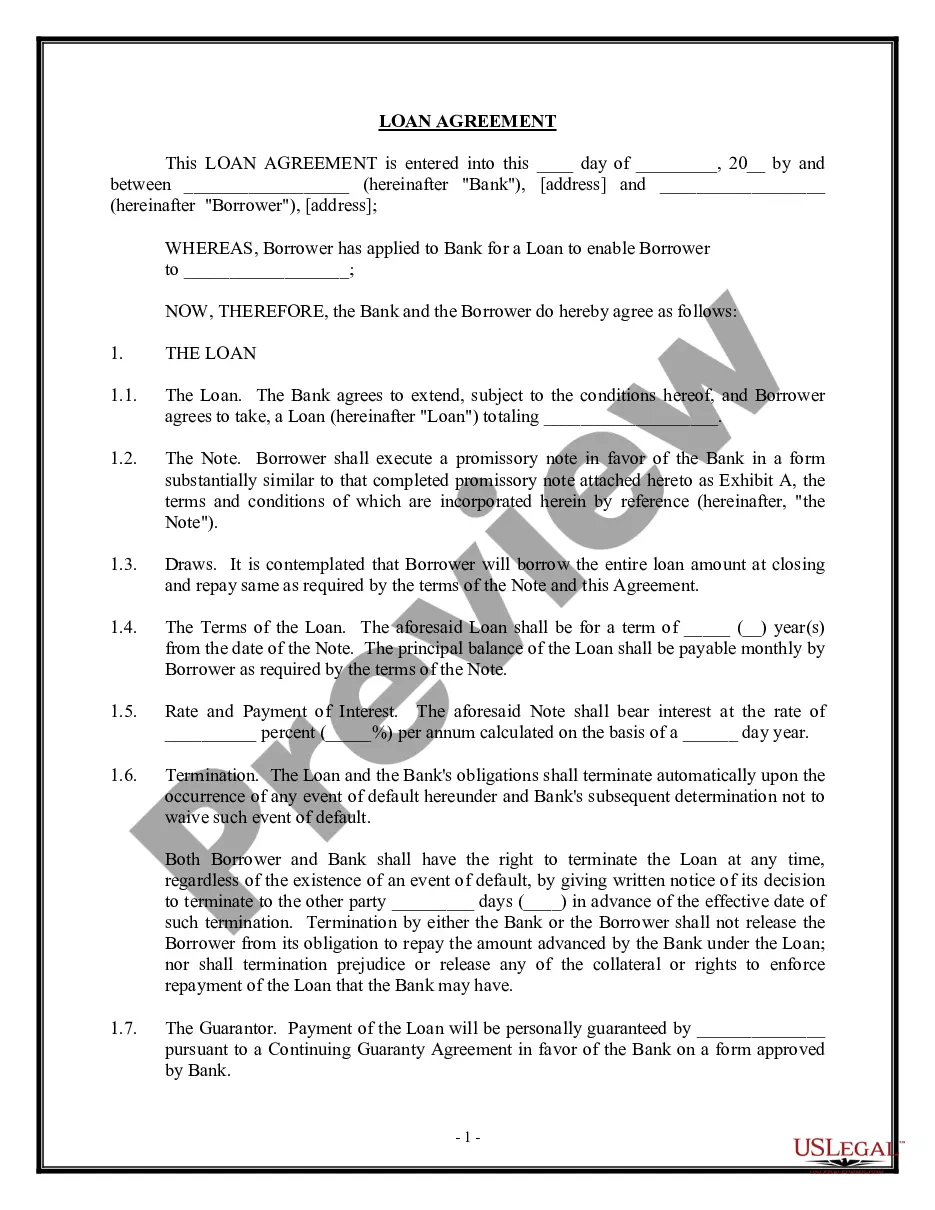
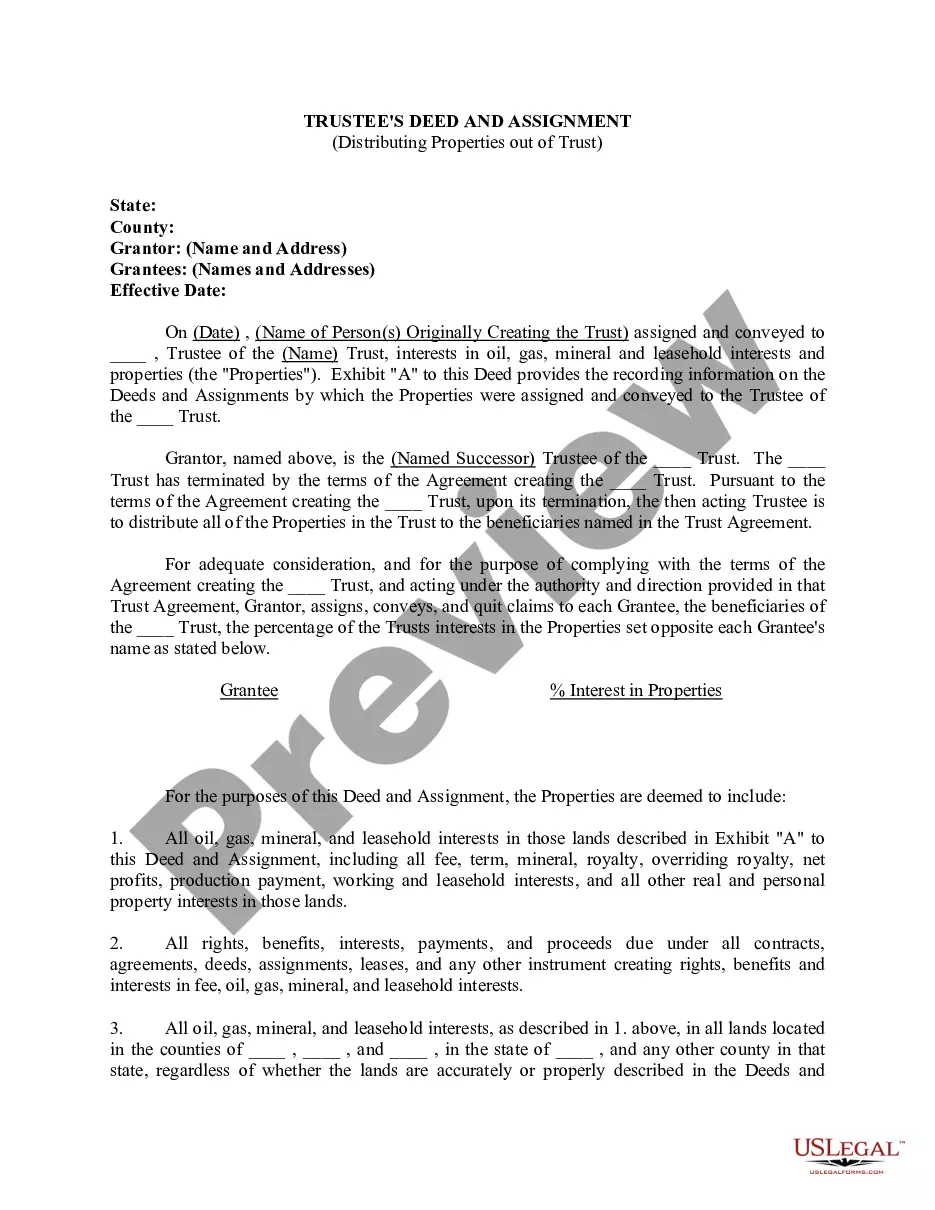
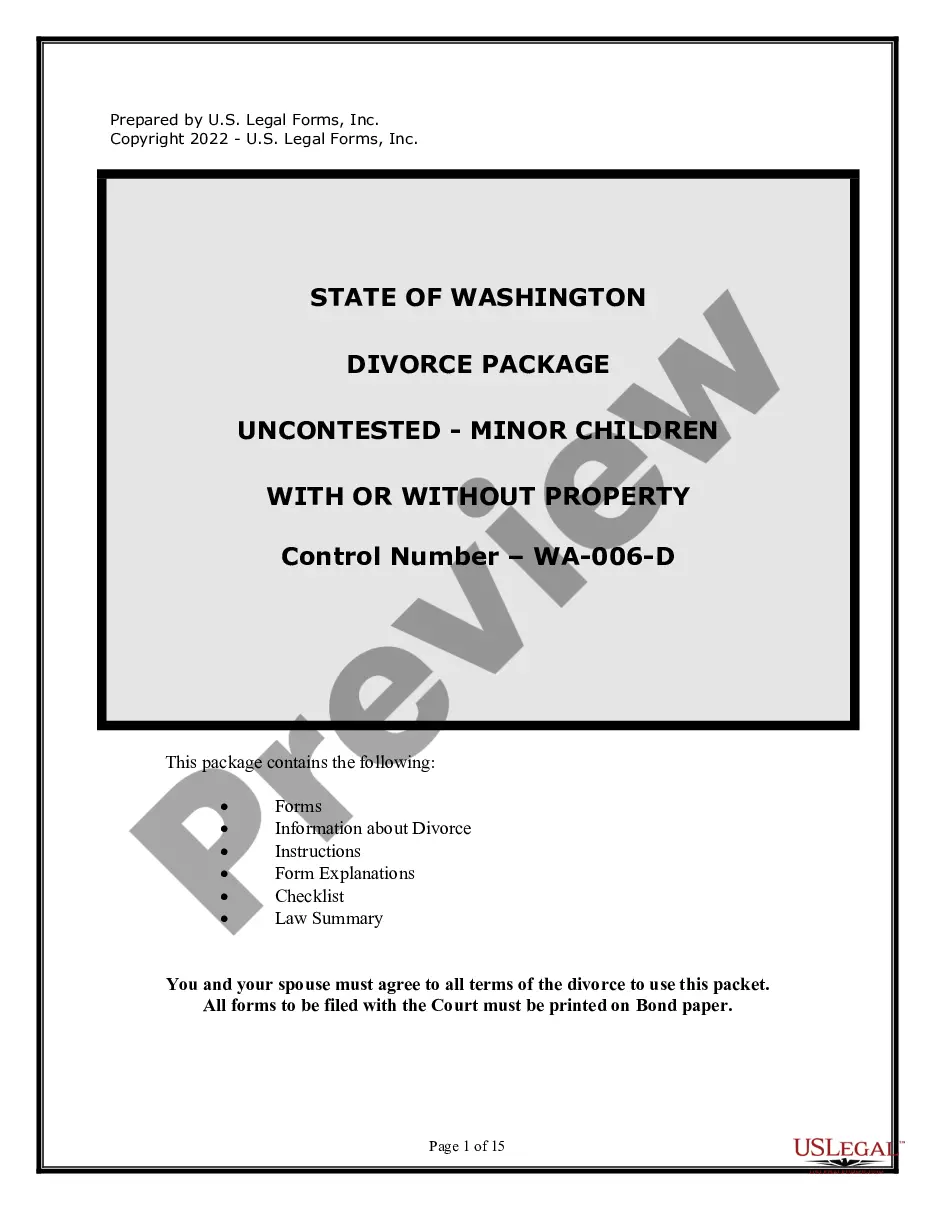
How to fill out Texas Assumption Warranty Deed - Husband And Wife To Limited Liability Company?
- If you're a returning user, log in to your account and download the required form template by clicking the Download button. Ensure your subscription is active. If it's expired, renew it per your payment plan.
- For new users, start by checking Preview mode and the form description to select the correct template that meets your requirements.
- If the template doesn't meet your needs, utilize the Search tab at the top to locate the appropriate one. Proceed to the next step if you find what you need.
- Purchase the selected document by clicking the Buy Now button and choosing your subscription plan. You'll need to register for an account to access the library's resources.
- Complete your transaction by entering credit card details or using your PayPal account to pay for your subscription.
- Download the form on your device. You can also access it anytime from the My Forms menu in your profile.
US Legal Forms is designed to empower both individuals and legal professionals, providing access to a vast library of over 85,000 legal forms, more than any competitor at a similar cost.
Utilizing US Legal Forms ensures you receive precise and legally sound documents, with premium expert assistance available for form completion. Start your journey now!
Form popularity
FAQ
The difference between a limited company and an LLC primarily focuses on structure and regulation. A limited company can refer to various forms of businesses that limit personal liability, while an LLC is a specific classification under state laws. Understanding these distinctions is crucial, and if you need assistance navigating business structures, uslegalforms can provide valuable resources tailored to your needs.
An LLC, or Limited Liability Company, is a specific type of limited company that combines features of both corporations and partnerships. The main difference lies in the management structure and tax treatment. While both offer limited liability, an LLC often has more flexible management options and simpler tax processes, which may be advantageous for small business owners.
If a business is a limited company, it signifies that the business is registered and recognized as a separate legal entity. This offers several advantages, such as limited liability protection and potential tax benefits. Moreover, it means the company must comply with certain legal obligations, including financial reporting and maintaining corporate governance, which can enhance its reputation.
The simple definition of a limited company refers to a type of business organization where the liability of the owners is limited to their investment in the company. This means that personal assets are safeguarded from business risks. In essence, this structure allows entrepreneurs to run their businesses with reduced personal risk, which can encourage growth and innovation.
Being a limited company means that the business structure limits the owners' personal liability. This structure separates personal assets from company debts, protecting personal wealth. Additionally, this form of business can enhance credibility and attract investors, as it indicates a formal commitment to the business's success.
One notable disadvantage of a limited company is the complexity of its formation and operation. You will need to adhere to ongoing legal and financial obligations, which can be burdensome for some entrepreneurs. This may lead to increased costs for accounting and compliance. By recognizing these challenges, you can better comprehend the full limited company meaning and its implications for your business.
If a company is described as having 'limited' in its name, it indicates that the owners' liabilities are restricted to the amount they invested. This means their personal assets are protected if the company faces debts or legal issues. This distinction is a fundamental aspect of the limited company meaning and reflects the structure's legal protections.
The primary objective of a limited company is to generate profits while limiting the financial risk for its owners. This structure allows businesses to attract investment and manage liabilities effectively. Moreover, a clear operational framework supports strategic decision-making. Knowing the limited company meaning assists you in aligning your business goals with this objective.
A limited company needs to file several important documents with state authorities. This typically includes annual reports, financial statements, and tax returns. Keeping up with these filing requirements is crucial for maintaining good standing and avoiding penalties. This clarity enhances your understanding of limited company meaning and its operational obligations.
While a limited company offers various benefits, it also comes with disadvantages. These may include higher administrative costs and regulatory requirements compared to sole proprietorships. Additionally, profits may be subject to double taxation, where both corporate and personal income taxes apply. Understanding these aspects is essential to grasp the full limited company meaning.