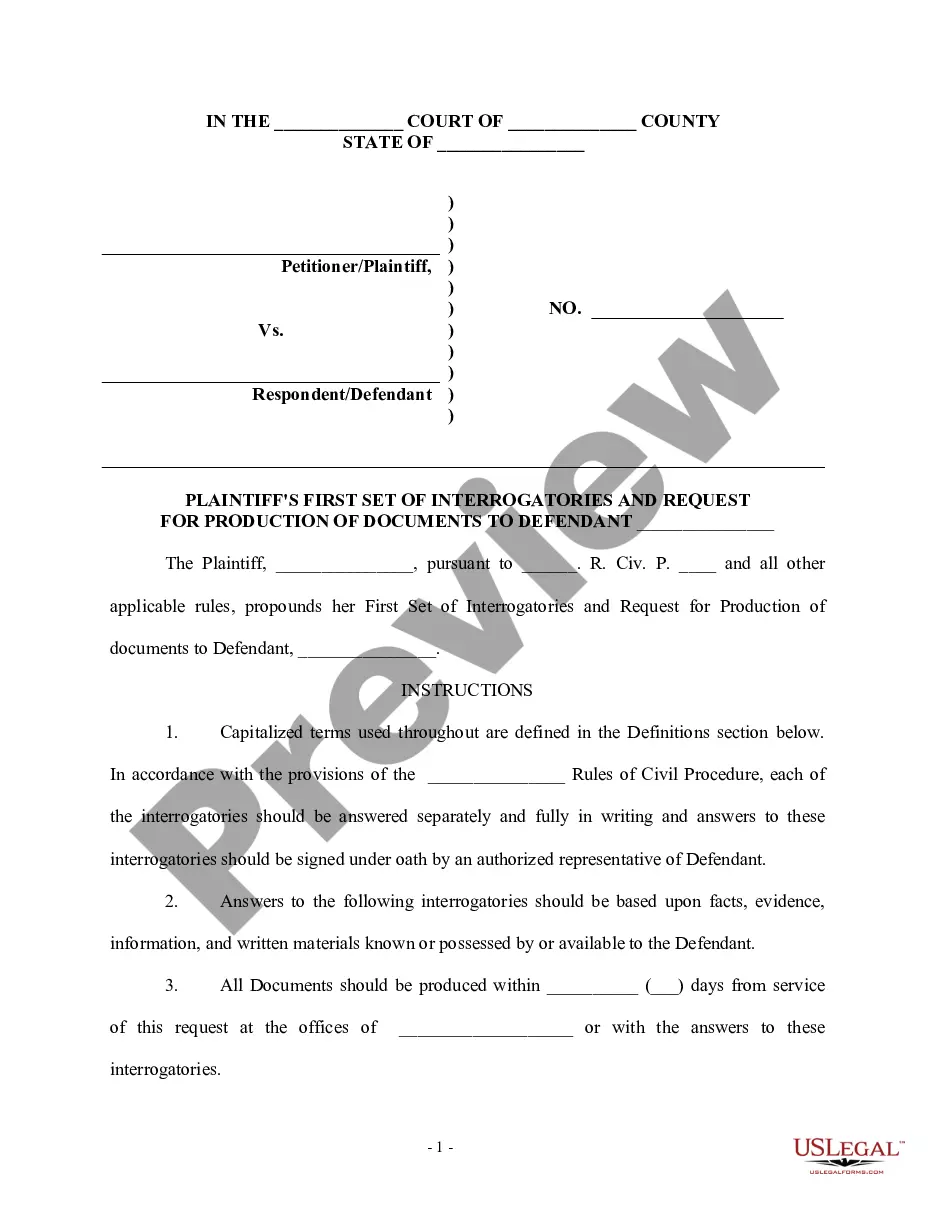
Texas Interrogatories Sample With Divorce Cases
Description
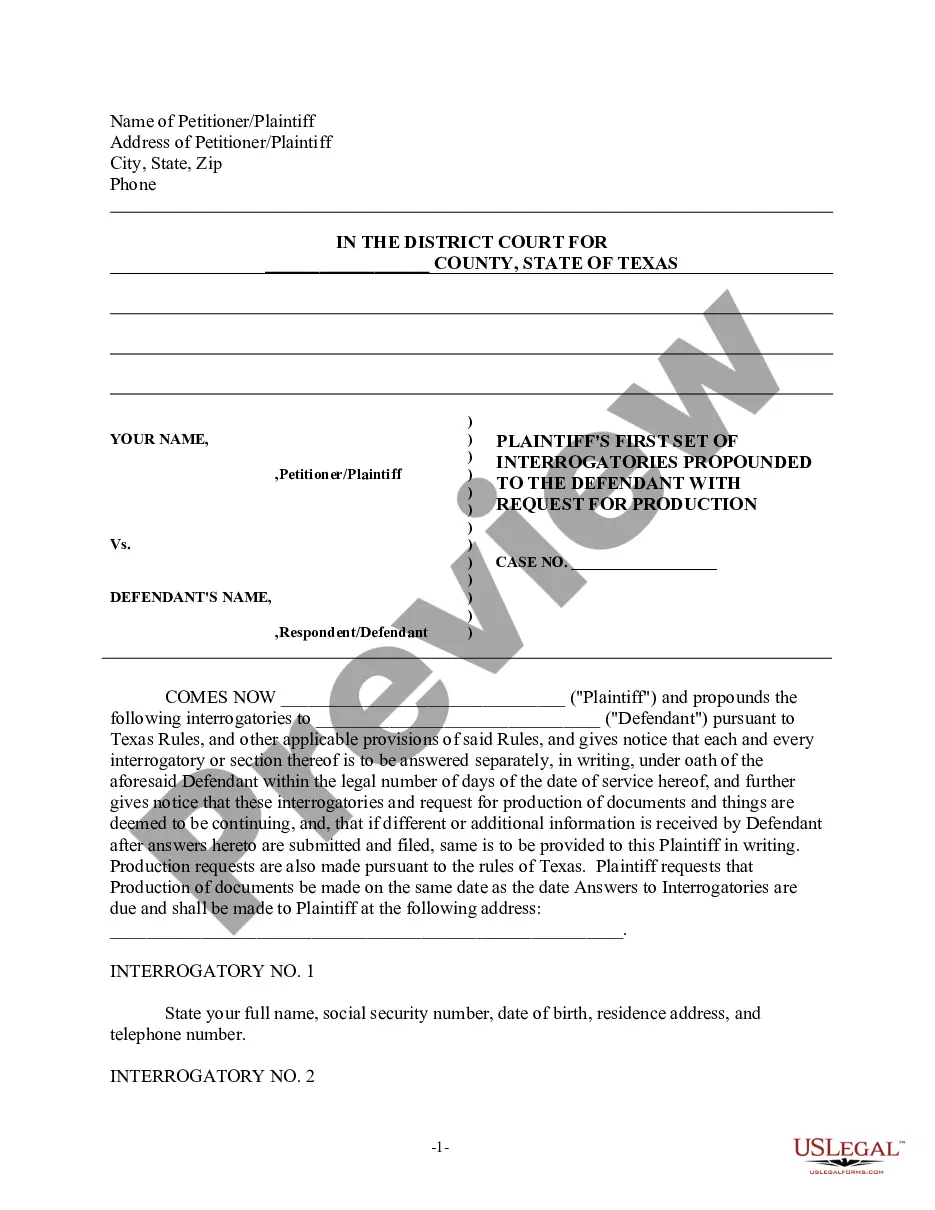
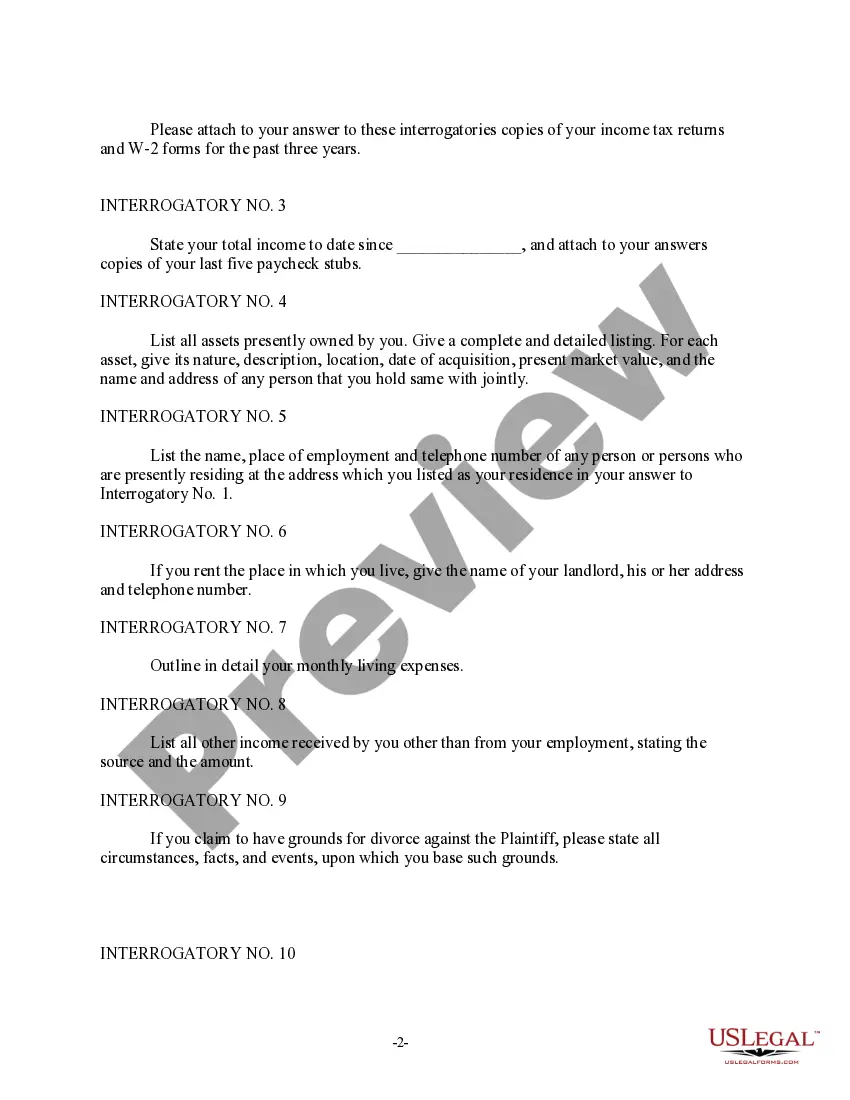
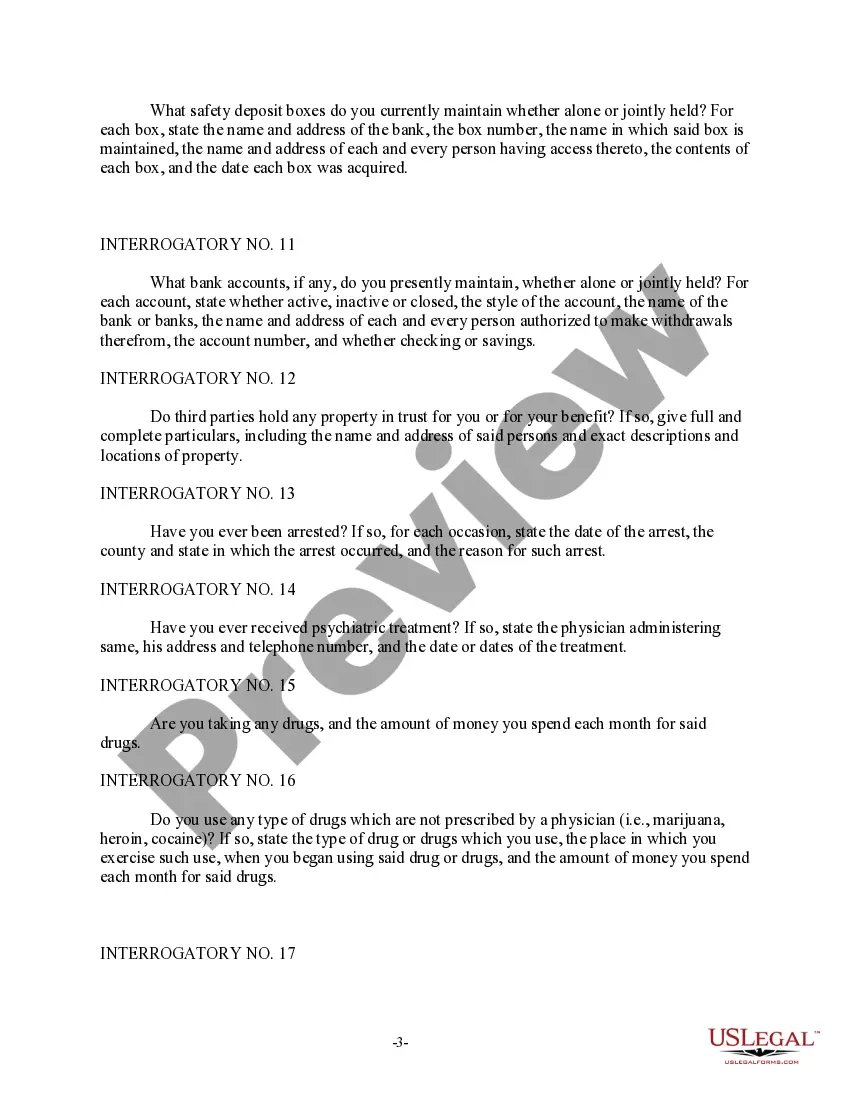
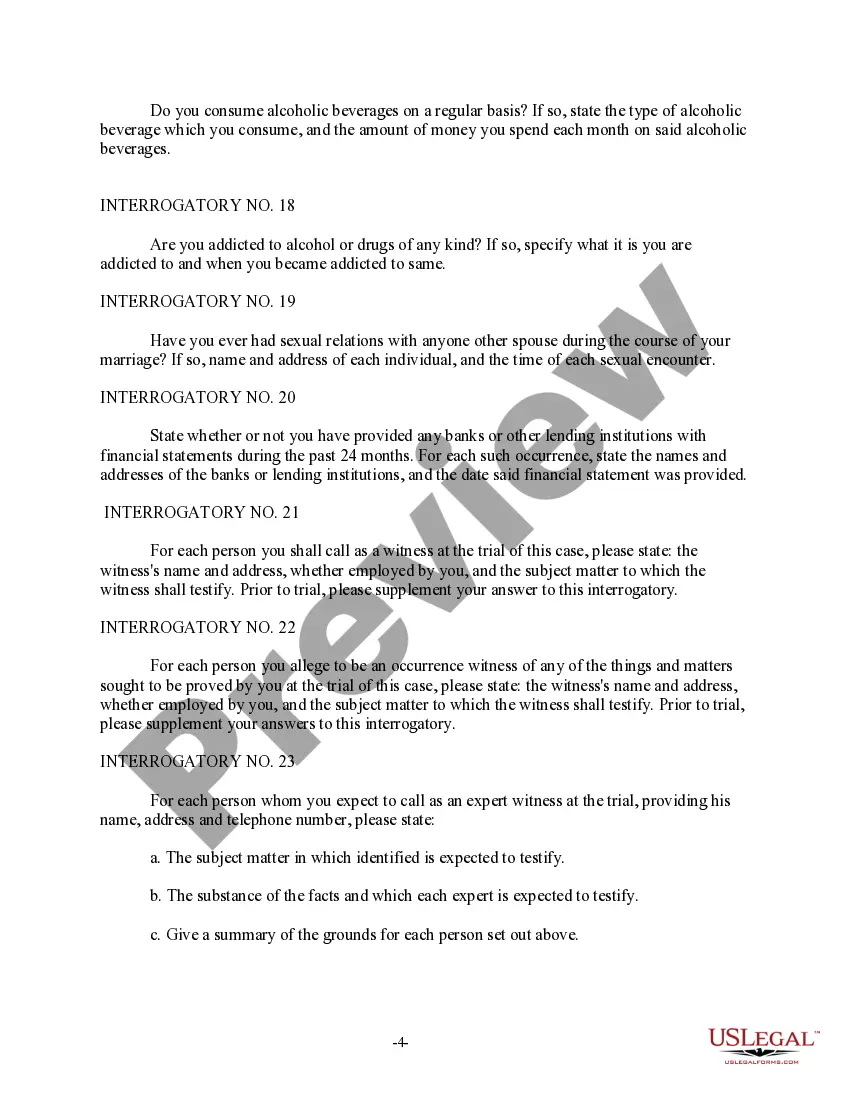
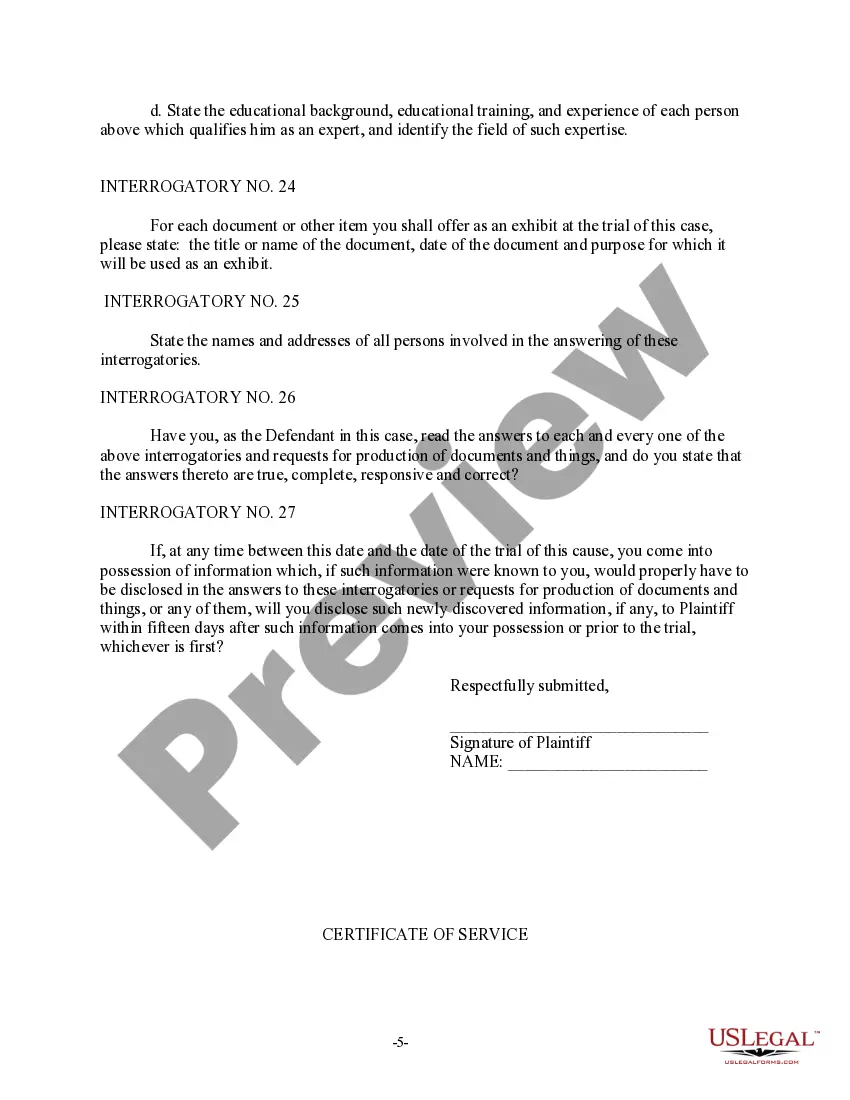
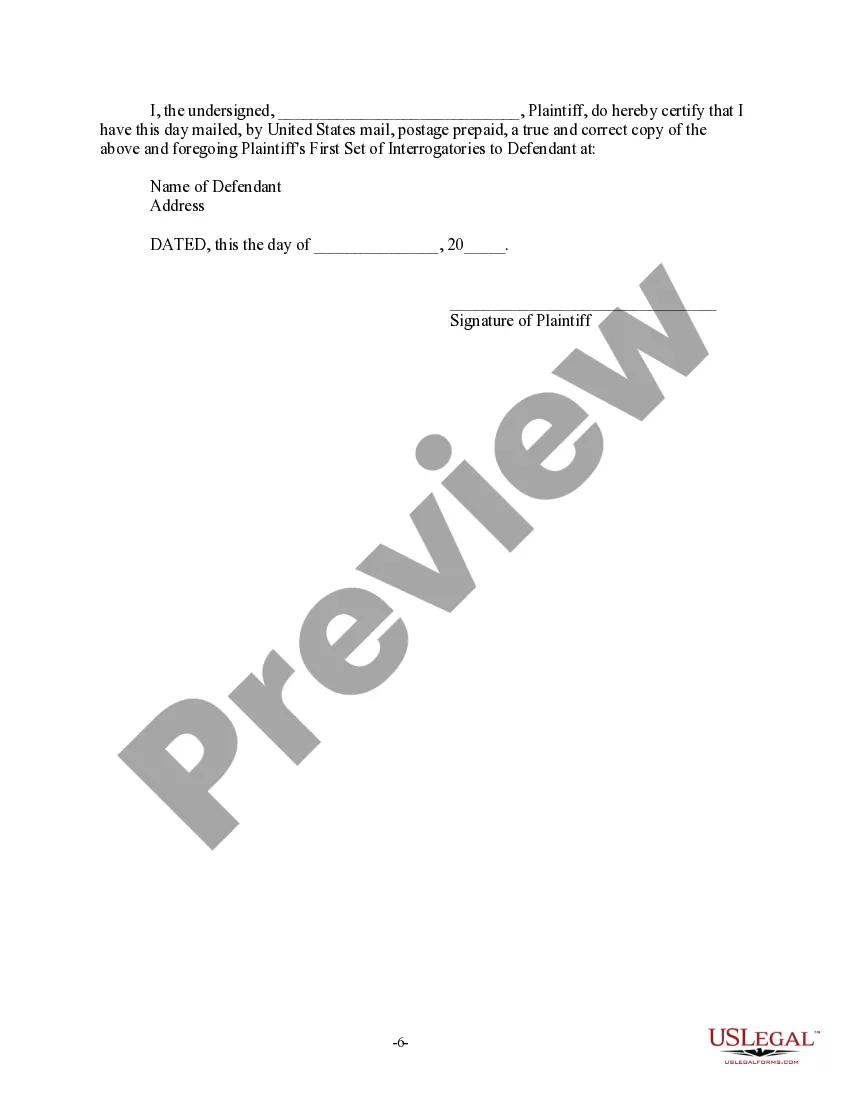
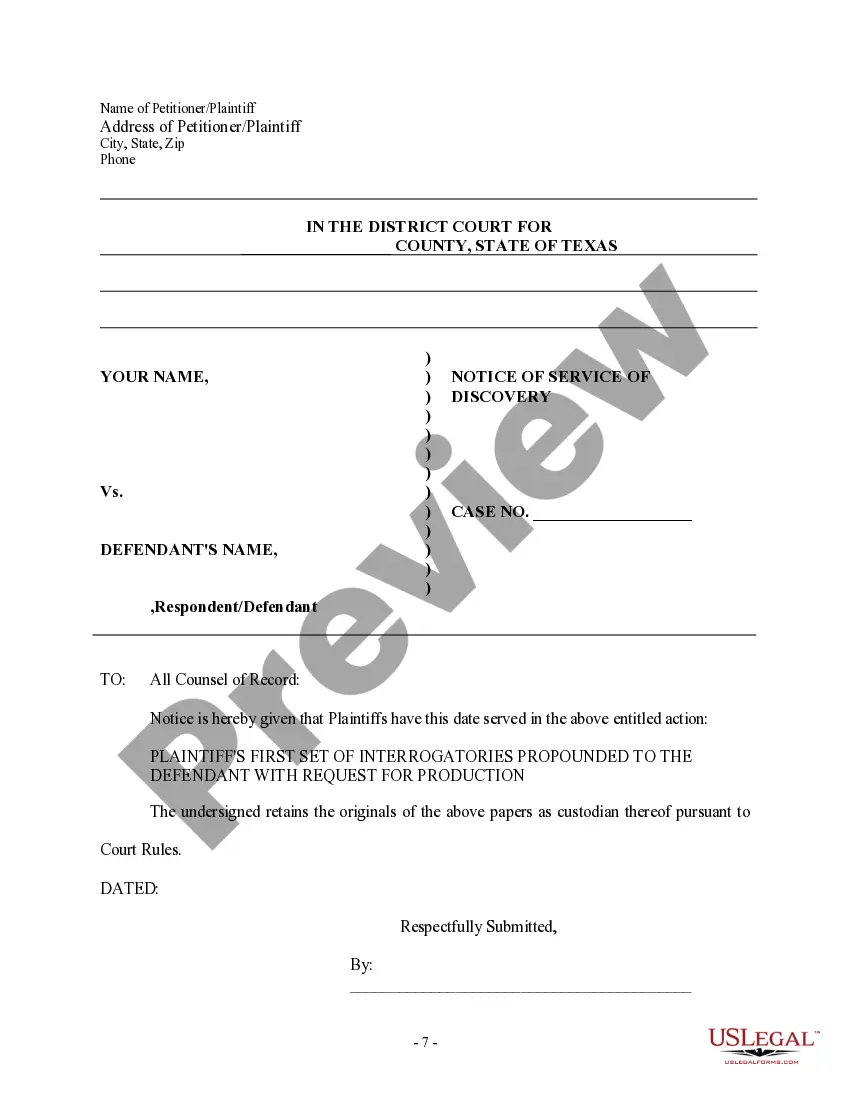
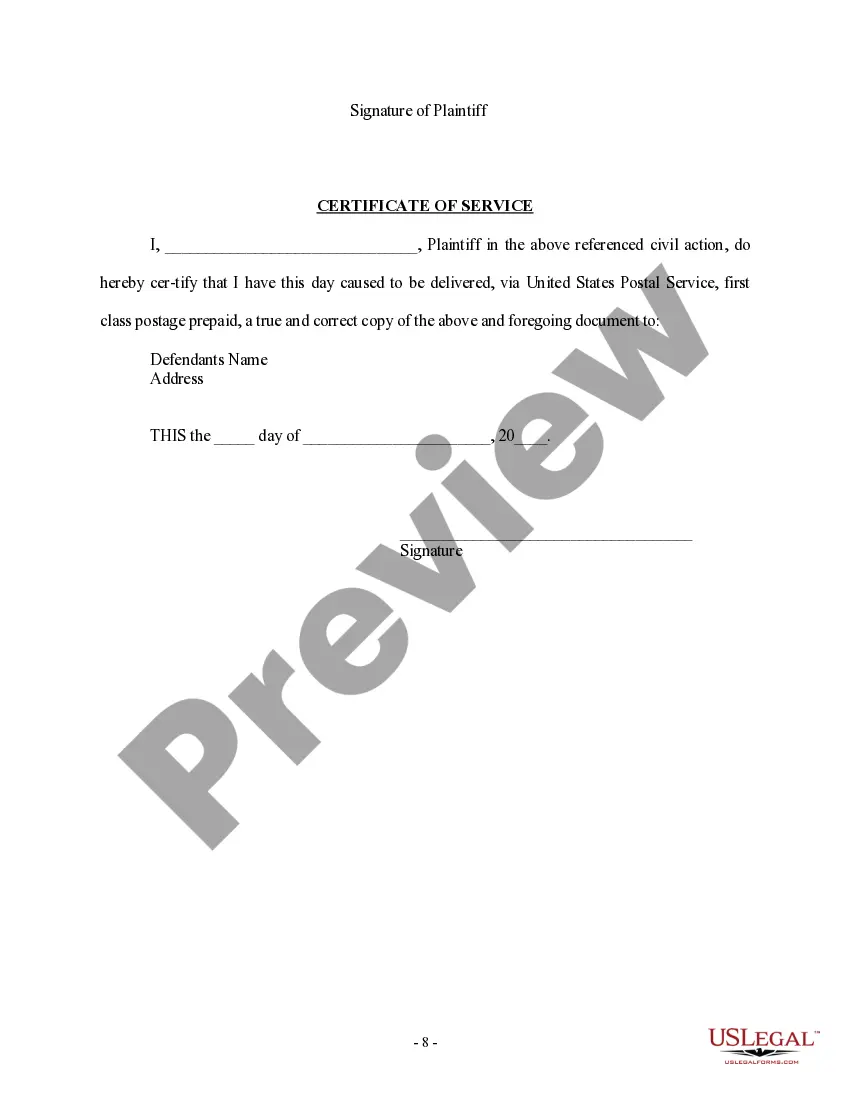
Get your form ready online
Our built-in tools help you complete, sign, share, and store your documents in one place.
Make edits, fill in missing information, and update formatting in US Legal Forms—just like you would in MS Word.
Download a copy, print it, send it by email, or mail it via USPS—whatever works best for your next step.
Sign and collect signatures with our SignNow integration. Send to multiple recipients, set reminders, and more. Go Premium to unlock E-Sign.
If this form requires notarization, complete it online through a secure video call—no need to meet a notary in person or wait for an appointment.
We protect your documents and personal data by following strict security and privacy standards.

Make edits, fill in missing information, and update formatting in US Legal Forms—just like you would in MS Word.

Download a copy, print it, send it by email, or mail it via USPS—whatever works best for your next step.

Sign and collect signatures with our SignNow integration. Send to multiple recipients, set reminders, and more. Go Premium to unlock E-Sign.

If this form requires notarization, complete it online through a secure video call—no need to meet a notary in person or wait for an appointment.

We protect your documents and personal data by following strict security and privacy standards.
Looking for another form?




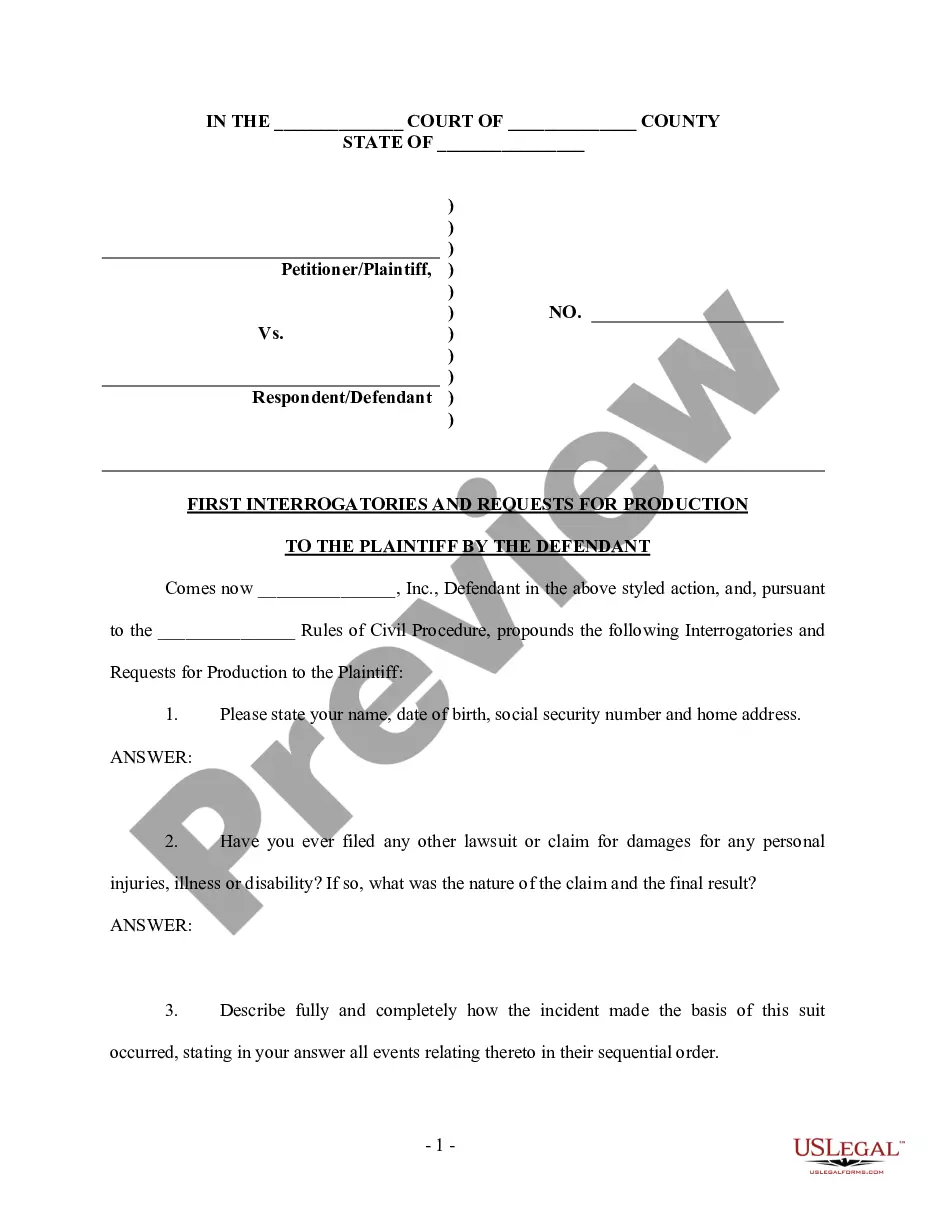
How to fill out Texas Discovery Interrogatories From Plaintiff To Defendant With Production Requests?
- Log in to your US Legal Forms account if you're a returning user. Ensure your subscription is active; otherwise, you may need to renew it.
- For first-time users, start by browsing the library, focusing on the Texas interrogatories sample relevant to divorce. Check the preview to confirm its suitability.
- If the form doesn't meet your needs, utilize the search functionality to explore other templates until you find the right fit.
- Once you’ve selected the appropriate document, click the 'Buy Now' button and choose your preferred subscription plan. Registration is needed to access the extensive library.
- Complete your purchase by entering your payment details via credit card or PayPal.
- Download the required form and save it to your device. Access your downloaded document anytime through the 'My Forms' menu in your account.
In conclusion, using US Legal Forms empowers individuals to quickly obtain personalized legal documents with ease. With a robust collection of forms and expert assistance, you're assured of creating legally sound documents tailored to your circumstances.
Start your journey today and simplify your legal process with US Legal Forms.
Form popularity
FAQ
In Texas, the discovery level for a divorce case is typically governed by the Texas Rules of Civil Procedure. Most divorce cases fall under Level 1 or Level 2, depending on the complexity and the amount in controversy. You'll want to use a Texas interrogatories sample with divorce cases to ensure you cover all necessary aspects of your case. Utilizing a structured approach can help gather vital information and streamline the discovery process.
The discovery process in a Texas divorce involves gathering information from your spouse to understand assets, debts, and other relevant details. This process typically includes written interrogatories, requests for production, and depositions. By understanding how to navigate this process and utilizing Texas interrogatories sample with divorce cases, you can ensure that you have all necessary information for a fair resolution.
Discovery demands in divorce are formal requests for information between parties. They allow each spouse to obtain necessary documents, disclosures, and testimonies, aiding in the understanding of the case. Utilizing resources like Texas interrogatories sample with divorce cases can help you craft effective discovery demands and streamline the process.
In divorce court, avoid speaking negatively about your spouse, as this can reflect poorly on you. It's also wise not to make exaggerated claims or express emotions that can distract from the facts. Sticking to the relevant information and maintaining professionalism is crucial, especially when discussing matters like Texas interrogatories sample with divorce cases.
The 3 C's of divorce refer to communication, cooperation, and compromise. These elements are essential to navigating the complexities of divorce effectively. By focusing on these principles, individuals can reduce conflict and streamline the process, particularly when dealing with Texas interrogatories sample with divorce cases, which can help clarify issues.
In divorce cases, answers to interrogatories do not need to be filed with the court. However, you must serve your responses to the opposing party. It's important to keep a copy of your answers for your records, especially when discussing Texas interrogatories sample with divorce cases, as it may help clarify obligations and rights during the proceedings.
In interrogatories, you should focus on questions that reveal important facts regarding assets, debts, and responsibilities. Asking about income, property ownership, and other financial matters gives you a clearer picture of the situation. Utilizing Texas interrogatories sample with divorce cases can serve as a guide to framing your inquiries effectively.
Yes, discovery is often worth the effort in a divorce. It uncovers vital information that can influence the outcome of asset division, child custody, and support obligations. Using tools like Texas interrogatories sample with divorce cases can help ensure you're well-informed and prepared for negotiations or court proceedings.
To answer interrogatories in a divorce case, carefully read each question and formulate your responses based on truth and completeness. It's important to provide accurate information while also considering the implications of your answers. Consulting a legal professional can help you navigate this process smoothly and confidently.
A good interrogatory is clear, specific, and relevant to the case at hand. It should avoid ambiguous language, ensuring that the respondent understands exactly what is being asked. Crafting well-thought-out interrogatories can lead to comprehensive answers, which ultimately assists in resolving your divorce effectively.