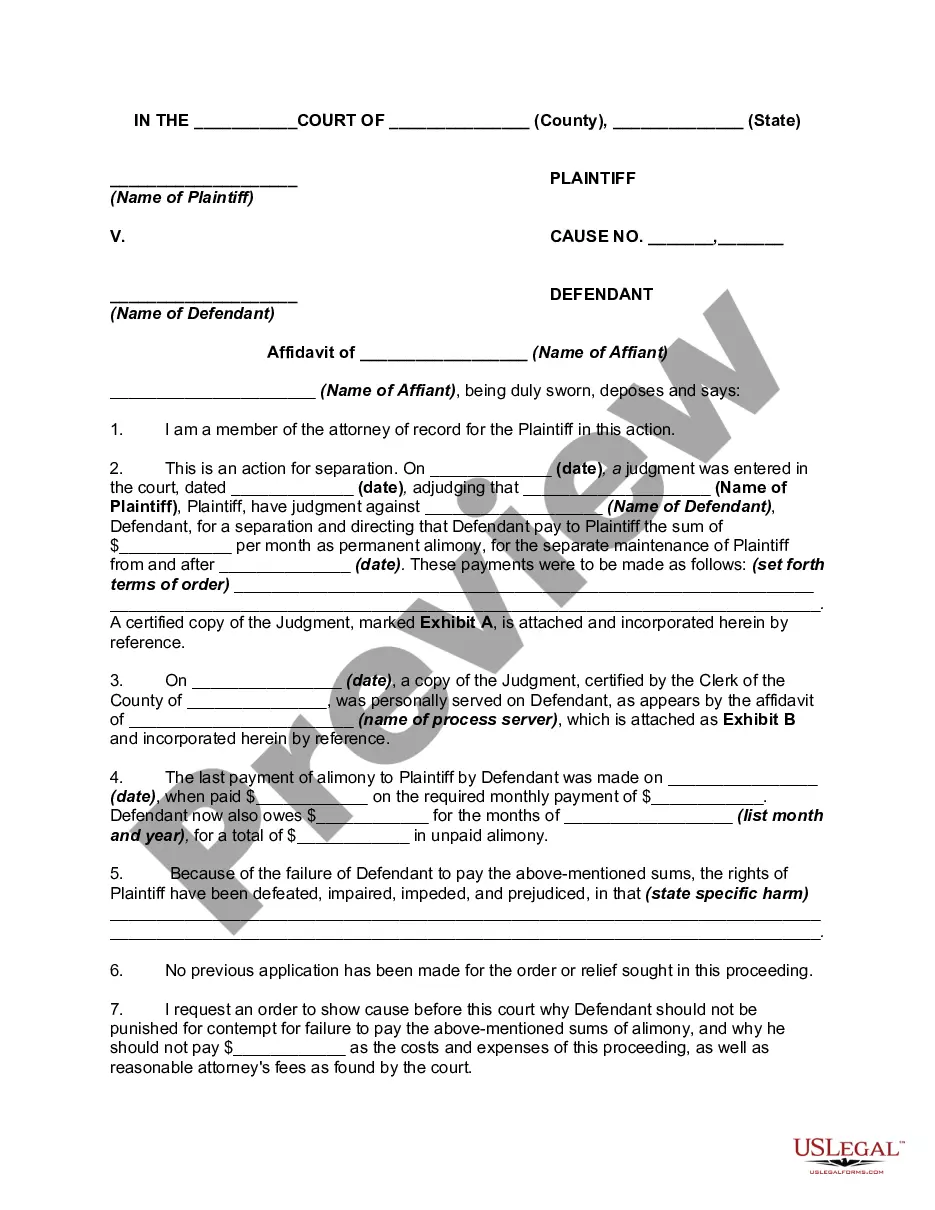
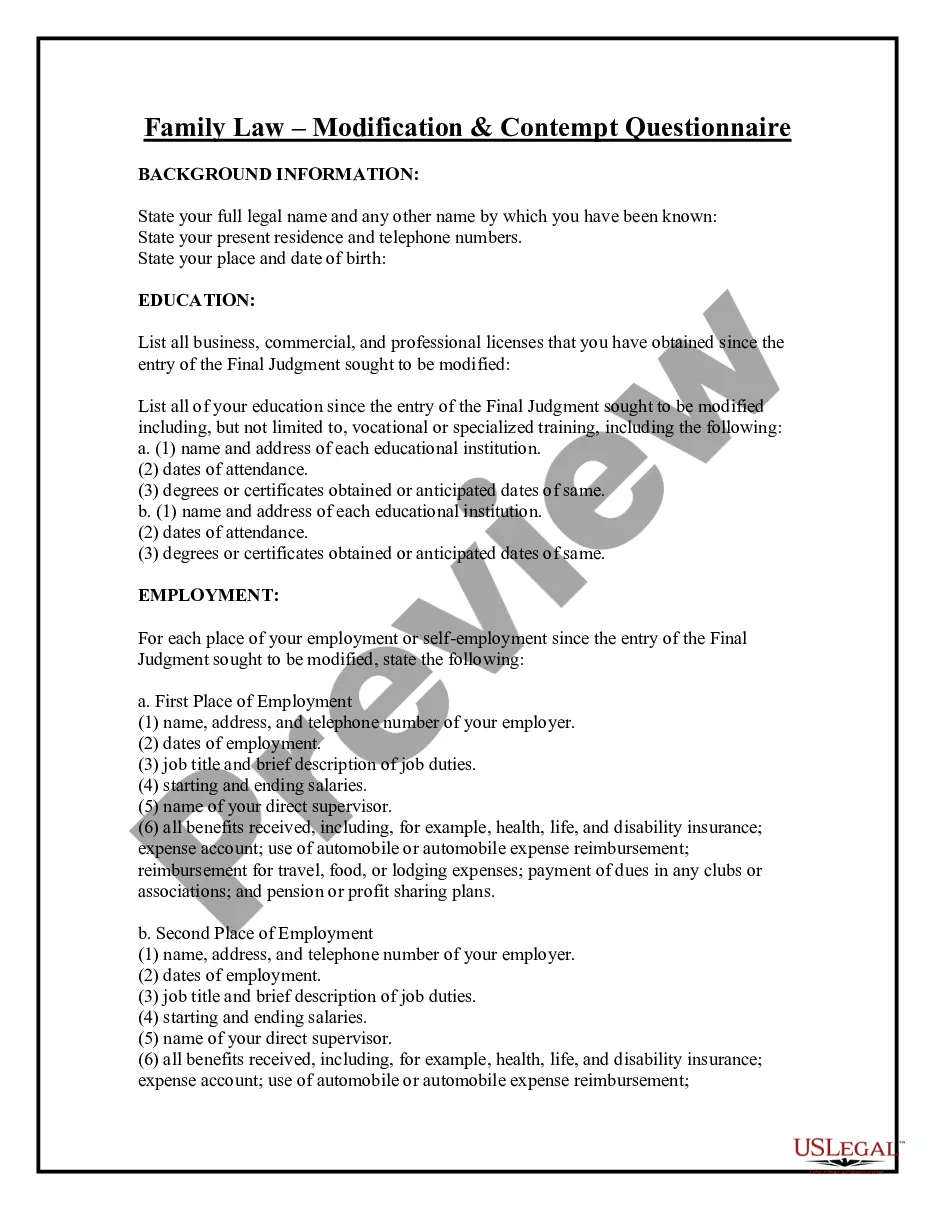
Texas Motion To Enforce Order For Contempt
Description

Get your form ready online
Our built-in tools help you complete, sign, share, and store your documents in one place.
Make edits, fill in missing information, and update formatting in US Legal Forms—just like you would in MS Word.
Download a copy, print it, send it by email, or mail it via USPS—whatever works best for your next step.
Sign and collect signatures with our SignNow integration. Send to multiple recipients, set reminders, and more. Go Premium to unlock E-Sign.
If this form requires notarization, complete it online through a secure video call—no need to meet a notary in person or wait for an appointment.
We protect your documents and personal data by following strict security and privacy standards.

Make edits, fill in missing information, and update formatting in US Legal Forms—just like you would in MS Word.

Download a copy, print it, send it by email, or mail it via USPS—whatever works best for your next step.

Sign and collect signatures with our SignNow integration. Send to multiple recipients, set reminders, and more. Go Premium to unlock E-Sign.

If this form requires notarization, complete it online through a secure video call—no need to meet a notary in person or wait for an appointment.

We protect your documents and personal data by following strict security and privacy standards.
Looking for another form?
How to fill out Texas Motion For Order Of Contempt For Failure To Pay Spousal Maintenance?
Accessing legal document samples that meet the federal and state regulations is crucial, and the internet offers many options to pick from. But what’s the point in wasting time searching for the correctly drafted Texas Motion To Enforce Order For Contempt sample on the web if the US Legal Forms online library already has such templates collected in one place?
US Legal Forms is the largest online legal library with over 85,000 fillable templates drafted by lawyers for any business and life scenario. They are simple to browse with all papers organized by state and purpose of use. Our experts keep up with legislative changes, so you can always be confident your form is up to date and compliant when getting a Texas Motion To Enforce Order For Contempt from our website.
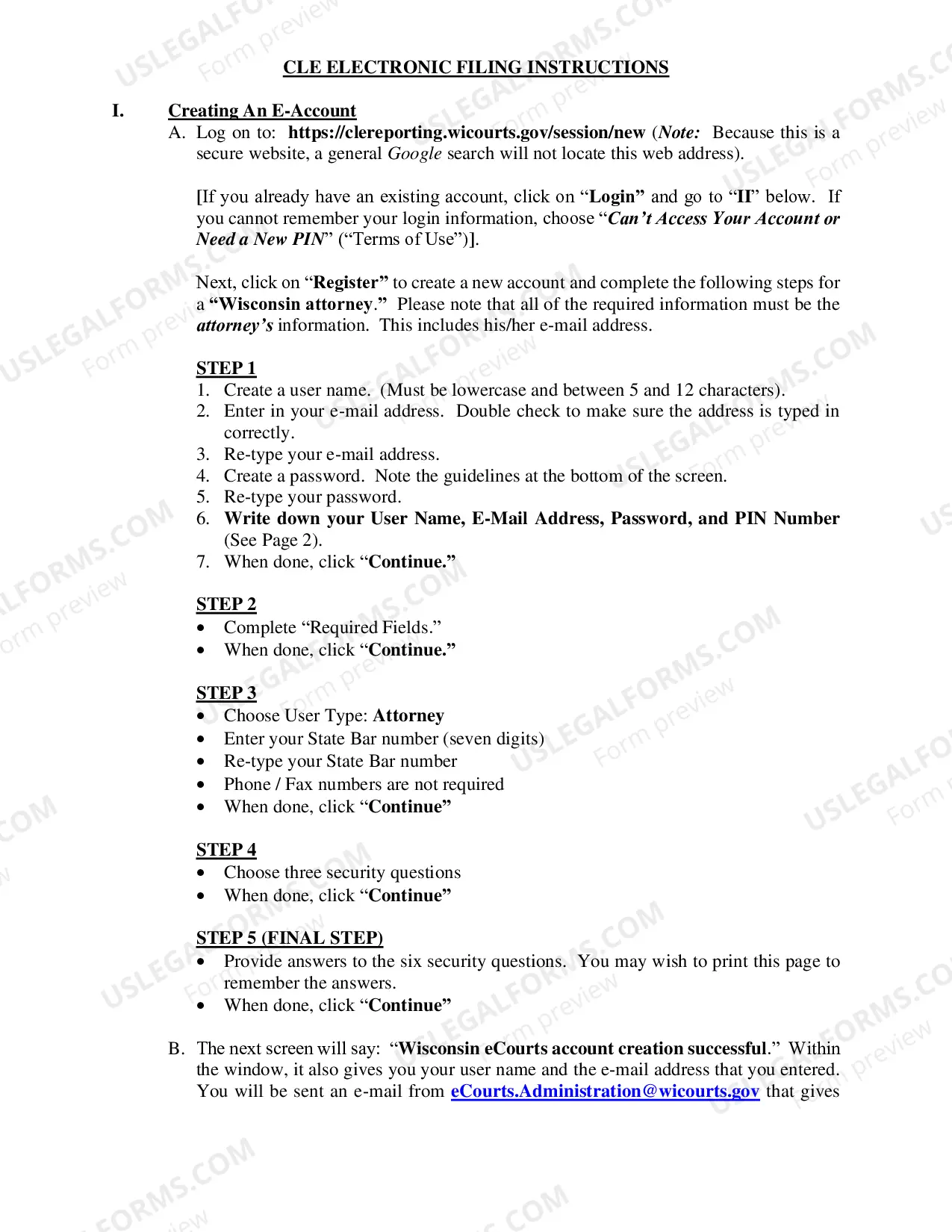
Obtaining a Texas Motion To Enforce Order For Contempt is simple and fast for both current and new users. If you already have an account with a valid subscription, log in and download the document sample you require in the preferred format. If you are new to our website, follow the steps below:
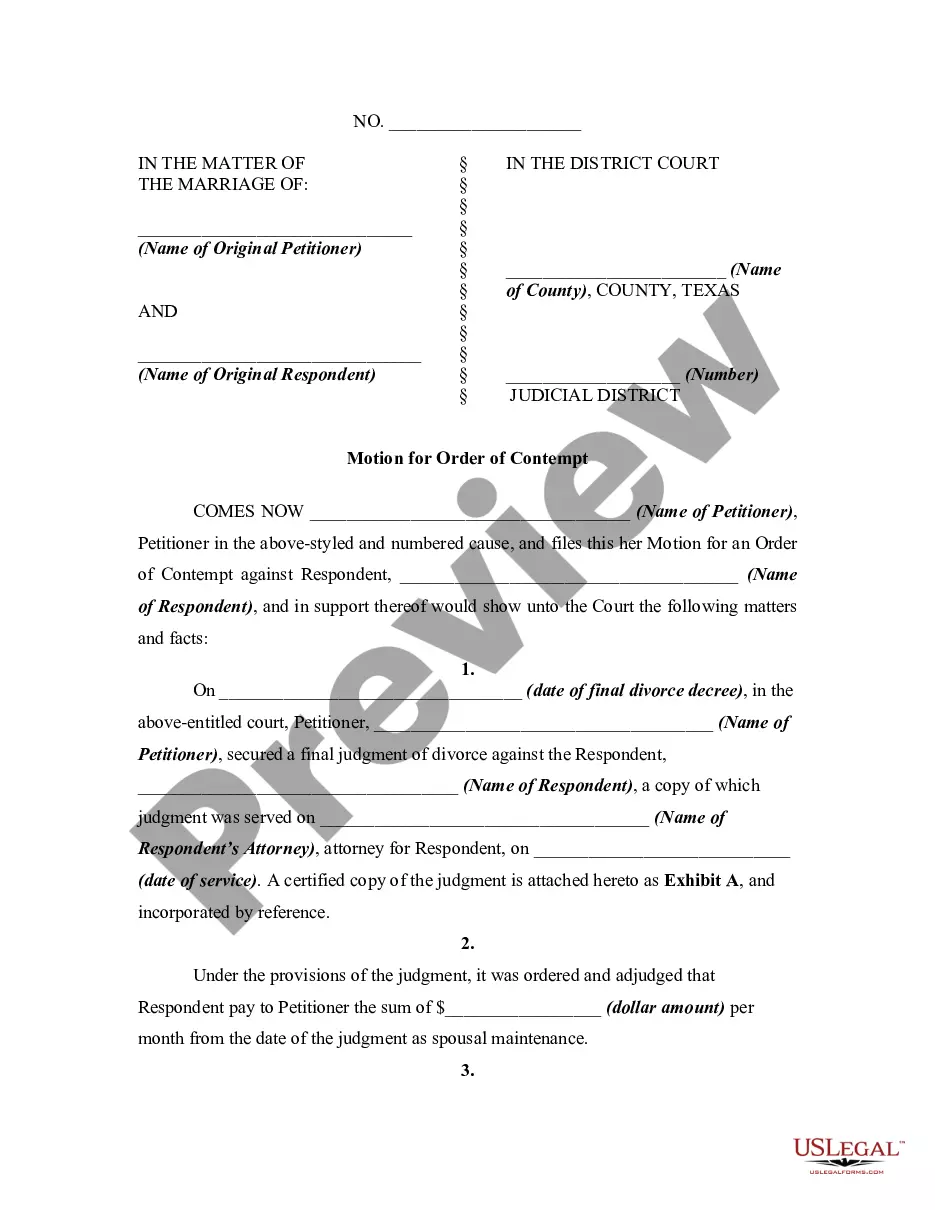
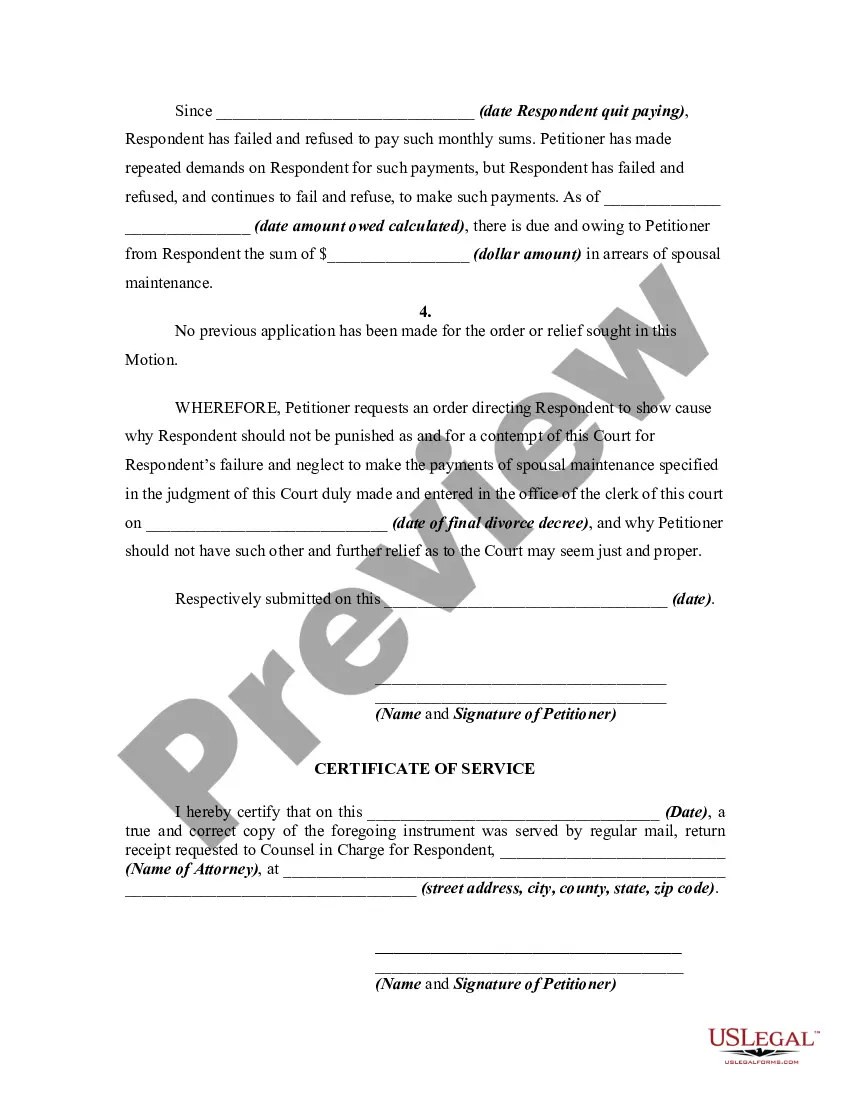
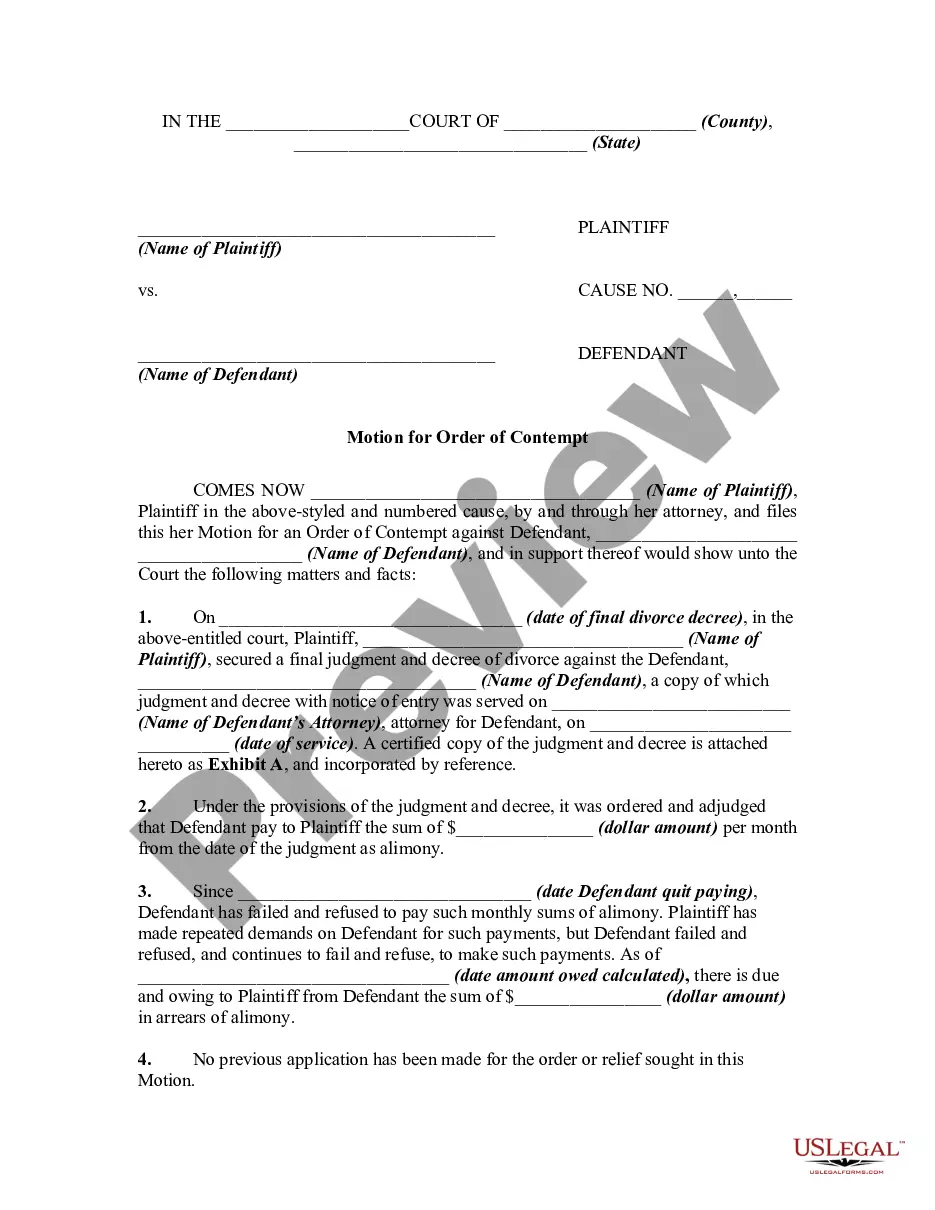
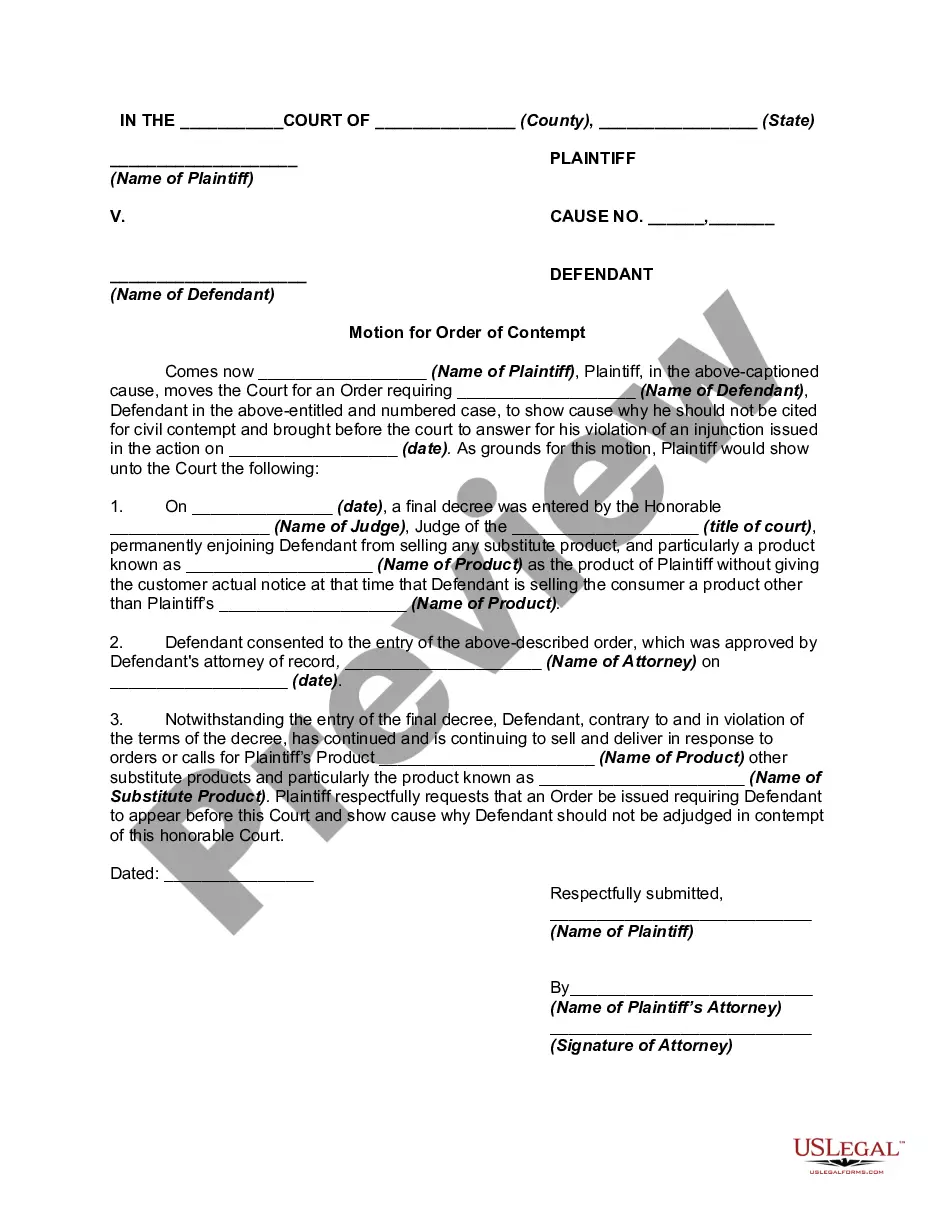
- Analyze the template utilizing the Preview feature or via the text outline to ensure it meets your requirements.
- Locate another sample utilizing the search tool at the top of the page if needed.
- Click Buy Now when you’ve located the correct form and choose a subscription plan.
- Register for an account or log in and make a payment with PayPal or a credit card.
- Choose the right format for your Texas Motion To Enforce Order For Contempt and download it.
All documents you locate through US Legal Forms are reusable. To re-download and fill out previously purchased forms, open the My Forms tab in your profile. Benefit from the most extensive and straightforward-to-use legal paperwork service!
Form popularity
FAQ
1. File your papers with the district clerk's office in the county where you got the order that you're trying to enforce. Take your documents (and your copies) to the district clerk's office. Tell the clerk you're there to file a Motion to Enforce and hand the clerk all of your documents.
When it comes to contempt & enforcement in Texas, the court has the power to make an offending party responsible in several ways. A judge may hold a party in contempt and sentence him to as much as six months in county jail for each offense. The judge may impose a $500 fine for each instance of offense.
How Is Someone Found in Contempt of Court in Texas? Generally, someone who commits direct contempt is found by the judge to be in contempt at that moment, and the judge may order a punishment immediately or in short order unless an officer of the court commits the offense.
Unless made orally during a hearing or trial, motions should be in writing, should state the action sought, and should set forth the facts. Motions are the primary way for litigants to ask the Court to take action in a case. They must be filed with the Clerk, and copies must be mailed to all opposing parties (L.R.
The consequences of the motion: A motion to enforce, if approved, inflicts no punishment on the non-compliant party and instead serves as a reminder to fulfill their legal duties. Alternatively, a motion for contempt can result in jail time or fines for not following a verdict.