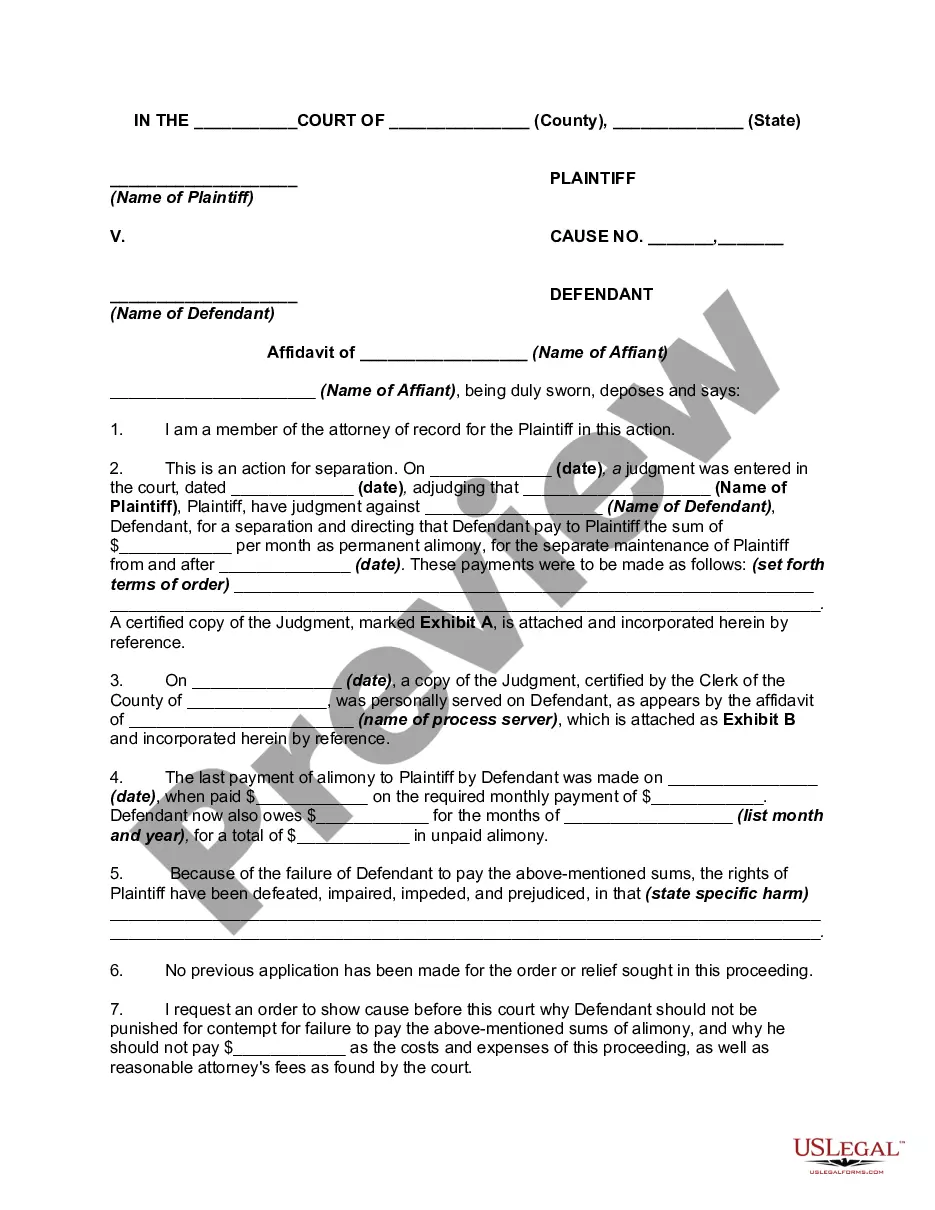
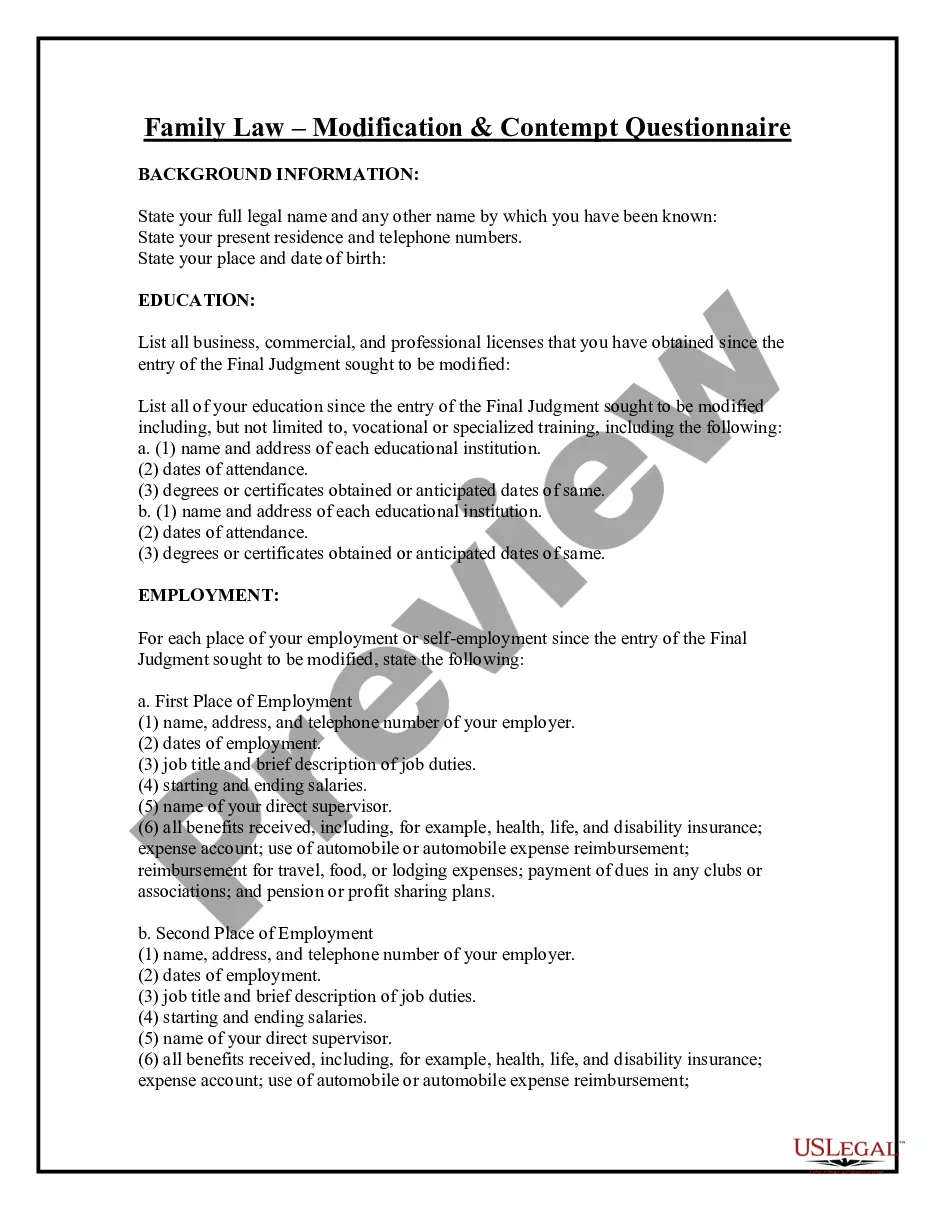
Texas Contempt Court With Child
Description
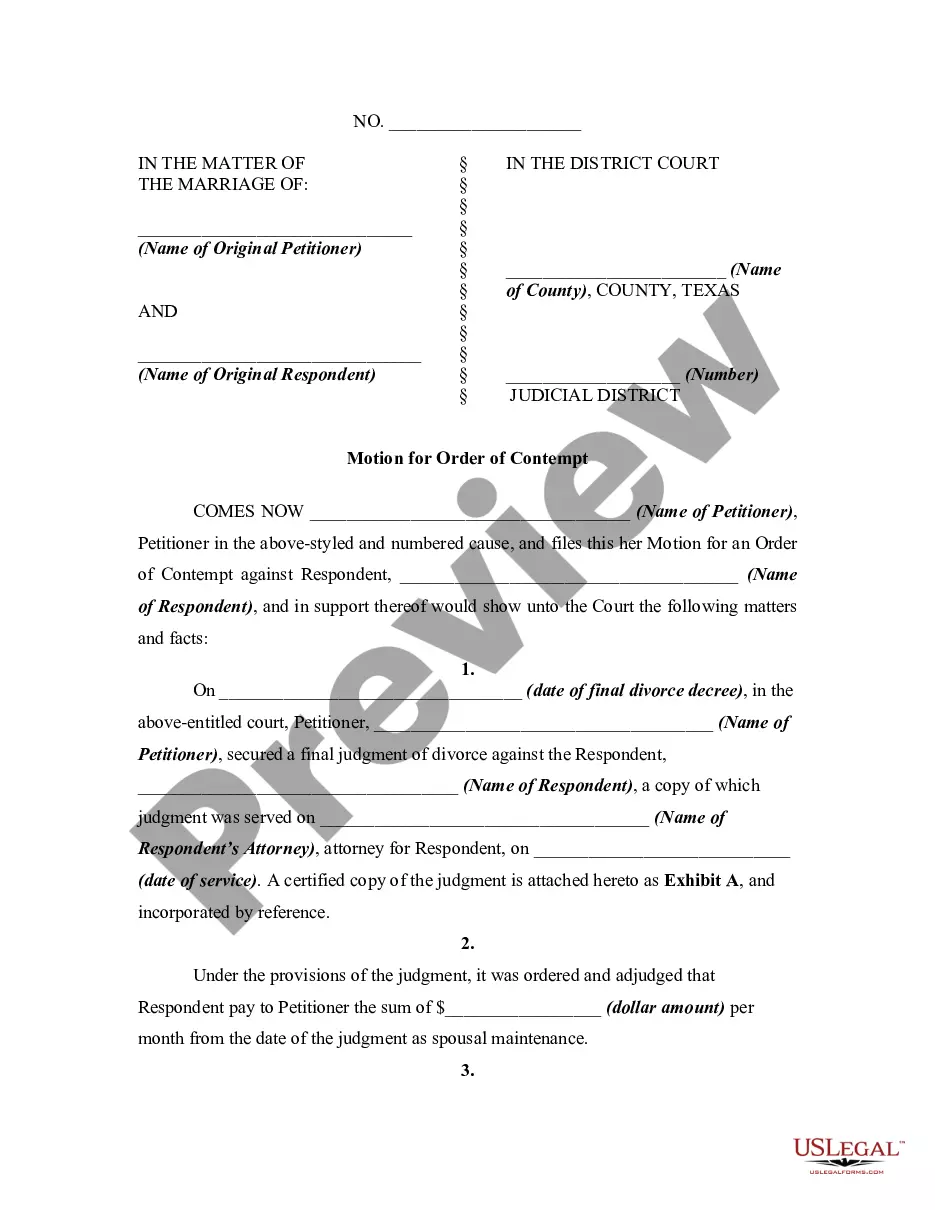
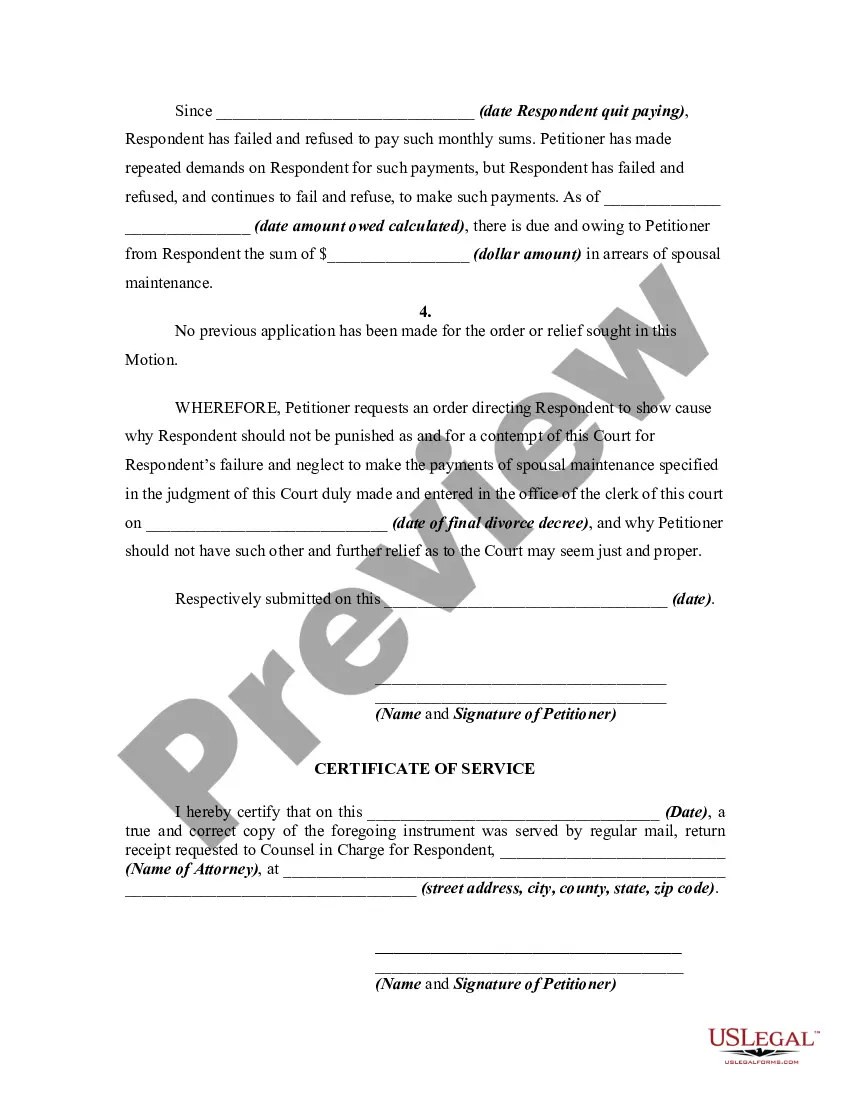

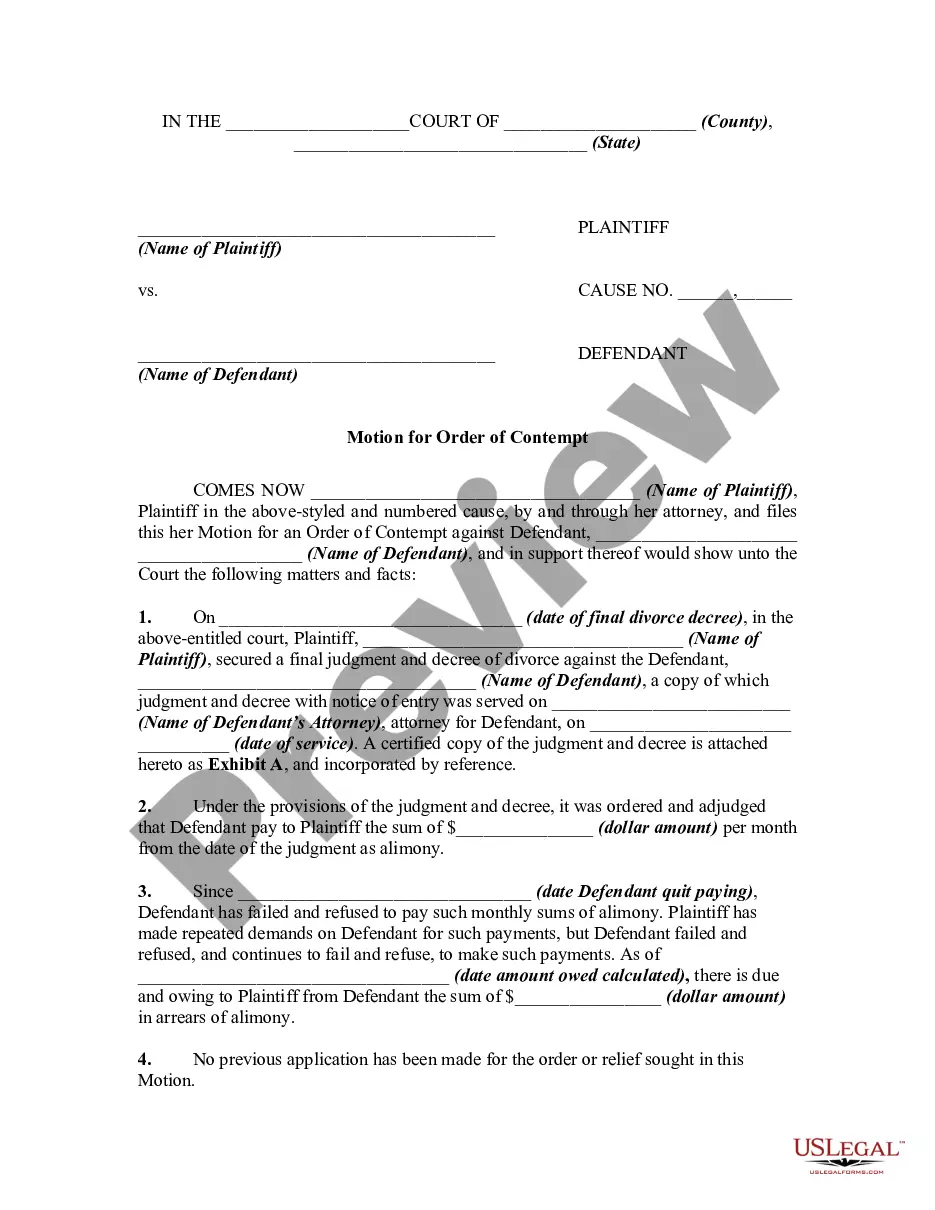
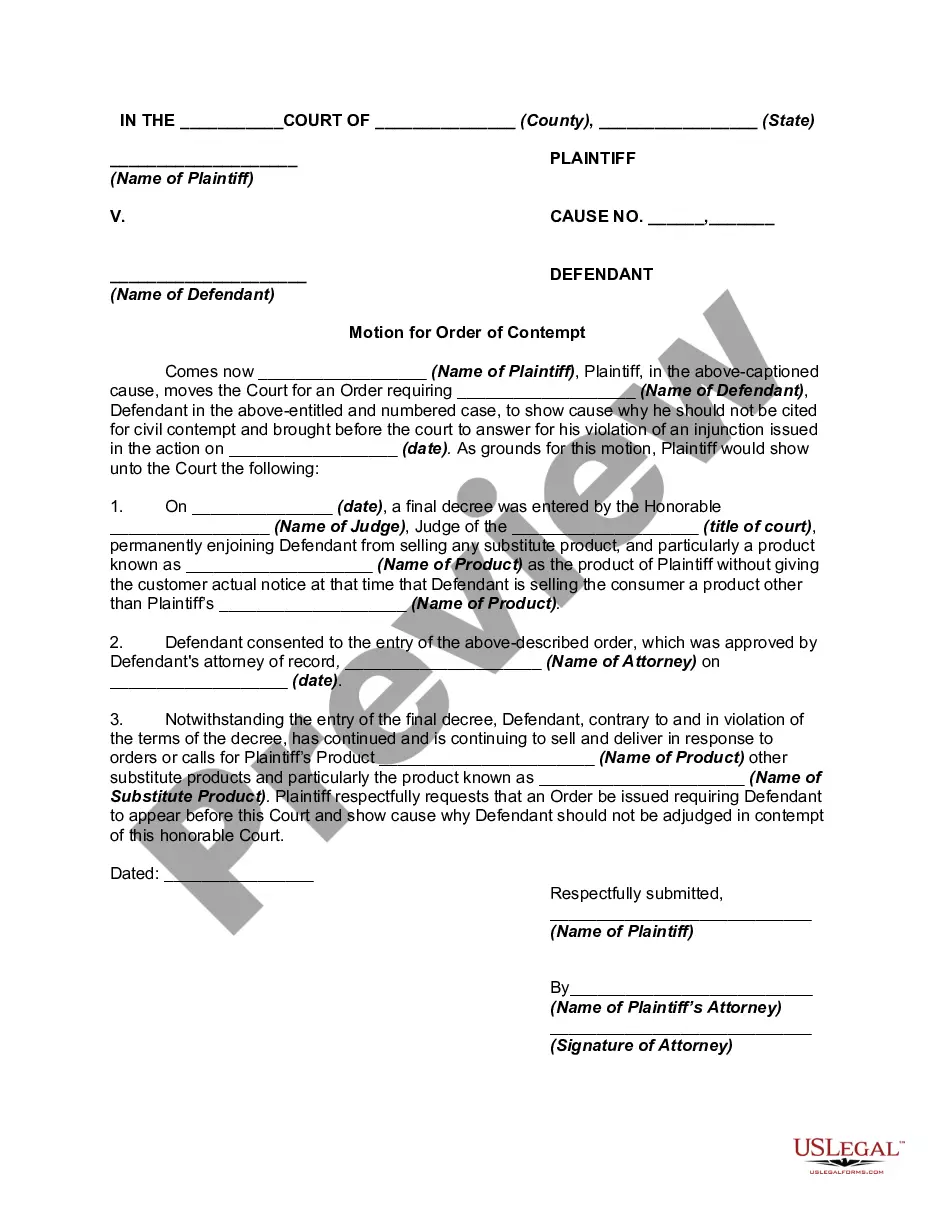
Get your form ready online
Our built-in tools help you complete, sign, share, and store your documents in one place.
Make edits, fill in missing information, and update formatting in US Legal Forms—just like you would in MS Word.
Download a copy, print it, send it by email, or mail it via USPS—whatever works best for your next step.
Sign and collect signatures with our SignNow integration. Send to multiple recipients, set reminders, and more. Go Premium to unlock E-Sign.
If this form requires notarization, complete it online through a secure video call—no need to meet a notary in person or wait for an appointment.
We protect your documents and personal data by following strict security and privacy standards.

Make edits, fill in missing information, and update formatting in US Legal Forms—just like you would in MS Word.

Download a copy, print it, send it by email, or mail it via USPS—whatever works best for your next step.

Sign and collect signatures with our SignNow integration. Send to multiple recipients, set reminders, and more. Go Premium to unlock E-Sign.

If this form requires notarization, complete it online through a secure video call—no need to meet a notary in person or wait for an appointment.

We protect your documents and personal data by following strict security and privacy standards.
Looking for another form?








How to fill out Texas Motion For Order Of Contempt For Failure To Pay Spousal Maintenance?
The Texas Contempt Court With Child displayed on this page is a versatile legal template prepared by experienced attorneys in accordance with federal and state laws.
For over 25 years, US Legal Forms has delivered individuals, organizations, and lawyers with more than 85,000 authenticated, state-specific documents for any business and personal scenario. It’s the quickest, simplest, and most reliable method to obtain the necessary paperwork, as the service ensures the utmost level of data safety and anti-malware safeguards.
Register with US Legal Forms to have authenticated legal templates for every aspect of life readily available.
- Search for the document you require and examine it.
- Select the pricing option that fits you and create an account.
- Choose the format you desire for your Texas Contempt Court With Child (PDF, DOCX, RTF) and download the document to your device.
- Print the template to fill it out manually or utilize an online multi-functional PDF editor to swiftly and accurately complete and sign your form with an eSignature.
- Access the same document again as needed. Navigate to the My documents section in your profile to redownload any previously saved documents.
Form popularity
FAQ
Jail Time ing to the Texas Family Code, a finding of contempt ?may be punished by confinement in jail for up to six months.? This punishment is specifically cited for failure to obey a court order for child support or visitation.
In order to hold the other parent in contempt of court, you will need to demonstrate clear and convincing evidence of willful disobedience. Contact a skilled attorney to help you gather sufficient evidence to file for child custody contempt in Texas.
If your child's other parent is willfully violating the custody order, you can force them to comply with the order by filing a motion for child custody contempt. This motion requests the court to schedule a hearing in which the noncompliant parent would need to explain and justify their non-compliance. How to File for Child Custody Contempt in Texas Hoelscher Gebbia Cepeda, PLLC ? Blog Hoelscher Gebbia Cepeda, PLLC ? Blog
You may also go to mediation voluntarily, or you may file a motion asking the court to send you and the other parent to mediation. Find an attorney to file a motion for enforcement on your behalf. You could hire a private attorney or find a legal aid attorney who can help you for free.
If your child's other parent is willfully violating the custody order, you can force them to comply with the order by filing a motion for child custody contempt. This motion requests the court to schedule a hearing in which the noncompliant parent would need to explain and justify their non-compliance.