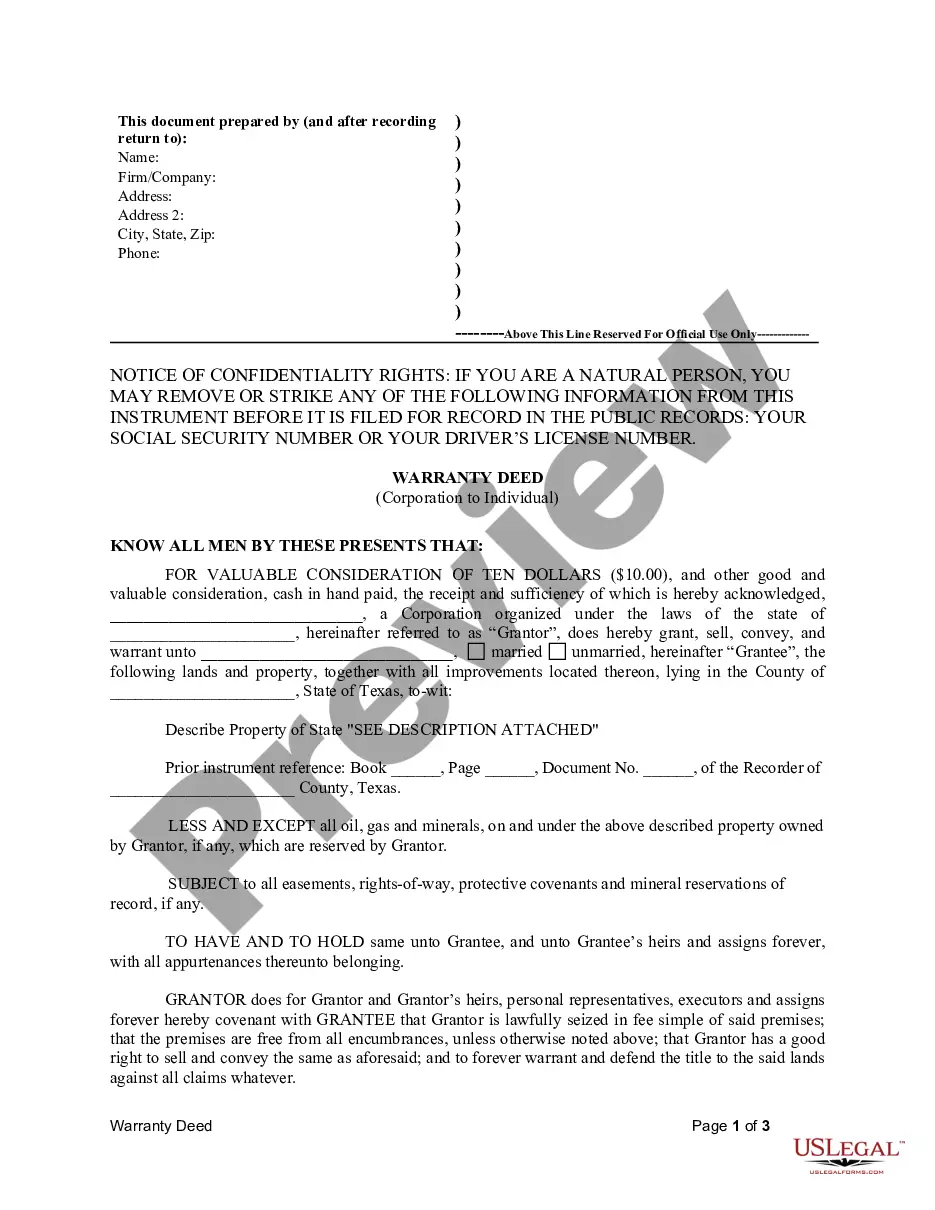
What Does A Property Title Deed Look Like
Description

Get your form ready online
Our built-in tools help you complete, sign, share, and store your documents in one place.
Make edits, fill in missing information, and update formatting in US Legal Forms—just like you would in MS Word.
Download a copy, print it, send it by email, or mail it via USPS—whatever works best for your next step.
Sign and collect signatures with our SignNow integration. Send to multiple recipients, set reminders, and more. Go Premium to unlock E-Sign.
If this form requires notarization, complete it online through a secure video call—no need to meet a notary in person or wait for an appointment.
We protect your documents and personal data by following strict security and privacy standards.

Make edits, fill in missing information, and update formatting in US Legal Forms—just like you would in MS Word.

Download a copy, print it, send it by email, or mail it via USPS—whatever works best for your next step.

Sign and collect signatures with our SignNow integration. Send to multiple recipients, set reminders, and more. Go Premium to unlock E-Sign.

If this form requires notarization, complete it online through a secure video call—no need to meet a notary in person or wait for an appointment.

We protect your documents and personal data by following strict security and privacy standards.
Looking for another form?










How to fill out Texas Warranty Deed From Corporation To Individual?
- If you're a returning user, log into your account. Check your subscription status to ensure it's valid, then simply download your required form template by clicking the Download button.
- For first-time users, start by checking the Preview mode and form description. Ensure the selected document meets your specific needs and adheres to local jurisdiction requirements.
- If you need a different template or find inconsistencies, utilize the Search tab to locate the right document that aligns with your requirements.
- Once you've found the correct form, click the Buy Now button and choose your preferred subscription plan. Create an account to gain access to a vast library of resources.
- Complete your purchase by entering your credit card or PayPal details to pay for the subscription.
- Download your document and save it to your device. You can access it anytime through the My Forms menu of your profile.
US Legal Forms empowers individuals and attorneys to rapidly create legal documents with its extensive library. With more than 85,000 easily fillable forms, users can quickly find and acquire the paperwork they need.
Ensure you’re well-prepared for your legal processes by accessing US Legal Forms today. Start your journey to hassle-free document creation!
Form popularity
FAQ
The best way to show proof of ownership is by presenting your property title deed. This document contains all pertinent details regarding your ownership and is widely accepted in legal and financial contexts. If you ever face challenges proving your ownership, having your deed readily available can simplify the process. Thus, recognizing what does a property title deed look like can empower you during such situations.
The most authoritative proof of ownership of property is the property title deed. This document not only confirms your legal rights but also becomes crucial during transactions or disputes. You should always keep your deed accessible and in a safe place. By understanding what does a property title deed look like, you can ensure you have all the necessary information at hand.
A legal document that proves ownership of a property is called a property title deed. This document serves as the official record that establishes your rights to the property. Reviewing what does a property title deed look like can help you ensure that your ownership is clearly documented and legally recognized. You rely on this document for any transactions or disputes regarding your property.
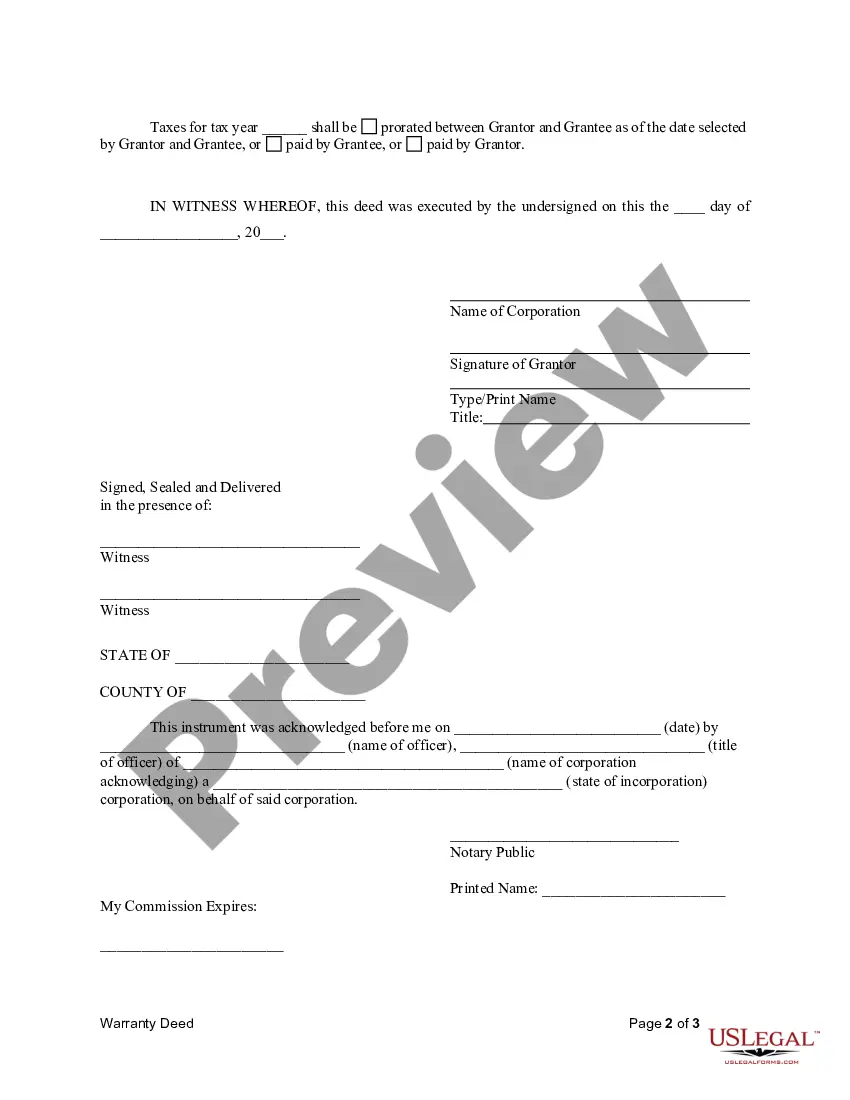
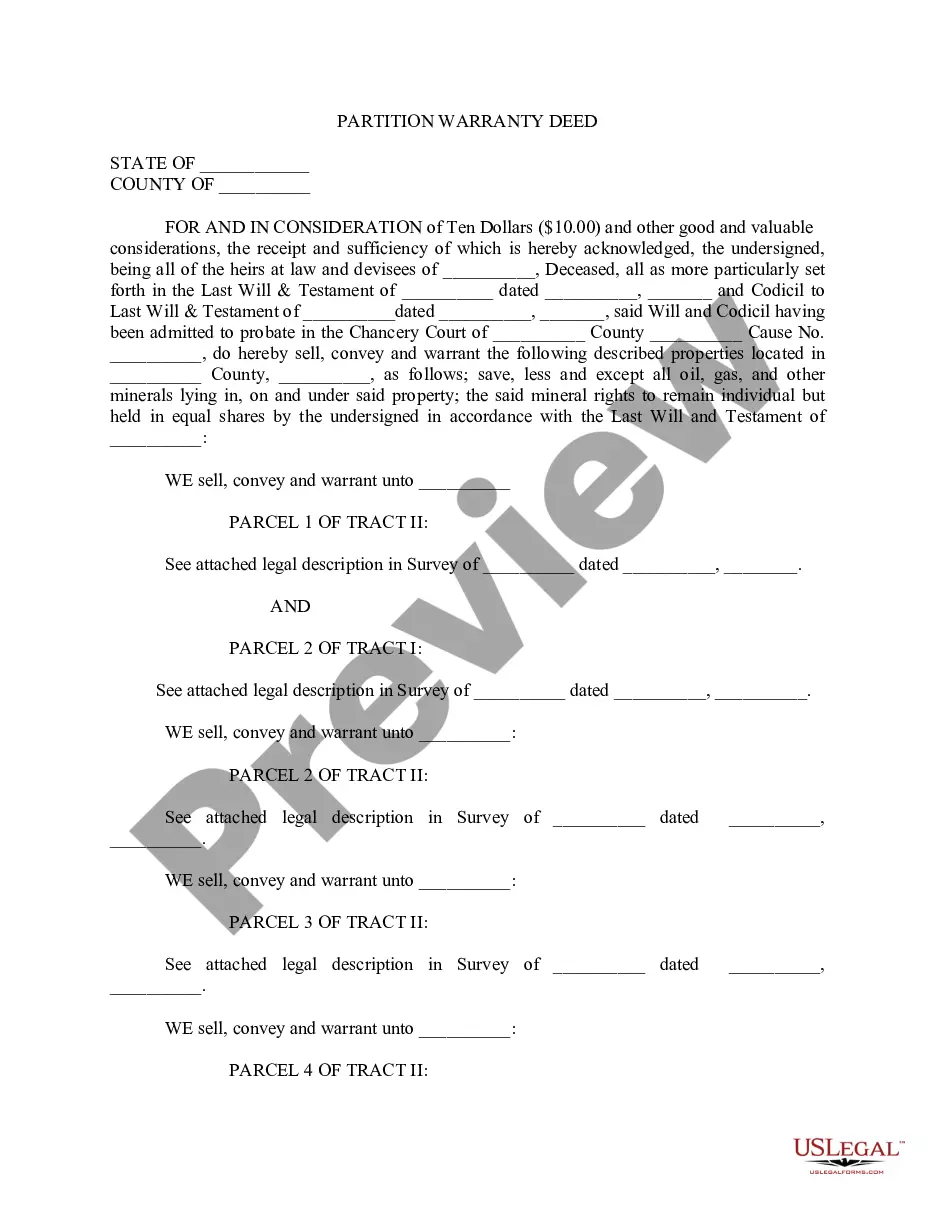
A deed is a legal document that formally transfers ownership of real estate from one party to another. It typically includes important details such as the names of the parties involved, a description of the property, and the signatures of the relevant individuals. When you visualize a deed, you might see a formal, printed document often with seals and notarizations. Understanding what does a property title deed look like is essential, as it helps you recognize legitimate ownership.
The best proof of ownership of property is generally represented by the property title deed. This legal document clearly outlines the owner's rights and interests in the property. When you have a valid deed, you can confidently establish your ownership in any legal situation. Therefore, knowing what does a property title deed look like can help you ensure you possess the right documentation.
Most people keep the deed to their house in a safe location, such as a filing cabinet or safe deposit box. Ensuring the deed is stored securely protects it from damage or loss. Knowing where to keep your deed is a vital part of managing your property, particularly when you understand what a property title deed looks like.
You can find the title deed to your house in several places, including your closing documents or the local county recorder's office. Online property records may also offer access to this vital document. Knowing where to find your deed gives you confidence in managing your property, especially when you understand what a property title deed looks like.
After closing, the buyer usually receives the deed to the property. This document is crucial as it officially transfers ownership from the seller to the buyer. Knowing who gets the deed helps you prepare for the next steps in your homeownership journey, reinforcing why understanding what a property title deed looks like is essential.
A home title is a legal document that proves ownership of a property. Typically, it includes details such as the owner's name, property description, and any mortgages or liens on the property. Understanding what a property title deed looks like helps you recognize its significance in real estate transactions.
An example of a deed is a warranty deed, which guarantees that the seller holds clear title to the property and has the right to sell it. When you look at what does a property title deed look like, you may find the warranty deed is one of the most common forms. This type of deed helps assure buyers that they are making a safe investment. To discover different types of deeds, you can refer to resources available at USLegalForms.