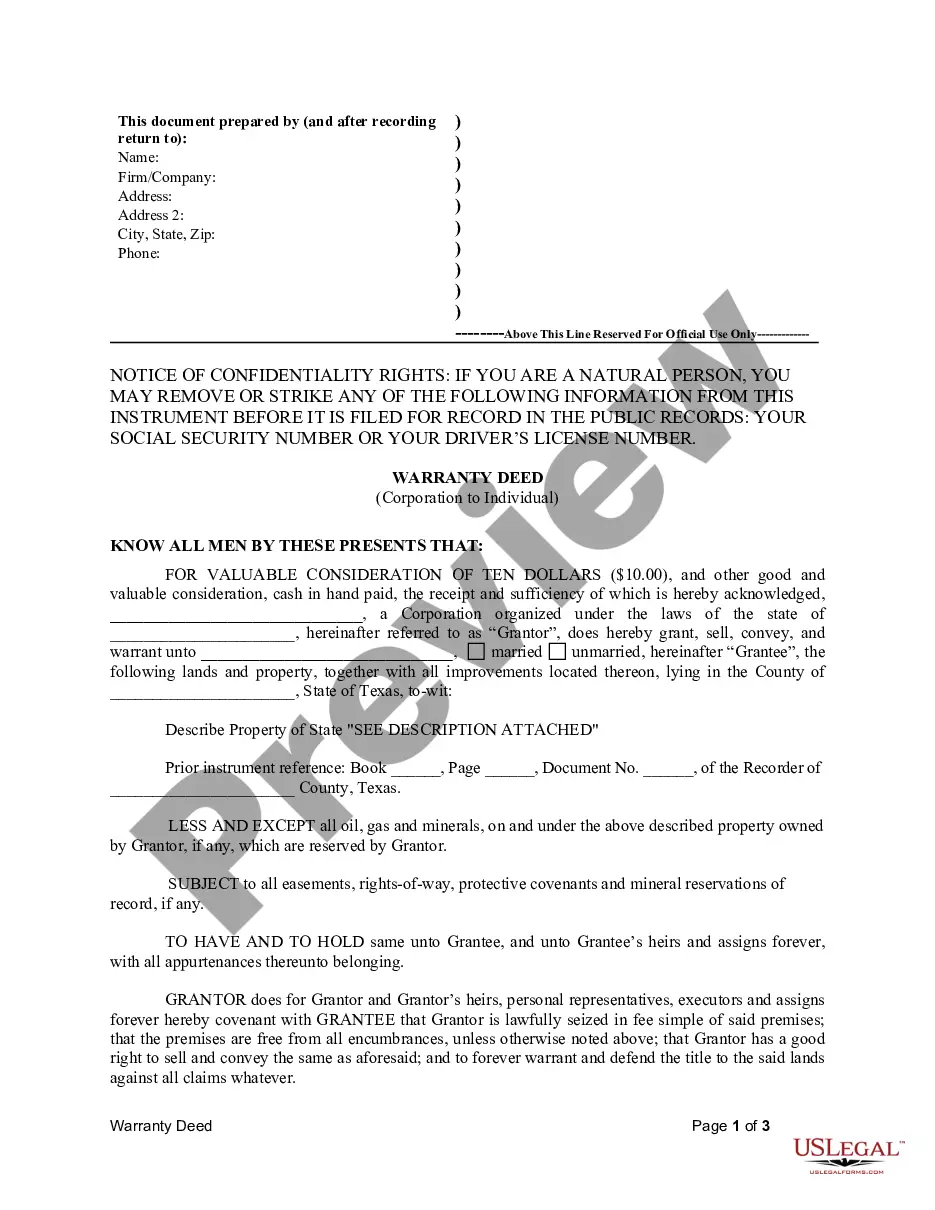
What Does A House Deed Look Like
Description

Get your form ready online
Our built-in tools help you complete, sign, share, and store your documents in one place.
Make edits, fill in missing information, and update formatting in US Legal Forms—just like you would in MS Word.
Download a copy, print it, send it by email, or mail it via USPS—whatever works best for your next step.
Sign and collect signatures with our SignNow integration. Send to multiple recipients, set reminders, and more. Go Premium to unlock E-Sign.
If this form requires notarization, complete it online through a secure video call—no need to meet a notary in person or wait for an appointment.
We protect your documents and personal data by following strict security and privacy standards.

Make edits, fill in missing information, and update formatting in US Legal Forms—just like you would in MS Word.

Download a copy, print it, send it by email, or mail it via USPS—whatever works best for your next step.

Sign and collect signatures with our SignNow integration. Send to multiple recipients, set reminders, and more. Go Premium to unlock E-Sign.

If this form requires notarization, complete it online through a secure video call—no need to meet a notary in person or wait for an appointment.

We protect your documents and personal data by following strict security and privacy standards.
Looking for another form?





How to fill out Texas Warranty Deed From Corporation To Individual?
- Log into your existing US Legal Forms account to access the document library. Ensure your subscription is active; if it’s not, you may need to renew.
- Review the Preview mode and associated form description to confirm that the selected document meets your requirements and adheres to local jurisdiction standards.
- If necessary, utilize the Search function at the top to find a different template that fits your needs better.
- Once you find the correct document, click the Buy Now button to select a subscription plan that suits you.
- Complete the purchase by entering your payment information, either through a credit card or a PayPal account.
- Download the template to your device. You can revisit and edit it anytime from the My Forms section of your profile.
By following these easy steps, anyone can navigate the often complex world of legal documentation with confidence. US Legal Forms provides a robust collection of over 85,000 editable forms and access to premium experts for guidance.
Start your journey to hassle-free legal documentation by exploring US Legal Forms today!
Form popularity
FAQ
The most common deed used in real estate transactions is the warranty deed. This type of deed promises that the grantor holds clear title to the property and guarantees against any future claims. Using a warranty deed not only offers protection for the buyer but also simplifies the transfer process. If you're unsure about how to draft one, platforms like US Legal Forms provide examples that illustrate what a house deed looks like, ensuring you feel confident in your real estate dealings.
Writing a property deed requires clear and precise language. First, gather essential information about the property, including its address and legal description. Next, specify the type of deed you are using, such as a warranty deed or quitclaim deed, depending on the purpose of the transfer. If you want a practical guide, consider using platforms like US Legal Forms, which shows what a house deed looks like and offers templates for your convenience.
To write a simple deed, start by identifying the parties involved, ensuring you include the full legal names of both the grantor and the grantee. Clearly describe the property in detail, along with the legal description to avoid ambiguity. Finally, sign the deed in front of witnesses or a notary public, and be aware that this document should be recorded in your local recording office. Understanding what a house deed looks like will help you ensure all necessary details are accurately presented.
To access the deed to your house, you can start by visiting the local county recorder's office or the assessor's office where your property is located. These offices typically maintain public records, including house deeds. If you prefer a more convenient option, consider using online services like US Legal Forms, which can help you locate, view, and understand what a house deed looks like. This way, you can easily navigate the process and obtain the necessary documents.
To obtain your house title deed, start by checking with your local county recorder's office, where all property records are kept. If you need assistance, online services like US Legal Forms can simplify the process and provide necessary resources. Once you know what a house deed looks like, retrieving it becomes easier and more straightforward.
After closing, the deed should be filed with your local county recorder's office, typically by the title company. You will receive a copy of the deed for your records. If you have any questions about the process, reaching out to your title company can provide clarity. It's beneficial to understand what a house deed looks like to ensure you have the correct documentation.
You can find the title deed to your house at your local county recorder's office or land registry office. Many jurisdictions offer online access to property records, making it simpler to search for your deed. If you're unsure where to look, consider using platforms like US Legal Forms, which offer assistance in locating and obtaining these important documents.
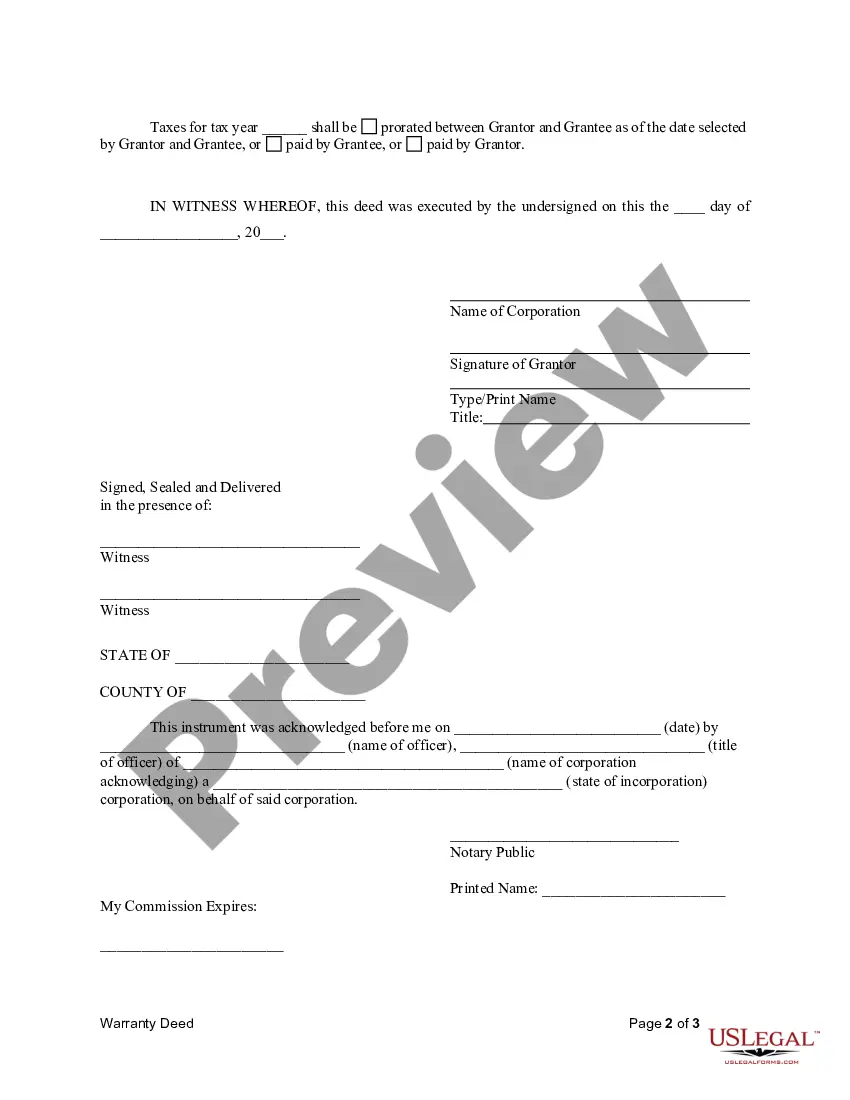
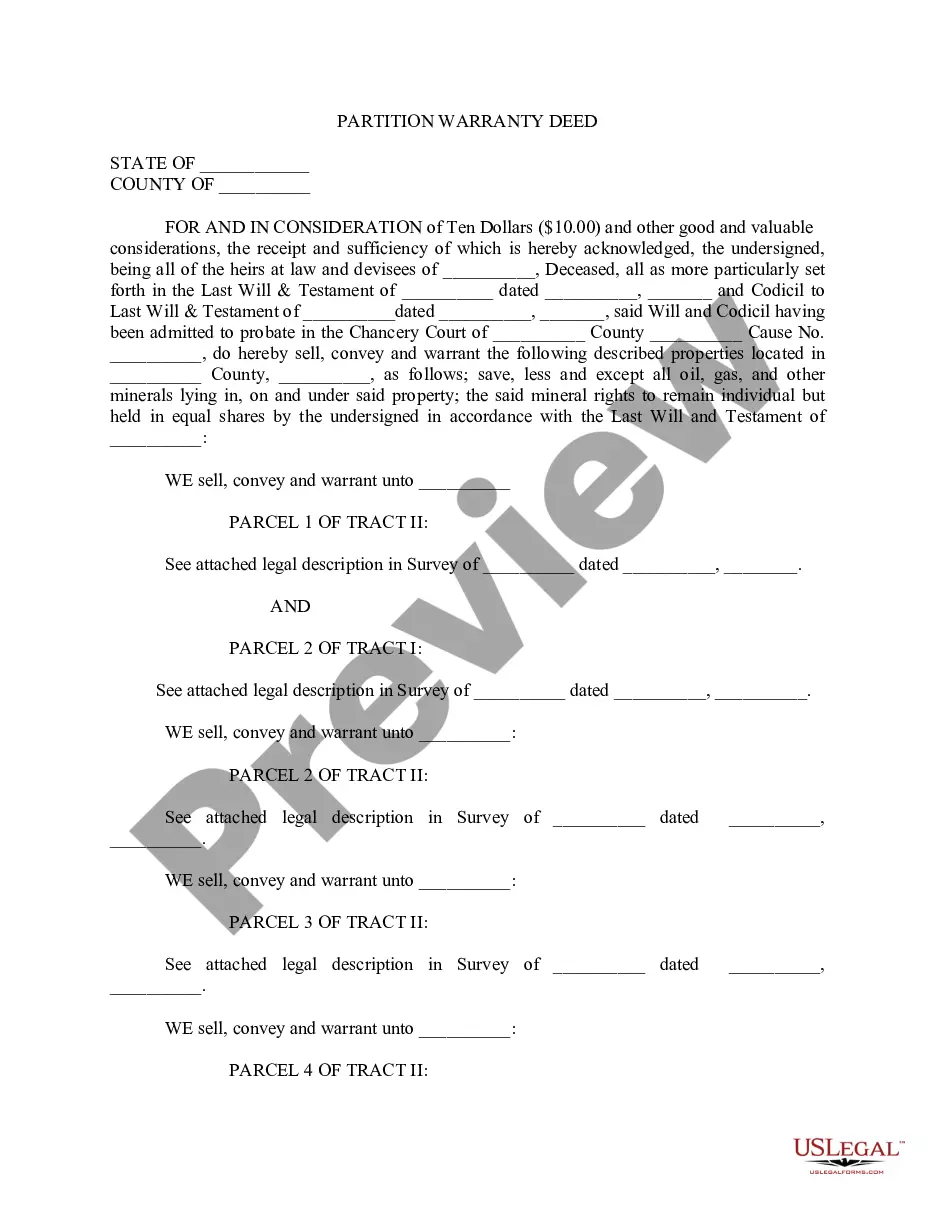
A deed is a legal document that conveys ownership of property from one party to another. It usually contains details such as the property's address, legal description, and the names of the parties involved. Understanding what a house deed looks like is important; it often includes signatures, a notary seal, and may appear on official paper with specific formatting. Familiarizing yourself with it helps ensure you recognize your property's ownership.
No, a deed and a title are not the same, although they are related. A deed is the physical document that transfers ownership of a property, while a title refers to the legal concept of ownership. Thus, when you look into what a house deed looks like, you're examining the document that provides you with the title to your property.
A common example of a deed is a warranty deed, which guarantees that the seller has clear ownership of the property and the right to sell it. This type of deed includes information such as the property's legal description and the names of the buyer and seller. Understanding how to read and what a house deed looks like can help you verify ownership and the property’s history.