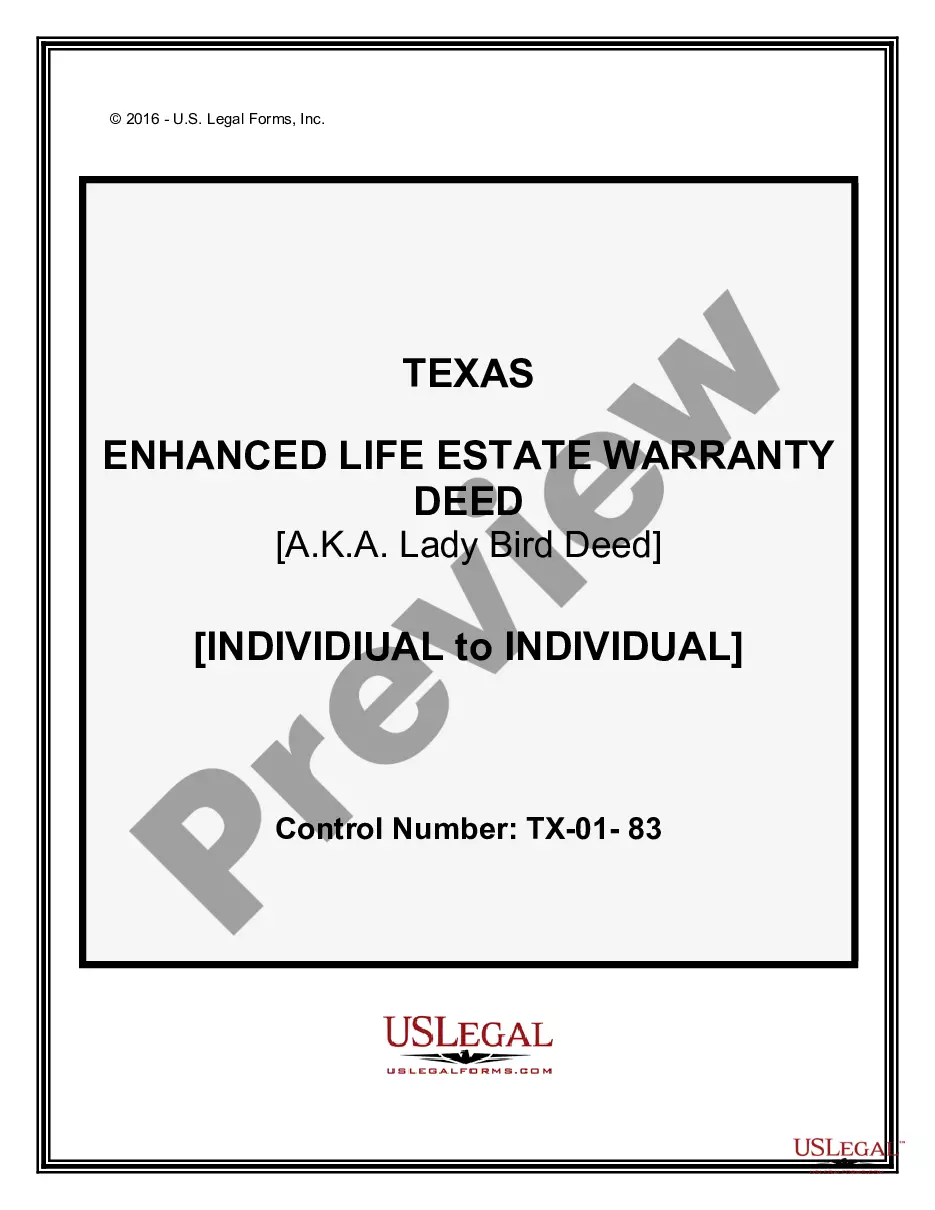
Texas Estate Deed For Transfer
Description

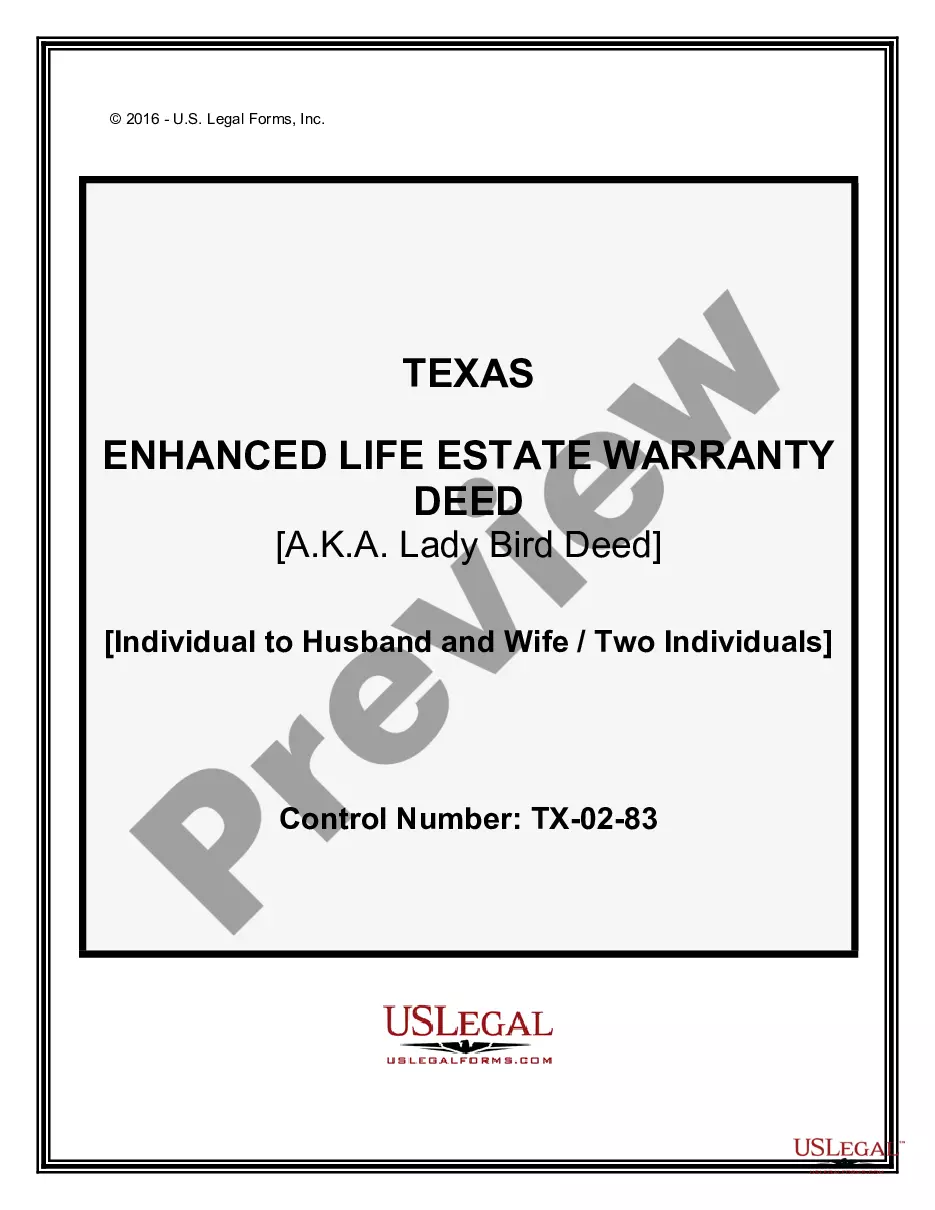
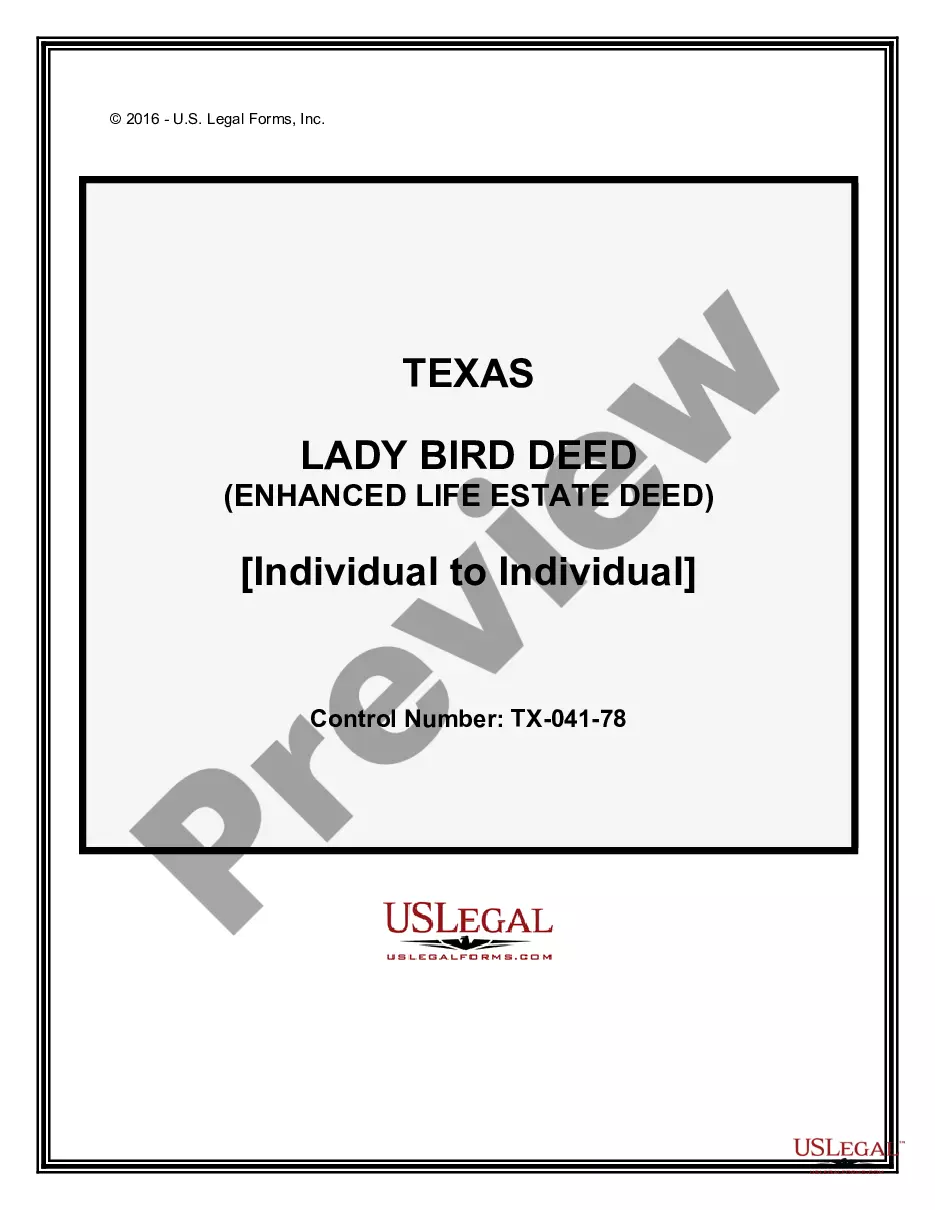
Get your form ready online
Our built-in tools help you complete, sign, share, and store your documents in one place.
Make edits, fill in missing information, and update formatting in US Legal Forms—just like you would in MS Word.
Download a copy, print it, send it by email, or mail it via USPS—whatever works best for your next step.
Sign and collect signatures with our SignNow integration. Send to multiple recipients, set reminders, and more. Go Premium to unlock E-Sign.
If this form requires notarization, complete it online through a secure video call—no need to meet a notary in person or wait for an appointment.
We protect your documents and personal data by following strict security and privacy standards.

Make edits, fill in missing information, and update formatting in US Legal Forms—just like you would in MS Word.

Download a copy, print it, send it by email, or mail it via USPS—whatever works best for your next step.

Sign and collect signatures with our SignNow integration. Send to multiple recipients, set reminders, and more. Go Premium to unlock E-Sign.

If this form requires notarization, complete it online through a secure video call—no need to meet a notary in person or wait for an appointment.

We protect your documents and personal data by following strict security and privacy standards.
Looking for another form?





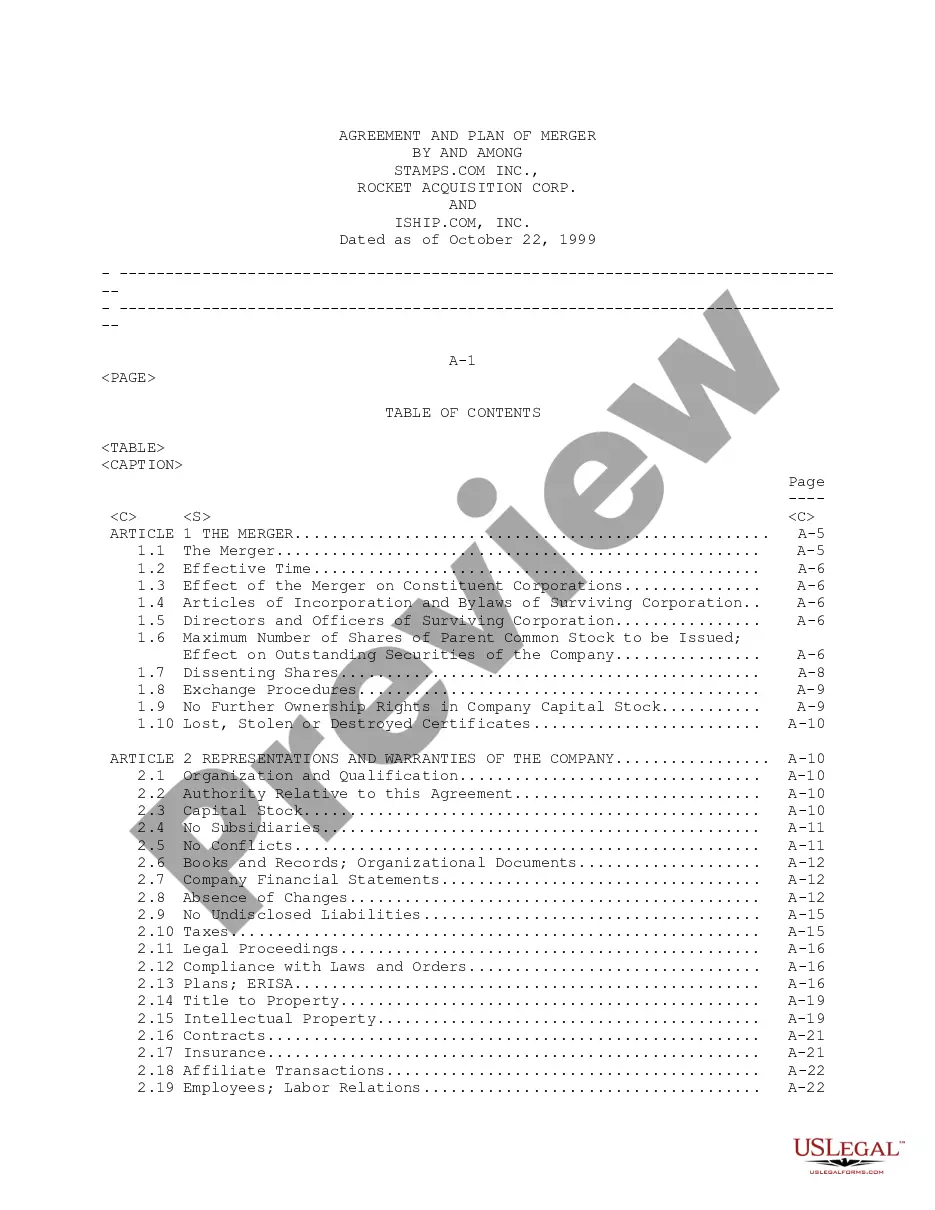



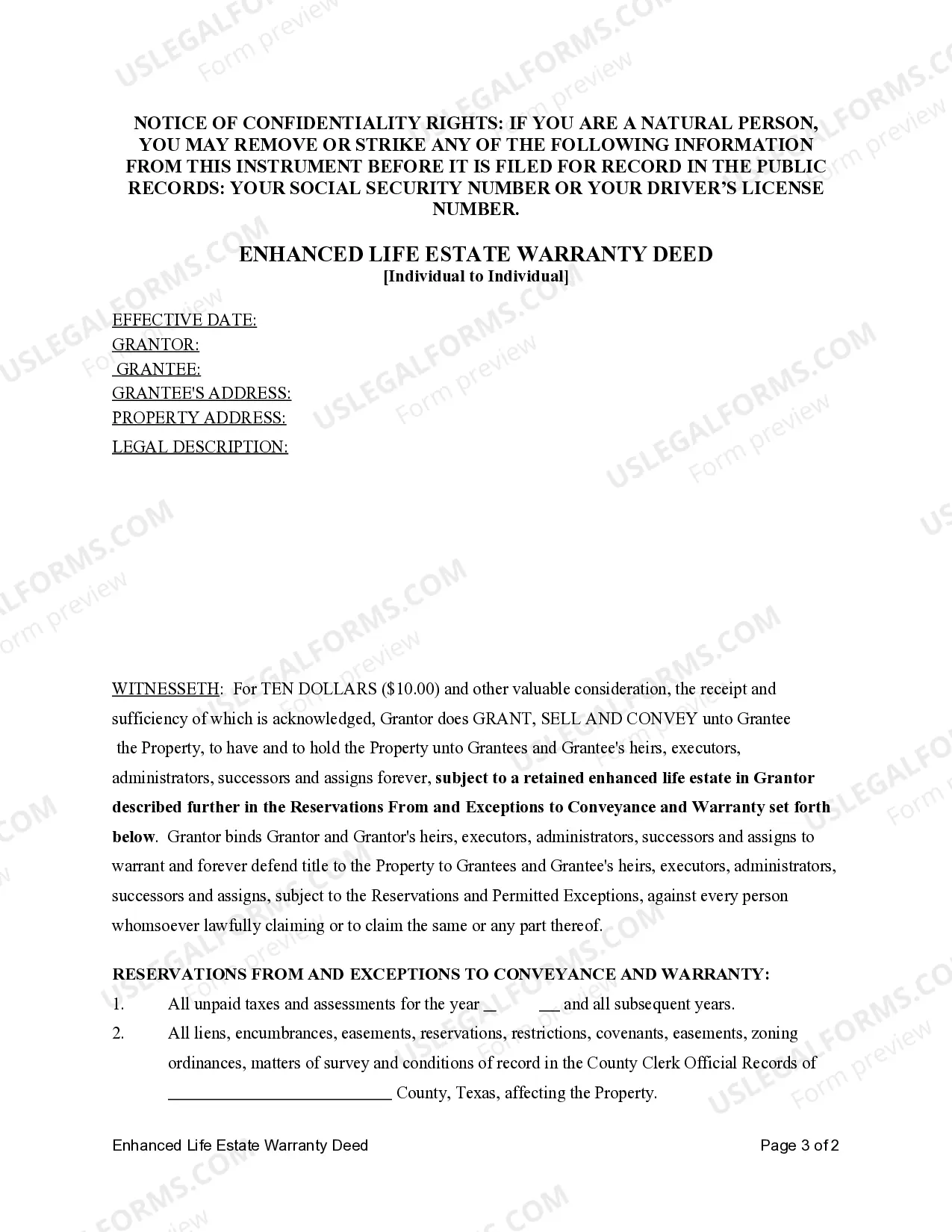
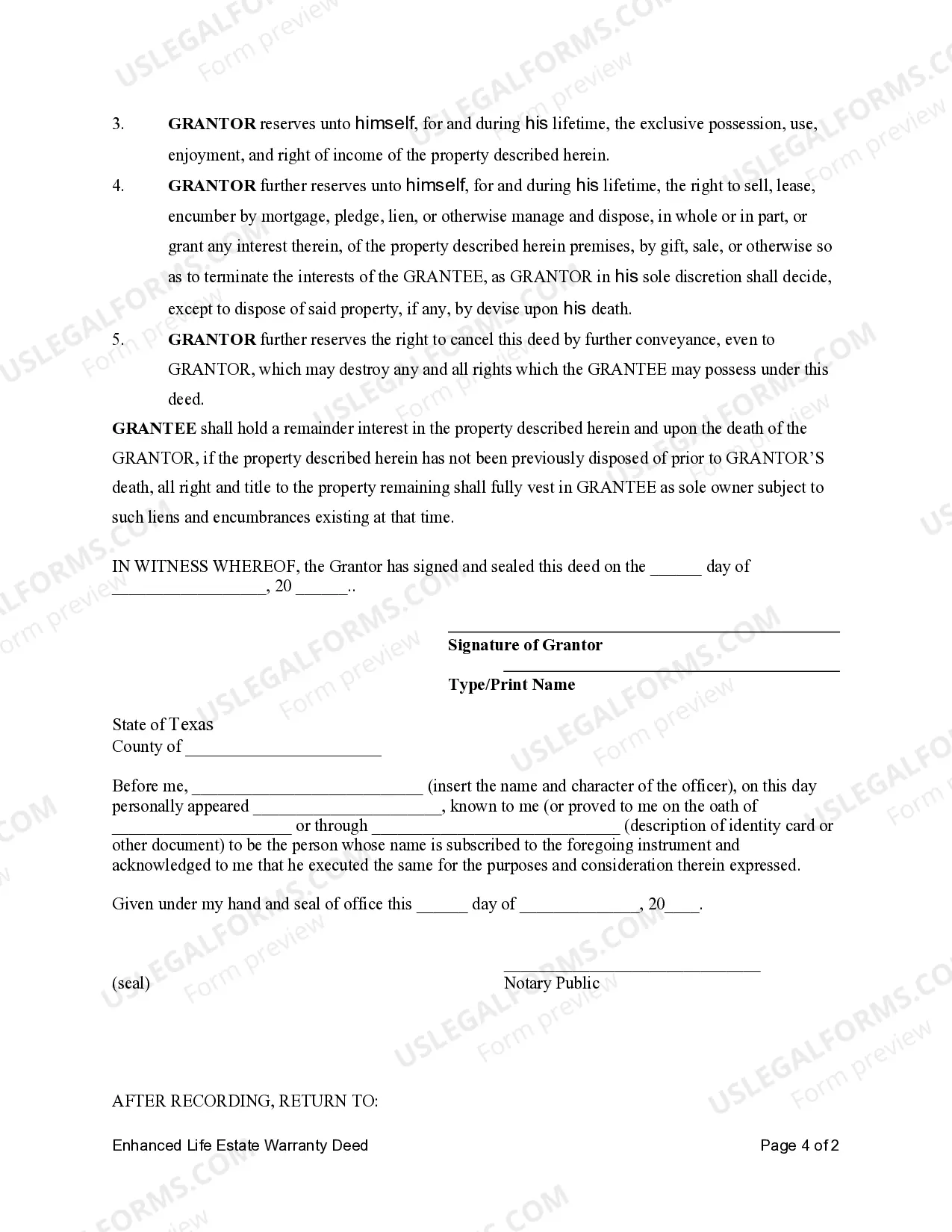
How to fill out Texas Lady Bird Or Enhanced Life Estate Warranty Deed - Individual To Individual?
- Log in to your account if you're a returning user. Ensure your subscription is active to download forms directly.
- Access the form's Preview mode and description. Verify that it aligns with your requirements and local jurisdiction.
- If necessary, utilize the Search function to find a suitable template that meets your specific needs.
- Proceed to purchase the document by clicking the Buy Now button. Select your preferred subscription plan and create your account for full access.
- Complete your payment using credit card information or your PayPal account.
- Download the completed form to your device, and you can access it anytime through the My Forms section in your profile.
In conclusion, US Legal Forms simplifies the process of obtaining legal documents, making it accessible for everyone. Enjoy the benefits of a robust collection of over 85,000 editable forms and expert assistance for precise completion.
Don't wait any longer—start your document preparation journey today!
Form popularity
FAQ
To transfer property after a parent’s death without a will in Texas, you may need a Texas estate deed for transfer. The first step is usually to gather the death certificate and any proof of your relation to the deceased. You might also want to consider filing an affidavit for a small estate to make the process smoother. Using platforms like US Legal Forms can guide you through the necessary steps and paperwork.
Transferring title to a deceased owner in Texas requires a Texas estate deed for transfer. First, determine if there is a will specifying the transfer process. If there isn’t a will, heirs can complete a small estate affidavit to facilitate the transfer. Additionally, gather necessary documents like the death certificate and proof of identity before visiting the DMV.
To transfer a title from a deceased person in Texas, you will need to obtain a Texas estate deed for transfer, along with proof of your identity and the deceased’s death certificate. If the estate includes a will, the executor should provide the will to the DMV. For estates without a will, family members may utilize an affidavit to expedite the process. Always check with the DMV for any additional documentation required.
When a vehicle owner dies in Texas, the title to the car can transfer through a Texas estate deed for transfer. If the deceased had a will, the vehicle's title may be transferred according to its terms. In the absence of a will, heirs can use a small estate affidavit to claim ownership. It’s important to check with your local DMV for specific requirements.
Getting a transfer on death deed in Texas involves a few essential steps. First, gather the required information about the property and the intended beneficiary. Next, use reliable resources like US Legal Forms to help you create a legally binding deed. After filling out the deed correctly, submit it to your local county clerk's office for recording, which will make it official and enforceable.
To obtain a transfer on death deed in Texas, you start by drafting the deed in accordance with Texas law. The document must include terms stating that the property will transfer upon the grantor's death. You can create this deed yourself, but many find it helpful to use an online platform, like US Legal Forms, which provides templates and guidance. Finally, file the completed deed with the county clerk's office in the county where the property is located to ensure validity.
While a transfer on death deed can simplify the transfer of property, it also has some disadvantages. One key concern is that the grantor does not retain full control over the property after the deed is established; it may limit your ability to sell or heavily modify the property. Additionally, the TOD deed can create complications if the beneficiary predeceases the grantor or if there are disputes among heirs. Evaluating these factors is essential when considering a Texas estate deed for transfer.
You do not necessarily need a lawyer for a transfer on death (TOD) deed in Texas, as the process is relatively straightforward. However, seeking legal advice can be beneficial for ensuring all legal requirements are met and for understanding your options. A Texas estate deed for transfer must comply with specific laws, so professional guidance can help avoid mistakes. Overall, if you feel confident in handling the paperwork, you may manage without legal representation.
To transfer a deed to another person in Texas, you must complete a new Texas estate deed for transfer. This involves filling out the appropriate deed form, such as a general warranty deed or a quitclaim deed, and then signing it in the presence of a notary public. After this, you should file the signed deed with the county clerk's office where the property is located to finalize the transfer. Utilizing platforms like US Legal Forms can help simplify this process by providing accurate forms and guidance.
While a ladybird deed can offer flexibility in property transfer, there are some disadvantages to consider. First, it may limit your ability to sell or mortgage the property without the consent of the beneficiary. Additionally, this type of Texas estate deed for transfer does not avoid probate, meaning your heirs may still deal with the probate process. Lastly, you should ensure that the deed format aligns with your overall estate planning strategy to avoid complications.