Executory Document With Will Annexed
Description

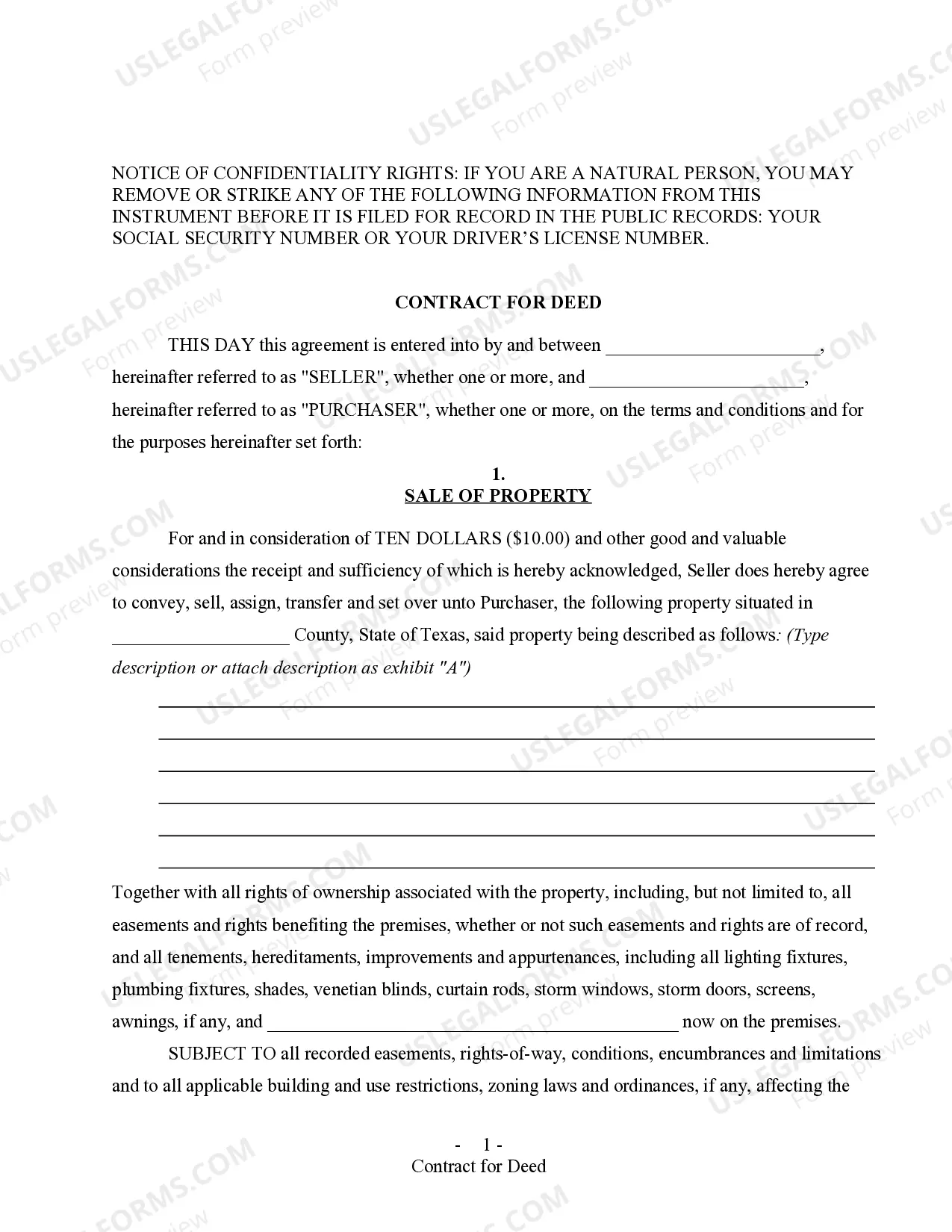
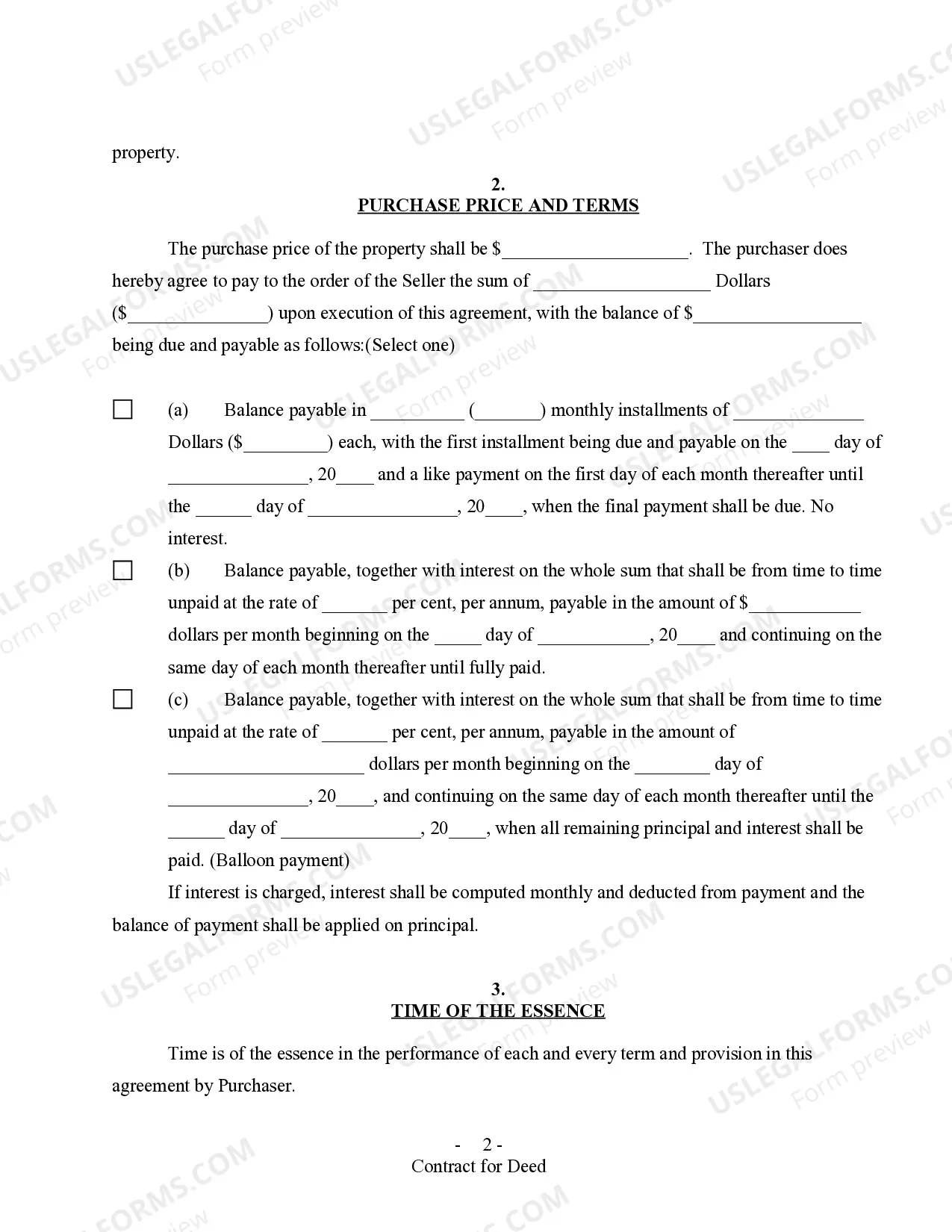
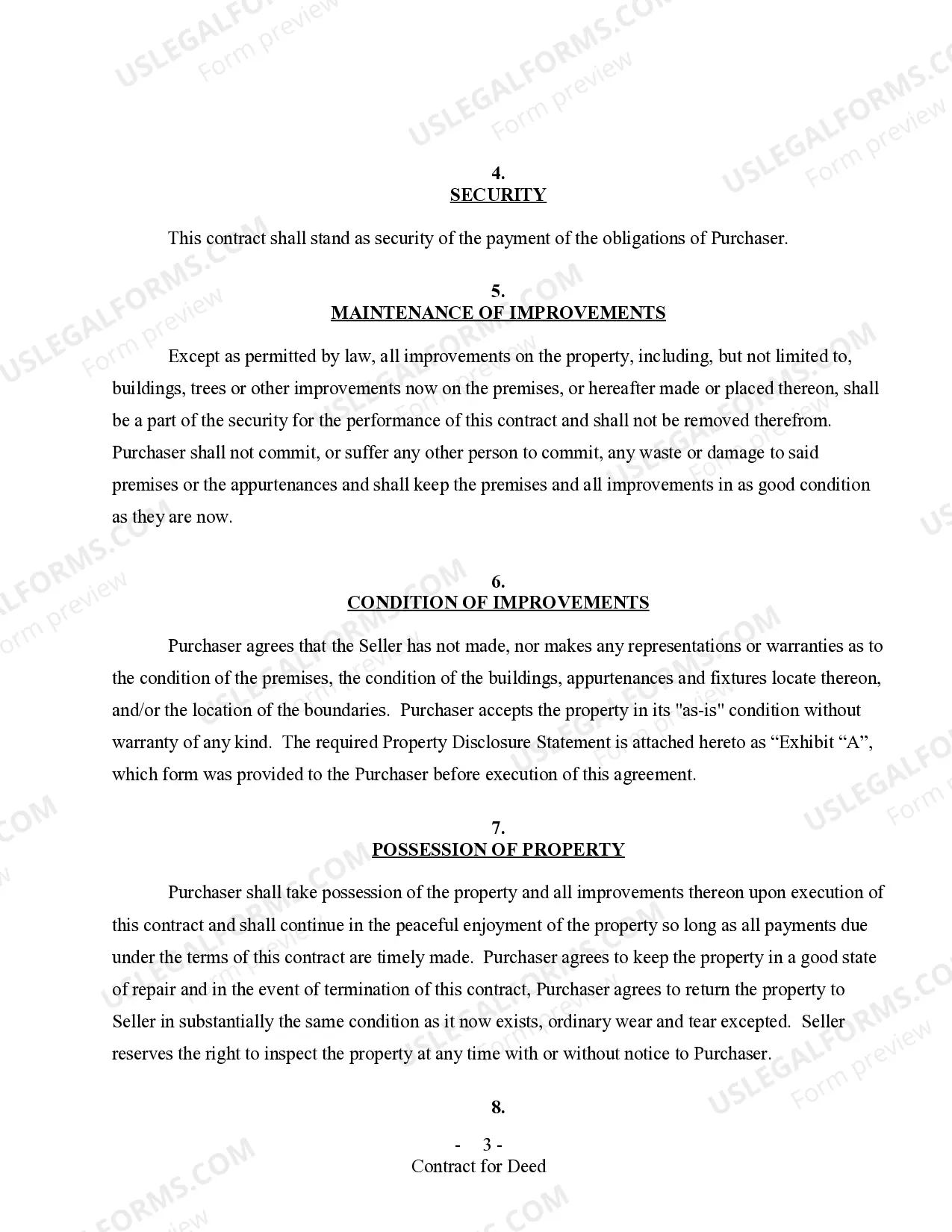
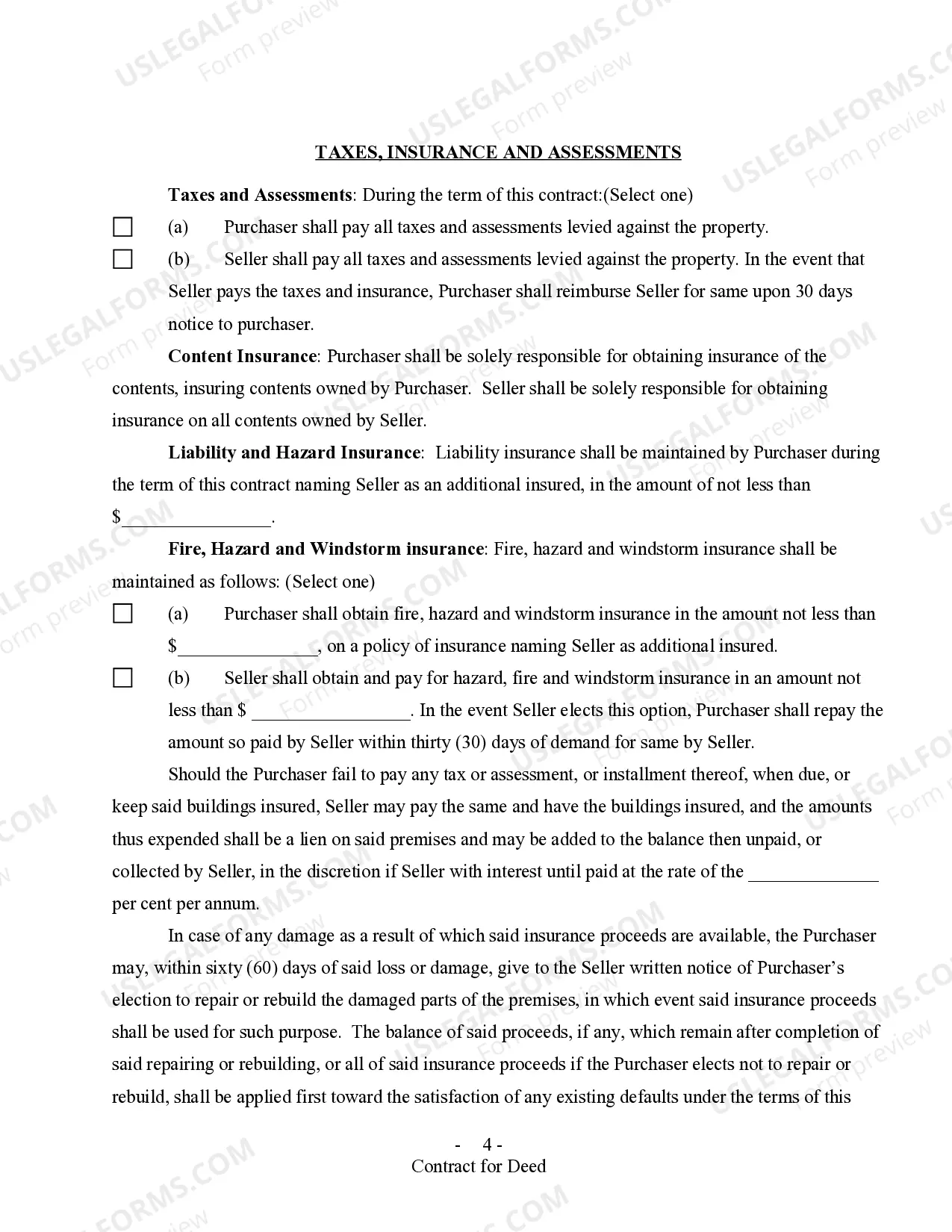

Get your form ready online
Our built-in tools help you complete, sign, share, and store your documents in one place.
Make edits, fill in missing information, and update formatting in US Legal Forms—just like you would in MS Word.
Download a copy, print it, send it by email, or mail it via USPS—whatever works best for your next step.
Sign and collect signatures with our SignNow integration. Send to multiple recipients, set reminders, and more. Go Premium to unlock E-Sign.
If this form requires notarization, complete it online through a secure video call—no need to meet a notary in person or wait for an appointment.
We protect your documents and personal data by following strict security and privacy standards.

Make edits, fill in missing information, and update formatting in US Legal Forms—just like you would in MS Word.

Download a copy, print it, send it by email, or mail it via USPS—whatever works best for your next step.

Sign and collect signatures with our SignNow integration. Send to multiple recipients, set reminders, and more. Go Premium to unlock E-Sign.

If this form requires notarization, complete it online through a secure video call—no need to meet a notary in person or wait for an appointment.

We protect your documents and personal data by following strict security and privacy standards.
Looking for another form?
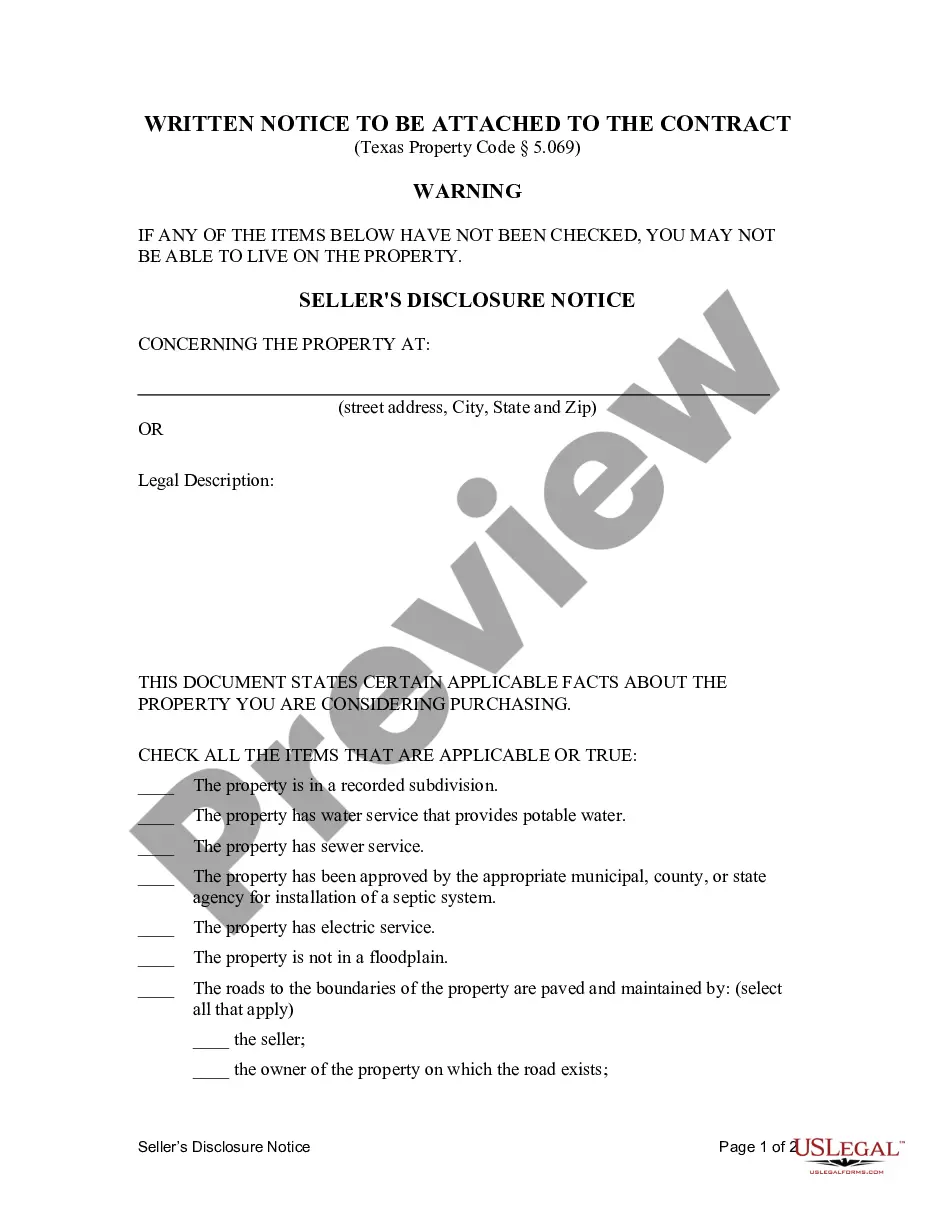



How to fill out All Texas Contract For Deed Forms For Residential Use - Land Contract, Agreement For Deed, Executory Contract?
- If you're a returning user, log in to your account and download the necessary form template by clicking the Download button. Ensure your subscription is active; if not, renew it according to your chosen payment plan.
- For first-time users, begin by reviewing the Preview mode and form description to confirm that you've selected the correct executory document with will annexed that complies with your local requirements.
- Should you find any inconsistencies, utilize the Search tab at the top to locate another appropriate template.
- To acquire the document, click the Buy Now button and select your desired subscription plan. Remember to register an account to access the resources available in the library.
- Finalize your purchase by entering your credit card information or using your PayPal account for the subscription payment.
- Download and save your form on your device, ensuring you can complete it later. You can access it anytime through the My Forms menu in your profile.
In conclusion, US Legal Forms is your go-to resource for acquiring legal documents with confidence. Their extensive library ensures you find exactly what you need, and the guidance from premium experts guarantees that your documents are legally sound.
Experience the ease of legal documentation today by visiting US Legal Forms and streamline your legal process!
Form popularity
FAQ
You can determine if you are an executor by checking the will of the deceased. The will typically names the appointed executor clearly. Additionally, if you receive letters testamentary or a related executory document with will annexed, it confirms your status and authority in managing the estate.
You can obtain proof of executorship from your local probate court, where you can request the letters testamentary. This document serves as legal confirmation of your role as executor. If you need assistance navigating this process, platforms like UsLegalForms offer resources to help you obtain the necessary documentation.
You can prove you are the executor by presenting letters testamentary issued by the probate court. This document is your legal authority to act on behalf of the estate. If you have an executory document with will annexed, it further supports your position in managing estate affairs.
An order admitting a will to probate is a court decision that recognizes a will as valid and enforces its provisions. This order initiates the legal process of executing the will, allowing the named executor to take action. By securing this order, you can proceed with settling the estate according to the deceased's wishes.
A letter stating you are the executor of the estate is an official document issued by the probate court. This letter serves as proof of your role and allows you to perform tasks on behalf of the estate, such as paying debts and distributing assets. Having this document is crucial for managing the estate legally.
A letter of administration with will annexed is a legal document issued when a person dies leaving a will but has not named an executor. This letter gives the appointed administrator the authority to manage the estate according to the deceased's wishes as outlined in the will. It's important for ensuring the estate is administered correctly.
The primary document that proves you are an executor is the 'letters testamentary,' which you obtain from a probate court. This document confirms your authority to act on behalf of the estate. In some cases, an executory document with will annexed might apply, especially if there is a will that requires specific legal proceedings.
The first step for an executor is to locate the will and any executory document with will annexed, making sure it is valid and legally binding. Next, the executor should notify beneficiaries and gather important information about assets and debts. This initial action sets the stage for effective estate management and minimization of delays.
The best executor is usually someone who is emotionally stable and capable of handling the complexities of estate management. Ideally, this person is also familiar with your wishes and values. When selecting an executor for an executory document with will annexed, think about their reliability and willingness to fulfill the role effectively.
Common mistakes include failing to communicate with beneficiaries, not keeping detailed records, or neglecting to collect all assets. Such actions can lead to confusion or disputes among family members. Avoiding these errors is essential for any executor managing an executory document with will annexed, as proper protocol ensures a smoother process.