Tennessee Driveway Laws For Vehicles
Description
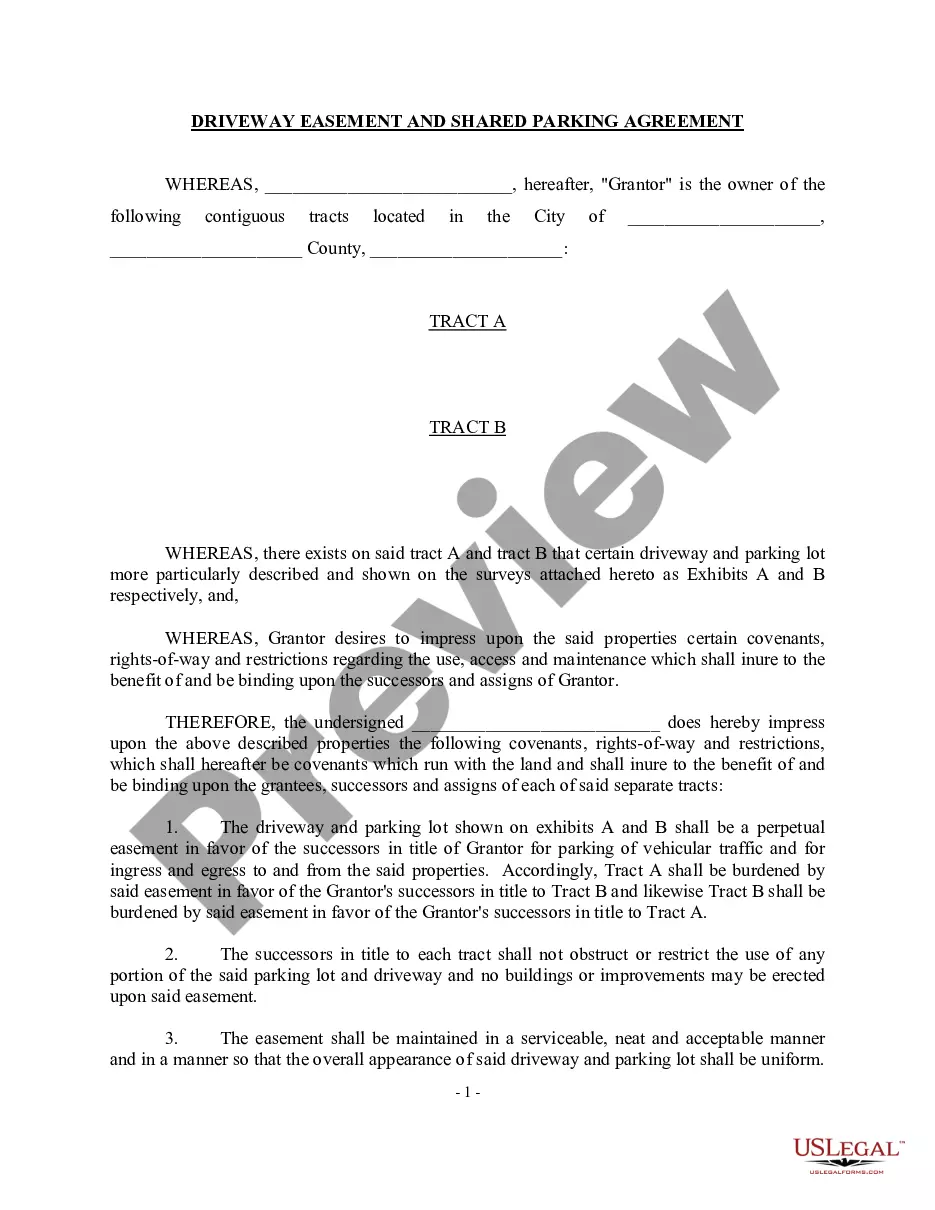








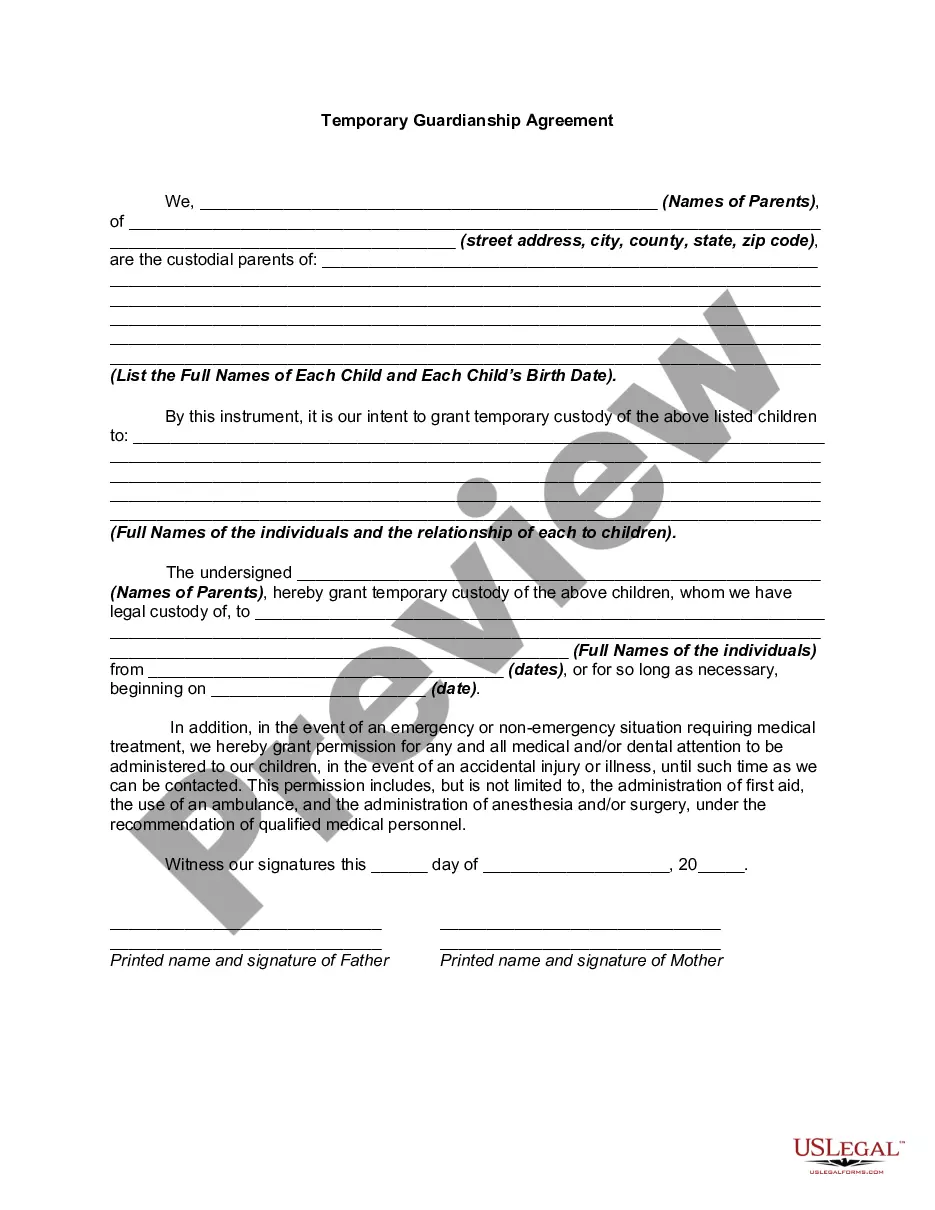

How to fill out Tennessee Driveway Easement?
The Tennessee Driveway Regulations For Vehicles displayed on this page is a reusable formal framework created by expert attorneys in accordance with national and local guidelines.
For over 25 years, US Legal Forms has delivered individuals, businesses, and legal professionals with over 85,000 authenticated, state-specific documents for any commercial and personal situation.
Choose the format you prefer for your Tennessee Driveway Regulations For Vehicles (PDF, DOCX, RTF) and save the document on your device.
- Search for the document you require and examine it.
- Navigate through the example you queried and preview it or read the document description to ensure it meets your requirements. If it doesn’t, use the search feature to locate the right one. Click Buy Now once you’ve identified the template you want.
- Register and Log In.
- Select the pricing option that fits you and create an account. Use PayPal or a credit card to make a quick payment. If you already have an account, Log In and verify your subscription to continue.
- Obtain the editable template.
Form popularity
FAQ
A driveway permit is an official approval required by local authorities before you can construct or modify a driveway on your property. Understanding Tennessee driveway laws for vehicles is crucial, as these laws dictate the necessary steps and guidelines for obtaining this permit. Typically, the permit process ensures that your driveway complies with safety standards and zoning regulations. You can simplify this process by using USLegalForms, which provides resources and guidance on navigating Tennessee driveway laws for vehicles.
You can certainly voice your concerns if someone parks in front of your house, especially if it obstructs your driveway or creates difficulties for you. Tennessee driveway laws for vehicles support your right to accessible parking at your residence. It's often best to approach the person politely first to resolve the issue directly. If that doesn't work, you might want to look into local regulations or seek assistance from local authorities.
Yes, it is generally legal to park in front of someone else's house in Tennessee, as long as it complies with Tennessee driveway laws for vehicles and does not block access to a driveway. However, local rules may vary, so it's wise to check specific municipal regulations. Being considerate of neighbors can help maintain a harmonious community. If conflicts arise, discussing the matter openly can help find a resolution.
Parking in front of someone's house in Tennessee is not illegal under general circumstances, as long as it does not obstruct access to driveways or violate local ordinances. However, it is always best to consider your neighbor's feelings and the neighborhood dynamics. If you find that parking becomes an issue, reaching out to your neighbor can foster better relations. Understanding local parking regulations can also provide clarity.
Yes, according to Tennessee driveway laws for vehicles, it is illegal to block a driveway. Blocking a driveway can impede access and create safety hazards for residents and emergency vehicles. If someone is blocking your driveway, it's advisable to communicate directly with them first. If the problem continues, you may need to contact local authorities to address the situation.
Under Tennessee driveway laws for vehicles, your neighbor can generally park in front of your house unless there are specific local ordinances that prohibit it. However, it's important to consider the impact on your driveway access and any potential disputes that may arise. Engaging in a friendly conversation with your neighbor can often resolve misunderstandings. If issues persist, you may want to consult local regulations or legal resources.
If you plan to pour your own driveway, you will likely need a permit under Tennessee driveway laws for vehicles. This requirement exists to ensure the project meets safety and zoning standards. To navigate the permitting process smoothly, consider using platforms like uslegalforms, which can provide the necessary documents and guidance.
Tennessee driveway laws for vehicles specify setbacks from property lines, which can vary by municipality. In many areas, the standard distance is around five to ten feet from the property line. It is crucial to consult local ordinances to ensure your driveway placement adheres to these regulations.
Yes, you typically need a permit for a new driveway in Tennessee. This requirement is part of the Tennessee driveway laws for vehicles, which aim to maintain public safety and proper land use. Before beginning any driveway project, check with your local zoning office to ensure compliance with all regulations.
Tennessee driveway laws for vehicles outline specific requirements for driveways to ensure safety and functionality. Generally, a driveway should be at least ten feet wide for residential use. Additionally, proper drainage must be considered to prevent flooding and erosion, making it essential to follow local guidelines.