North Carolina Eviction Laws Without Lease
Description

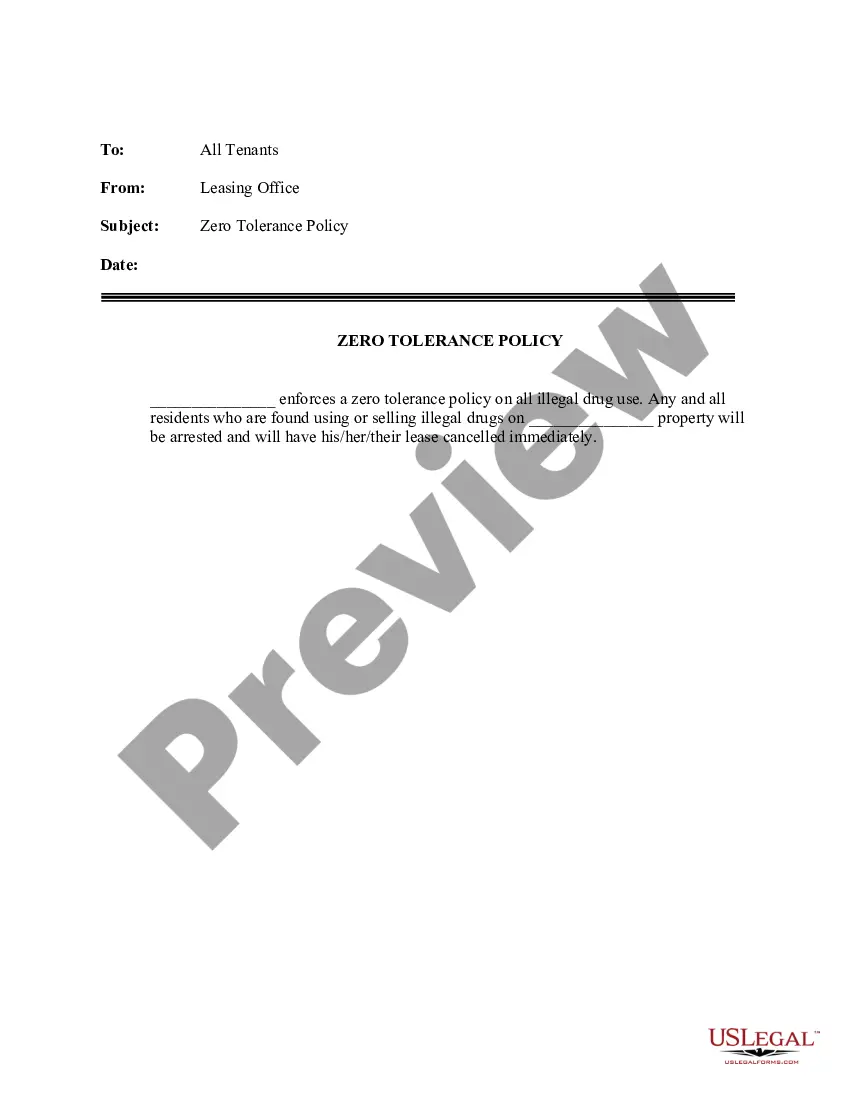
Get your form ready online
Our built-in tools help you complete, sign, share, and store your documents in one place.
Make edits, fill in missing information, and update formatting in US Legal Forms—just like you would in MS Word.
Download a copy, print it, send it by email, or mail it via USPS—whatever works best for your next step.
Sign and collect signatures with our SignNow integration. Send to multiple recipients, set reminders, and more. Go Premium to unlock E-Sign.
If this form requires notarization, complete it online through a secure video call—no need to meet a notary in person or wait for an appointment.
We protect your documents and personal data by following strict security and privacy standards.

Make edits, fill in missing information, and update formatting in US Legal Forms—just like you would in MS Word.

Download a copy, print it, send it by email, or mail it via USPS—whatever works best for your next step.

Sign and collect signatures with our SignNow integration. Send to multiple recipients, set reminders, and more. Go Premium to unlock E-Sign.

If this form requires notarization, complete it online through a secure video call—no need to meet a notary in person or wait for an appointment.

We protect your documents and personal data by following strict security and privacy standards.
Looking for another form?



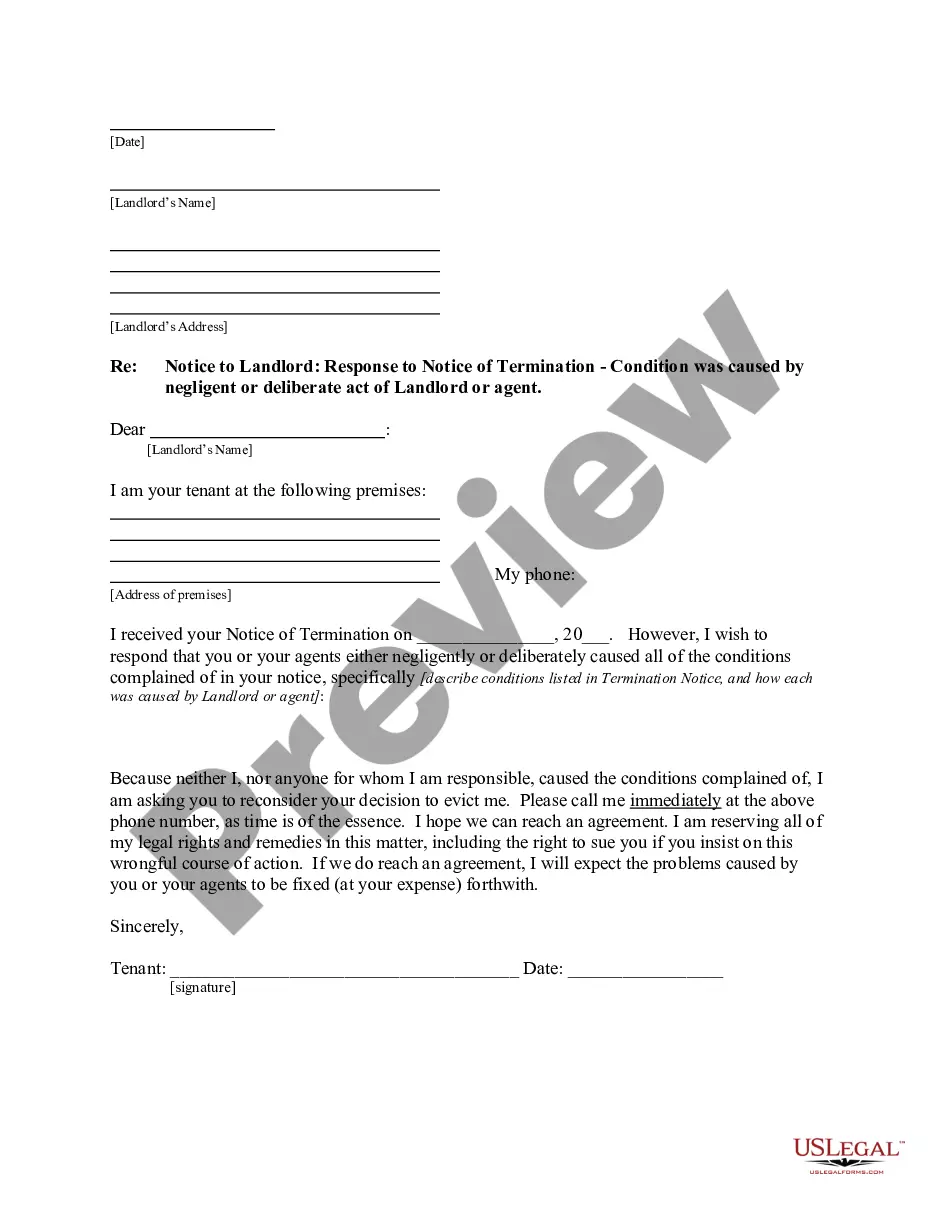
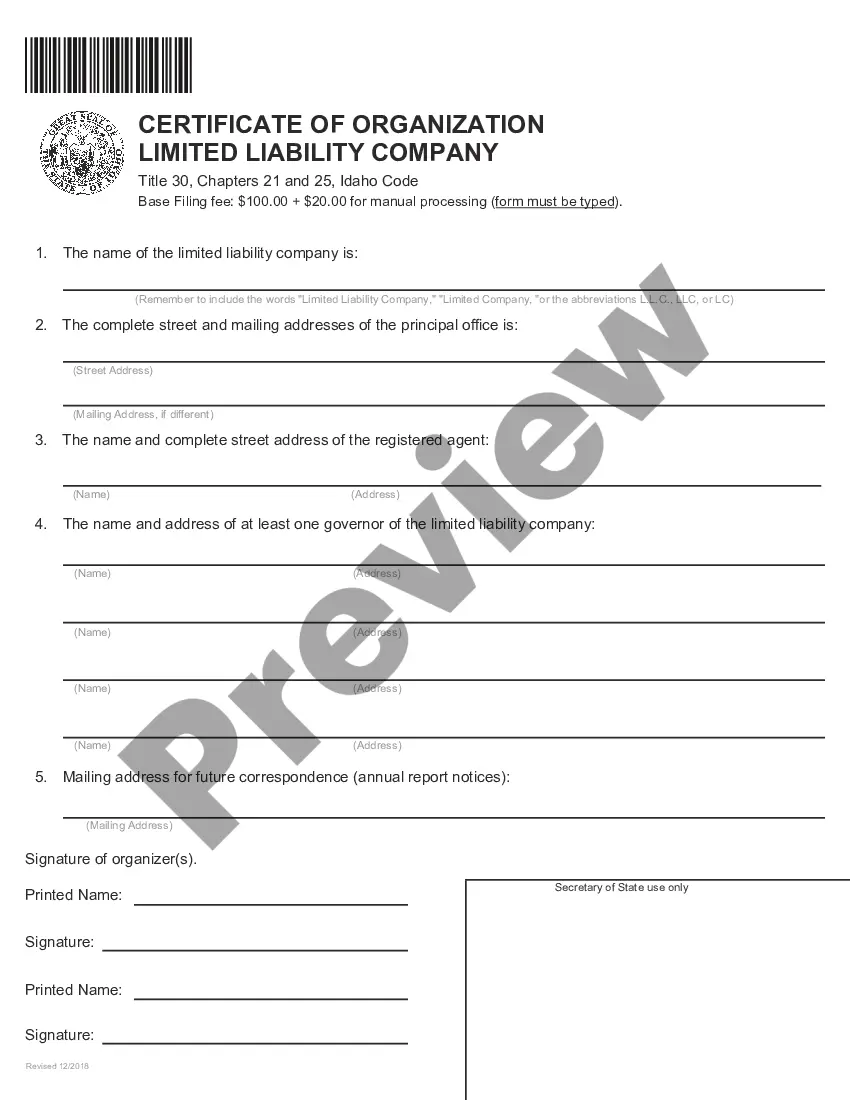
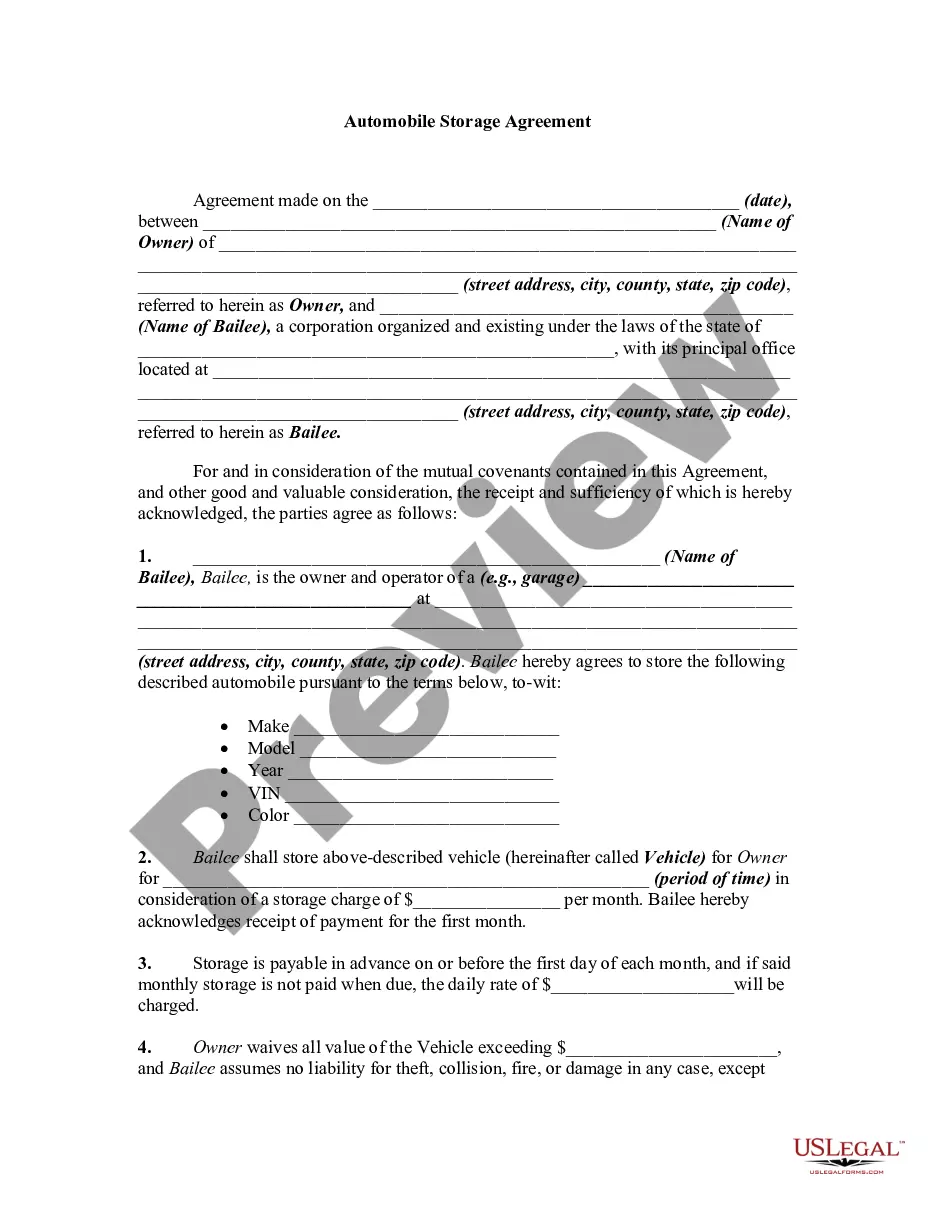
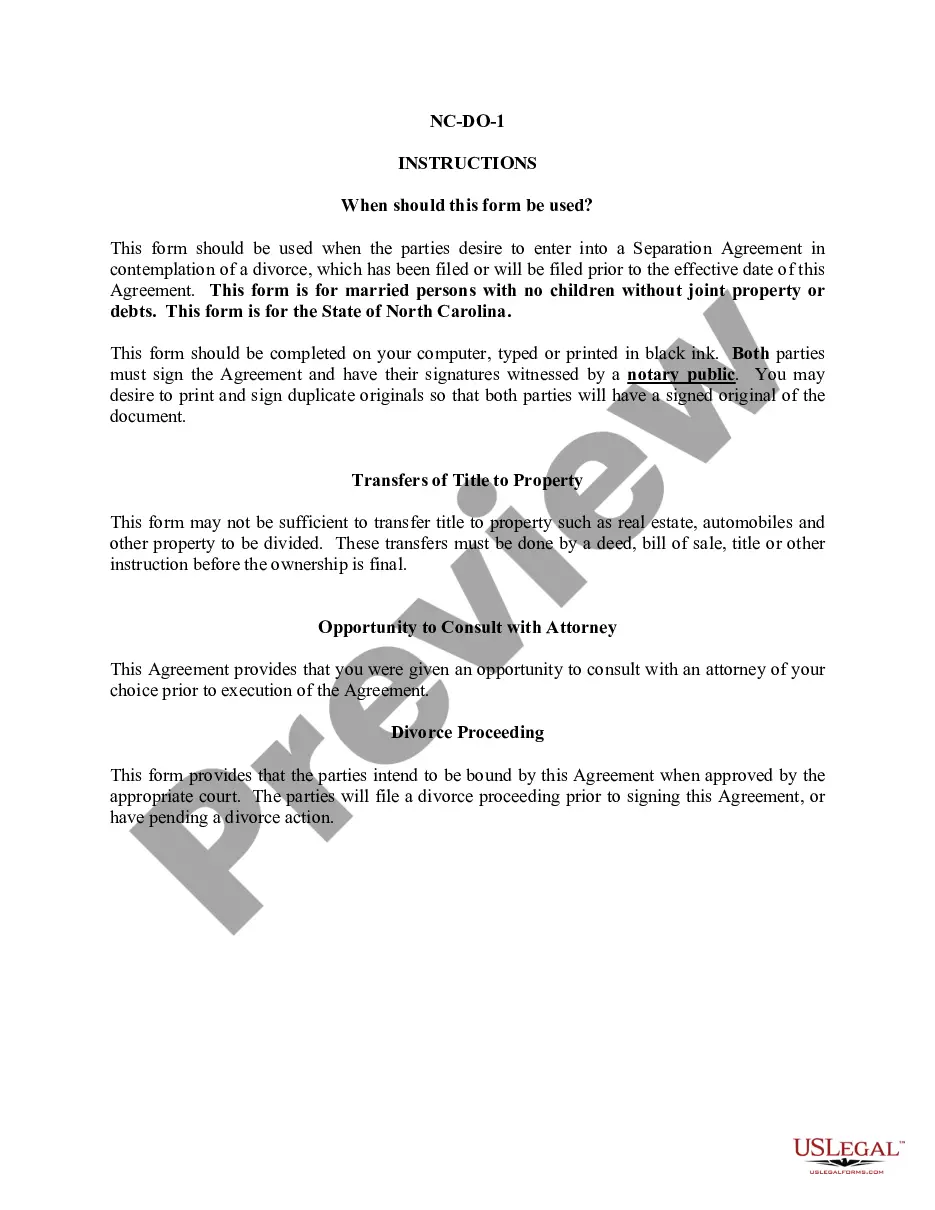


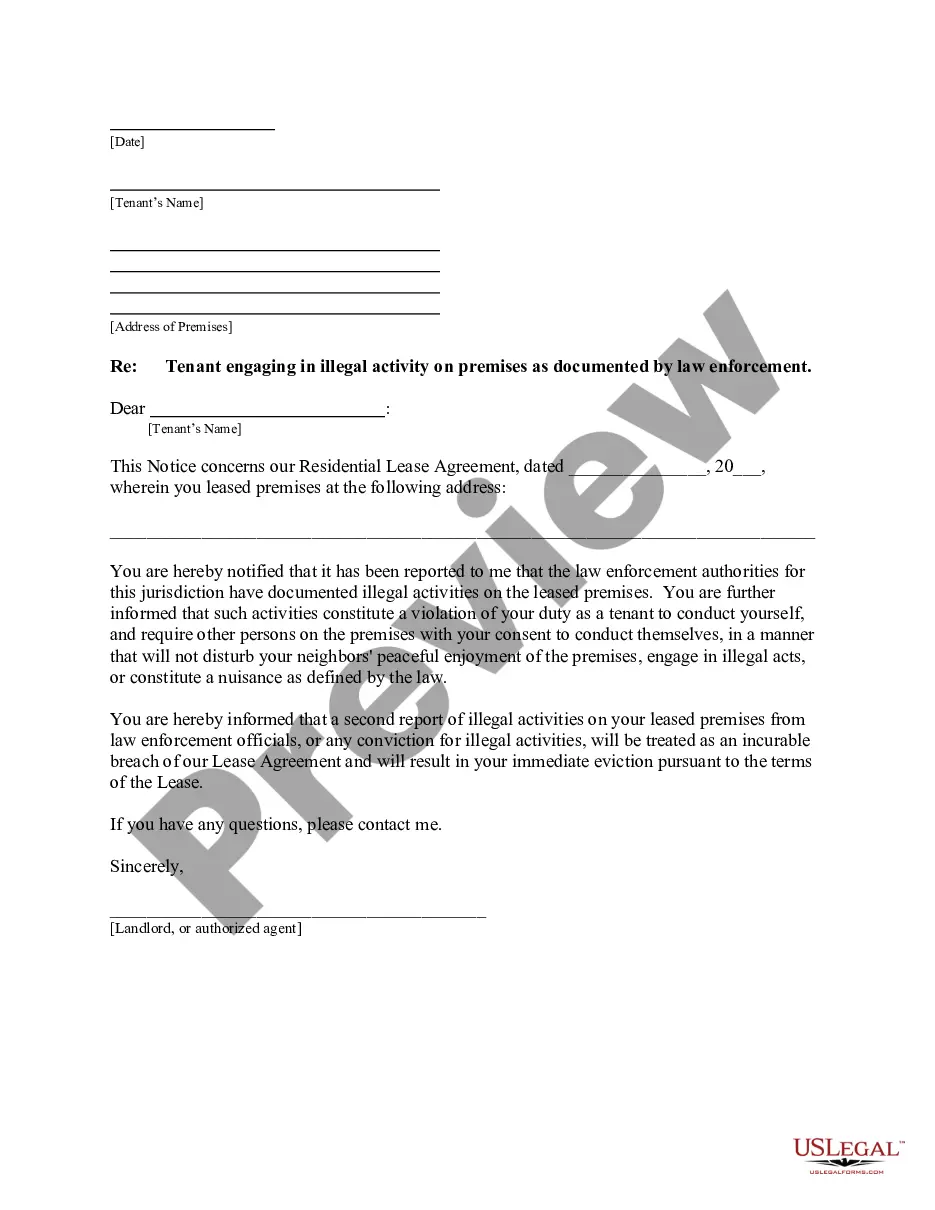
How to fill out South Carolina Letter From Landlord To Tenant About Tenant Engaging In Illegal Activity In Premises As Documented By Law Enforcement And If Repeated, Lease Terminates?
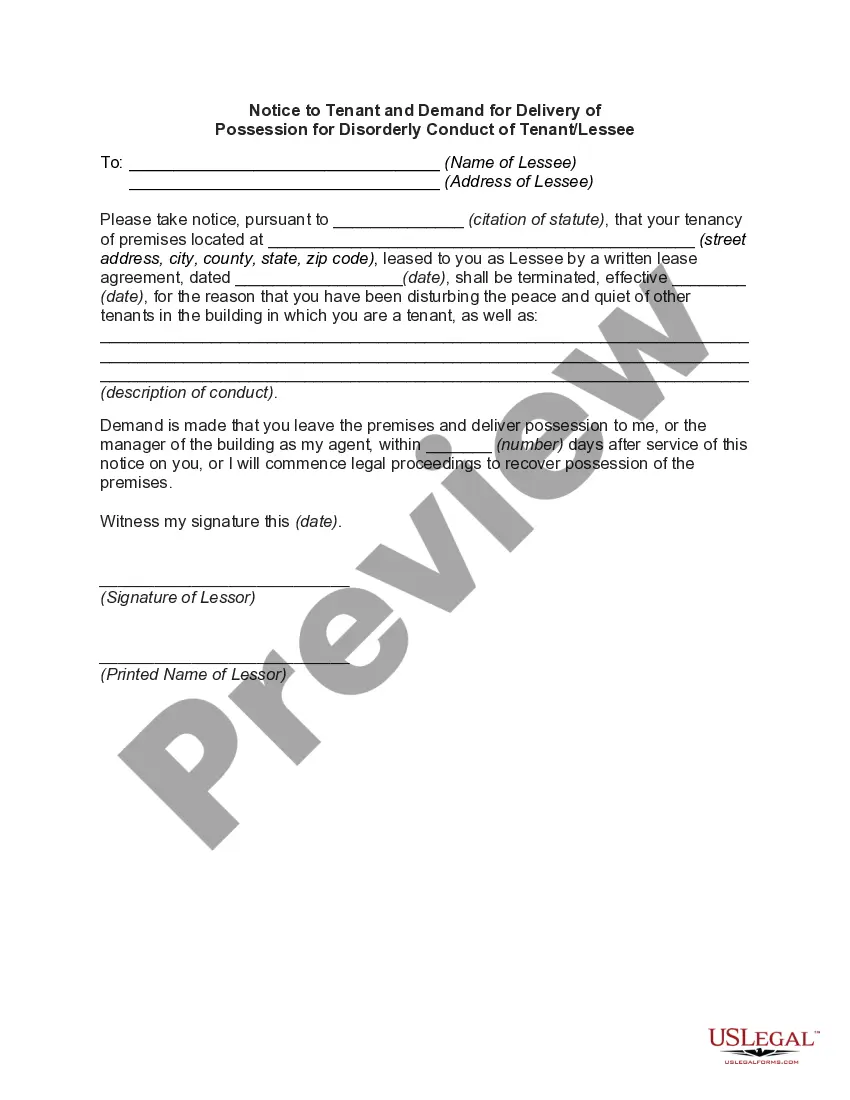
The North Carolina Eviction Laws Without Lease you see on this page is a reusable formal template drafted by professional lawyers in accordance with federal and local regulations. For more than 25 years, US Legal Forms has provided people, organizations, and legal professionals with more than 85,000 verified, state-specific forms for any business and personal scenario. It’s the quickest, easiest and most trustworthy way to obtain the documents you need, as the service guarantees the highest level of data security and anti-malware protection.
Obtaining this North Carolina Eviction Laws Without Lease will take you just a few simple steps:
- Browse for the document you need and review it. Look through the sample you searched and preview it or review the form description to verify it satisfies your needs. If it does not, use the search option to find the right one. Click Buy Now when you have located the template you need.
- Sign up and log in. Opt for the pricing plan that suits you and register for an account. Use PayPal or a credit card to make a prompt payment. If you already have an account, log in and check your subscription to proceed.
- Obtain the fillable template. Choose the format you want for your North Carolina Eviction Laws Without Lease (PDF, DOCX, RTF) and download the sample on your device.
- Fill out and sign the document. Print out the template to complete it by hand. Alternatively, utilize an online multi-functional PDF editor to quickly and precisely fill out and sign your form with a legally-binding] {electronic signature.
- Download your paperwork one more time. Use the same document once again whenever needed. Open the My Forms tab in your profile to redownload any previously purchased forms.
Subscribe to US Legal Forms to have verified legal templates for all of life’s scenarios at your disposal.
Form popularity
FAQ
A tenant is required to provide notice of their intent to vacate the premises at the end of the agreement term. With a lease of one year or more the notice period is 30 days. Even if your tenant provides verbal notice it is best to ask for a short written notice of their intent to quit.
1. To begin the eviction process, the landlord must file a Magistrate's Summons and a Complaint in Summary Ejectment with the Clerk of Court. In most cases, the landlord must give the tenant advance notice to end the lease or make a demand for past-due rent before starting the eviction process.
Complaint for Summary Ejectment (CVM-201): This form opens an eviction case against a tenant. Summons (CVM-100): Once the Complaint has been filed, the court will produce the Summons. It states the case against the tenant and indicates the hearing date for the landlord and tenant to appear in court.
The North Carolina Office of Administrative Hearings and the Fair Housing Act prohibit landlords from discriminating against potential tenants because of their race, religion, familial status, sex, gender, etc.
For month-to-month leases, there must be seven days of notice. For year-to-year leases or those with other definite terms, landlords must notify the tenant, or vice versa, within a month of the end of the lease. On leases lasting between one week and one month, notice must be given at least two days in advance.