Our Landlord
Description

Get your form ready online
Our built-in tools help you complete, sign, share, and store your documents in one place.
Make edits, fill in missing information, and update formatting in US Legal Forms—just like you would in MS Word.
Download a copy, print it, send it by email, or mail it via USPS—whatever works best for your next step.
Sign and collect signatures with our SignNow integration. Send to multiple recipients, set reminders, and more. Go Premium to unlock E-Sign.
If this form requires notarization, complete it online through a secure video call—no need to meet a notary in person or wait for an appointment.
We protect your documents and personal data by following strict security and privacy standards.

Make edits, fill in missing information, and update formatting in US Legal Forms—just like you would in MS Word.

Download a copy, print it, send it by email, or mail it via USPS—whatever works best for your next step.

Sign and collect signatures with our SignNow integration. Send to multiple recipients, set reminders, and more. Go Premium to unlock E-Sign.

If this form requires notarization, complete it online through a secure video call—no need to meet a notary in person or wait for an appointment.

We protect your documents and personal data by following strict security and privacy standards.
Looking for another form?






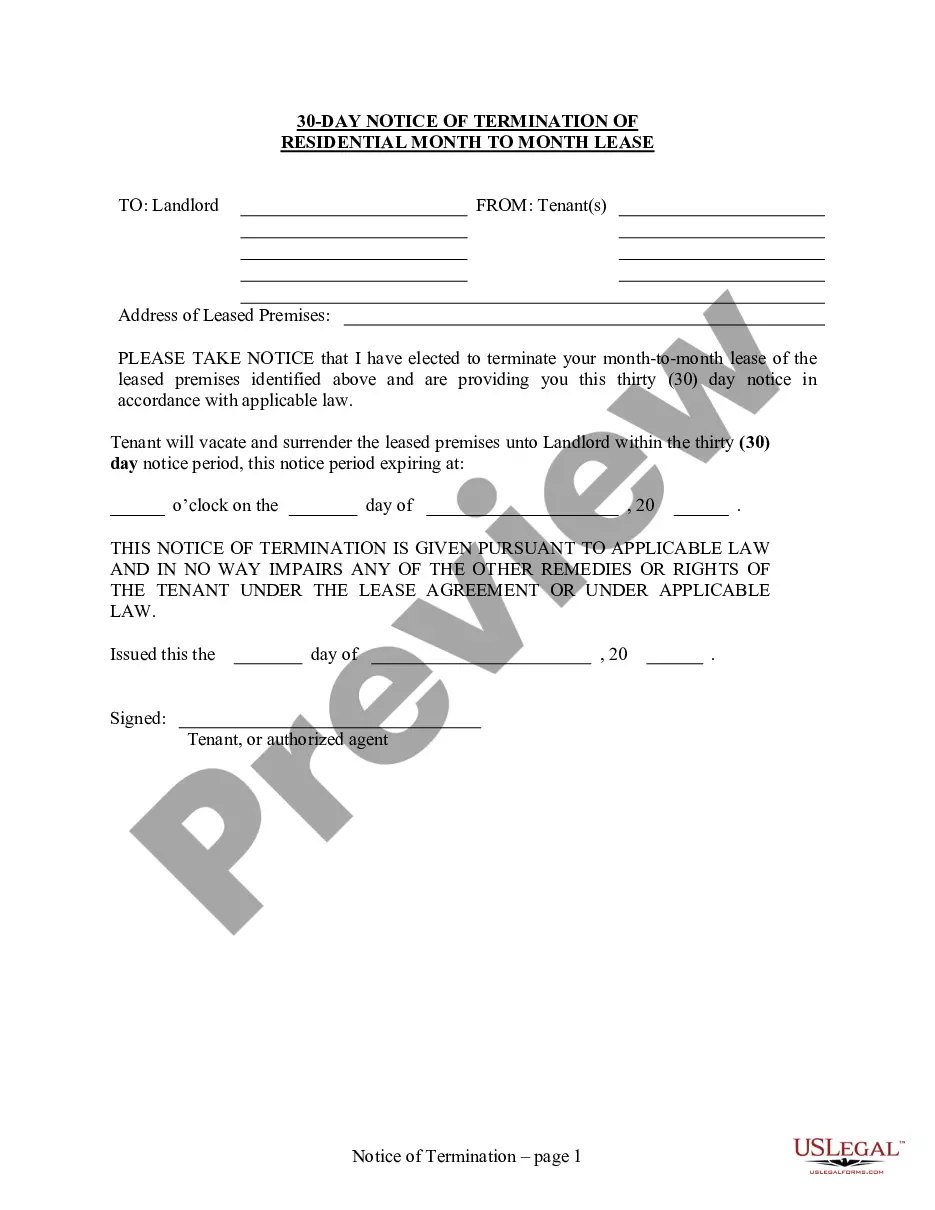
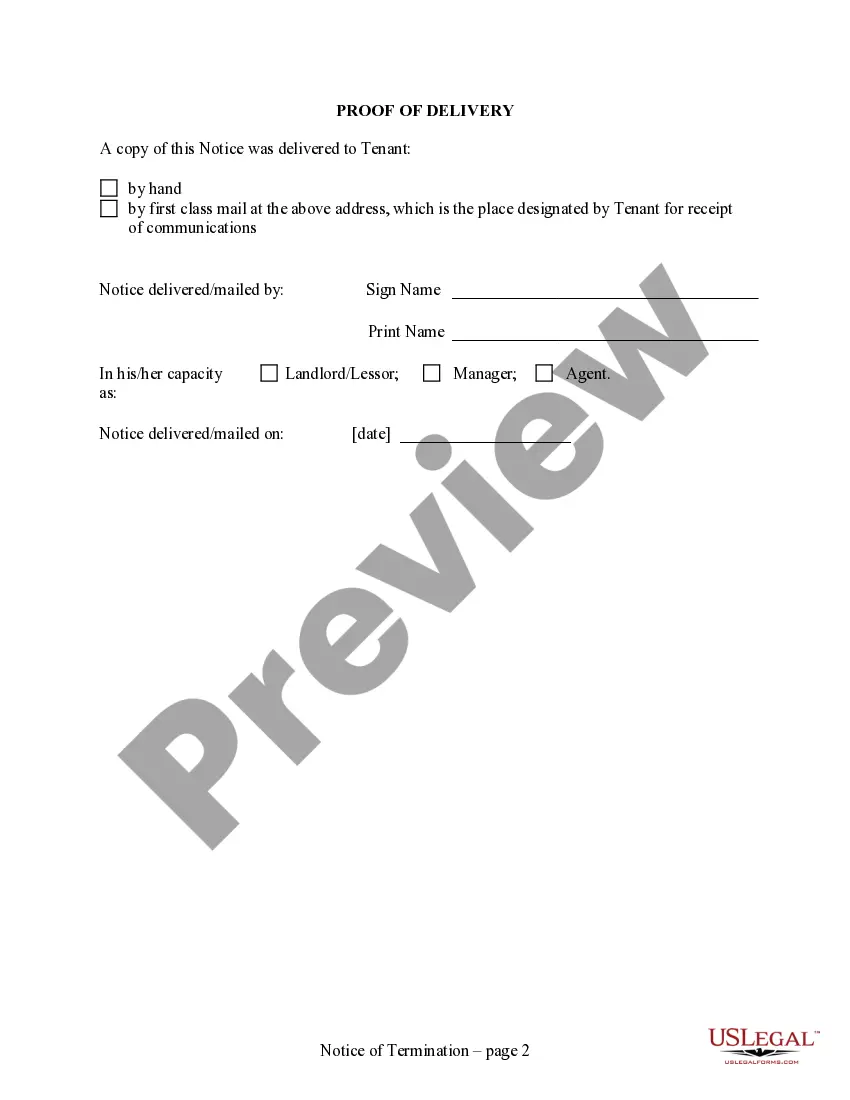
How to fill out Oregon 30 Day Or 60 Day Notice To Terminate Month To Month Lease For Residential From Tenant To Landlord?
- If you're a returning user, log in to your account and ensure your subscription is active. Then, proceed to download the desired form template by clicking the Download button.
- For first-time users, start by exploring the Preview mode and reading the form description. This will help you verify that the form meets your specific needs and complies with your local jurisdiction.
- If the chosen document doesn’t align with your requirements, utilize the Search feature to find an alternative template.
- Next, purchase the document by clicking the Buy Now button. Select a suitable subscription plan and create an account to access the full library.
- Finalize your purchase by entering your credit card information or using your PayPal account for payment.
- Download the completed form and save it to your device. Access the template anytime from the My Forms section of your profile.
US Legal Forms not only offers a vast collection of forms, but it also provides access to premium experts who can assist with form completion. This ensures that your documents are not only filled correctly but are also legally sound.
Take control of your legal needs today! Explore US Legal Forms to simplify your documentation process.
Form popularity
FAQ
Most apartment background checks typically examine records up to seven years back, which can include criminal history and eviction records. Each landlord may have different policies on what they consider relevant when evaluating applicants. It’s beneficial to be upfront about any past issues you may have with our landlord. This honesty can help build transparency and trust in your application.
Most landlords utilize national tenant screening services that provide a thorough background check. This can include credit reports, criminal history, and rental history. Knowing what to expect can help reassure you during the application process with our landlord. Consider using a service like ours to check your background before applying, as this can help you identify any issues beforehand.
In North Carolina, tenants can report problematic landlords to the North Carolina Attorney General's Office or the local housing authority. If your landlord violates rental agreements or state housing laws, these organizations may assist in addressing the issue. Furthermore, being informed about your rights as a tenant can empower you during disputes with our landlord. Collect necessary documentation to support your claims when reporting these issues.
Landlords typically check rental history through tenant screening services that access public records and databases. They may ask for references from previous landlords as part of the application process. By providing clear and accurate information about your past rentals, you can build trust with our landlord. This proactive approach can help you present a strong case as a responsible tenant.
Negative aspects of rental history include late payment patterns, previous evictions, or breaking a lease without proper notice. These issues can significantly impact your ability to secure a rental with our landlord. To improve your rental history, ensure timely payments and maintain clear communication with past landlords. Address any concerns directly if you encounter issues.
Most apartments conduct comprehensive background checks that review credit history, criminal records, and eviction history. These checks help landlords assess whether applicants can reliably meet their rental obligations. By understanding what background checks involve, you can prepare and increase your chances of approval with our landlord. It's also a good idea to review your own background report before applying.
Being our landlord means managing a rental property while upholding legal and ethical responsibilities. This includes maintaining the property, ensuring habitability, and respecting tenant rights. Understanding these responsibilities is essential to foster a positive tenant-landlord relationship.
In modern context, our landlord refers to anyone who owns and rents out property to tenants. This can range from individuals with a single rental unit to large property management companies. Engaging with our landlord usually involves adhering to the terms set forth in a lease agreement.
Historically, the term our landlord referred to a feudal lord who owned land and had rights over tenants. This sense of ownership carried significant authority. Nowadays, the term has evolved but retains its primary meaning related to property rental.
Generally, our landlord cannot enter your home without proper notice or permission from you. Most laws require landlords to provide advance notice, usually 24 to 48 hours, before entering the premises. Familiarizing yourself with local rental laws can help you enforce your right to privacy.