Title 30 Guardianship Oklahoma Forum
Description

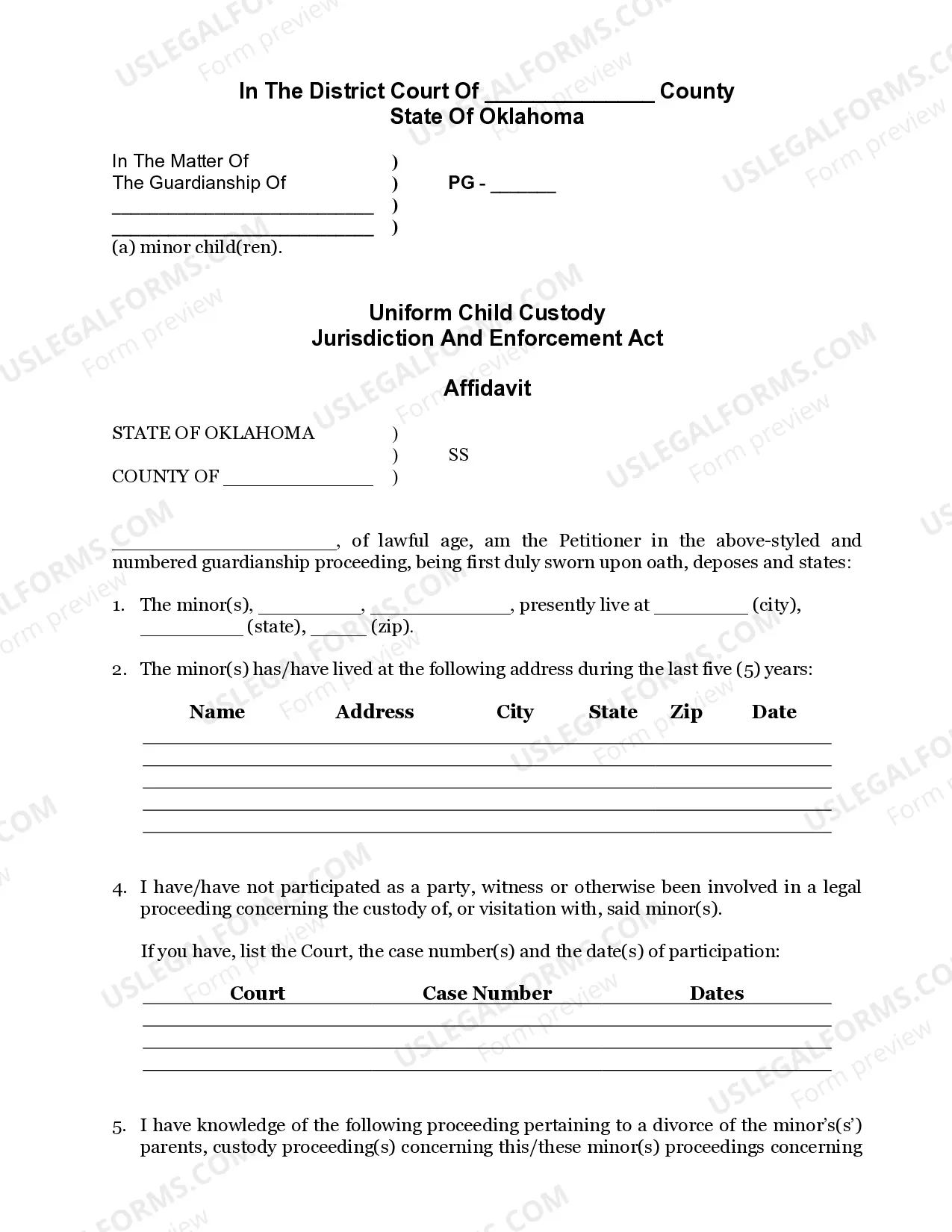
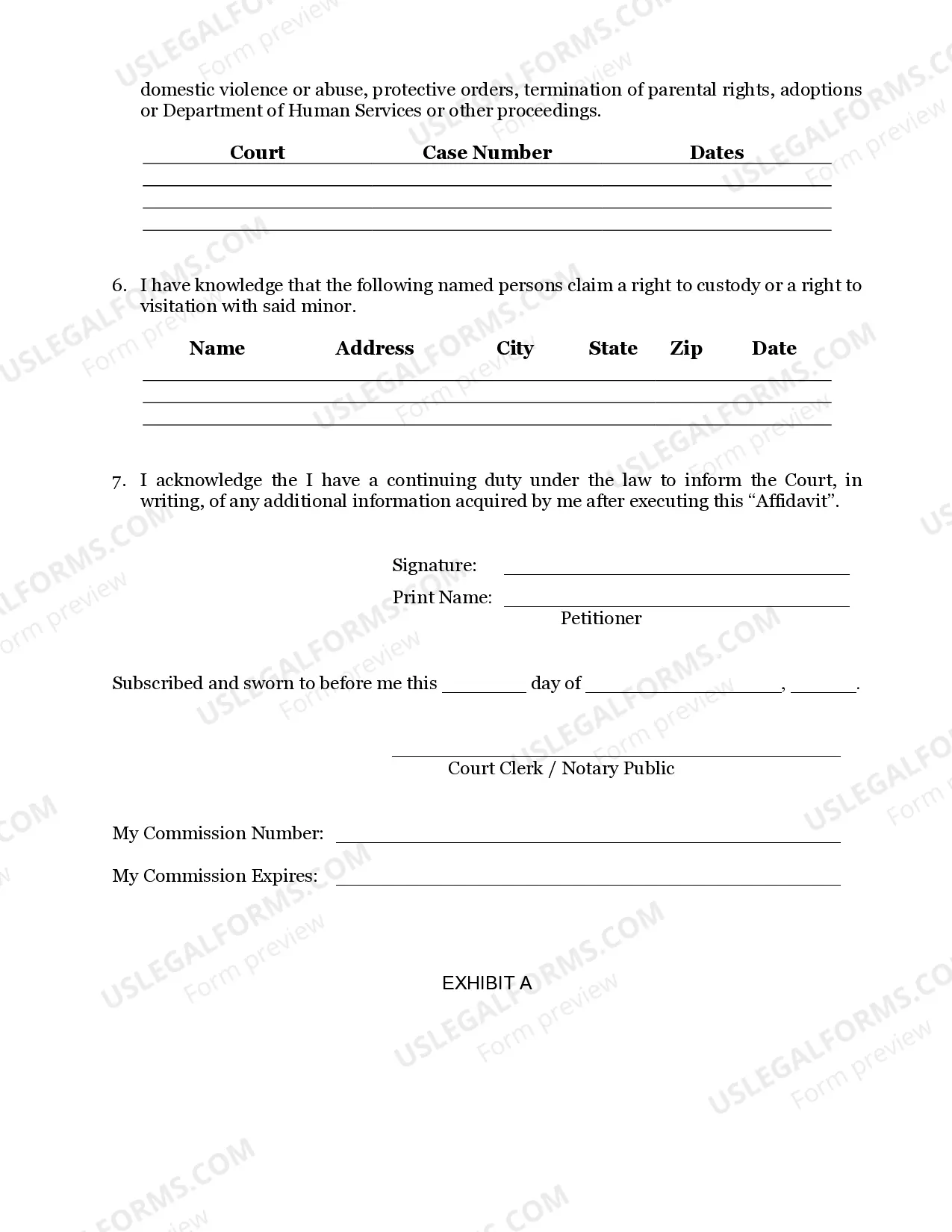
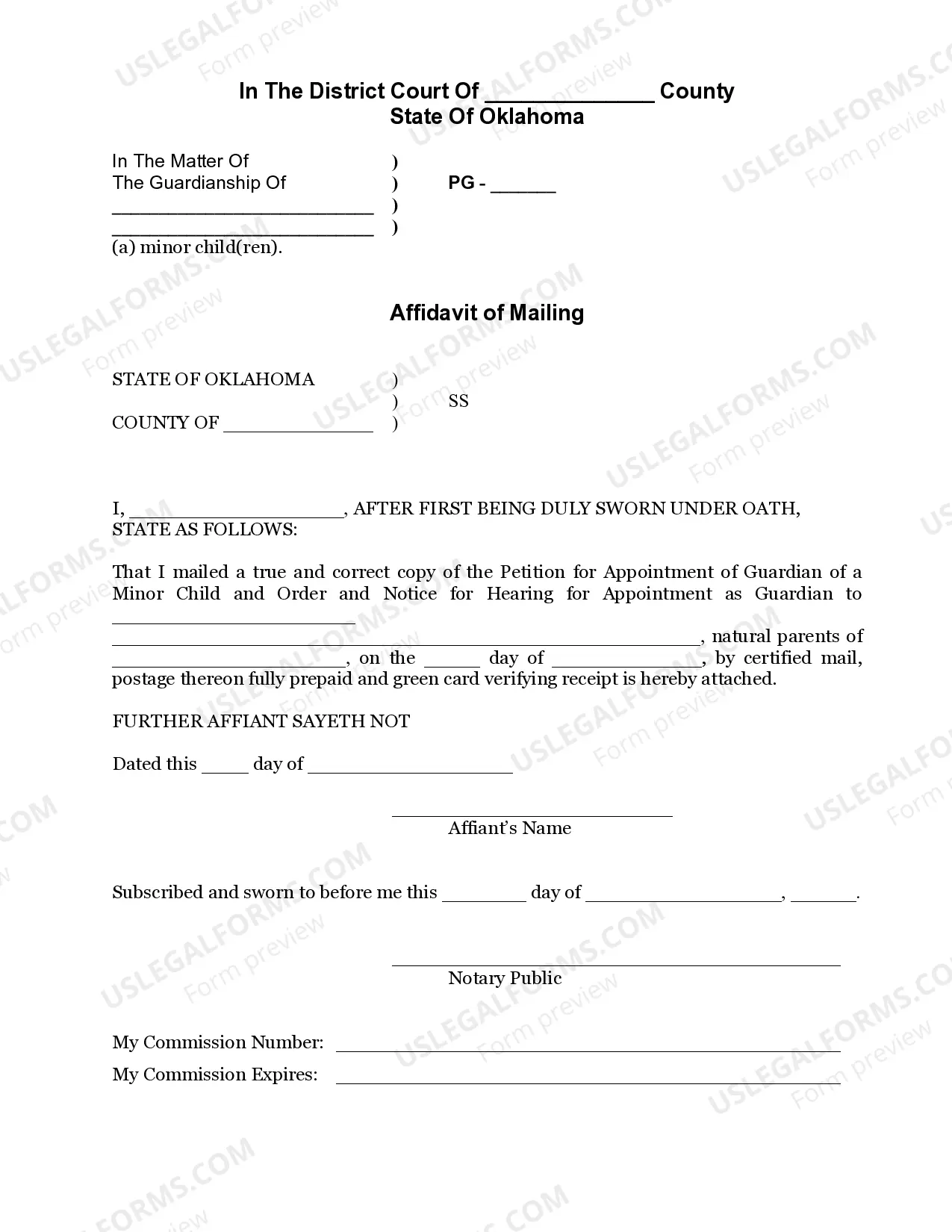
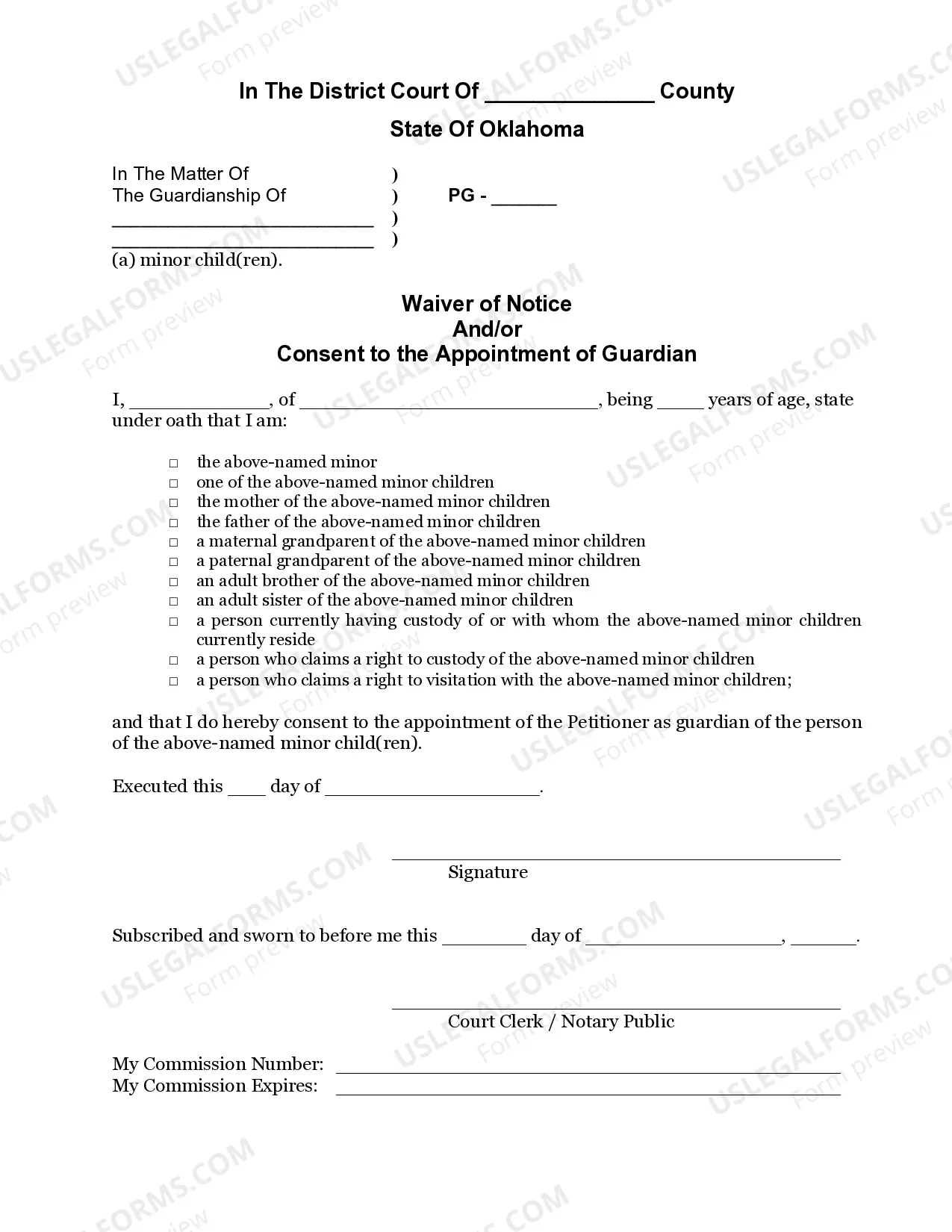
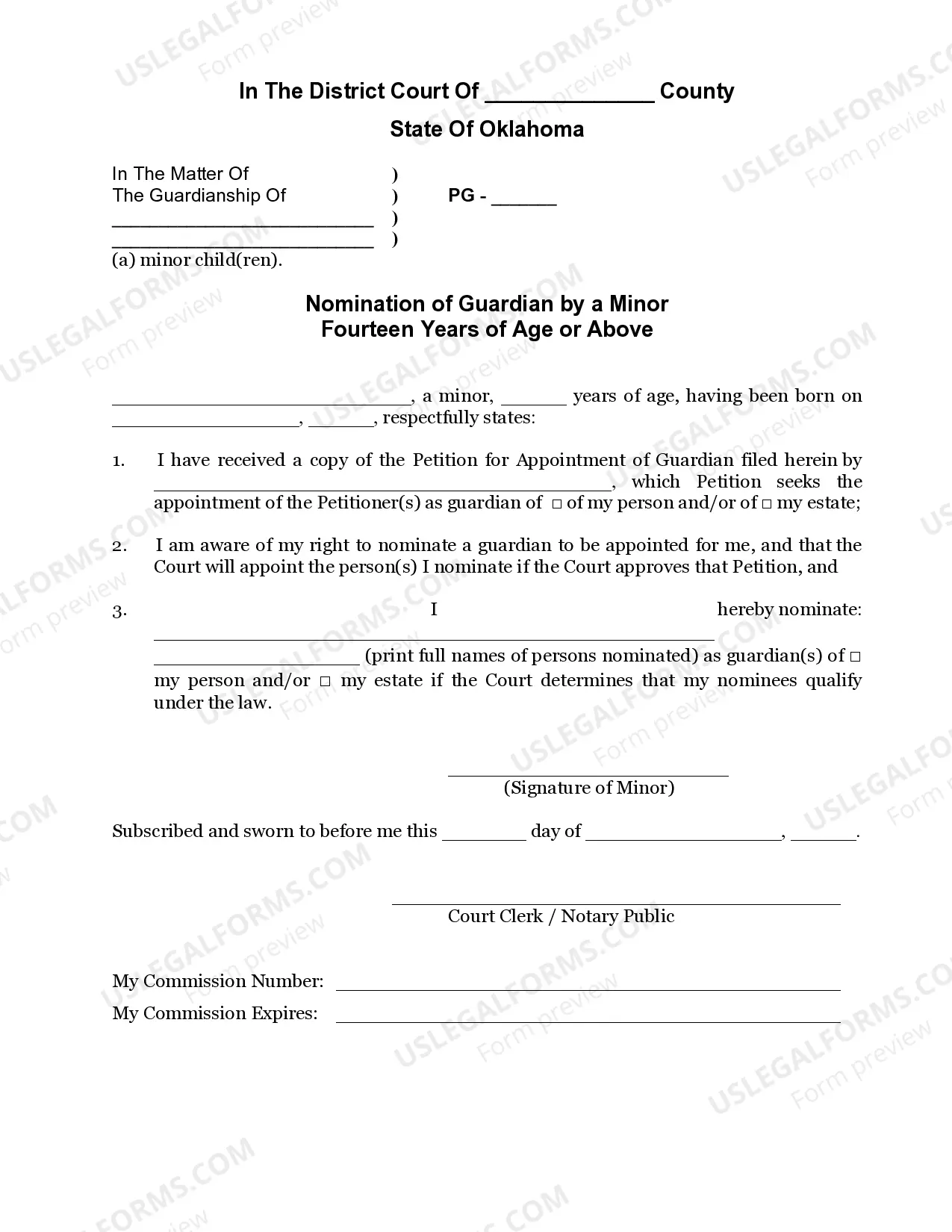

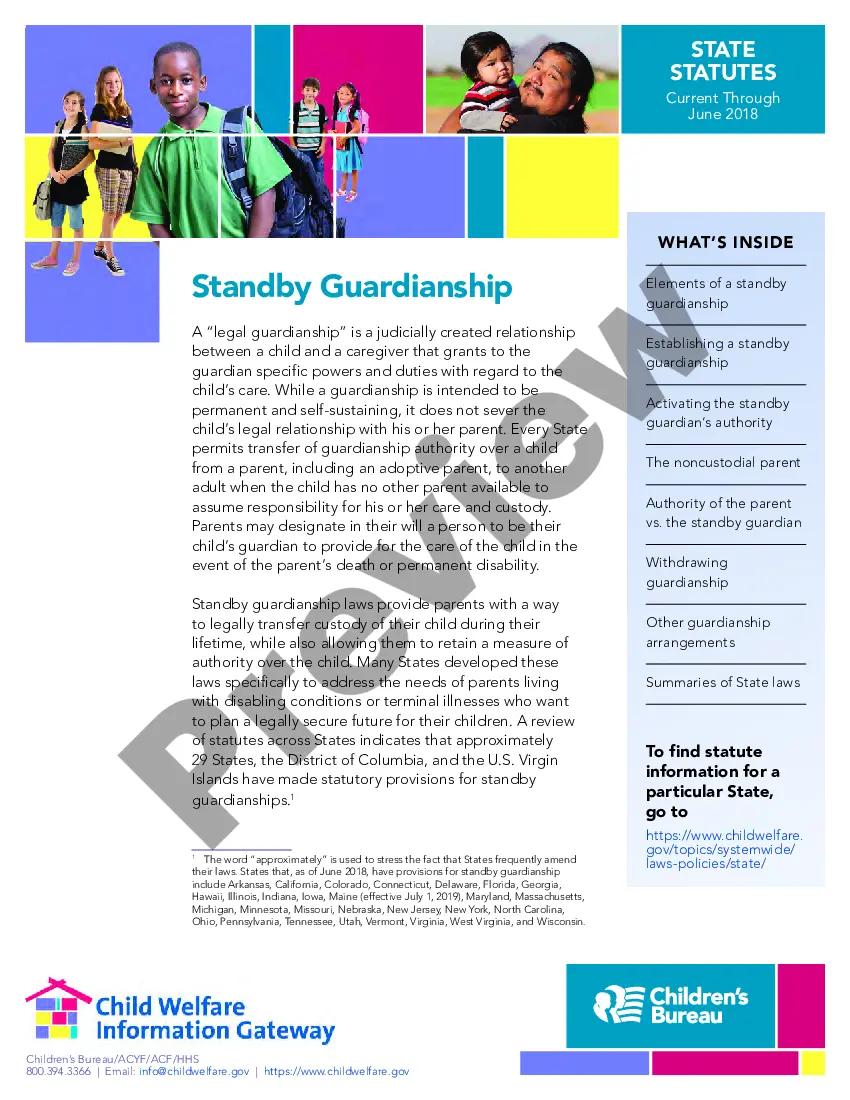

Get your form ready online
Our built-in tools help you complete, sign, share, and store your documents in one place.
Make edits, fill in missing information, and update formatting in US Legal Forms—just like you would in MS Word.
Download a copy, print it, send it by email, or mail it via USPS—whatever works best for your next step.
Sign and collect signatures with our SignNow integration. Send to multiple recipients, set reminders, and more. Go Premium to unlock E-Sign.
If this form requires notarization, complete it online through a secure video call—no need to meet a notary in person or wait for an appointment.
We protect your documents and personal data by following strict security and privacy standards.

Make edits, fill in missing information, and update formatting in US Legal Forms—just like you would in MS Word.

Download a copy, print it, send it by email, or mail it via USPS—whatever works best for your next step.

Sign and collect signatures with our SignNow integration. Send to multiple recipients, set reminders, and more. Go Premium to unlock E-Sign.

If this form requires notarization, complete it online through a secure video call—no need to meet a notary in person or wait for an appointment.

We protect your documents and personal data by following strict security and privacy standards.
Looking for another form?









Form popularity
FAQ
To file for guardianship in Oklahoma, you need to start by completing the appropriate forms, which can often be found on forums like the Title 30 guardianship oklahoma forum. Next, collect the required documentation, including information about the person for whom you seek guardianship. After gathering everything, you must file your forms with the district court in your county. Lastly, be prepared to attend a court hearing, where a judge will review your application and make a decision based on the best interests of the person involved.
Guardianship in Oklahoma does not have a fixed duration; it continues until the person under guardianship no longer needs it, or until the court decides to terminate it. This could occur if the individual regains capacity or if circumstances change. It is beneficial to stay updated on processes related to guardianship duration by participating in discussions at the Title 30 guardianship Oklahoma forum.
In Oklahoma, there are mainly two types of guardianship: guardianship of the person and guardianship of the estate. Guardianship of the person allows you to make personal and medical decisions for someone, while guardianship of the estate gives you authority over financial matters. Learning about these distinctions can help you make informed choices, and the Title 30 guardianship Oklahoma forum can provide additional insights.
To be a guardian in Oklahoma, you must be at least 18 years old, a resident of the state, and not have a felony conviction. The court will also consider your ability to provide care and manage the affairs of the person needing guardianship. Understanding these criteria can be vital, so you may want to check the Title 30 guardianship Oklahoma forum for detailed discussions and advice.
Title 30 guardianship in Oklahoma refers to the legal process through which a court appoints an individual to make decisions for another person who is unable to care for themselves. This type of guardianship is governed by Title 30 of the Oklahoma Statutes. For detailed information and community support, consider exploring the Title 30 guardianship Oklahoma forum, where many share their experiences and insights.
To file for guardianship in Oklahoma, you need to complete several forms and submit them to the court. You will typically file a petition for guardianship, along with supporting documentation that outlines your relationship with the person needing guardianship. It is crucial to understand the legal requirements and processes, which can be simplified by visiting the Title 30 guardianship Oklahoma forum for guidance and resources.
In Oklahoma, guardianship can affect parental rights, especially when the court appoints a guardian for a minor. The court's decision can limit or take away some parental rights if it is in the child's best interest. Understanding these nuances is essential for parents and guardians navigating legal responsibilities. Check the Oklahoma forum for community support and further guidance on this topic.
Guardianship and power of attorney serve different purposes in Oklahoma. Guardianship, established through Title 30, is a court-appointed role for those who cannot make decisions for themselves, while a power of attorney allows an appointed person to act on behalf of someone else while they are still competent. Knowing the distinctions helps families make informed decisions regarding their loved ones' care and management. Resources available in the Oklahoma forum can help clarify these terms for you.
Yes, a guardianship can override a power of attorney in Oklahoma if the court appoints a guardian based on the individual's incapacity. When guardianship is established under Title 30, the guardian's authority takes precedence over any existing power of attorney. Understanding these legal dynamics is crucial for families navigating care options. For more detailed information, refer to the Oklahoma forum.
Recent changes to the power of attorney laws in Oklahoma have clarified the responsibilities of agents and the protections for principals. The new law emphasizes transparency, requiring agents to act in the best interests of the principal at all times. This law aims to enhance safeguards against abuse, giving families more confidence in these arrangements. Engaging in discussions on the Oklahoma forum can provide you with valuable insights.
