Transfer Death Estate With Us Tax
Description
Get your form ready online
Our built-in tools help you complete, sign, share, and store your documents in one place.
Make edits, fill in missing information, and update formatting in US Legal Forms—just like you would in MS Word.
Download a copy, print it, send it by email, or mail it via USPS—whatever works best for your next step.
Sign and collect signatures with our SignNow integration. Send to multiple recipients, set reminders, and more. Go Premium to unlock E-Sign.
If this form requires notarization, complete it online through a secure video call—no need to meet a notary in person or wait for an appointment.
We protect your documents and personal data by following strict security and privacy standards.

Make edits, fill in missing information, and update formatting in US Legal Forms—just like you would in MS Word.

Download a copy, print it, send it by email, or mail it via USPS—whatever works best for your next step.

Sign and collect signatures with our SignNow integration. Send to multiple recipients, set reminders, and more. Go Premium to unlock E-Sign.

If this form requires notarization, complete it online through a secure video call—no need to meet a notary in person or wait for an appointment.

We protect your documents and personal data by following strict security and privacy standards.
Looking for another form?




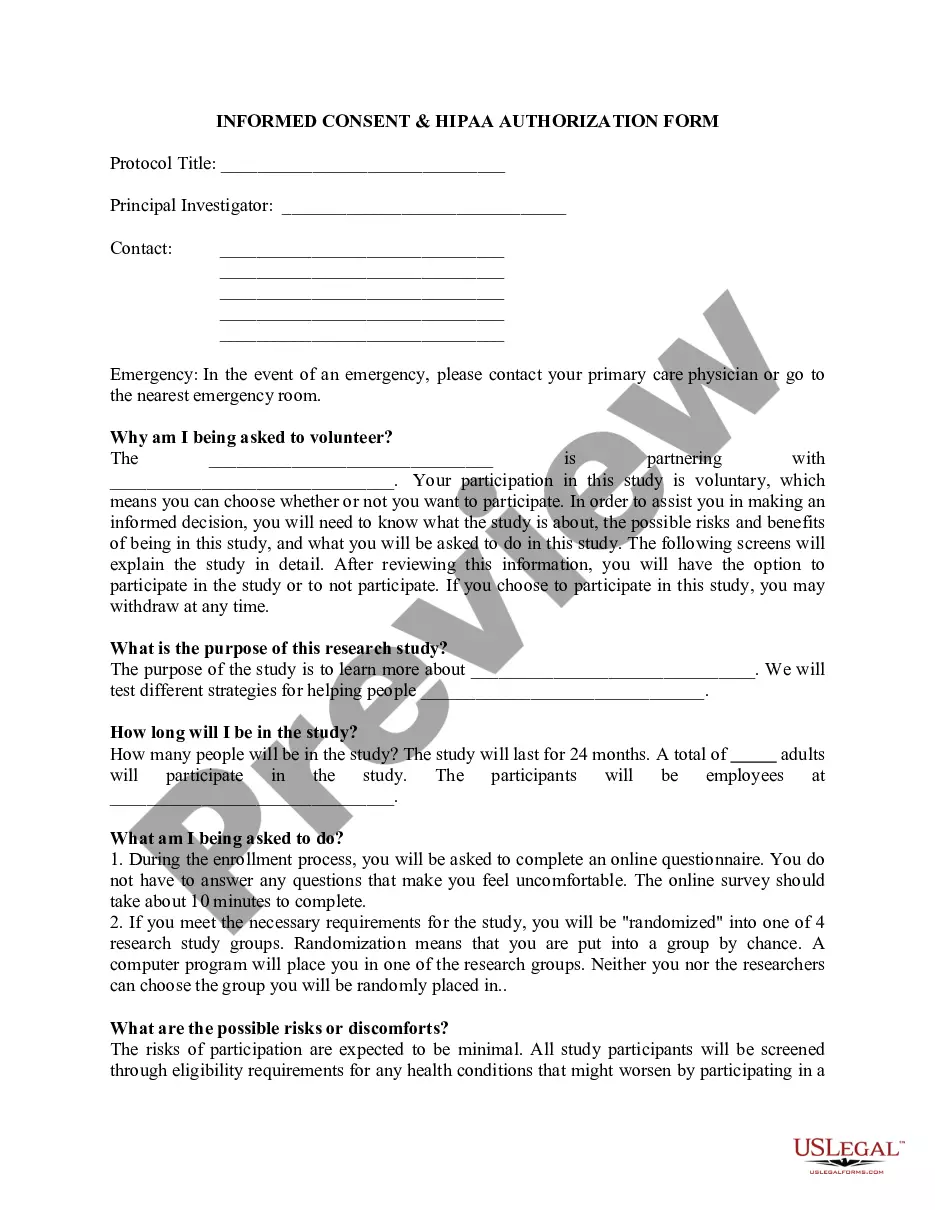
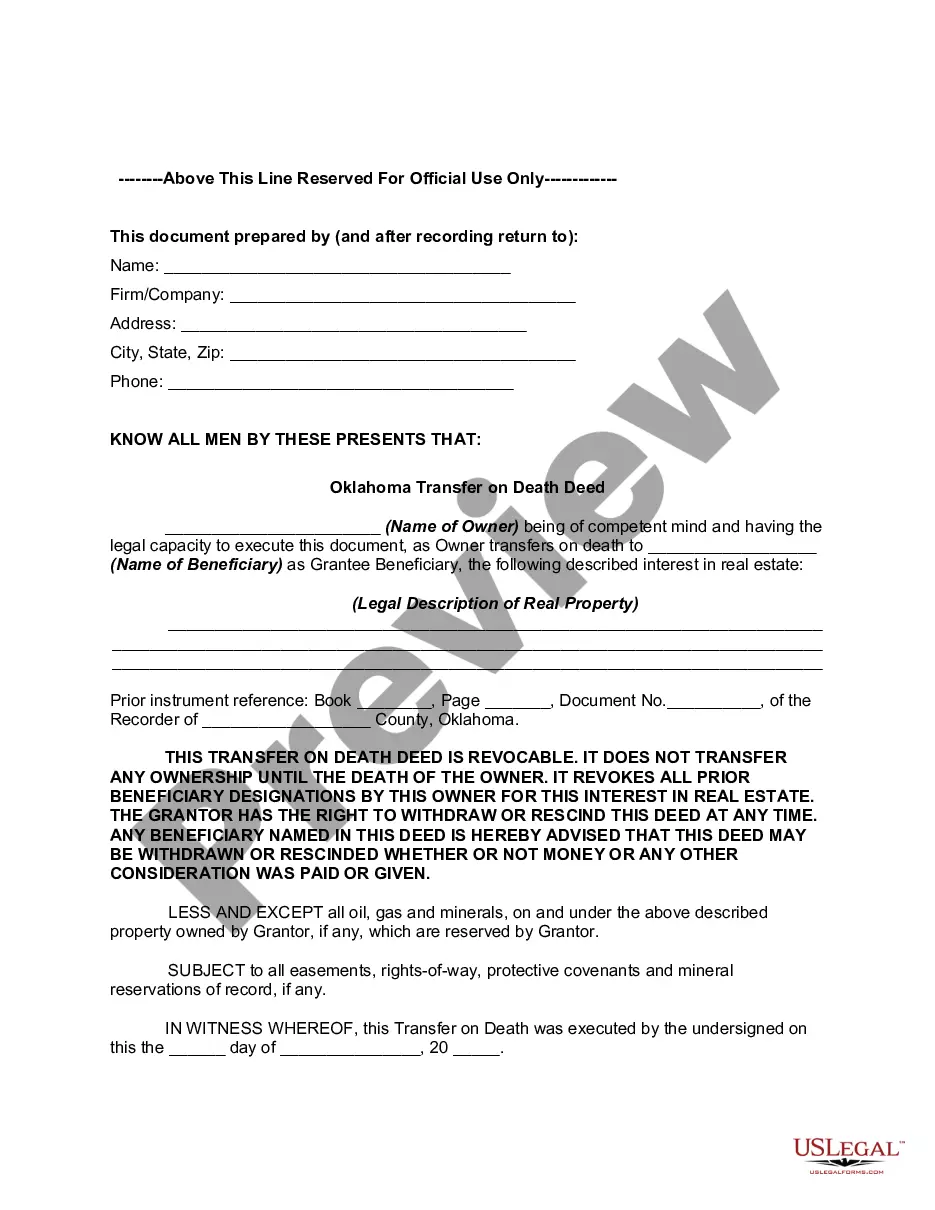
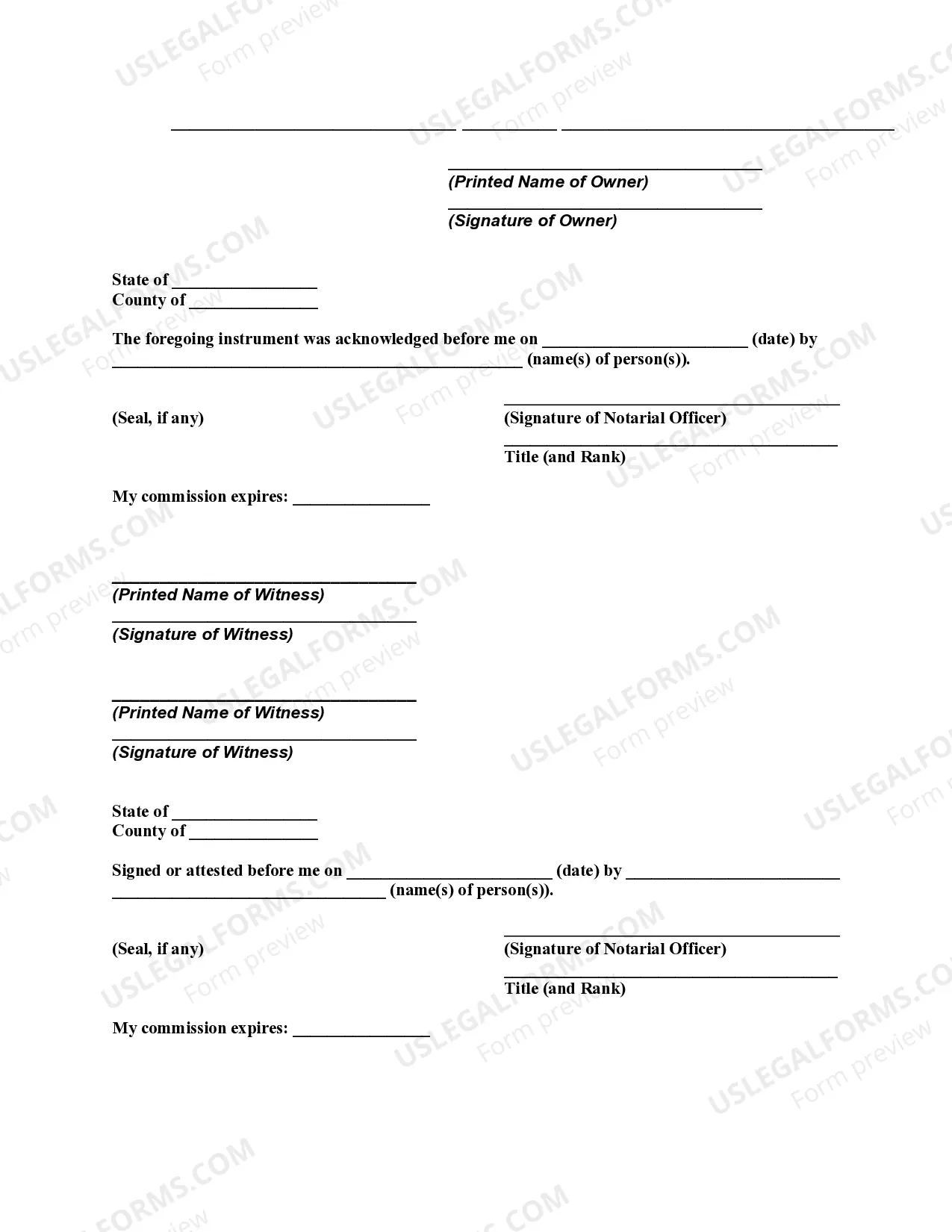
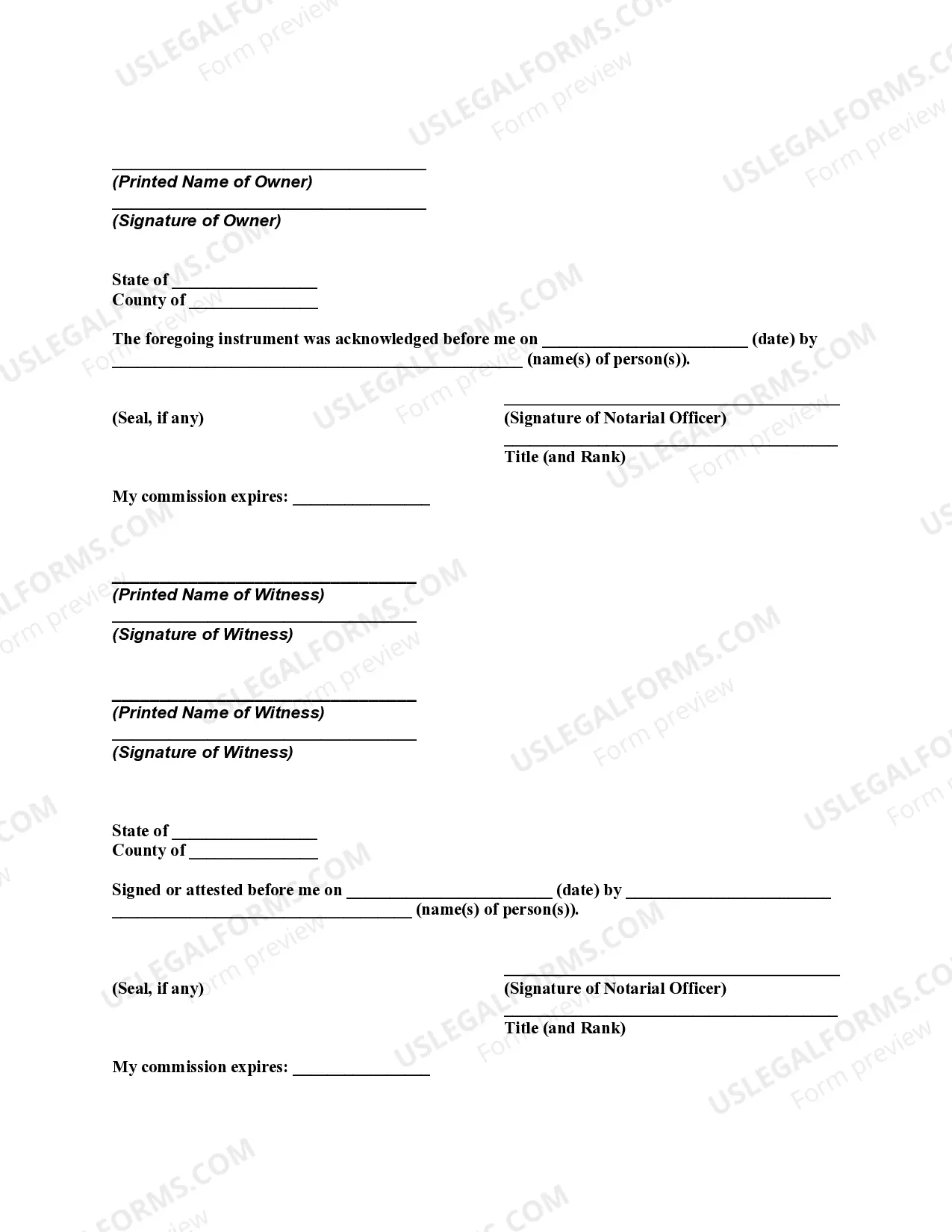
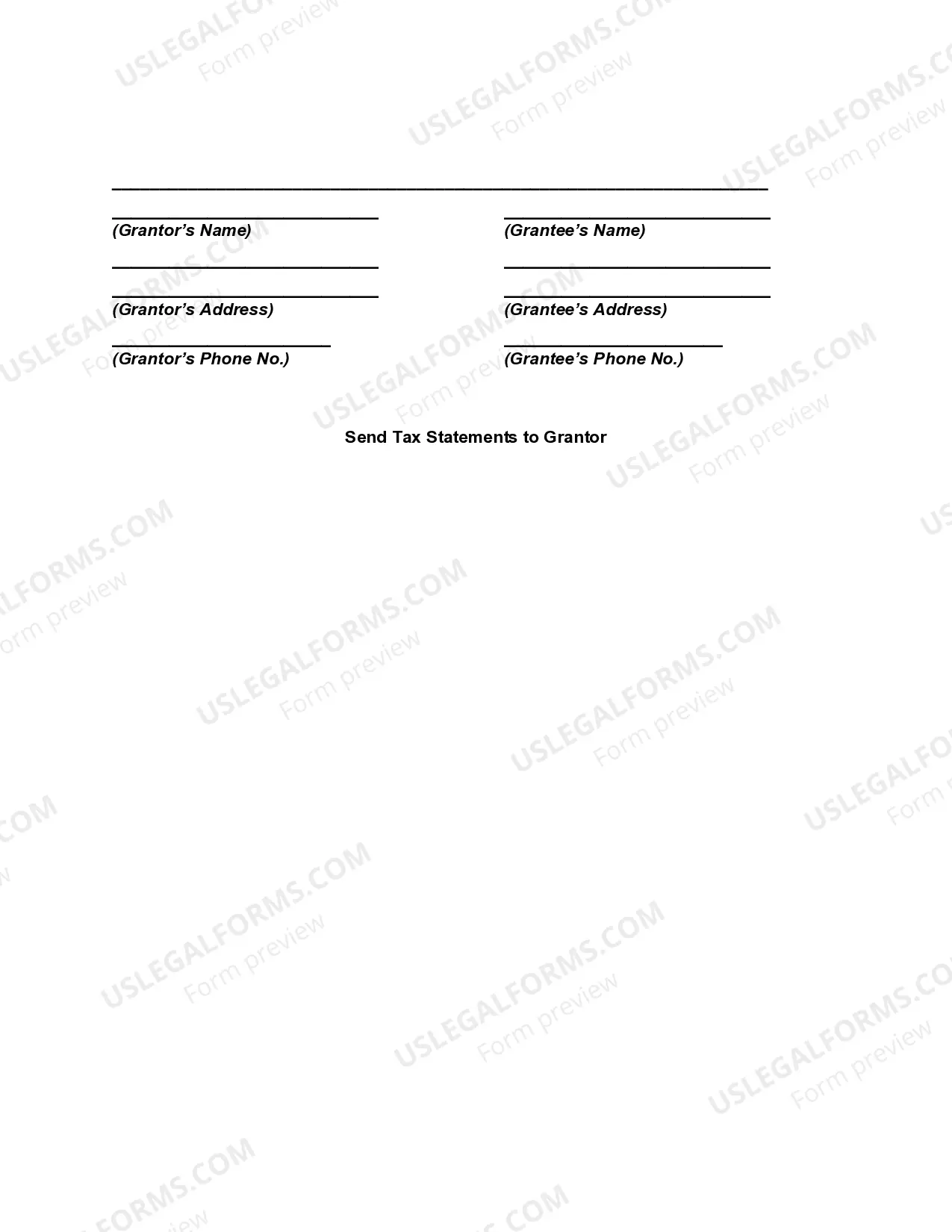
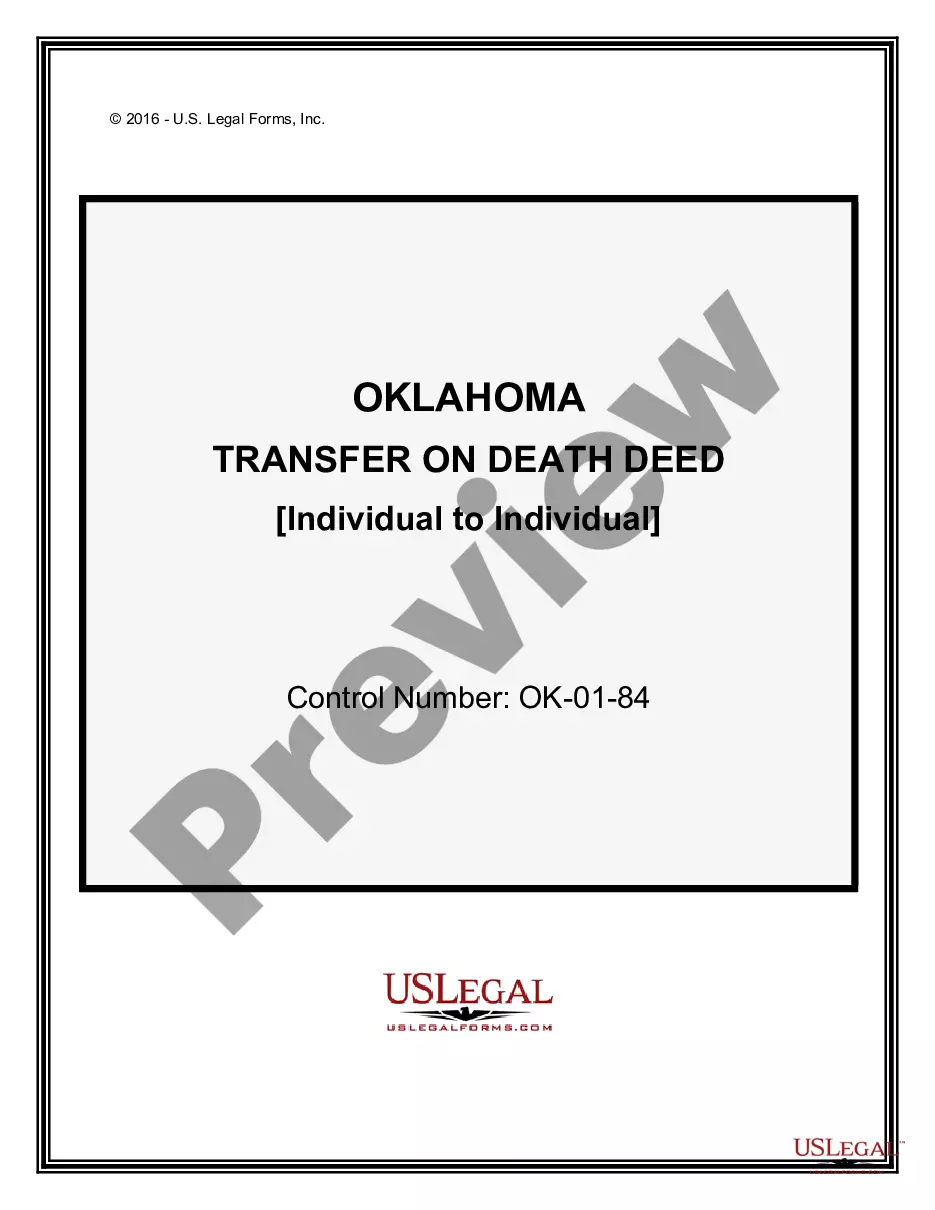
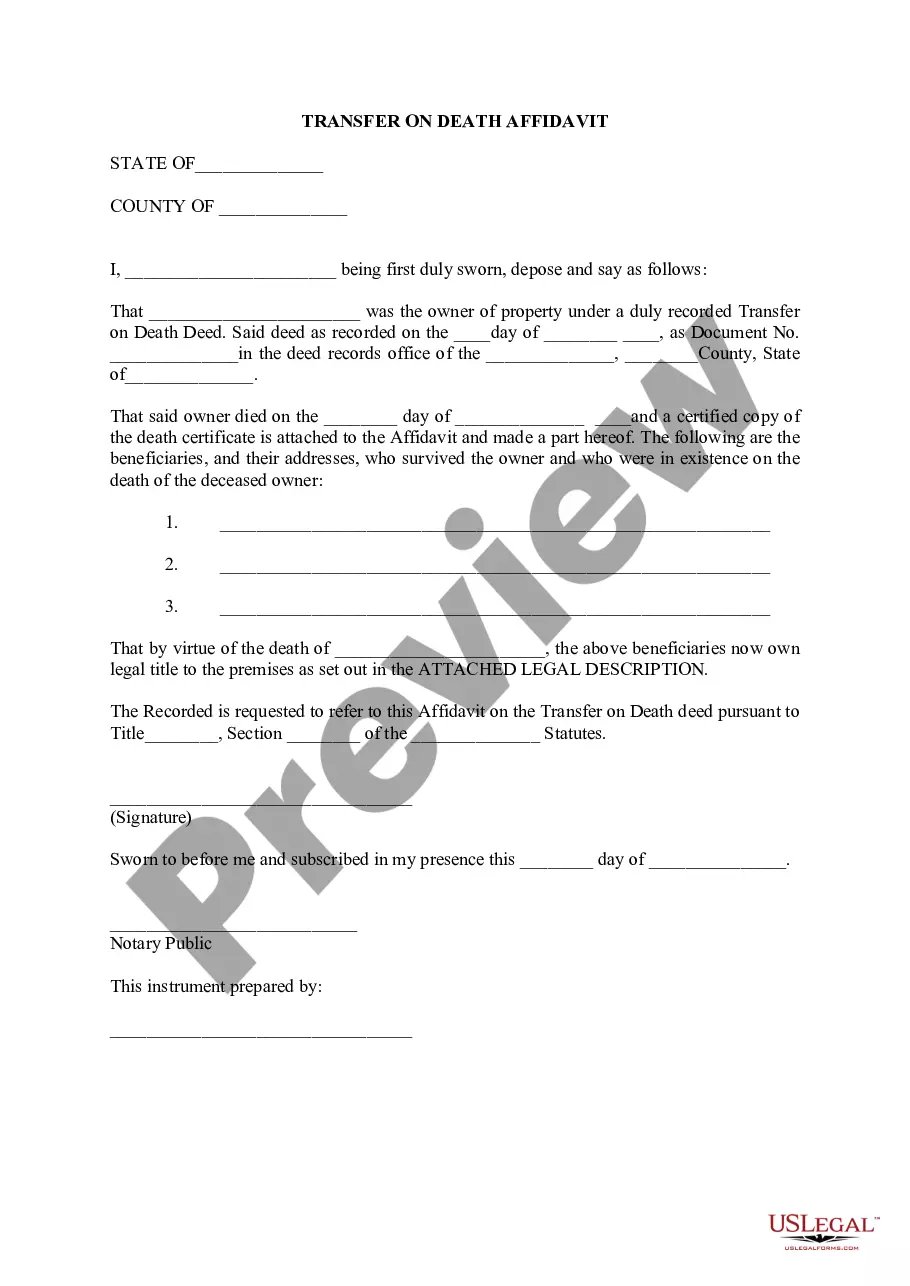
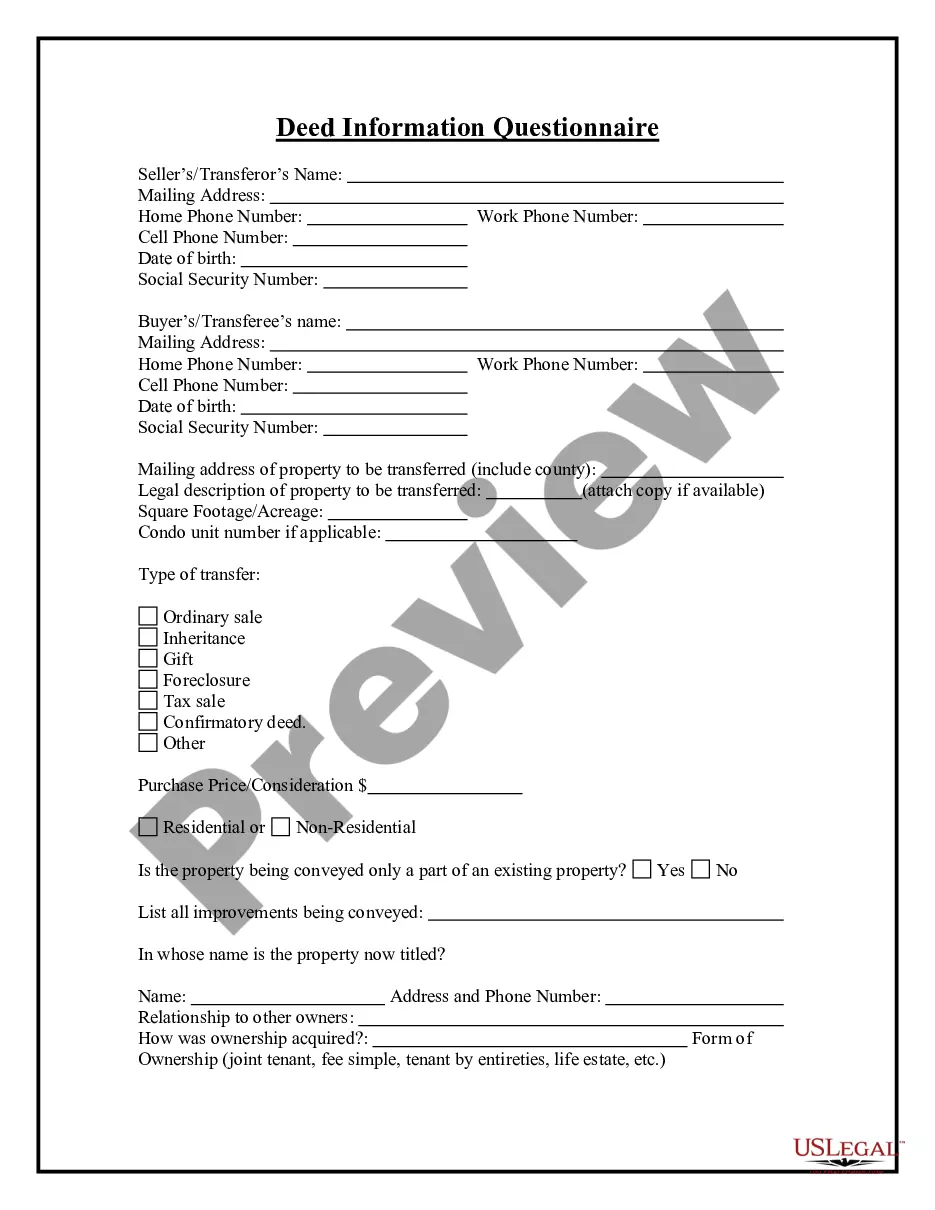
How to fill out Oklahoma Transfer On Death Deed?
- If you are a returning user, log in to your account and download the required form template by clicking the Download button. Ensure your subscription is active; renew if necessary.
- For first-time users, start by checking the Preview mode and form description to confirm you have selected the right document that meets your needs and complies with your state law.
- If necessary, use the Search tab above to find an alternative template. Ensure it aligns with your requirements before proceeding.
- Purchase the document by clicking the Buy Now button and selecting your desired subscription plan. Create an account to access the full range of resources.
- Complete your purchase by providing your credit card or PayPal details.
- Download your form and save it on your device. You can always access it later in the My documents section of your profile.
By leveraging US Legal Forms, individuals can find peace of mind knowing they have access to a robust collection of over 85,000 fillable legal templates designed for ease of use.
Start your legal journey with us today and ensure that your documentation is accurate and compliant!
Form popularity
FAQ
Distributions from an estate can impact your tax situation, but they do not automatically count as income. Typically, the IRS does not view these distributions as taxable income when you transfer a death estate with US tax considerations. Instead, beneficiaries may need to report income only if the estate has generated earnings during administration. To navigate this process smoothly, using tools from U.S. Legal Forms can help clarify your obligations and ensure compliance.
Generally, a transfer on death account is not taxable to the beneficiary when the account holder passes away, as the assets are not subject to estate tax. However, any income generated from the account after the transfer may require reporting. At US Legal Forms, we help clients understand their options while managing the transfer of a death estate with US tax implications, ensuring compliance and ease throughout the process.
To transfer an inheritance without incurring taxes, consider utilizing tax-exempt gifts or establishing a trust that can shield assets from estate taxes. Additionally, being aware of annual gift exclusions can aid in transferring wealth without triggering immediate tax liabilities. Our platform offers expert insights on transferring a death estate with US tax efficiently, guiding you through the process seamlessly.
Typically, you do not need to report inheritance to the IRS as it is not considered taxable income. However, it's crucial to report any generated income from inherited assets, such as interest or dividends. Understanding how transfer death estate with US tax works helps clarify your responsibilities and can prepare you for any necessary reporting.
One way to avoid estate tax after death is by establishing trusts or gifting assets to your heirs while you're still alive. By strategically planning your estate and utilizing exemptions, you can minimize the taxable value. Additionally, our services provide guidance on how to transfer your death estate with US tax in mind, ensuring your beneficiaries inherit without hefty tax burdens.
To obtain a federal transfer certificate, you must submit Form 56 to the IRS to notify them of the transfer of the decedent's estate. This certificate is essential for transferring assets, particularly when tangible assets or bank accounts are involved. Using our platform, you can streamline the process and ensure all required documents are correctly filled out to efficiently handle the transfer of the death estate with US tax considerations.
Certain assets may be exempt from estate tax, including life insurance payouts, retirement accounts, and assets held in qualified trusts. Typically, assets below a specific value or designated for a charitable organization are also exempt. When you use our platform, you can learn more about transferring a death estate with us tax strategies that identify these exemptions to your advantage.
The best trust to avoid estate taxes often depends on individual circumstances, but irrevocable trusts are commonly recommended. These trusts remove assets from your taxable estate while still providing you some control over them. To effectively transfer a death estate with us tax strategies, consult with legal experts and our resources to find the right trust for your needs.
You can legally avoid estate tax through various strategies such as utilizing lifetime gift exemptions, establishing trusts, and making charitable contributions. By planning your estate effectively, you can create a tax-efficient strategy that preserves your assets for your heirs. Consider using our platform to explore options that help you transfer a death estate with us tax considerations in mind.
Yes, transfer on death accounts can be subject to estate tax under certain circumstances. When the account holder passes away, the value may be included in the total estate value. However, if you transfer a death estate with us tax strategies in mind, you can potentially minimize or even avoid these taxes altogether.