Amendment Living Trust With The Trustee
Description
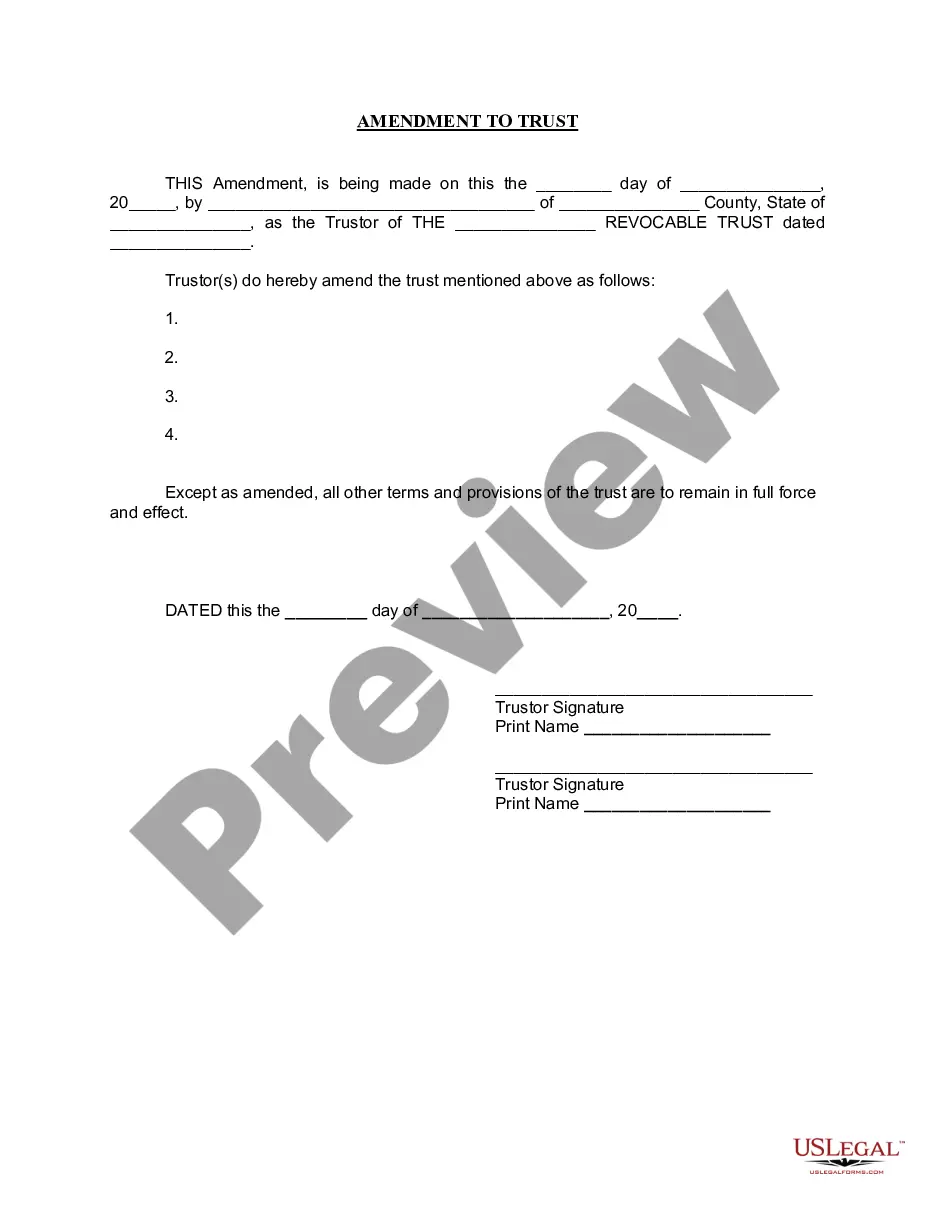


Get your form ready online
Our built-in tools help you complete, sign, share, and store your documents in one place.
Make edits, fill in missing information, and update formatting in US Legal Forms—just like you would in MS Word.
Download a copy, print it, send it by email, or mail it via USPS—whatever works best for your next step.
Sign and collect signatures with our SignNow integration. Send to multiple recipients, set reminders, and more. Go Premium to unlock E-Sign.
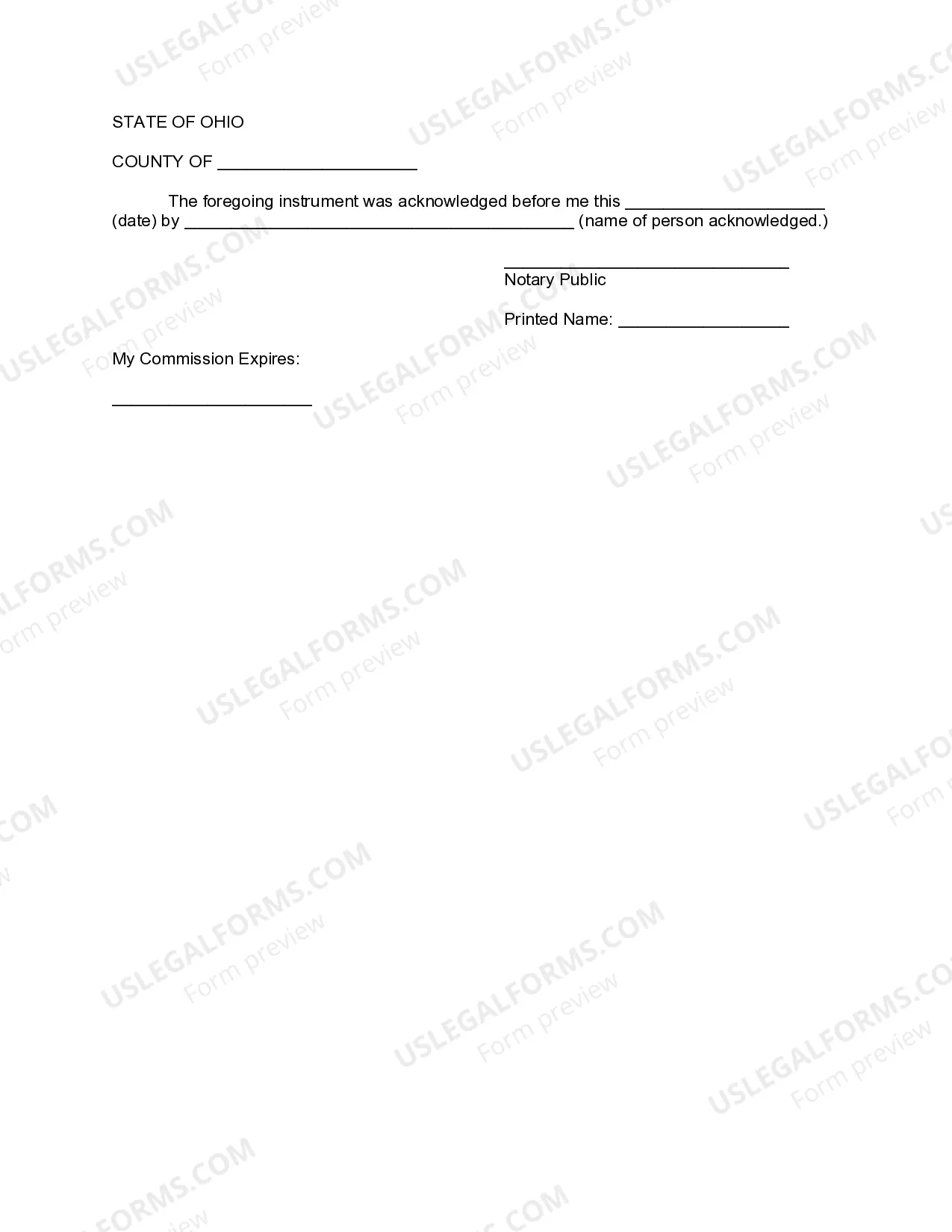
If this form requires notarization, complete it online through a secure video call—no need to meet a notary in person or wait for an appointment.
We protect your documents and personal data by following strict security and privacy standards.

Make edits, fill in missing information, and update formatting in US Legal Forms—just like you would in MS Word.

Download a copy, print it, send it by email, or mail it via USPS—whatever works best for your next step.

Sign and collect signatures with our SignNow integration. Send to multiple recipients, set reminders, and more. Go Premium to unlock E-Sign.

If this form requires notarization, complete it online through a secure video call—no need to meet a notary in person or wait for an appointment.

We protect your documents and personal data by following strict security and privacy standards.
Looking for another form?


How to fill out Ohio Amendment To Living Trust?
- Log into your US Legal Forms account if you're a returning user, and access the Download button to retrieve your template. Ensure that your subscription is active; if not, renew it as per your plan.
- Explore the Preview mode alongside the form description. Make sure you select the right document that aligns with your needs and adheres to your local jurisdiction.
- If the template doesn't meet your requirements, utilize the Search feature to find a more suitable option.
- Purchase the chosen document by clicking the Buy Now button, and opt for a subscription plan that fits best. Account registration is necessary to unlock the full library.
- Complete your payment using a credit card or PayPal account to finalize your purchase.
- Download the completed form to your device. You can revisit it anytime through the My Forms section on your account for any future adjustments.
In conclusion, US Legal Forms empowers individuals and legal professionals to swiftly navigate the documentation process with a vast library of over 85,000 forms. This equips you to ensure that your amendment living trust with the trustee reflects your intentions accurately.
Start today and secure peace of mind by accessing legally sound documents tailored to your needs. Visit US Legal Forms to begin!
Form popularity
FAQ
Adding a codicil specifically to a trust isn't standard practice; instead, you would typically create an amendment. This amendment allows you to modify the terms or beneficiaries of your trust as you see fit. Always ensure that your trustee is fully aware of these changes to maintain transparency. A well-crafted amendment living trust with the trustee will help you manage your estate more effectively.
In most cases, codicils are associated with wills, not trusts. However, you can create an amendment to your trust, effectively serving a similar purpose. This amendment allows you to change or clarify specific terms in your trust. As always, involving your trustee in this amendment living trust with the trustee will ensure everything aligns with your overall estate plan.
Yes, you can add an addendum to your trust to address any new changes or updates to your wishes. An addendum serves as an official statement attached to your trust document, outlining the specific modifications. It is crucial to ensure that both you and the trustee understand and agree on these changes. Using an amendment living trust with the trustee can simplify this process.
Changing the trustee of a trust can be straightforward if you follow the proper legal steps. Typically, you'll need to draft a formal document that details the change and ensure it is executed according to the trust's terms. It is also essential to notify the outgoing and incoming trustees about this change. When managing your amendment living trust with the trustee, clarity is key.
Amending a living trust typically involves drafting an amendment document that specifies the changes you wish to make. This document must be signed and dated, and in some cases, notarized to ensure its legality. You should also provide copies to your trustee. An easy-to-use platform like USLegalForms can guide you in creating an amendment living trust with the trustee.
Yes, it is possible to change a will into a trust, but this requires some steps. First, you would need to create a living trust that encapsulates the assets you want to manage. Once completed, you can revoke the will in favor of the trust. Integrating an amendment living trust with the trustee is a smart way to manage your estate effectively.
Yes, a codicil can remove a beneficiary from your will. However, it is important to ensure that the codicil clearly states the changes you want to make. By doing this properly, you can create a legally binding document that reflects your wishes. If you also have an amendment living trust with the trustee, it is wise to update that document accordingly.
To write an amendment to a living trust, first identify the sections you wish to change. Clearly state your changes and include the date and your signature, along with that of the trustee. This ensures that the amendment is legally binding and valid. Using a platform like uslegalforms can simplify the process and provide templates specifically designed for amending a living trust with the trustee.
Changing a living trust can be straightforward, but it often depends on how the trust is structured. If you have a trust that allows for easy amendments, then updating it with the trustee is manageable. However, if the original terms are complex, you may find yourself needing legal assistance. Ultimately, understanding your specific trust will help you navigate the amendment living trust with the trustee.
Yes, a trustee can be removed from a trust under certain circumstances, and if your amendment living trust includes provisions for removal, the process may be simpler. Grounds for removal can include mismanagement, incapacity, or inability to fulfill their duties. You will need to follow the steps outlined in your trust document, which may involve drafting an amendment and formally notifying the trustee. Utilizing legal services like USLegalForms can provide you with templates and guidance tailored to your situation.