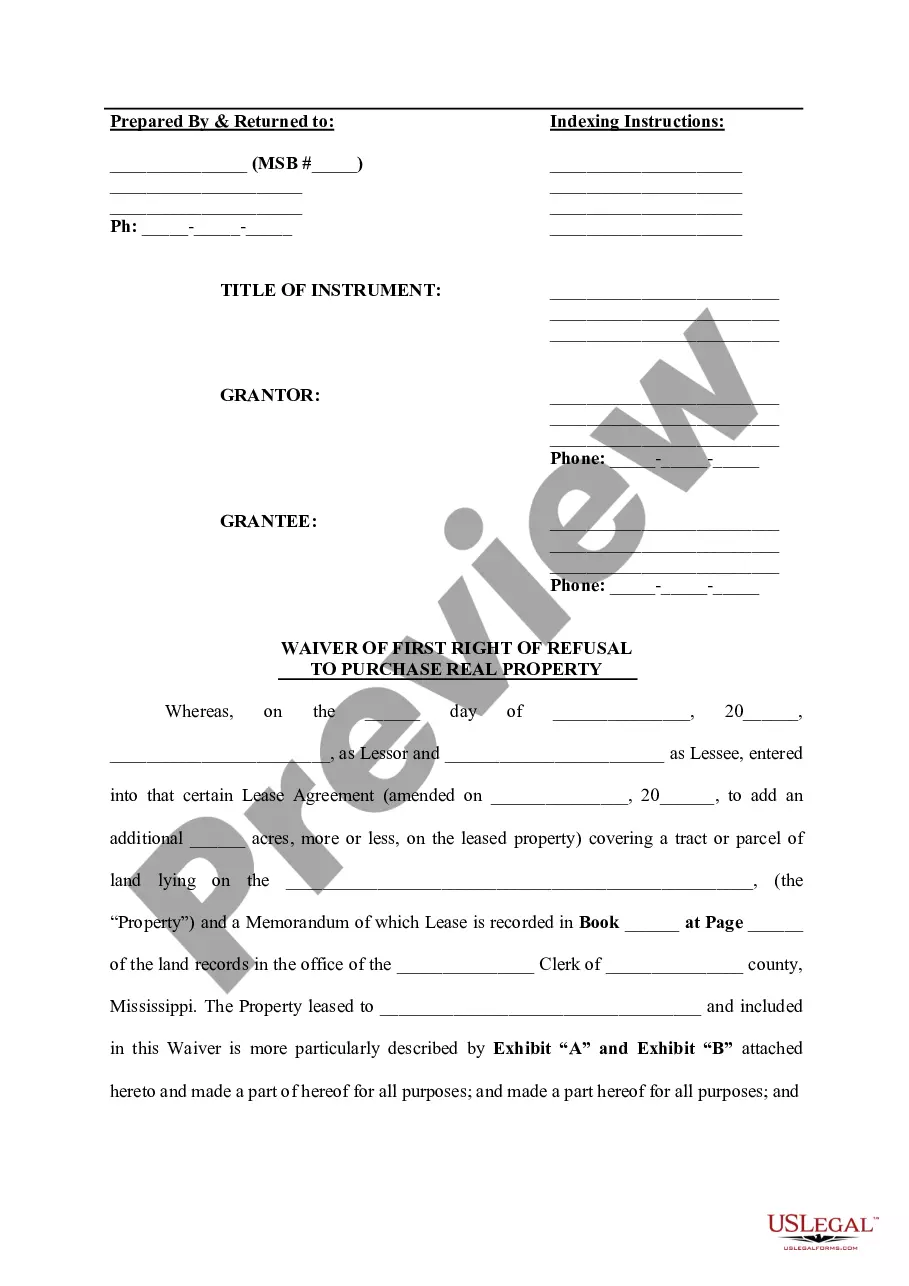
Rent Increase Letter For Commercial Property
Description
Get your form ready online
Our built-in tools help you complete, sign, share, and store your documents in one place.
Make edits, fill in missing information, and update formatting in US Legal Forms—just like you would in MS Word.
Download a copy, print it, send it by email, or mail it via USPS—whatever works best for your next step.
Sign and collect signatures with our SignNow integration. Send to multiple recipients, set reminders, and more. Go Premium to unlock E-Sign.
If this form requires notarization, complete it online through a secure video call—no need to meet a notary in person or wait for an appointment.
We protect your documents and personal data by following strict security and privacy standards.

Make edits, fill in missing information, and update formatting in US Legal Forms—just like you would in MS Word.

Download a copy, print it, send it by email, or mail it via USPS—whatever works best for your next step.

Sign and collect signatures with our SignNow integration. Send to multiple recipients, set reminders, and more. Go Premium to unlock E-Sign.

If this form requires notarization, complete it online through a secure video call—no need to meet a notary in person or wait for an appointment.

We protect your documents and personal data by following strict security and privacy standards.
Looking for another form?
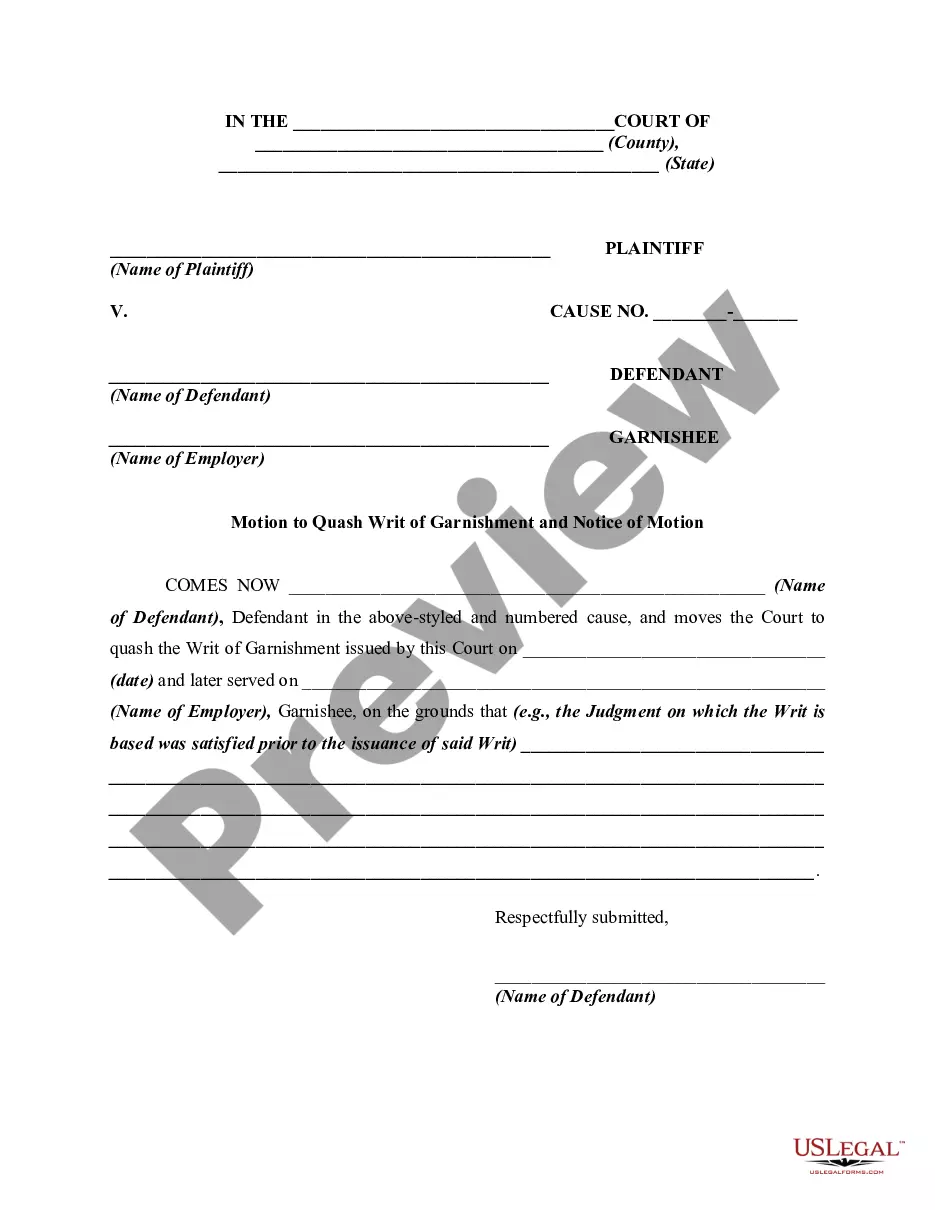
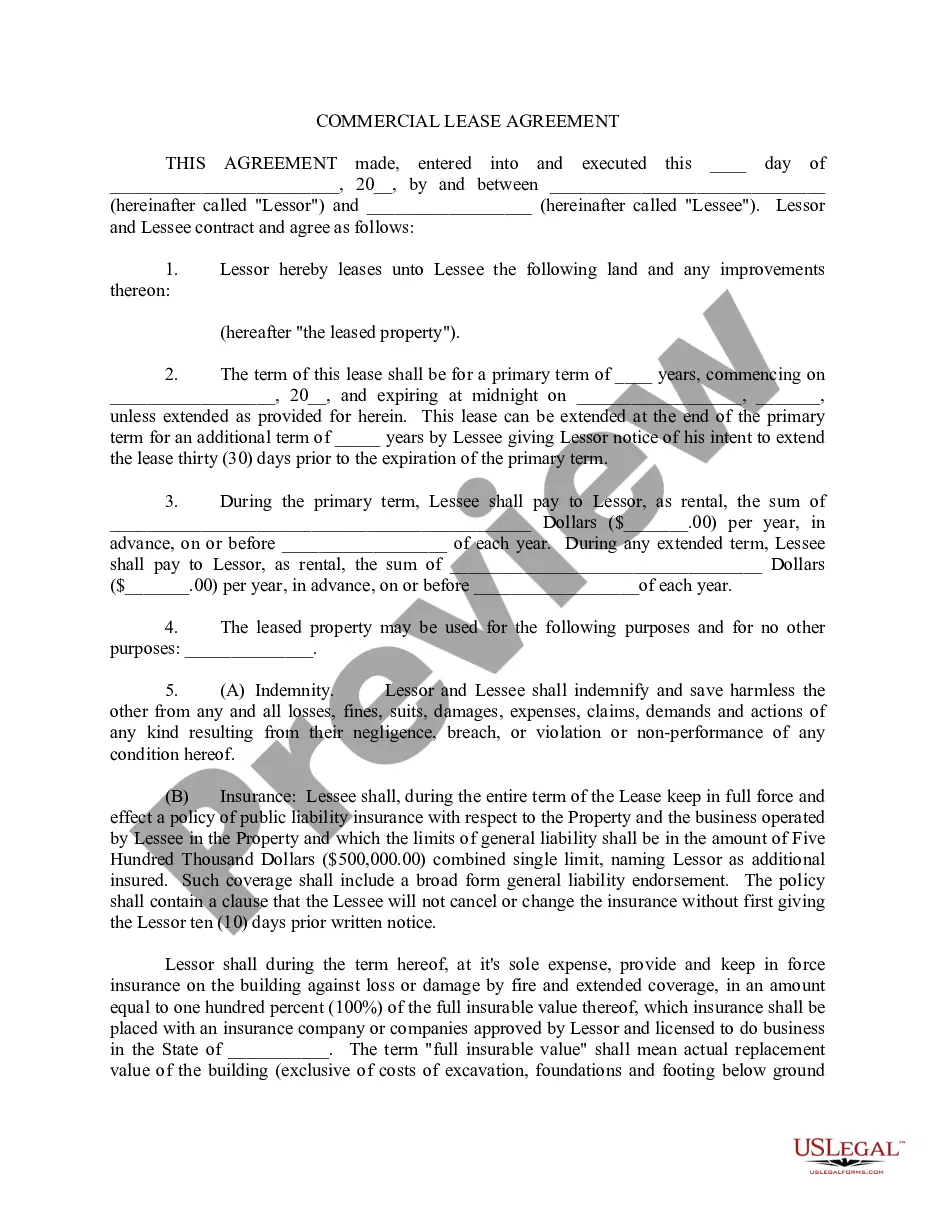



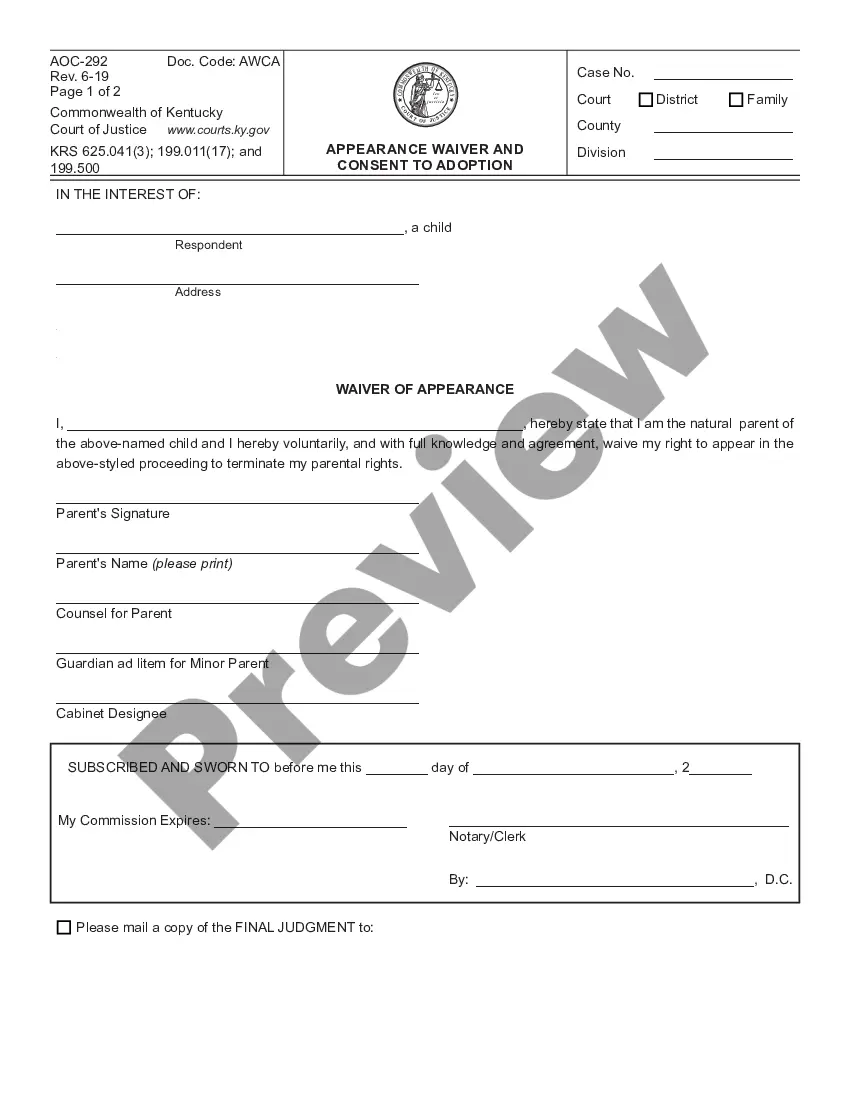


How to fill out Ohio Letter From Landlord To Tenant About Intent To Increase Rent And Effective Date Of Rental Increase?
- Login to your US Legal Forms account if you’re a returning user. Check that your subscription is active; if not, renew it as necessary.
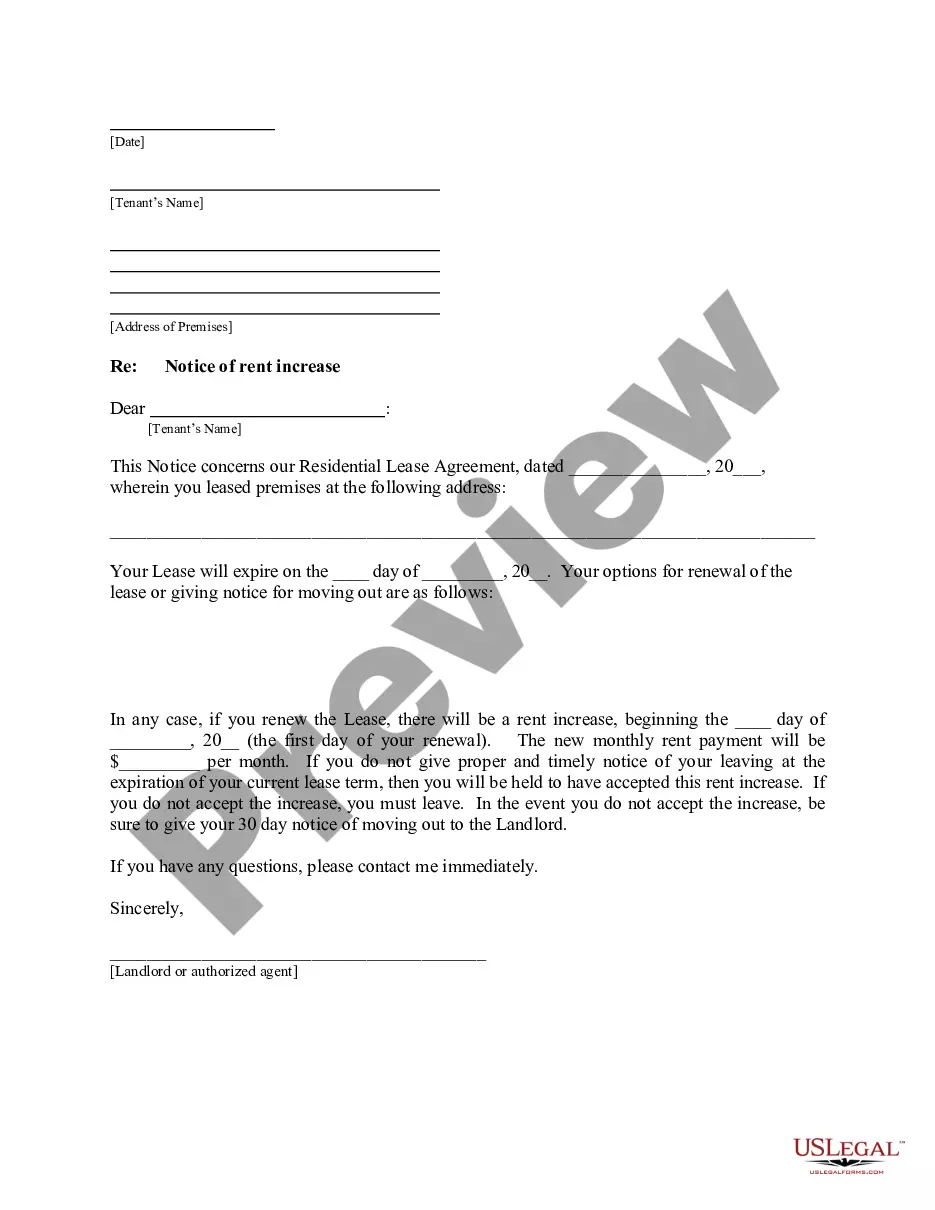
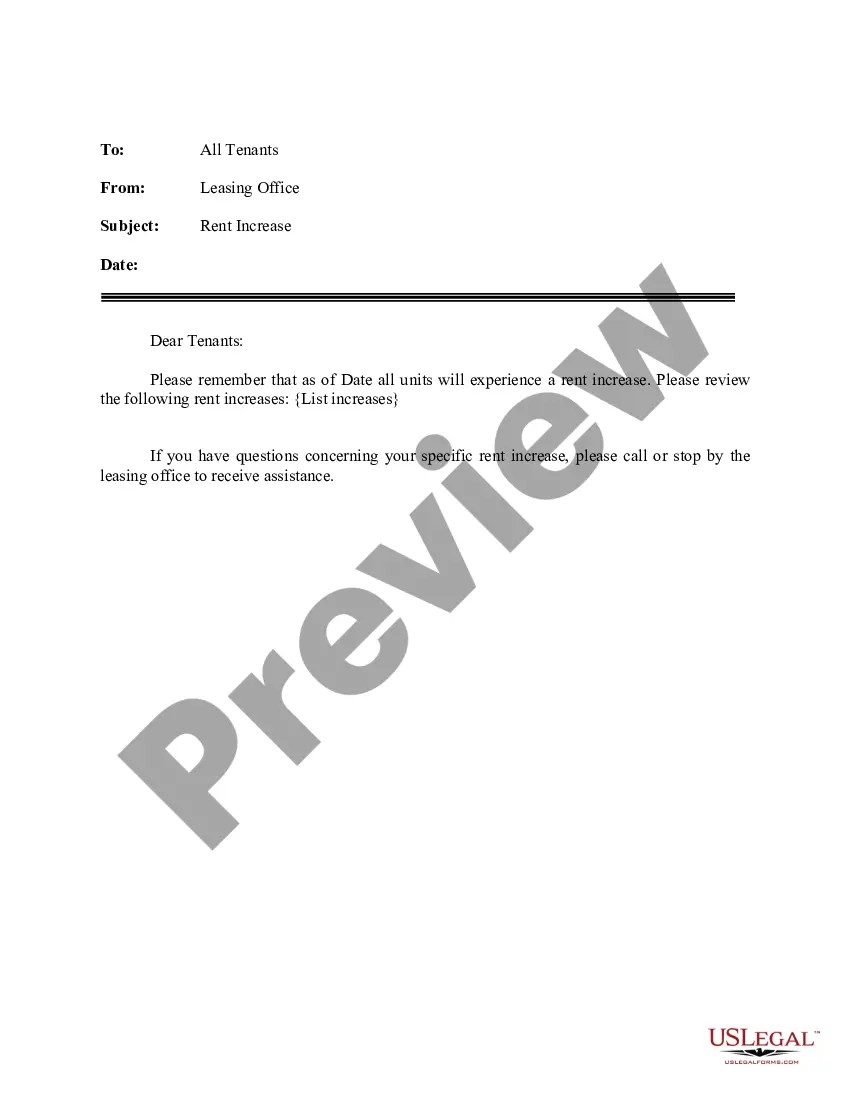
- Search for the 'Rent increase letter for commercial property' template in the library. Review the preview and ensure it meets your criteria.
- If you need a different template, utilize the search function to find alternatives that might better suit your requirements.
- Click on the 'Buy Now' button to choose your subscription plan, ensuring you register for full access to the resources.
- Complete your purchase using credit card or PayPal credentials for instant access.
- Download your rent increase letter template and save it on your device. You can always find it later under 'My Forms' in your profile.
By utilizing US Legal Forms, you not only save time but also ensure your documentation is accurate and legally sound. The platform provides users with access to over 85,000 customizable legal forms and expert assistance, setting it apart from the competition.
Start drafting your rent increase letter today and simplify your property management process!
Form popularity
FAQ
When you write a letter of intent to lease commercial property, start by clearly stating your interest in leasing the property. Include important details such as the property address, the proposed lease terms, and the desired rent amount. Moreover, this letter serves as a preliminary agreement, so it's essential to keep your tone professional and straightforward. For assistance, consider using resources like USLegalForms, where you can find templates that also relate to rent increase letters for commercial property, ensuring you cover all necessary points effectively.
Writing a notice letter for a rent increase involves clearly stating your intent to raise the rent. Include all essential details, such as the new rental amount, the effective date, and any pertinent reasons for the increase. This formal communication ensures both parties have clarity and aligns with the expectations outlined in your rent increase letter for commercial property.
To ask your landlord for a commercial rent reduction, present your case logically. Include current market rates and any changes in your business that may justify your request. A well-reasoned discussion can facilitate a productive conversation about your rent and may lead to adjustments in the rent increase letter for commercial property.
When discussing a rent increase with your landlord, express your concerns clearly and respectfully. Highlight any issues or services that are lacking, and consider discussing current market rates. This dialogue can lead to mutually beneficial solutions and a better understanding of the rent increase letter for commercial property.
The maximum allowable rent increase depends on local laws and regulations. Many jurisdictions require landlords to adhere to specific guidelines, often linking increases to the rate of inflation. It's crucial to research your local laws to ensure that any rent increase complies with regulations outlined in your rent increase letter for commercial property.
The average annual increase in commercial rent varies by location and property type, but generally it ranges from 2% to 5%. Rent increases often reflect changes in the real estate market and inflation rates. Understanding local trends can help you decide the appropriate amount for your rent increase letter for commercial property.
In crafting a commercial rent increase letter, start by addressing the tenant properly. Mention the reason for the rent increase, provide the details of the new rent, and articulate how this aligns with market trends. A well-structured letter assures tenants of transparency and consideration.
To write a rent increase letter for commercial property, begin with a clear subject line. State the current rent amount, the new proposed rent, and the effective date. Be polite and professional throughout, and ensure you provide any required advance notice as per your lease agreement.
To calculate annual commercial rent, multiply the monthly rent amount by 12. If you are considering a rent increase, review your lease terms along with current market trends to establish a new rate. Using a rent increase letter for commercial property can help formalize any changes, making the process smoother and more transparent for both parties.
A fair annual rent increase often aligns with local economic conditions and comparable market rates, typically falling between 2% to 5%. It's crucial to consider factors such as property improvements and tenant retention when determining the increase. A rent increase letter for commercial property can facilitate a transparent conversation between landlords and tenants regarding what is considered fair.