Transfer Death Individual For Each Child
Description


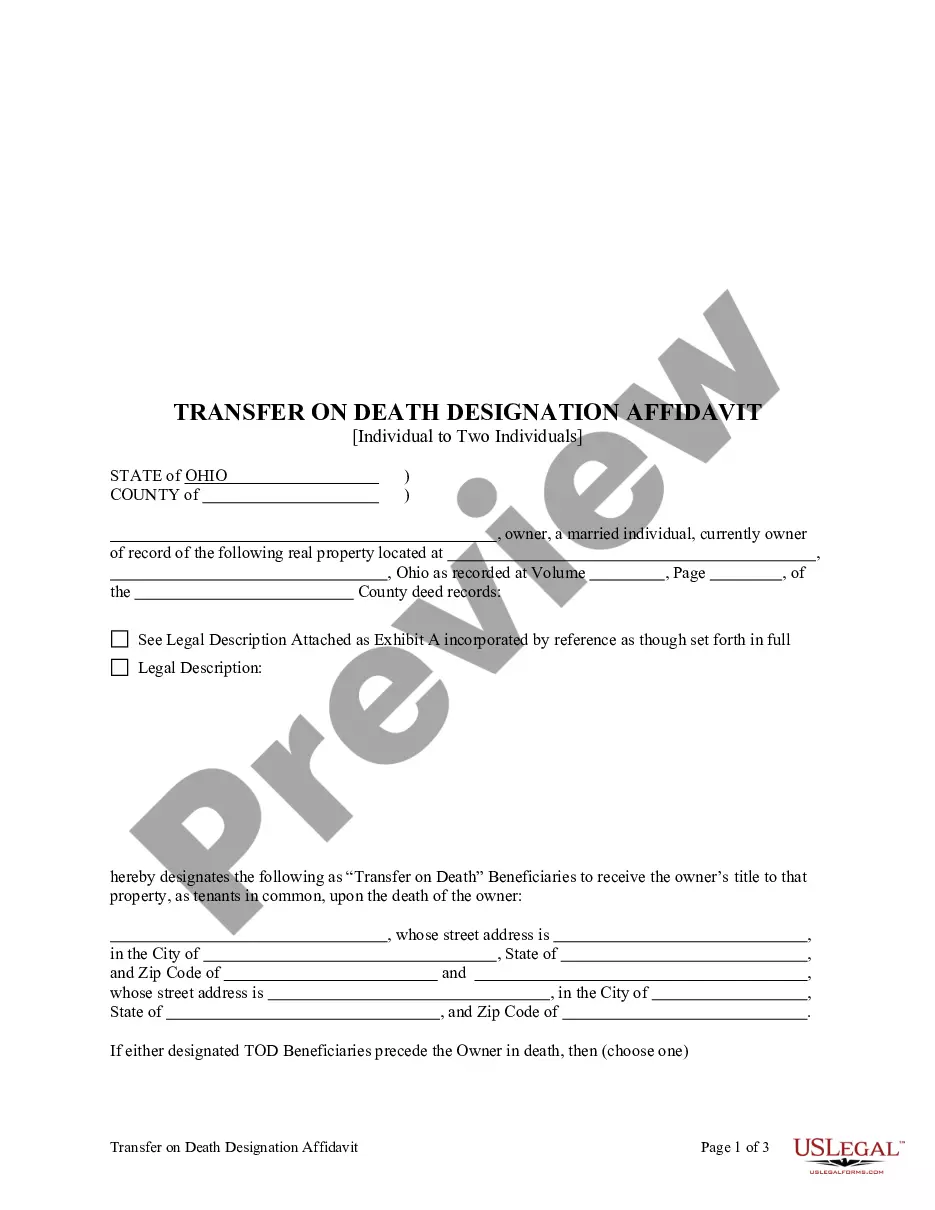
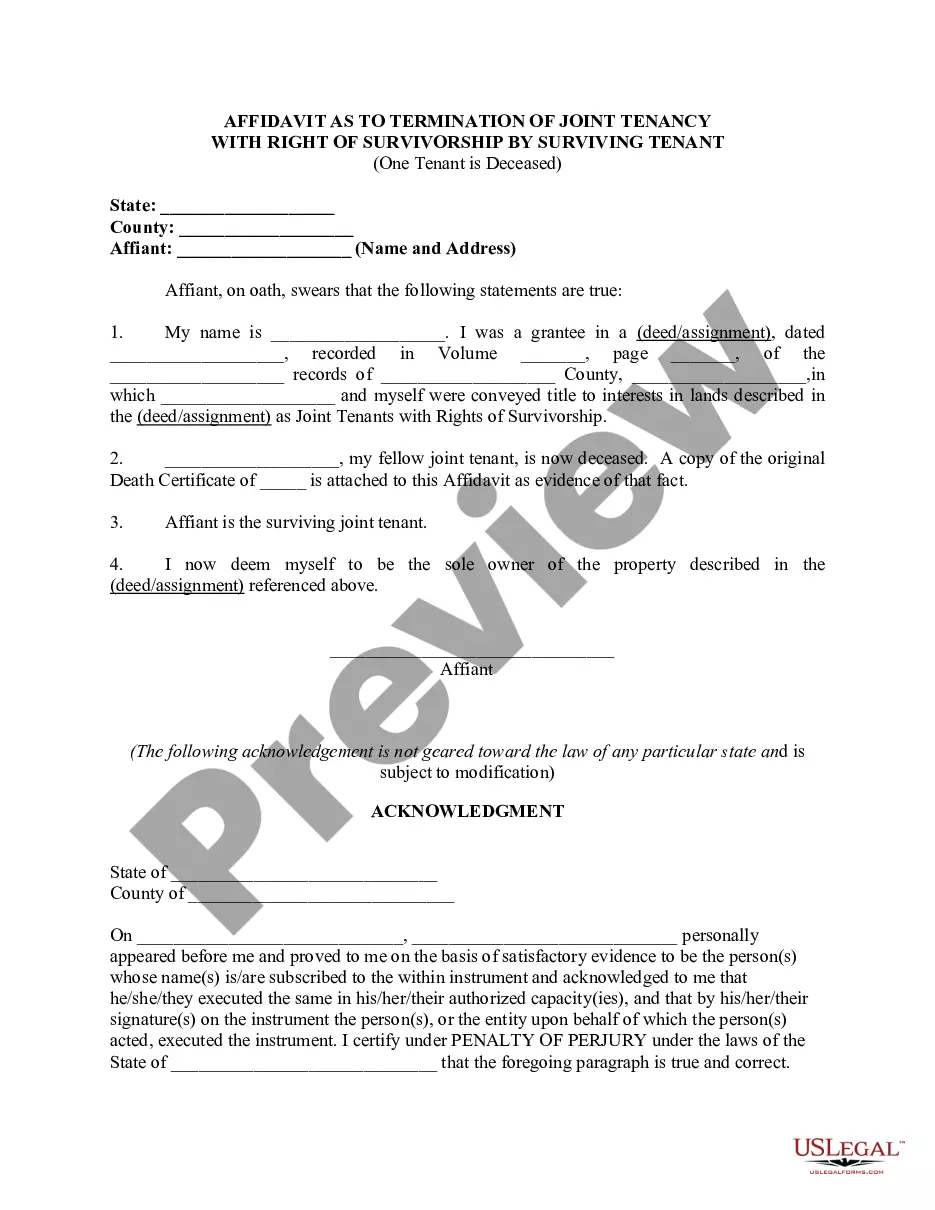
Get your form ready online
Our built-in tools help you complete, sign, share, and store your documents in one place.
Make edits, fill in missing information, and update formatting in US Legal Forms—just like you would in MS Word.
Download a copy, print it, send it by email, or mail it via USPS—whatever works best for your next step.
Sign and collect signatures with our SignNow integration. Send to multiple recipients, set reminders, and more. Go Premium to unlock E-Sign.
If this form requires notarization, complete it online through a secure video call—no need to meet a notary in person or wait for an appointment.
We protect your documents and personal data by following strict security and privacy standards.

Make edits, fill in missing information, and update formatting in US Legal Forms—just like you would in MS Word.

Download a copy, print it, send it by email, or mail it via USPS—whatever works best for your next step.

Sign and collect signatures with our SignNow integration. Send to multiple recipients, set reminders, and more. Go Premium to unlock E-Sign.

If this form requires notarization, complete it online through a secure video call—no need to meet a notary in person or wait for an appointment.

We protect your documents and personal data by following strict security and privacy standards.
Looking for another form?


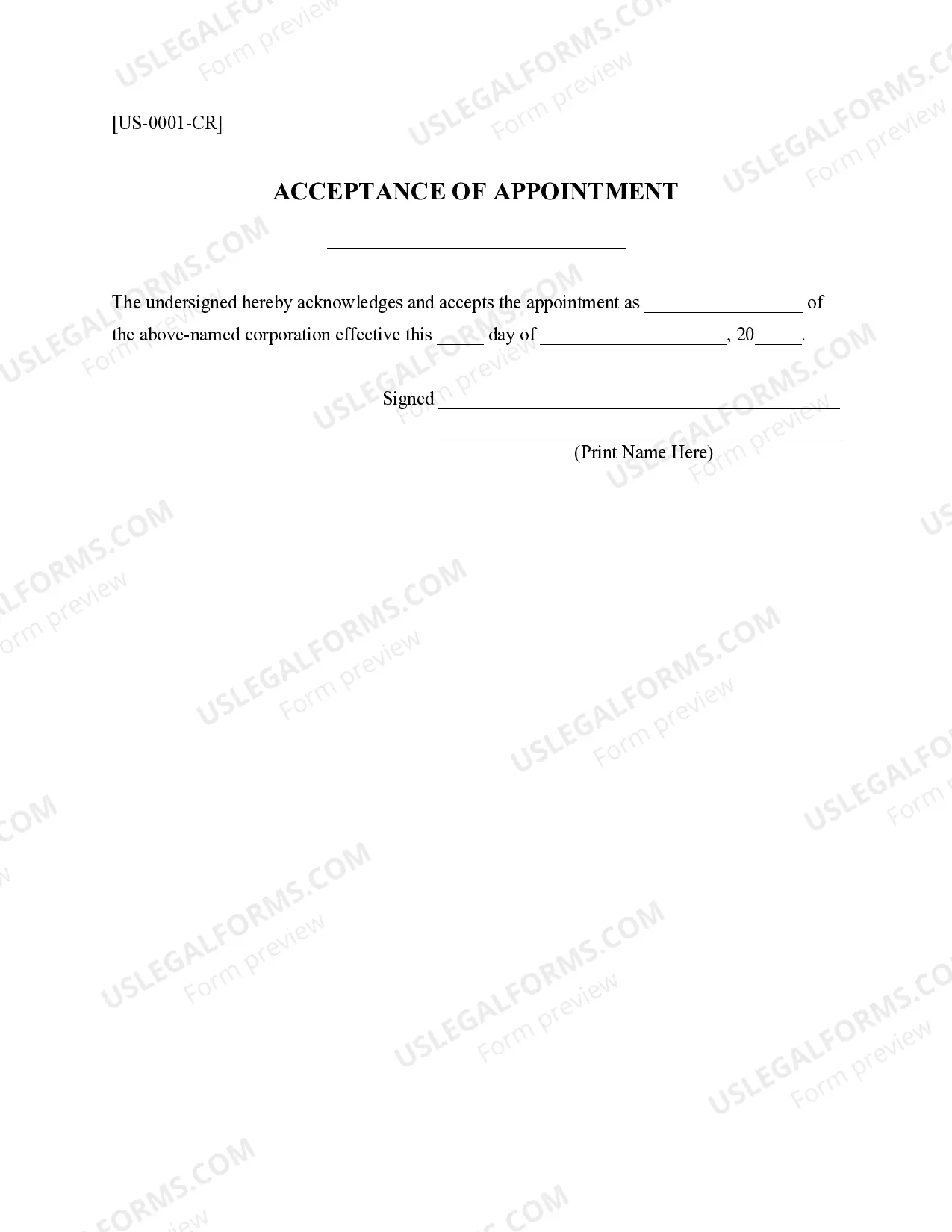







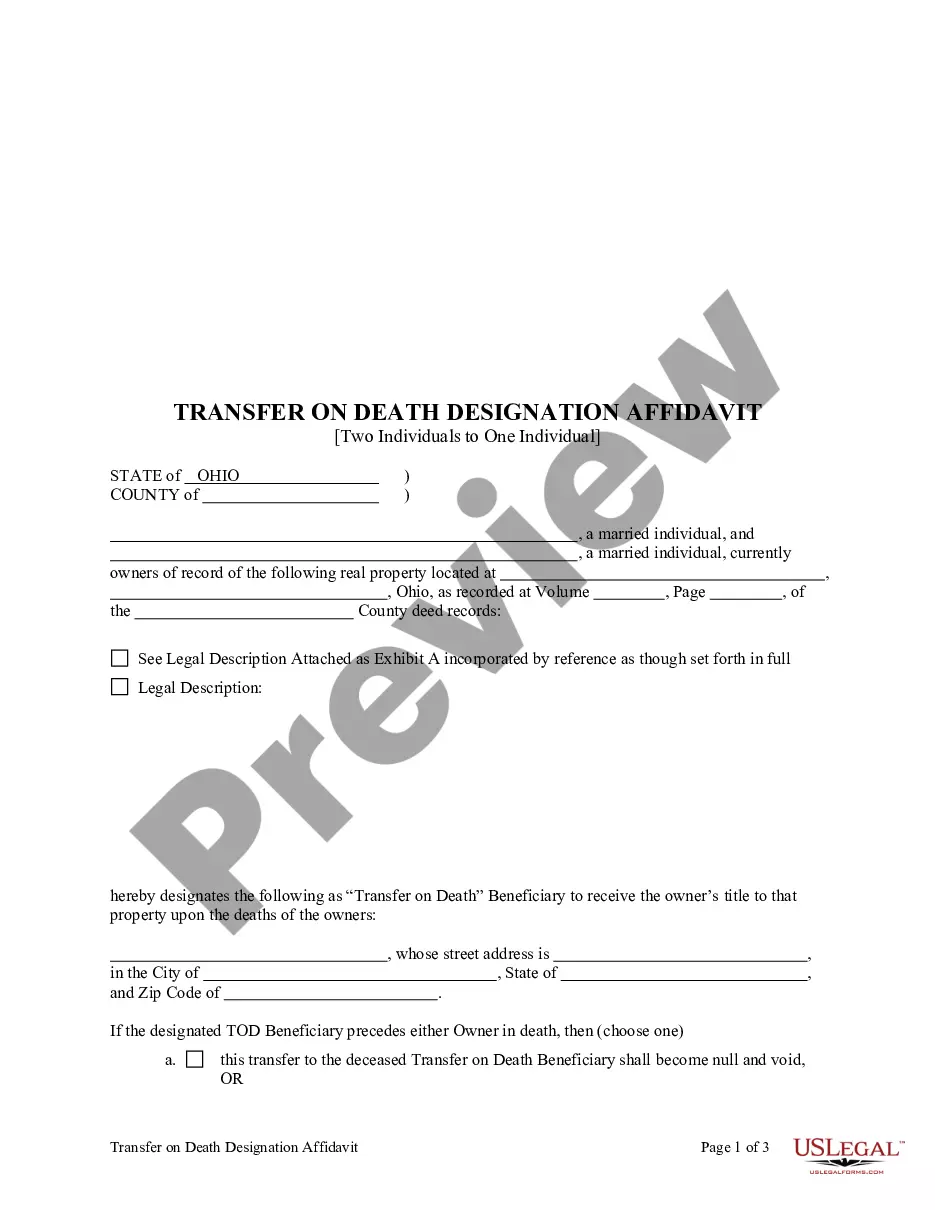
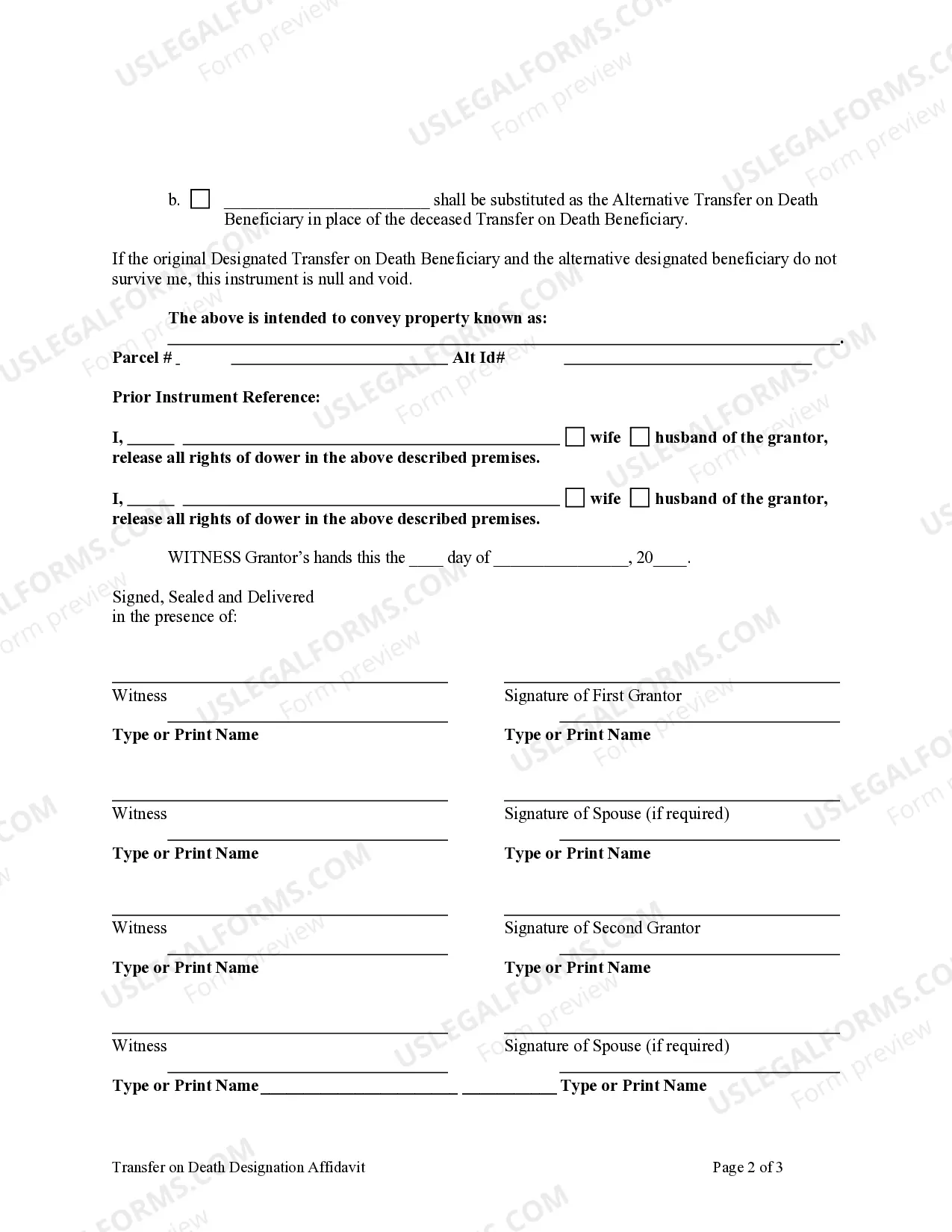
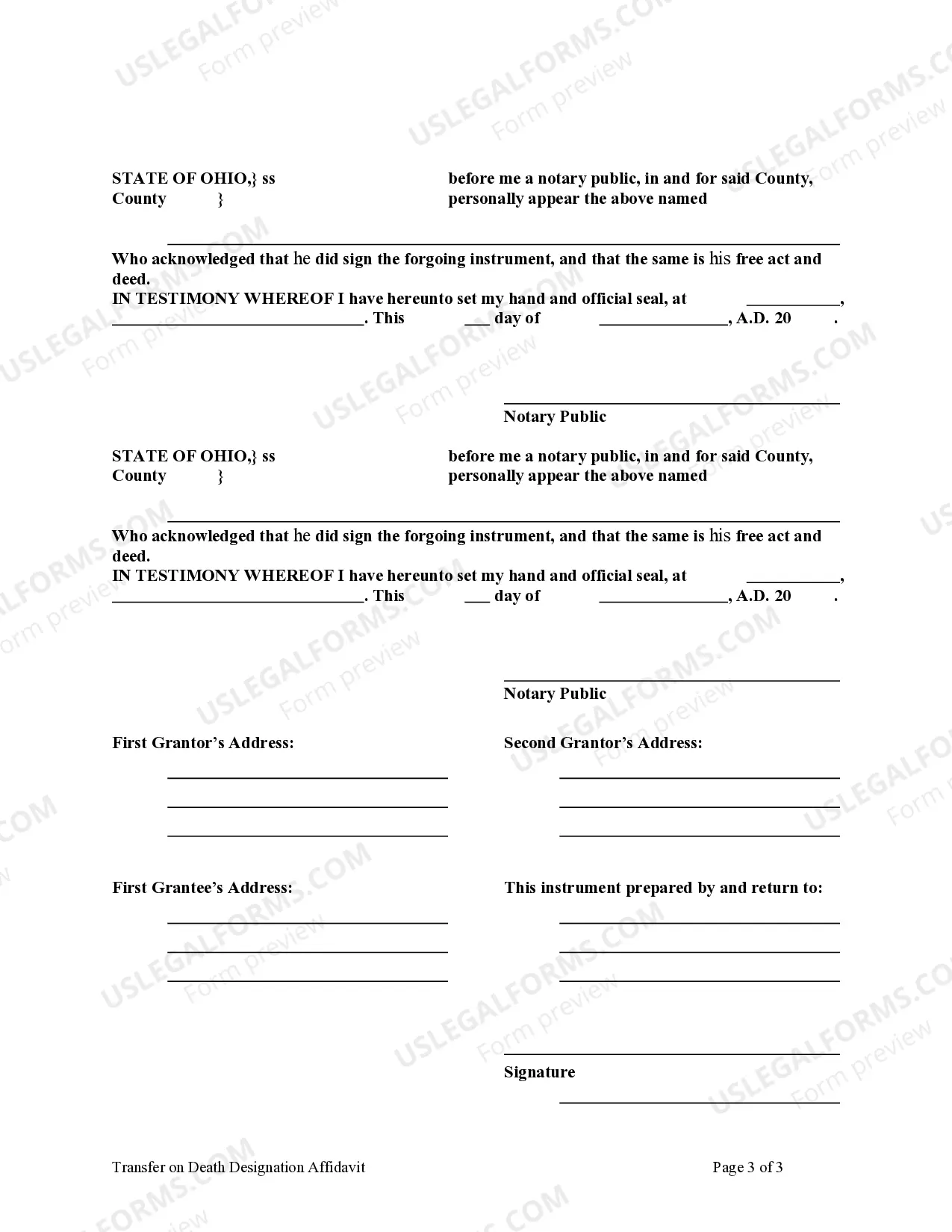
How to fill out Ohio Transfer On Death Designation Affidavit - TOD From Two Individuals To One Individual?
- Access your US Legal Forms account. If you are a returning user, log into your account to retrieve your form template. Verify that your subscription is active; renew if necessary.
- Explore the preview mode. Check the form description to ensure it aligns with your needs and meets local jurisdiction requirements.
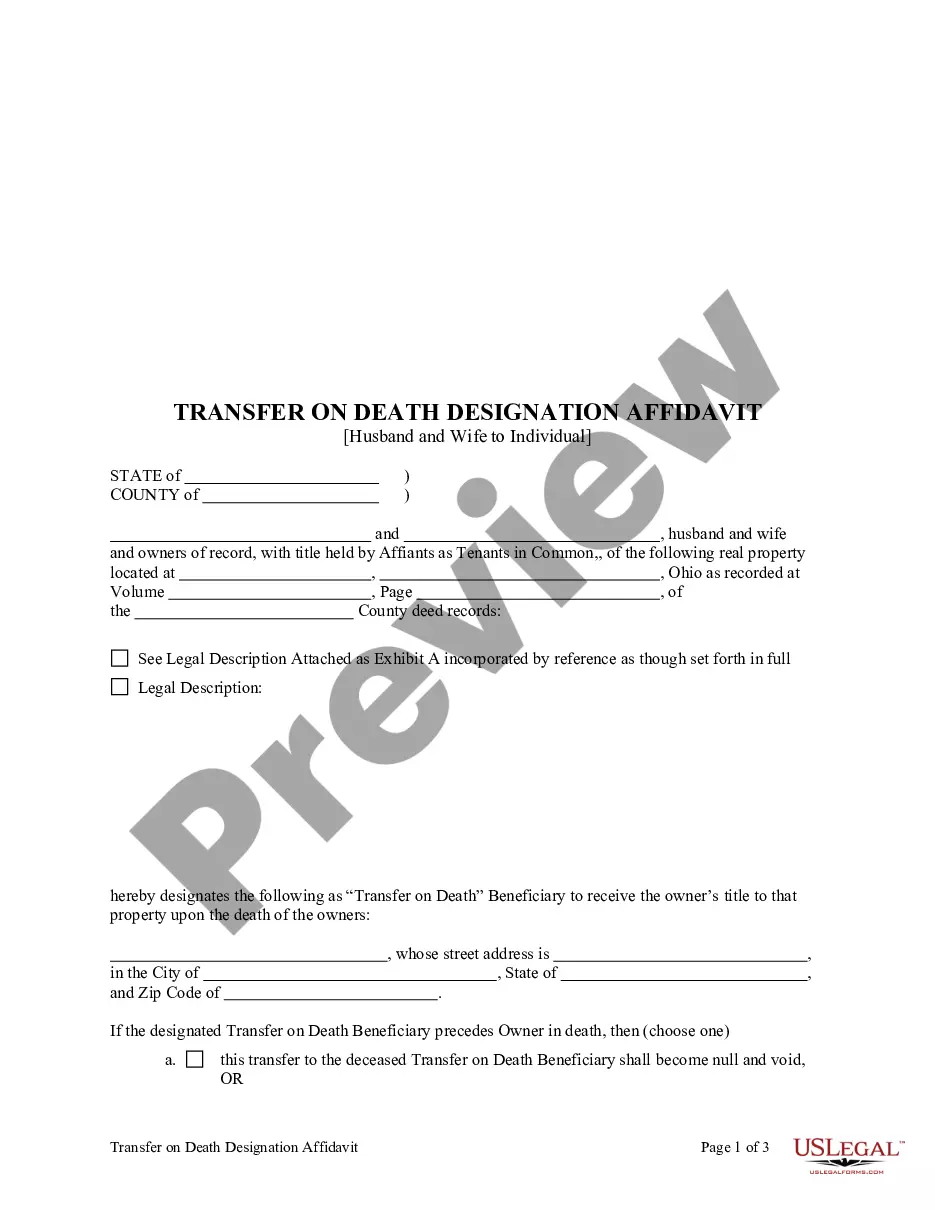
- Search for alternative templates. If the current form isn't suitable, utilize the Search tab to find the appropriate document that meets your needs.
- Purchase the document. Hit the Buy Now button and select your preferred subscription plan, creating an account if you haven’t done so already.
- Complete your purchase. Enter your payment details using a credit card or PayPal to finalize the subscription.
- Download your form. Save the document to your device and access it anytime from the My Forms section of your profile.
Using US Legal Forms allows individuals and attorneys to efficiently generate legally sound documents with ease. With over 85,000 templates available, users can find the specific forms they need without hassle.
Take advantage of the robust collection of legal forms and expert assistance by signing up with US Legal Forms today!
Form popularity
FAQ
A beneficiary is an individual or entity designated to receive property or assets upon someone’s death, while a transfer on death (TOD) deed specifically directs how an asset will be transferred automatically at the time of death. The TOD deed simplifies the process by avoiding probate, allowing for a smooth transition. Understanding this distinction can help in estate planning, especially when considering options like transfer death individual for each child. For assistance, check out US Legal Forms to ensure clarity and compliance with your needs.
To transfer an on-death deed to two beneficiaries, you must include both names in the deed when you create it. This deed allows you to designate multiple beneficiaries, ensuring that property passes to them upon your death. It is crucial to follow the specific laws in your state regarding the format of the deed. For detailed guidance, consider using US Legal Forms to create an accurate and legally sound transfer death individual for each child.
An individual transfer on death account allows a person to designate beneficiaries directly on their account. This ensures that upon the account holder's death, the funds pass directly to the named beneficiaries without going through probate. This can be particularly beneficial for streamlined estate management. Implementing a transfer death individual for each child through such accounts can facilitate a smooth transition.
Disadvantages of a transfer on death deed include the inability to transfer property if the owner becomes incapacitated, which can lead to issues when urgent decisions are needed. Additionally, this deed does not protect the property from creditors or liens, which might create problems for beneficiaries. These factors should be carefully weighed before deciding on a transfer death individual for each child.
A transfer on death deed may not avoid inheritance tax, as this tax is typically determined by the total value of the estate at death. However, a TOD can simplify the transfer of property, potentially lowering administrative costs associated with inheritance tax procedures. It's advisable to consult a tax advisor to understand how this deed impacts your specific situation. A transfer death individual for each child may help minimize complications in estate distribution.
While you do not necessarily need a lawyer to create a transfer on death deed, consulting one can provide clarity and reduce errors. Legal professionals can guide you through the specifics, ensuring the document meets state requirements. Using a service like US Legal Forms can also help simplify the process, offering templates that comply with local laws. Ultimately, a transfer death individual for each child deserves careful consideration.
Yes, you can designate two beneficiaries on a transfer on death deed. This allows you to specify how the property should be divided among them after your passing. However, it's critical to determine how you want the distribution to occur, such as equally or based on other criteria. A transfer death individual for each child can streamline this process significantly.
A transfer on death deed (TOD) can have disadvantages, such as limited control over the property after death. The property does not pass through probate, which can sometimes lead to disputes among heirs if they feel unfairly treated. Additionally, if a beneficiary cannot be located, the property may end up in court, creating delays and complications. Consider the transfer death individual for each child to ensure equitable distribution.
Yes, you can designate multiple beneficiaries on a transfer on death deed. This ensures that property can be split among your children or other heirs according to your wishes. However, it’s essential to outline clear instructions on how the property should be divided. US Legal Forms provides templates to help you create a TOD deed that reflects your intentions and secures your family's future.
Individual transfer on death refers to the transfer of property directly to a named beneficiary upon the owner's death. This type of transfer ensures your children receive their inheritance swiftly and without the need for probate. It streamlines the entire process, making it easier for your loved ones. Using resources from US Legal Forms can help you set it up correctly for each child.