Ohio Tod Form For Real Estate
Description


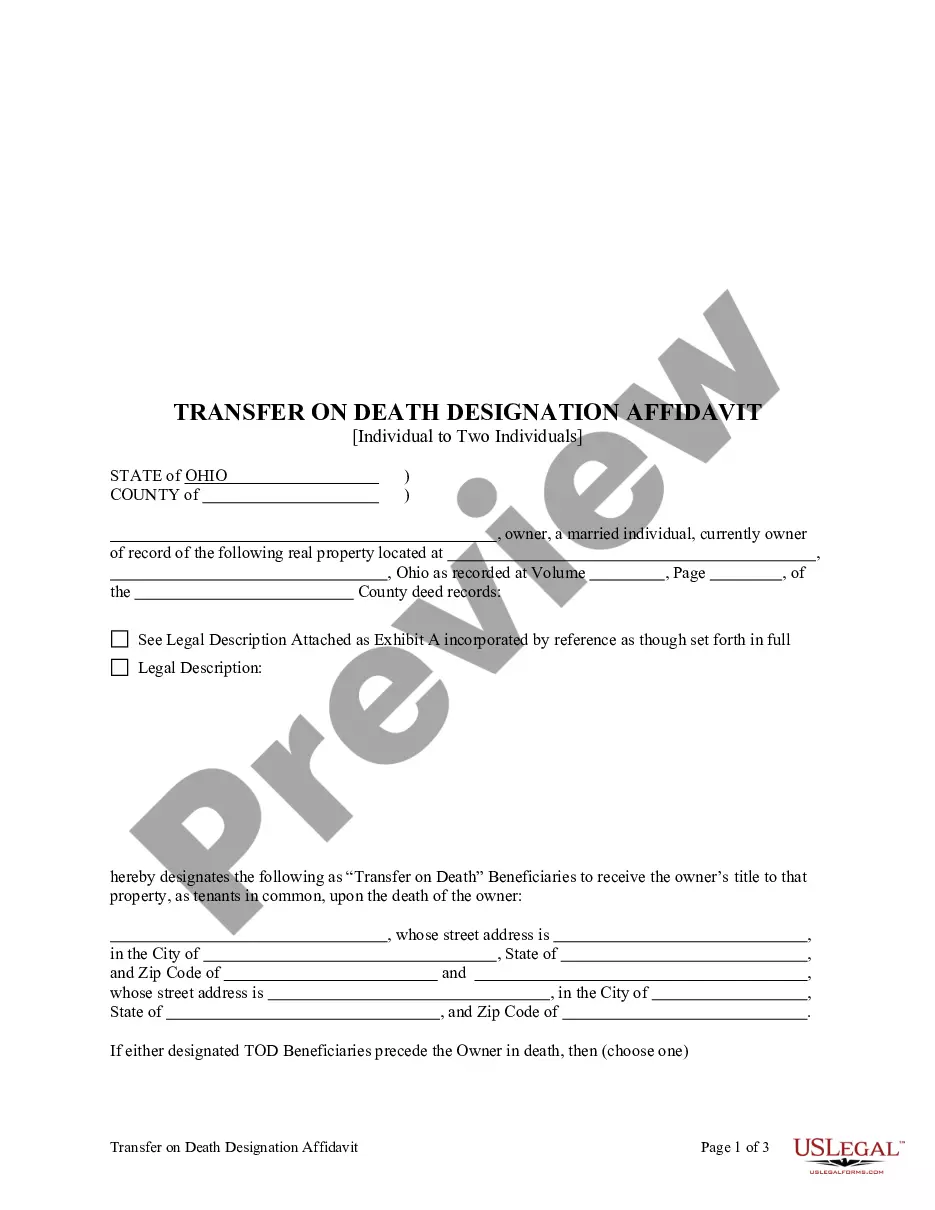
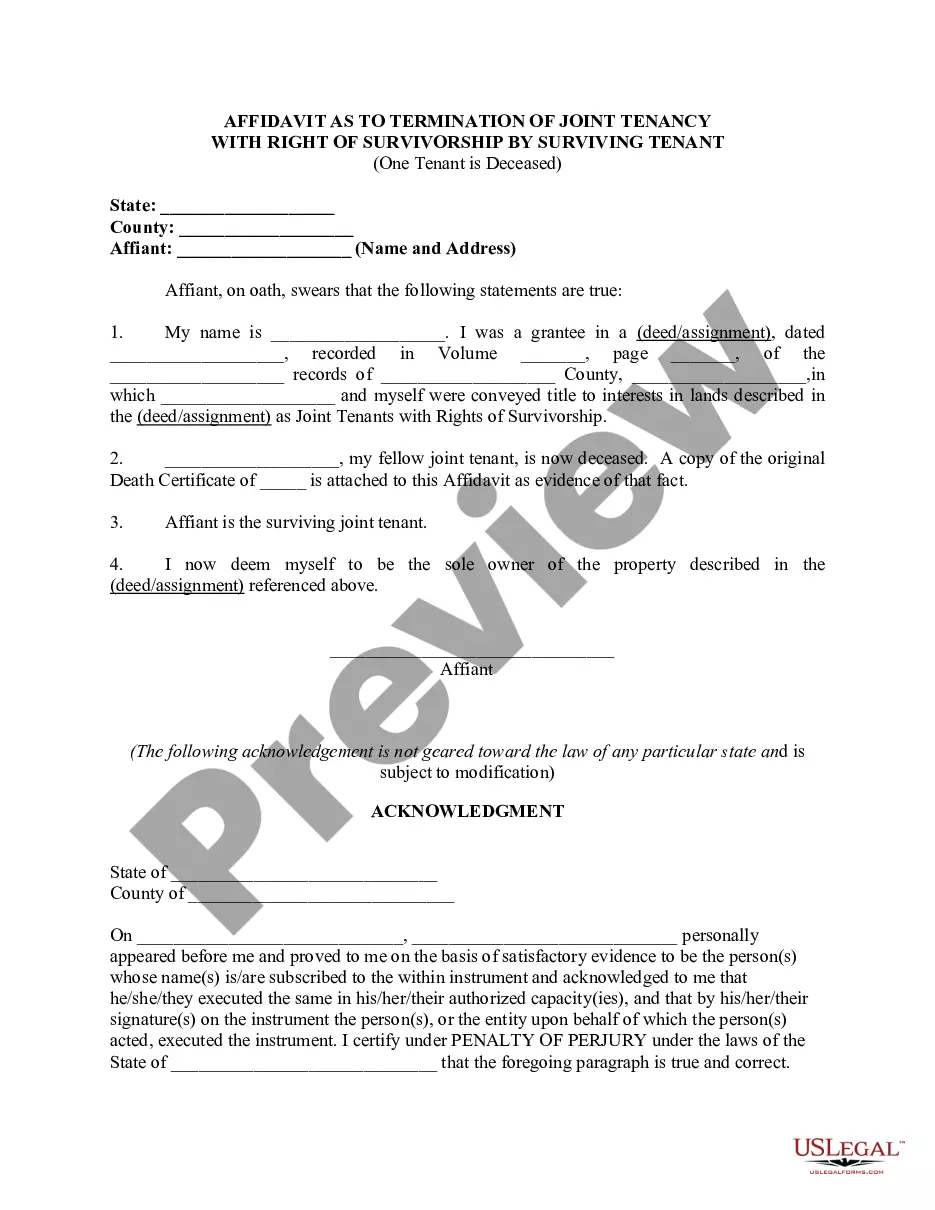
Get your form ready online
Our built-in tools help you complete, sign, share, and store your documents in one place.
Make edits, fill in missing information, and update formatting in US Legal Forms—just like you would in MS Word.
Download a copy, print it, send it by email, or mail it via USPS—whatever works best for your next step.
Sign and collect signatures with our SignNow integration. Send to multiple recipients, set reminders, and more. Go Premium to unlock E-Sign.
If this form requires notarization, complete it online through a secure video call—no need to meet a notary in person or wait for an appointment.
We protect your documents and personal data by following strict security and privacy standards.

Make edits, fill in missing information, and update formatting in US Legal Forms—just like you would in MS Word.

Download a copy, print it, send it by email, or mail it via USPS—whatever works best for your next step.

Sign and collect signatures with our SignNow integration. Send to multiple recipients, set reminders, and more. Go Premium to unlock E-Sign.

If this form requires notarization, complete it online through a secure video call—no need to meet a notary in person or wait for an appointment.

We protect your documents and personal data by following strict security and privacy standards.
Looking for another form?


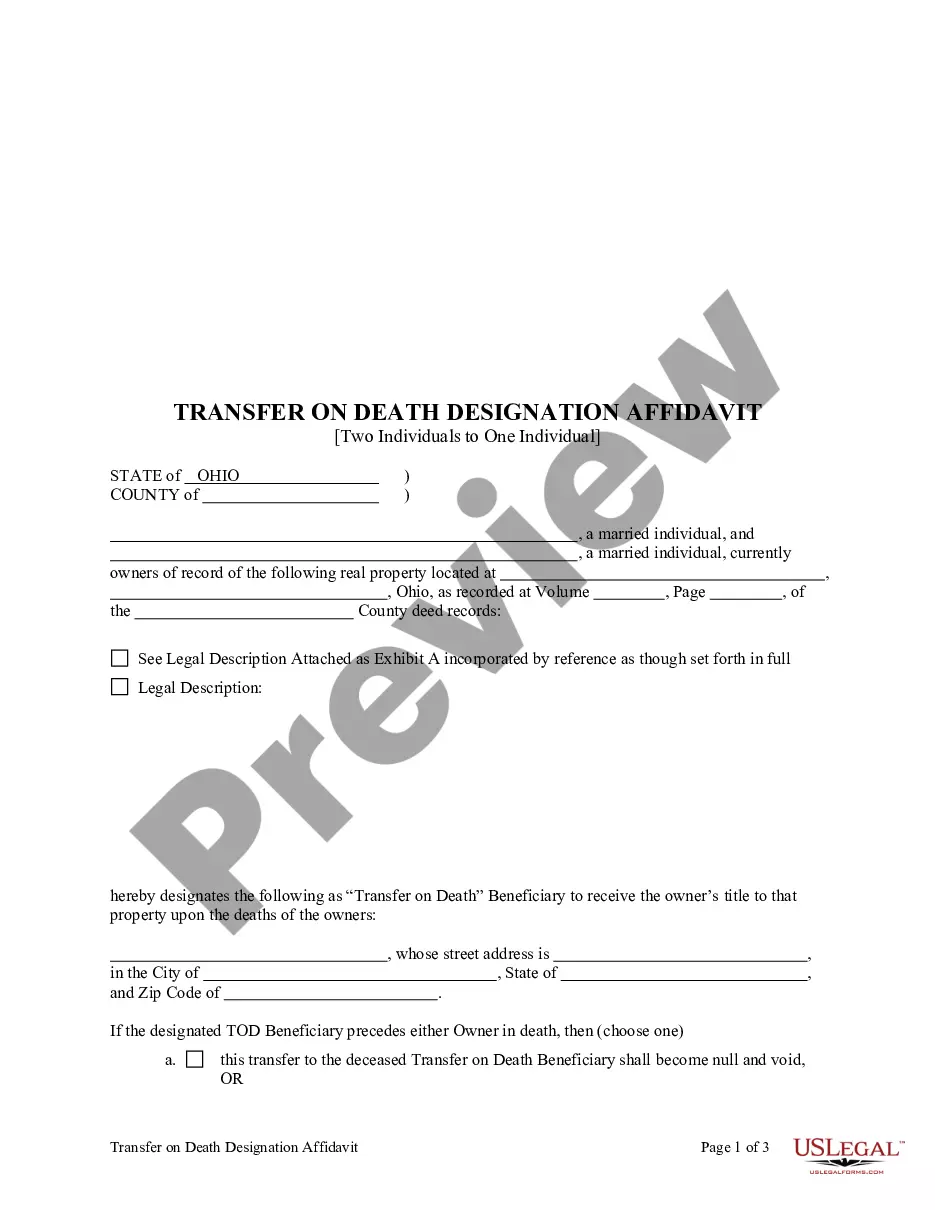
How to fill out Ohio Transfer On Death Designation Affidavit - TOD From Two Individuals To One Individual?
Creating legal documents from the ground up can occasionally feel a bit daunting. Certain situations may require extensive research and significant financial investment.
If you’re looking for a simpler and more affordable method of generating the Ohio Tod Form For Real Estate or other forms without unnecessary complications, US Legal Forms is always accessible.
Our online collection of over 85,000 current legal documents encompasses nearly every aspect of your financial, legal, and personal matters. With just a few clicks, you can swiftly obtain state- and county-specific templates carefully prepared by our legal professionals.
Utilize our platform whenever you need a dependable and trustworthy service through which you can effortlessly find and download the Ohio Tod Form For Real Estate. If you’re familiar with our services and have previously registered an account with us, simply Log In to your account, choose the template, and download it, or re-download it at any time from the My documents section.
US Legal Forms enjoys a solid reputation and boasts over 25 years of expertise. Join us today and transform document completion into a straightforward and efficient process!
- Don’t have an account? No worries. It requires minimal time to create one and explore the catalog.
- However, before you proceed to download the Ohio Tod Form For Real Estate, heed these suggestions.
- Examine the form preview and descriptions to ensure you’ve located the form you need.
- Confirm that the selected form meets the criteria of your state and county.
- Pick the appropriate subscription option to obtain the Ohio Tod Form For Real Estate.
- Download the form. Afterward, fill it out, sign it, and print it.
Form popularity
FAQ
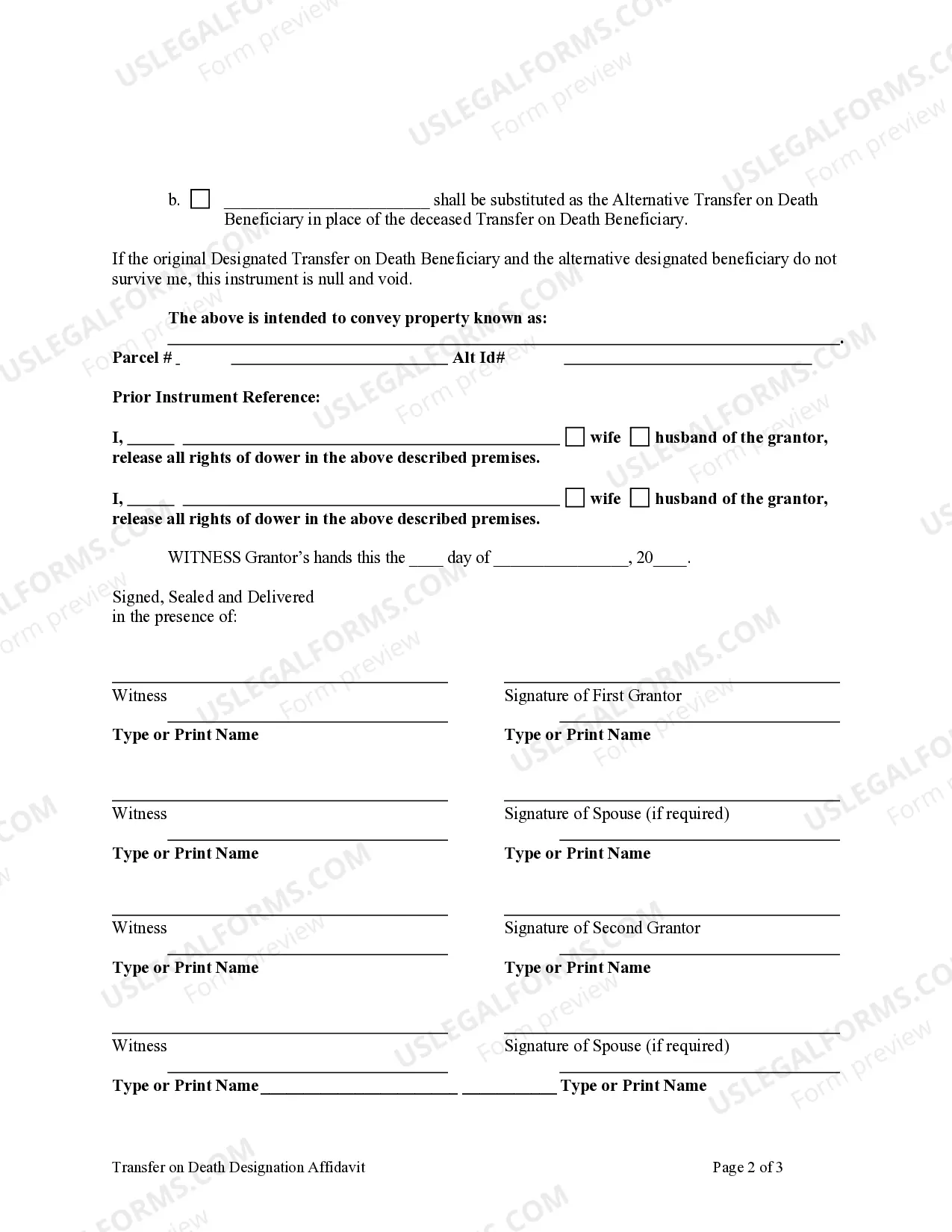
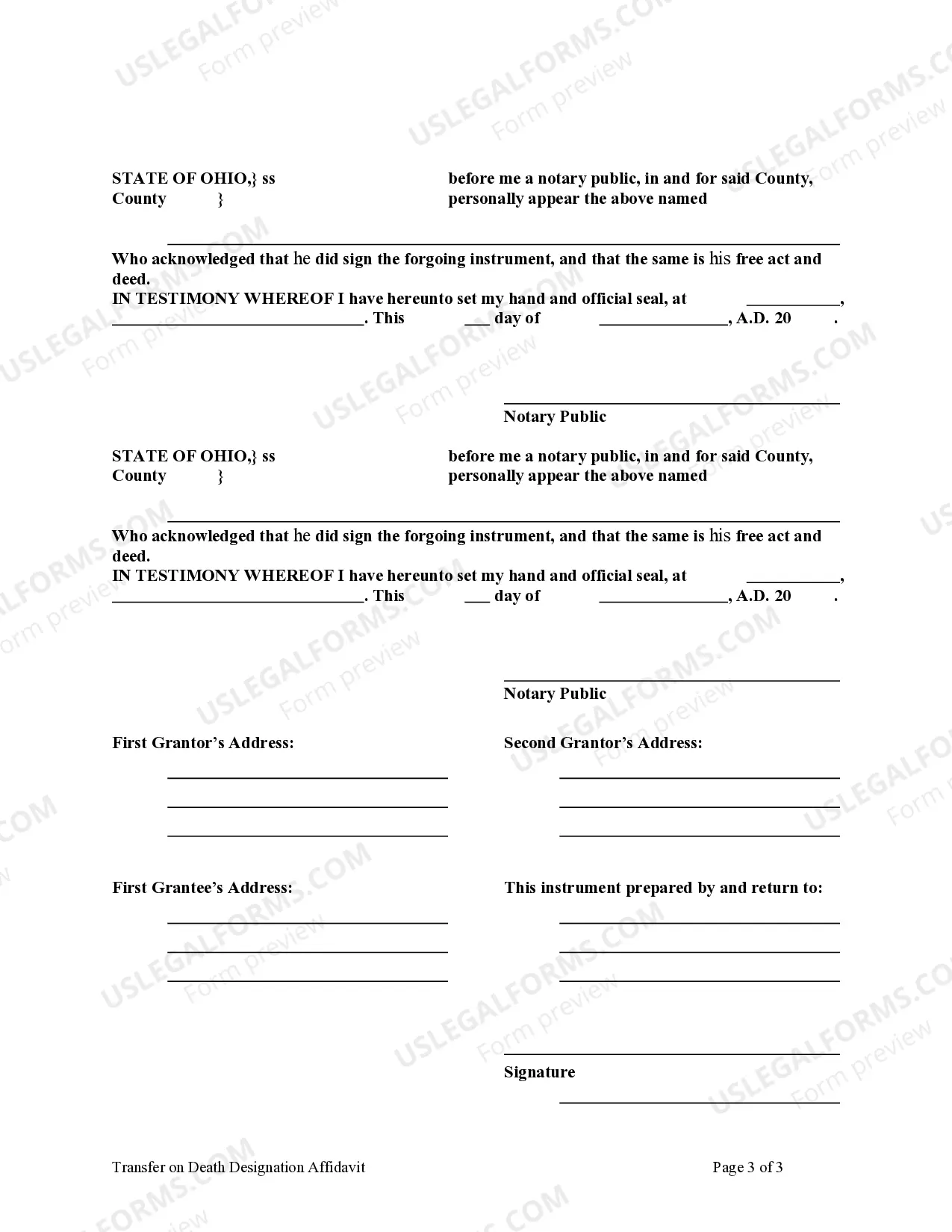
Completing a transfer on death deed involves filling out the Ohio TOD form for real estate with accurate details about your property and the beneficiary. Once you fill out the form, you must have it signed in front of a notary public. Finally, file the deed with your county recorder's office to finalize the transfer.
Yes, you can complete a deed transfer without a lawyer in Ohio. By using the Ohio TOD form for real estate, you can manage the process on your own. However, if you have any doubts or special circumstances, seeking legal advice can help ensure everything goes smoothly.
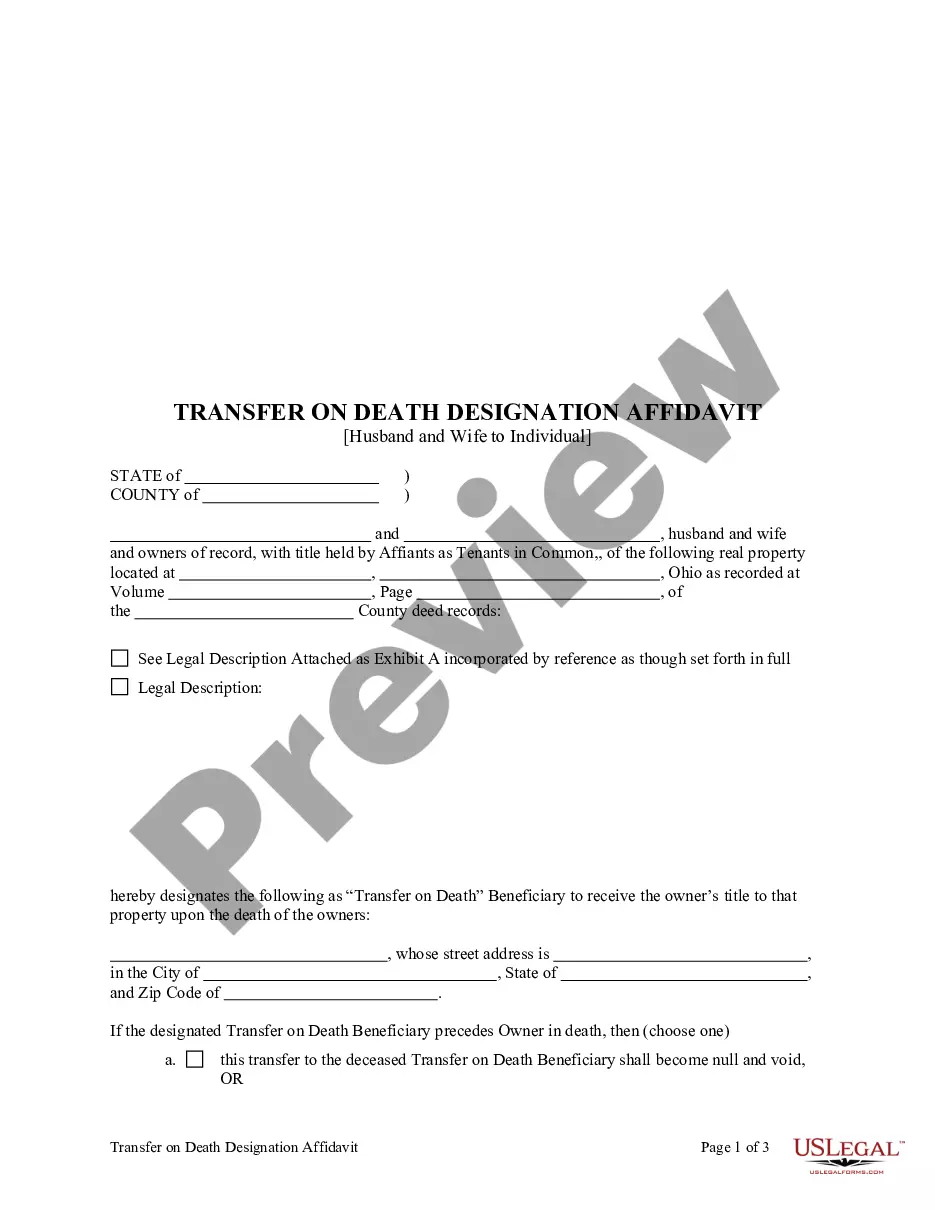
To add a transfer on death designation to your property deed, you must fill out the appropriate Ohio TOD form for real estate. This form will specify the beneficiary who will receive the property upon your death. After completing the form, have it notarized, and then file it with your county recorder's office.
Filing a transfer on death deed in Ohio involves several straightforward steps. Start by obtaining the Ohio TOD form for real estate. After completing the form with the necessary information, get it notarized, and then submit it to your local county recorder's office for official recording.
To file a transfer on death deed in Ohio, you must first complete the Ohio TOD form for real estate. Next, you will need to sign the deed in front of a notary public. Finally, file the completed form with your county recorder's office to ensure proper recording and validity.
You do not necessarily need a lawyer to file a transfer on death deed in Ohio. However, having legal guidance can simplify the process and help ensure that the Ohio TOD form for real estate is filled out correctly. If you are unsure about any part of the process, consulting a lawyer may be beneficial to avoid any mistakes.
To place a Transfer on Death (TOD) deed on your real estate, you need to fill out the Ohio TOD form for real estate accurately. Once completed, you must sign the form in front of a notary and then record it with the county recorder's office where the property is located. This formal recording is crucial, as it ensures the TOD deed is legally binding and recognized. For assistance, you can visit US Legal Forms, which offers guidance and templates to simplify the process.
To transfer property after death in Ohio, you can utilize a Transfer on Death (TOD) deed. If you have already completed the Ohio TOD form for real estate, the property will automatically go to your chosen beneficiary without going through probate. If you did not create a TOD deed, beneficiaries would need to initiate probate proceedings to transfer ownership. It's advisable to consult with an attorney to navigate this process smoothly.
Yes, a Transfer on Death (TOD) deed allows property to bypass probate in Ohio. When you complete the Ohio TOD form for real estate, ownership automatically transfers to your designated beneficiary upon your death. This process simplifies the transfer and can save time and costs associated with probate. However, it's essential to ensure that all legal requirements are met to enforce this benefit.
Using a Transfer on Death (TOD) deed can have some drawbacks. For instance, if you have debts at the time of your death, creditors may still claim your property even if it has a TOD deed. Additionally, if you wish to change beneficiaries, you must complete a new Ohio TOD form for real estate, which can be cumbersome. Lastly, without proper planning, your loved ones may face confusion or disputes after your passing.