Sample Bylaws In Malayalam
Description


Get your form ready online
Our built-in tools help you complete, sign, share, and store your documents in one place.
Make edits, fill in missing information, and update formatting in US Legal Forms—just like you would in MS Word.
Download a copy, print it, send it by email, or mail it via USPS—whatever works best for your next step.
Sign and collect signatures with our SignNow integration. Send to multiple recipients, set reminders, and more. Go Premium to unlock E-Sign.
If this form requires notarization, complete it online through a secure video call—no need to meet a notary in person or wait for an appointment.
We protect your documents and personal data by following strict security and privacy standards.

Make edits, fill in missing information, and update formatting in US Legal Forms—just like you would in MS Word.

Download a copy, print it, send it by email, or mail it via USPS—whatever works best for your next step.

Sign and collect signatures with our SignNow integration. Send to multiple recipients, set reminders, and more. Go Premium to unlock E-Sign.

If this form requires notarization, complete it online through a secure video call—no need to meet a notary in person or wait for an appointment.

We protect your documents and personal data by following strict security and privacy standards.
Looking for another form?
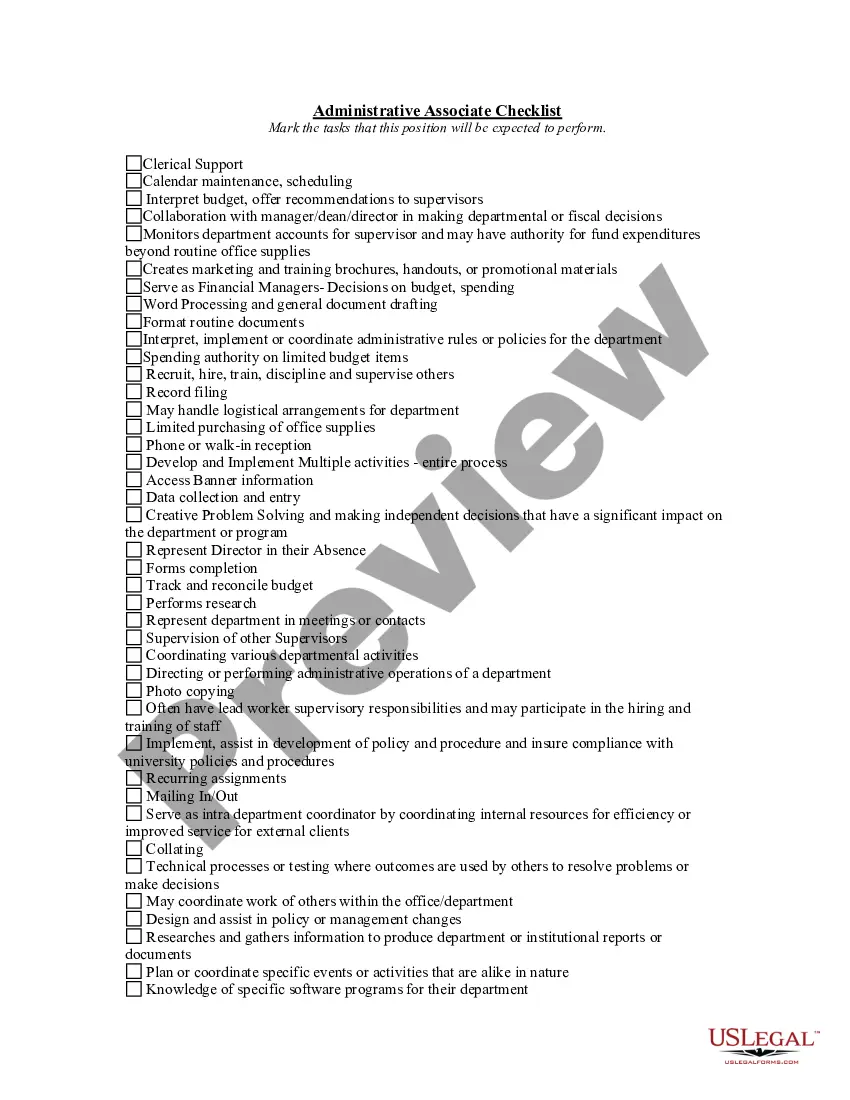
How to fill out Sample Bylaws For A New York Professional Service Corporation?
Managing legal documentation can be daunting, even for the most adept experts.
When you seek a Sample Bylaws In Malayalam and do not have the opportunity to dedicate time for finding the correct and updated version, the tasks may become challenging.
Gain access to a valuable repository of articles, guides, and materials related to your situation and requirements.
Save time and effort searching for the documents you need, and take advantage of US Legal Forms’ sophisticated search and Preview tool to find Sample Bylaws In Malayalam and download it.
Enjoy the online catalog of US Legal Forms, supported by 25 years of experience and reliability. Turn your routine document management into a straightforward and user-friendly process today.
- If you hold a subscription, Log In to your US Legal Forms account, locate the form, and download it.
- Check your My documents section to view the documents you have previously downloaded and to manage your folders as you prefer.
- If this is your first experience with US Legal Forms, create a free account to enjoy unlimited access to all platform benefits.
- Here are the steps to follow after acquiring the form you need.
- Verify it is the correct form by previewing it and reviewing its details.
- Access state- or county-specific legal and organizational documents.
- US Legal Forms fulfills any requirements you may have, ranging from personal to corporate paperwork, all in one place.
- Utilize innovative tools to complete and manage your Sample Bylaws In Malayalam.
Form popularity
FAQ
Bylaws serve as a blueprint for how an organization operates, outlining the framework for decision-making and governance. They specify the roles of members, officers, and committees, helping to establish clear expectations. When properly implemented, bylaws enhance organizational efficiency and accountability. For those looking for guidance, sample bylaws in malayalam provide valuable insights into effective governance.
Common mistakes in drafting bylaws include being too vague or overly complex, which can lead to confusion among members. Another frequent error is failing to comply with state laws, which can render the bylaws ineffective. It's also important to avoid neglecting to update bylaws as the organization evolves. Utilizing sample bylaws in malayalam can help you identify and avoid these pitfalls.
Bylaws are the internal rules and regulations that govern an organization’s operations and management. They outline the structure, roles, and responsibilities of the organization. For example, bylaws may include provisions for conducting meetings, electing officers, and handling finances. You can find various sample bylaws in malayalam to help tailor your own set of rules effectively.
Begin by gathering input from key stakeholders to understand their needs and expectations. Next, draft the bylaws by organizing them into sections that cover essential topics like purpose, membership, and governance. Once completed, review your draft against sample bylaws in malayalam to ensure compliance with legal standards and clarity. Finally, present the bylaws for approval to your organization's members.
To write effective bylaws, start with a clear outline of the organization's structure and governance. Use straightforward language, and ensure each section addresses specific topics, such as membership, meetings, and decision-making processes. Additionally, refer to sample bylaws in malayalam for guidance on format and content. This approach will help create a solid framework for your organization.
When drafting bylaws, avoid including overly specific details that may change frequently, such as names of officers or specific dates. Do not include rules that contradict state laws or the organization's purpose. Additionally, refrain from inserting personal opinions or vague language that could lead to confusion. Instead, focus on clear and concise guidelines that align with sample bylaws in malayalam.
Bylaws should provide specific authority of the board to adopt policies, identify provisions for adoption and the vote required for adoption or amendment. Policies reflect the tenets of the board on which current and future decisions are made.
10 steps for writing bylaws for an association Research. Form a committee. Create the structure. Outline your organization's key roles and responsibilities. Establish your meeting rules. Define your membership. Address finances. Outline the amendment process.
Bylaws generally define things like the group's official name, purpose, requirements for membership, officers' titles and responsibilities, how offices are to be assigned, how meetings should be conducted, and how often meetings will be held.
Statement of Purpose The corporate bylaws should include a statement of the company's purpose. A written statement of purpose allows current and future managers, officers and directors to learn the reason the company was founded, as well as the objective of any future endeavors.