Living Trust With House
Description
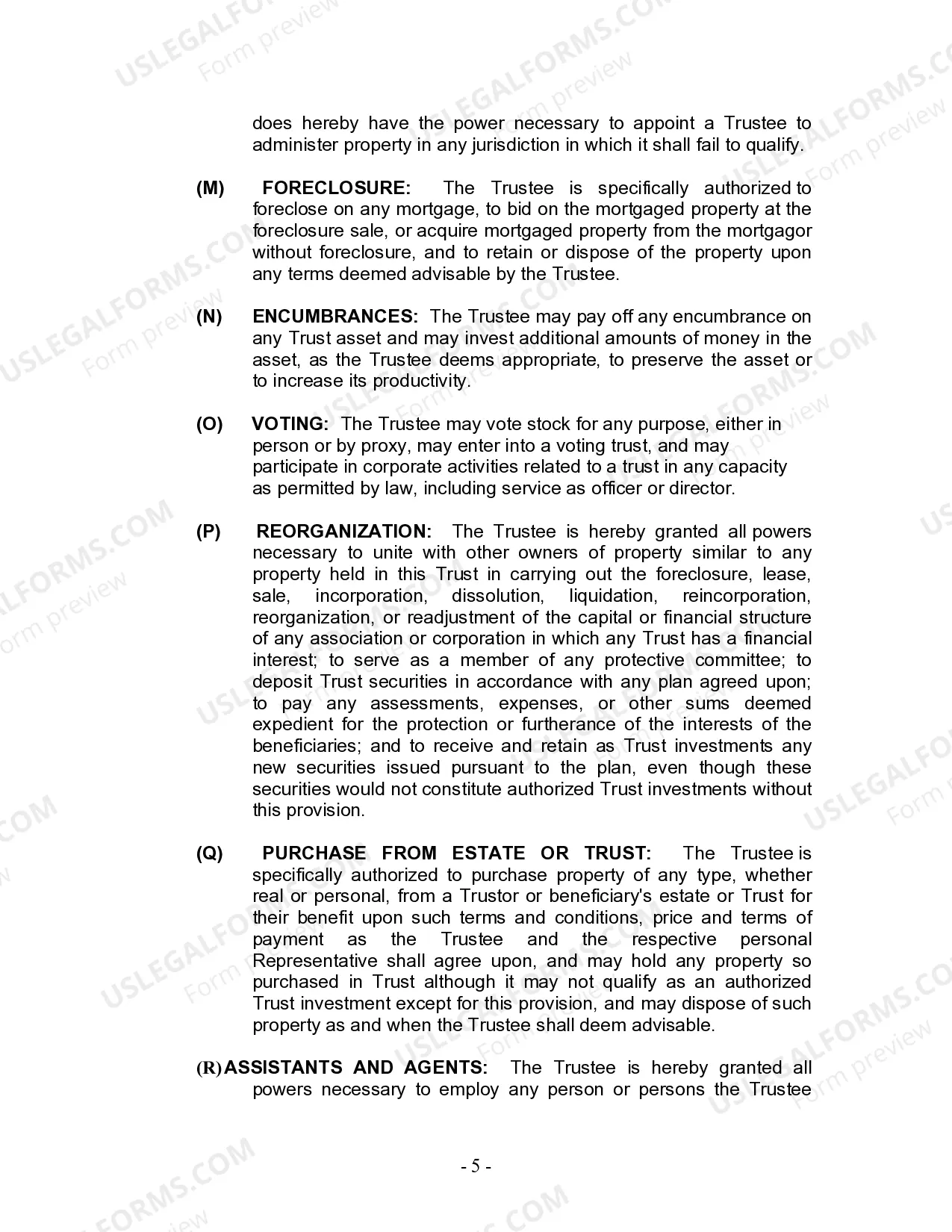
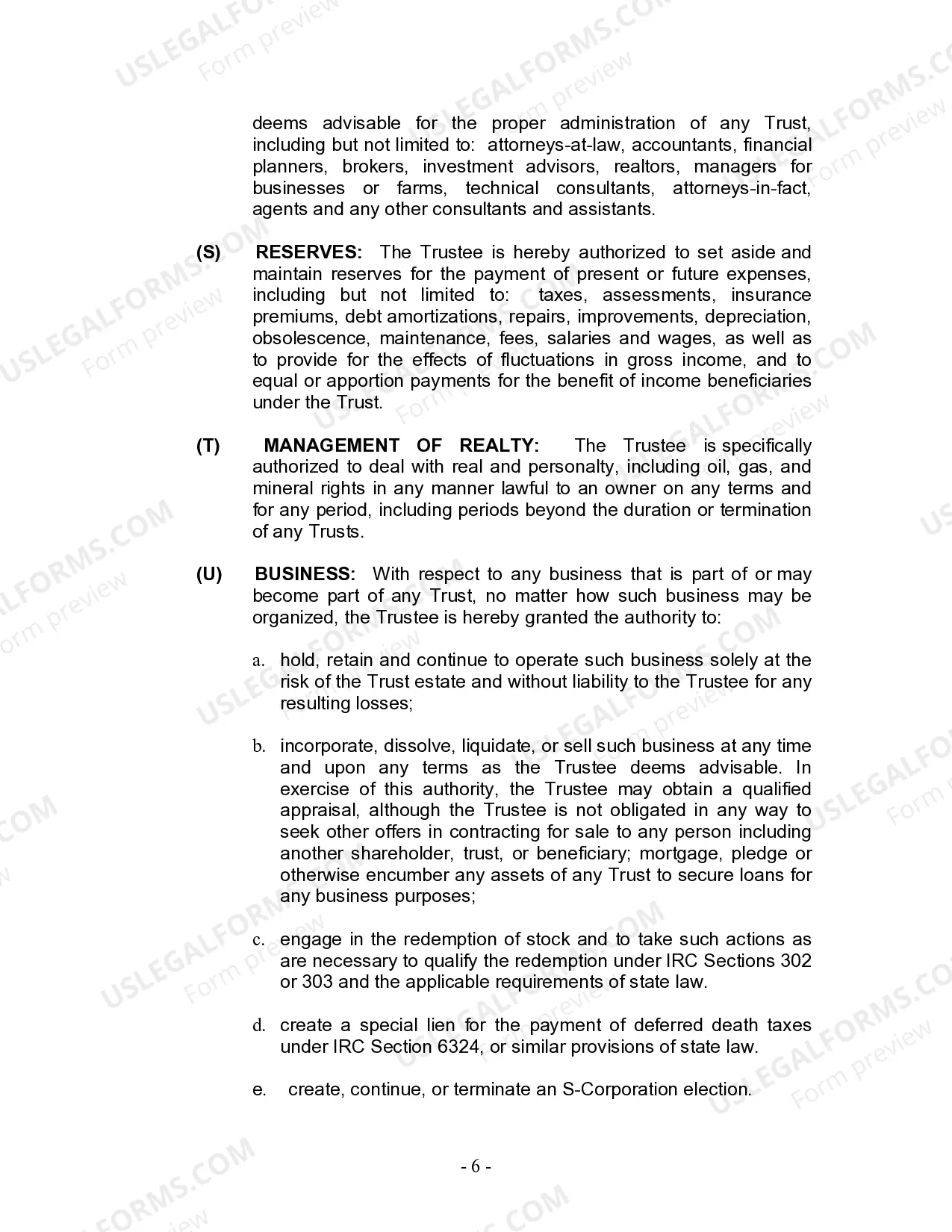
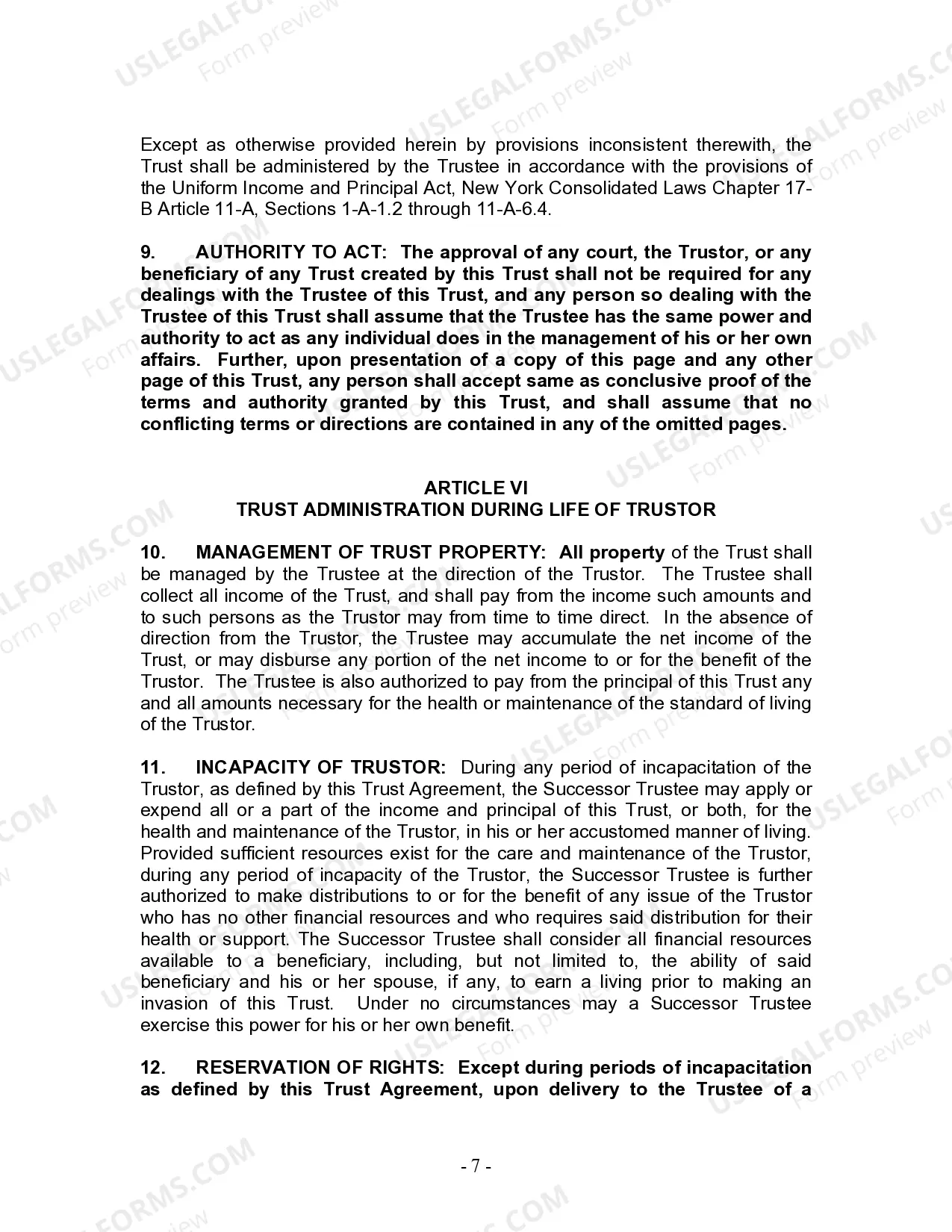
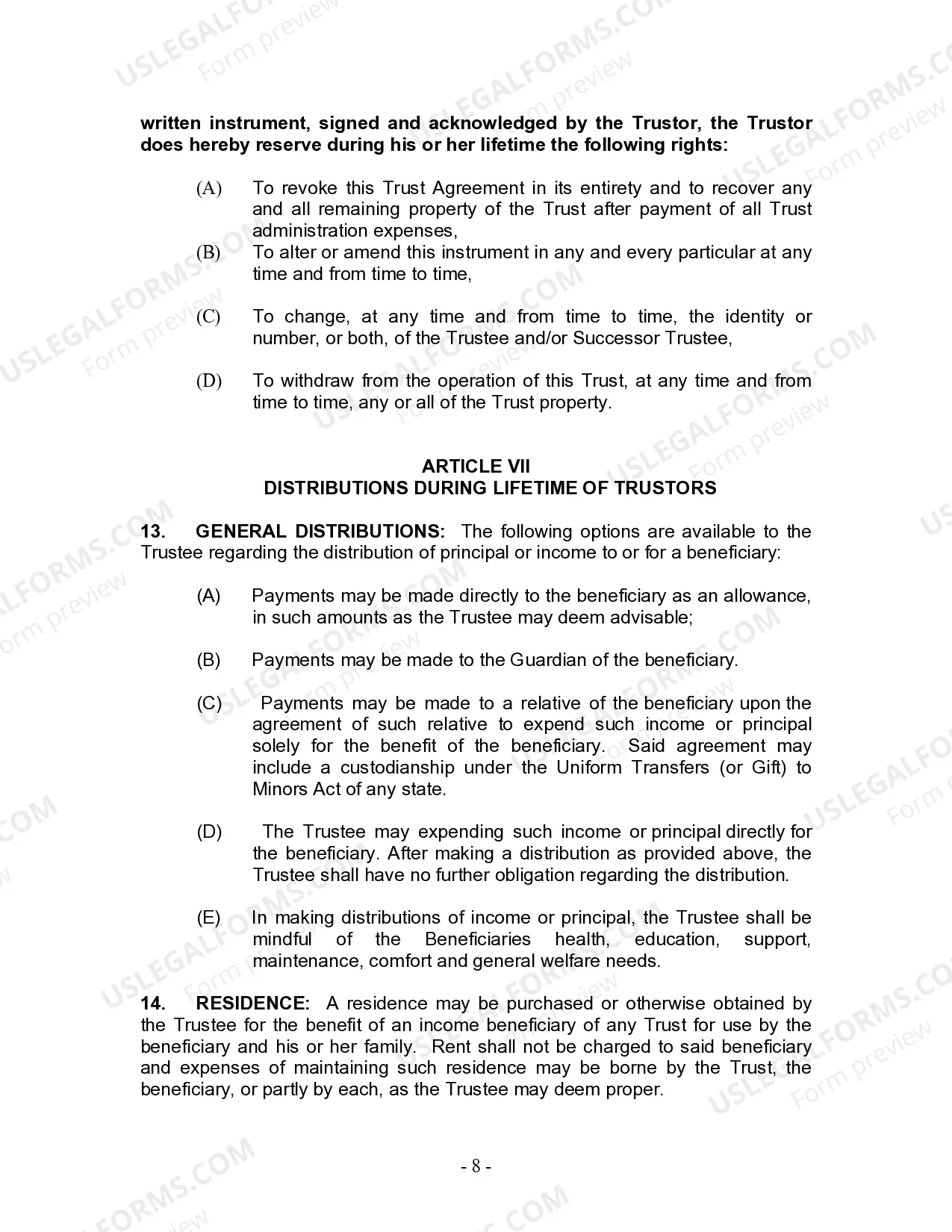



Get your form ready online
Our built-in tools help you complete, sign, share, and store your documents in one place.
Make edits, fill in missing information, and update formatting in US Legal Forms—just like you would in MS Word.
Download a copy, print it, send it by email, or mail it via USPS—whatever works best for your next step.
Sign and collect signatures with our SignNow integration. Send to multiple recipients, set reminders, and more. Go Premium to unlock E-Sign.
If this form requires notarization, complete it online through a secure video call—no need to meet a notary in person or wait for an appointment.
We protect your documents and personal data by following strict security and privacy standards.

Make edits, fill in missing information, and update formatting in US Legal Forms—just like you would in MS Word.

Download a copy, print it, send it by email, or mail it via USPS—whatever works best for your next step.

Sign and collect signatures with our SignNow integration. Send to multiple recipients, set reminders, and more. Go Premium to unlock E-Sign.

If this form requires notarization, complete it online through a secure video call—no need to meet a notary in person or wait for an appointment.

We protect your documents and personal data by following strict security and privacy standards.
Looking for another form?


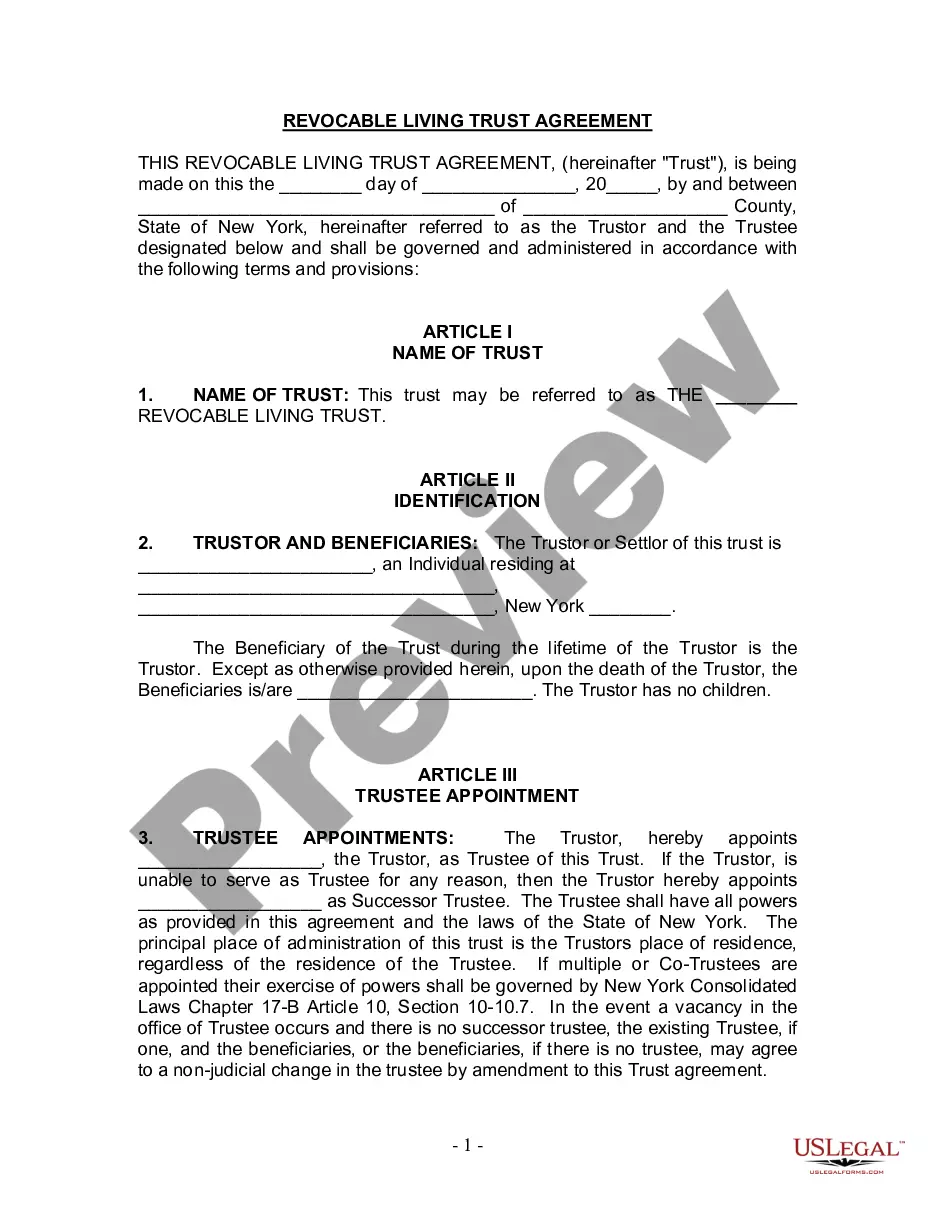
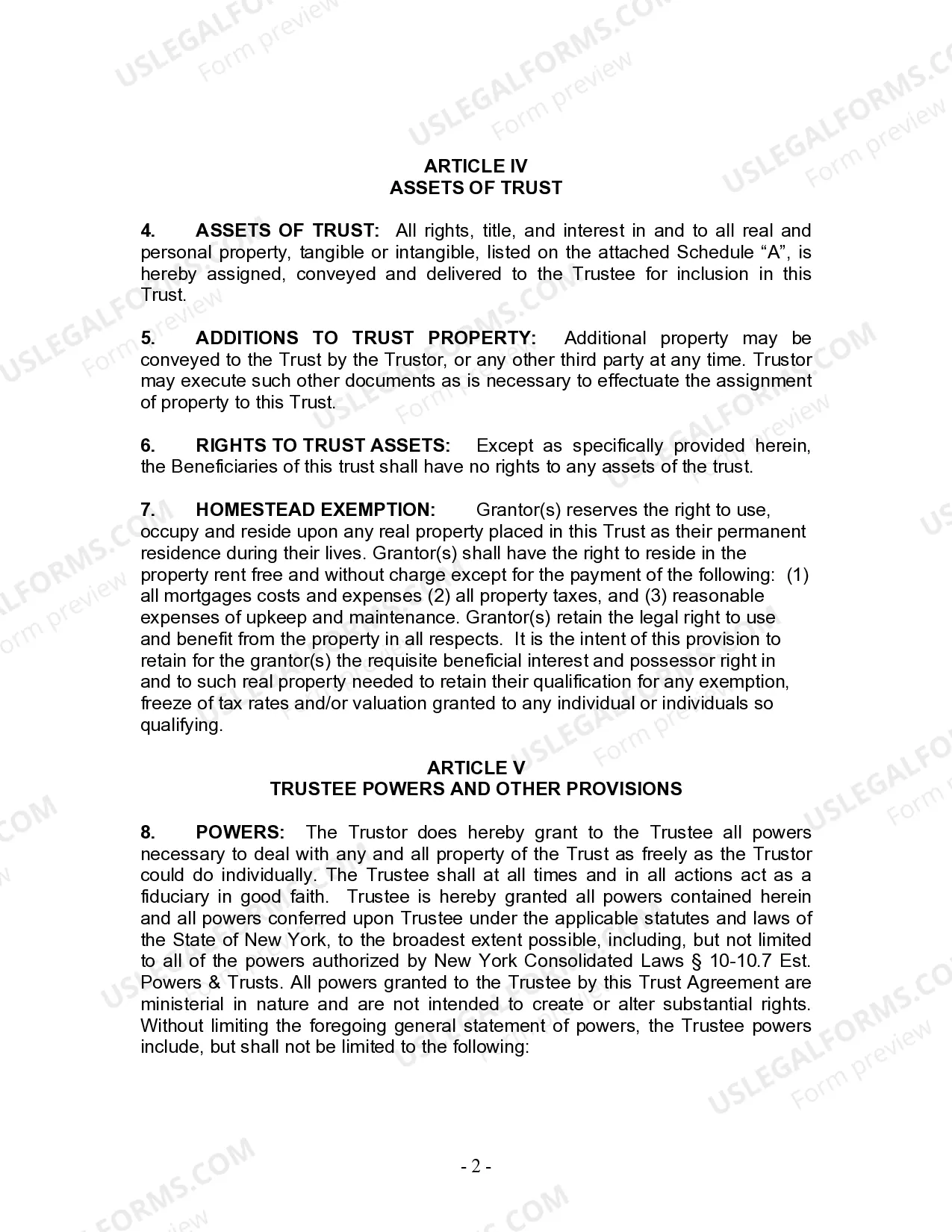
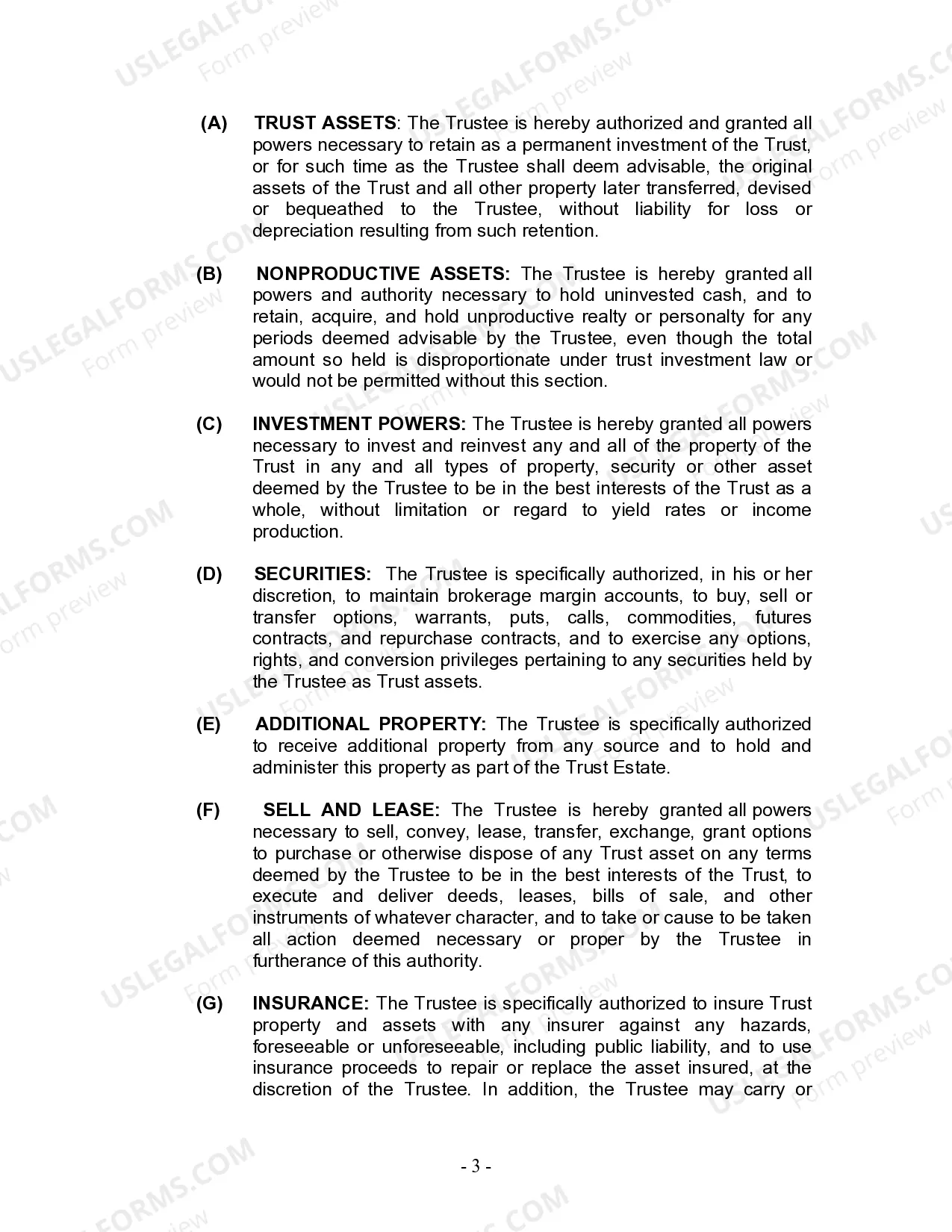
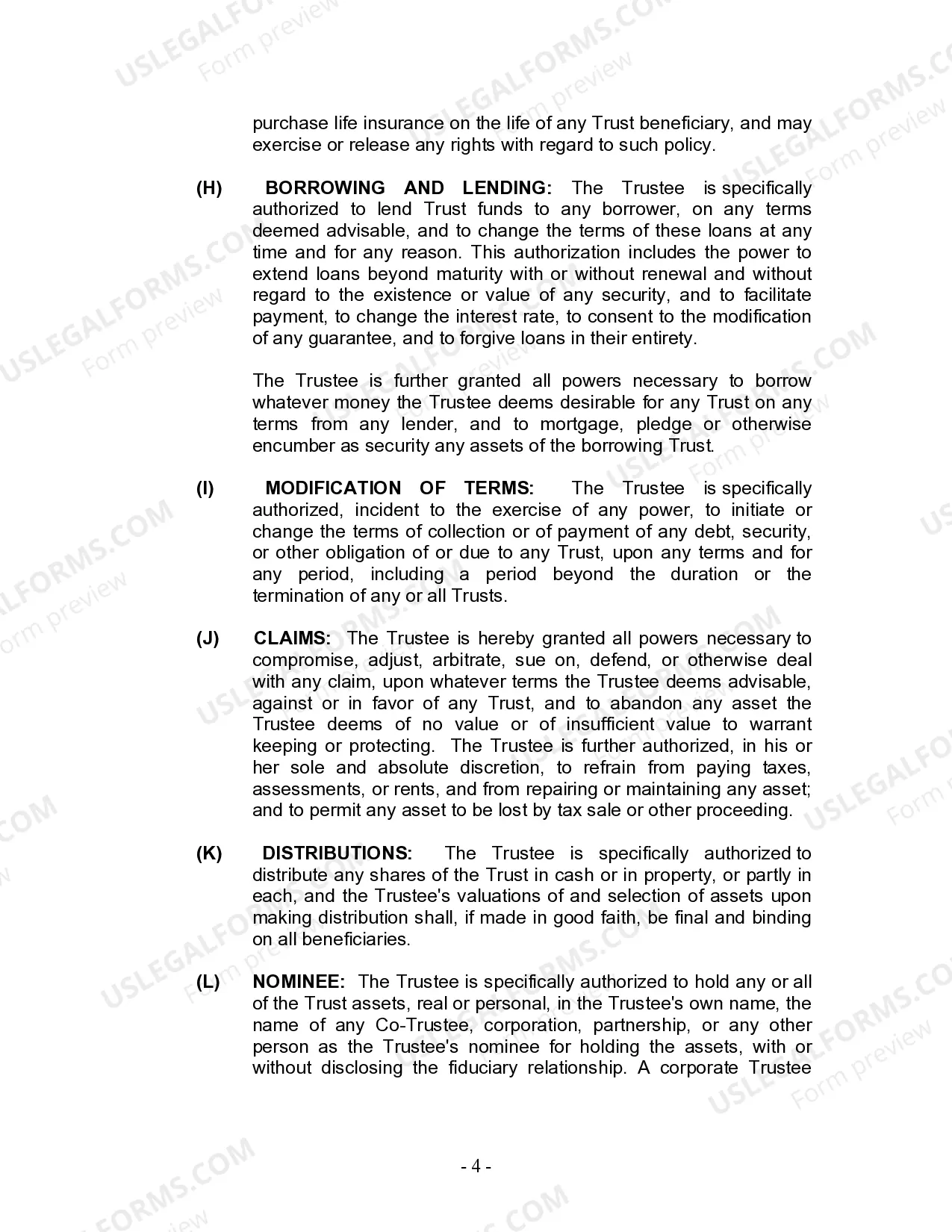
How to fill out New York Living Trust For Individual Who Is Single, Divorced Or Widow Or Widower With No Children?
The Living Trust With House displayed on this page is a versatile official template crafted by experienced attorneys in accordance with federal and local statutes.
For over 25 years, US Legal Forms has offered individuals, businesses, and legal professionals more than 85,000 validated, state-specific documents for any personal or business occasion. It’s the quickest, easiest, and most reliable method to acquire the forms you require, as the service promises bank-level data security and anti-malware safeguards.
Register for US Legal Forms to have authenticated legal templates for all of life’s situations at your fingertips.
- Search for the document you require and review it.
- Browse the sample you found and preview it or examine the form description to confirm it meets your requirements. If it doesn't, utilize the search bar to find the appropriate one. Click Buy Now when you have identified the template you need.
- Create an account and Log In.
- Choose the pricing option that fits you and register for an account. Use PayPal or a credit card for swift payment. If you already possess an account, Log In and verify your subscription to proceed.
- Access the editable template.
- Select the format you desire for your Living Trust With House (PDF, DOCX, RTF) and download the template onto your device.
- Fill out and sign the document.
- Print the template to complete it manually. Alternatively, utilize an online multifunctional PDF editor to swiftly and accurately fill in and sign your form with an electronic signature.
- Re-download your documents as needed.
- Utilize the same document again whenever necessary. Open the My documents tab in your profile to re-download any previously acquired forms.
Form popularity
FAQ
The "principal" is the person who creates a Power of Attorney document, and they give authority to another adult who is called an "attorney-in-fact." The attorney-in-fact does NOT have to be a lawyer and CANNOT act as an attorney for the principal. The attorney-in-fact must be a competent adult (18 years or older).
If a person wishes to make the power of attorney durable (i.e., to last even if they become incapacitated), they must include a statement such as: ?This power of attorney shall not be affected by incapacity or incompetence of the principal.? It is not necessary to have a lawyer prepare a power of attorney, but ...
You can write a POA in two forms: general or limited. A general power of attorney allows the agent to make a wide range of decisions. This is your best option if you want to maximize the person's freedom to handle your assets and manage your care.
A Minnesota common law power of attorney (?Common Law POA?) is a document which is used to create a legal relationship whereby one party ? known as a principal, authorizes another party ? known as an ?attorney-in-fact?, to act on behalf of the principal in regards to certain specified legal matters.
Creating a Power of Attorney Before completing the form, you should have an in-depth conversation with your agent, to be sure you trust this person to act on your behalf. For the PoA to be legal, you must sign form in front of a notary or have it signed by two witnesses.
For the PoA to be legal, you must sign form in front of a notary or have it signed by two witnesses. The Arc Minnesota also believes there is value in having an attorney, or lawyer, look over the PoA.
A regular power of attorney will become invalid when a person is incapacitated or passes away. However, a durable POA is the most pervasive and encompassing type of POA. This type of POA only expires upon the death of the individual, not upon incapacitation.