Rent Increase Letter For Month To Month
Description

Get your form ready online
Our built-in tools help you complete, sign, share, and store your documents in one place.
Make edits, fill in missing information, and update formatting in US Legal Forms—just like you would in MS Word.
Download a copy, print it, send it by email, or mail it via USPS—whatever works best for your next step.
Sign and collect signatures with our SignNow integration. Send to multiple recipients, set reminders, and more. Go Premium to unlock E-Sign.
If this form requires notarization, complete it online through a secure video call—no need to meet a notary in person or wait for an appointment.
We protect your documents and personal data by following strict security and privacy standards.

Make edits, fill in missing information, and update formatting in US Legal Forms—just like you would in MS Word.

Download a copy, print it, send it by email, or mail it via USPS—whatever works best for your next step.

Sign and collect signatures with our SignNow integration. Send to multiple recipients, set reminders, and more. Go Premium to unlock E-Sign.

If this form requires notarization, complete it online through a secure video call—no need to meet a notary in person or wait for an appointment.

We protect your documents and personal data by following strict security and privacy standards.
Looking for another form?




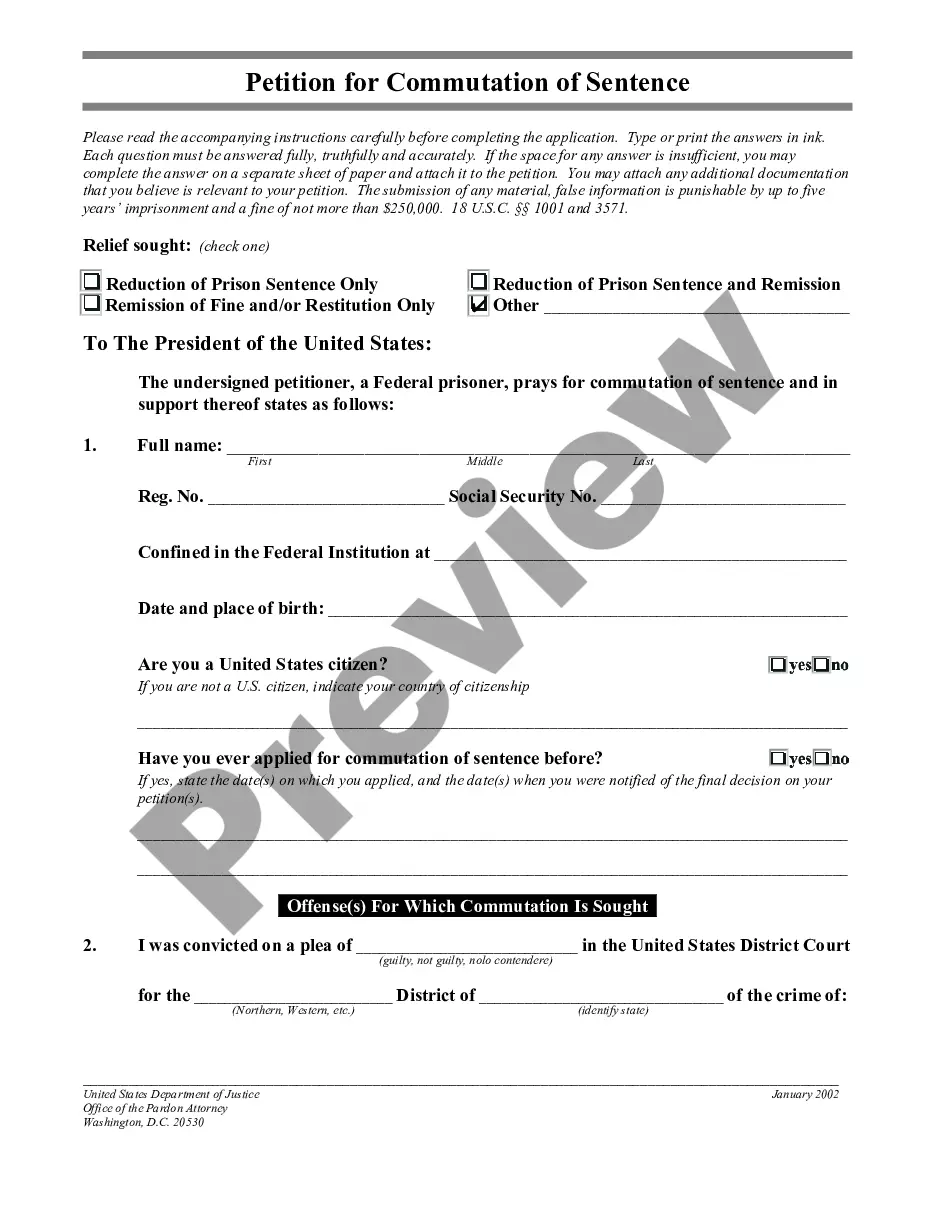


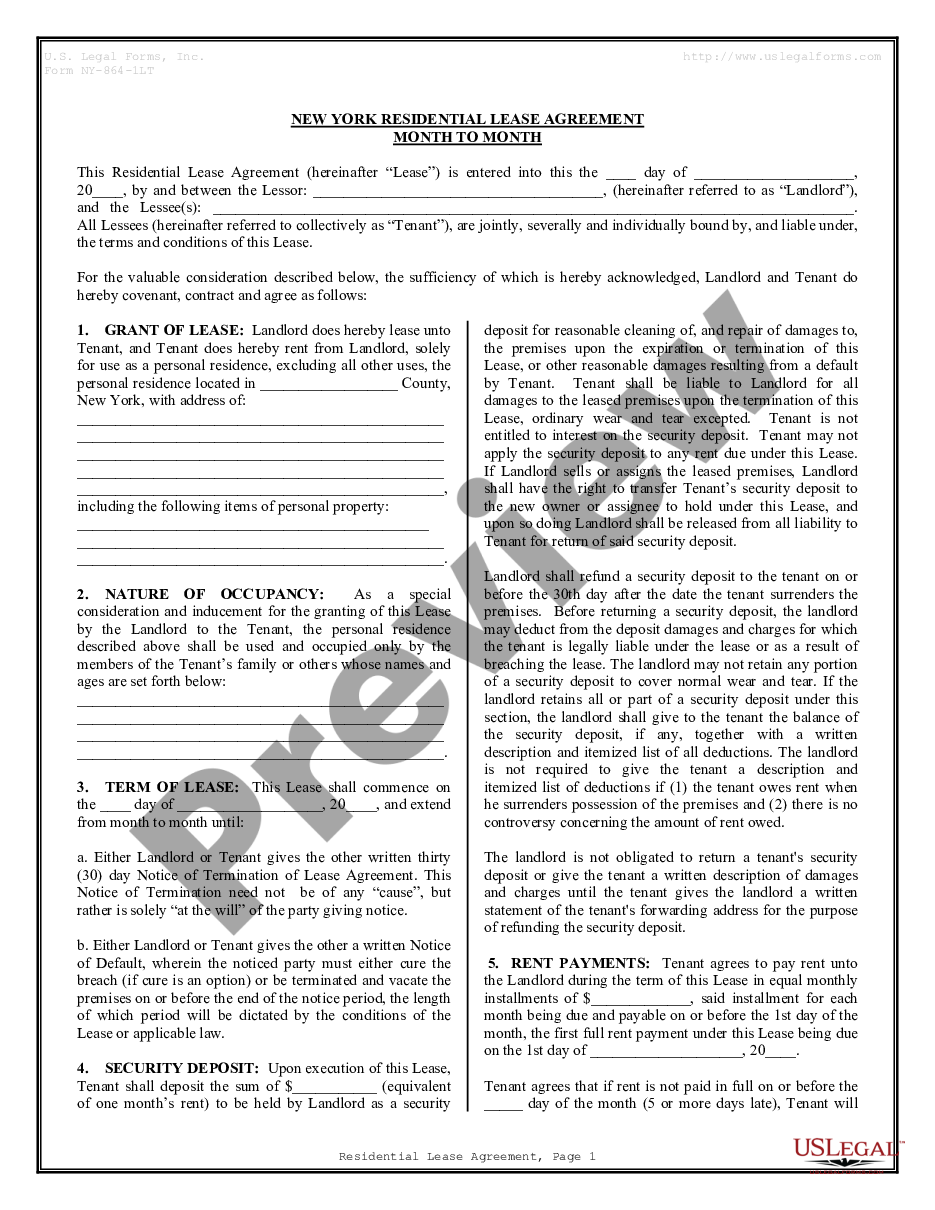
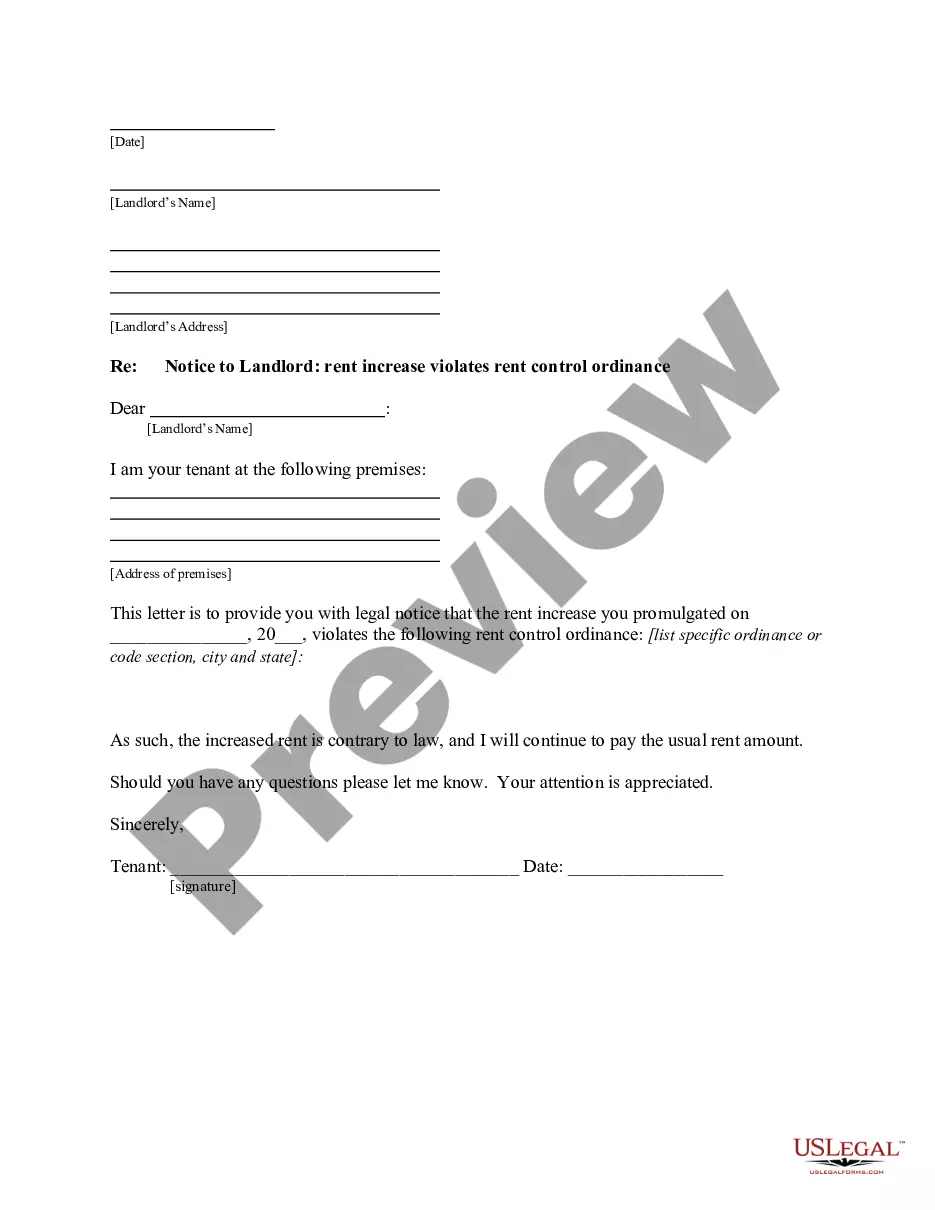
How to fill out Nevada Letter From Tenant To Landlord Containing Notice To Landlord To Withdraw Improper Rent Increase Due To Violation Of Rent Control Ordinance?
- Log into your US Legal Forms account if you're a returning user. Ensure your subscription is current; renew if necessary.
- If you’re new to the service, browse the preview mode to select the rent increase letter that fits your requirements and complies with local laws.
- Should you find discrepancies, utilize the search feature to locate the correct form. Confirm it aligns with your needs before proceeding.
- Purchase the selected document by clicking the Buy Now button and opt for your preferred subscription plan. You'll need to create an account for comprehensive access.
- Complete your purchase by entering your payment details using a credit card or PayPal.
- Download the rent increase letter template to your device. You can also revisit the My Forms section in your profile for future access.
Following these steps ensures you create a legally sound rent increase letter efficiently. US Legal Forms not only boasts a vast library with over 85,000 customizable forms but also connects you with premium experts for additional assistance.
Get started today and streamline your documentation process with US Legal Forms!
Form popularity
FAQ
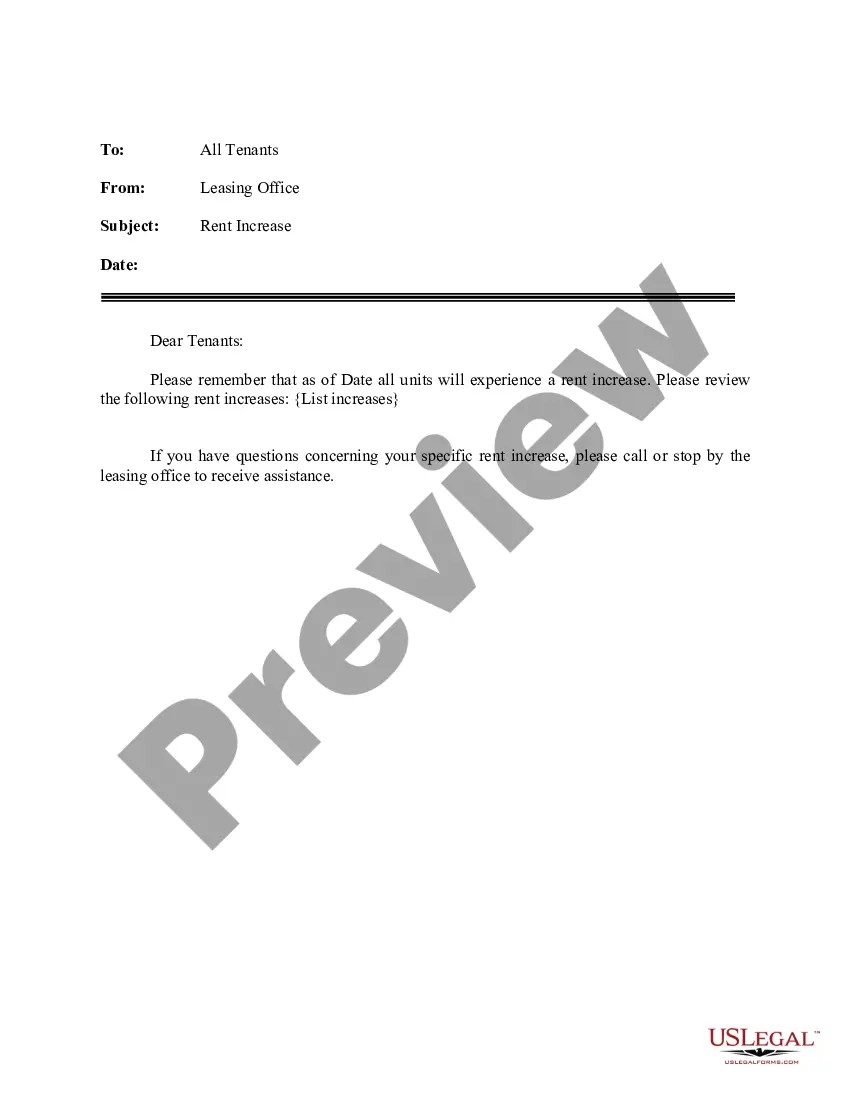
Writing a rent increase letter to your tenant involves clearly stating the current rent, the new amount, and the effective date of the increase. It's essential to follow any legal requirements specific to your location, including notice periods. Include a brief explanation of the increase to maintain a positive relationship. Using a structured rent increase letter for month to month can help convey your message professionally and clearly.
In California, month-to-month leases provide flexibility for both landlords and tenants. Either party can terminate the agreement with proper notice, usually 30 days, but both must comply with any rent increase policies. This kind of leasing arrangement is advantageous for those unsure of long-term commitments. For changes, including rent adjustments, always send a formal rent increase letter for month to month to formalize the process.
While a month-to-month lease does not legally require a signature, having both parties sign the agreement can prevent misunderstandings. A signed document holds legal weight, providing clarity for both the landlord and tenant. Without a signed agreement, enforcing terms, such as rent increases, may become complicated. For any rent increase, conveying changes in a rent increase letter for month to month enhances understanding.
Month-to-month leases in California require landlords to provide a written notice of any changes, including rent increases. Tenants must also provide notice before terminating the lease, typically 30 days. These leases afford flexibility but also require adherence to specific rules to protect both parties. Always keep communication open and consider formalizing any changes with a rent increase letter for month to month.
California state law allows landlords to raise rent on a month-to-month lease by up to 10% in a year, but this may vary in municipalities with rent control. Cities like Los Angeles or San Francisco usually have stricter regulations in place, limiting increases further. Always check local regulations to ensure compliance. When raising rent, document the increase with a rent increase letter for month to month.
In California, landlords can generally raise rent on a month-to-month lease once every 12 months. However, local laws may impose specific limits on how frequently this can occur. It's wise to review any local ordinances that may provide additional guidance. Always communicate changes clearly using a rent increase letter for month to month to ensure transparency.
In requesting an increase in rent, present your case confidently and logically. Highlight the value you believe the change reflects and how it compares to similar properties in the area. A constructive rent increase letter for month to month will not only clarify your points but also maintain a beneficial relationship with your landlord.
To discuss increasing rent with your landlord, approach the conversation with clarity and respect. Provide your reasons for wanting the adjustment, whether it’s due to market trends or necessary property improvements. A well-prepared dialogue can emphasize the fairness of your request and help facilitate a smooth transition.
When writing to your landlord about a rent increase, express your needs clearly and politely. Outline the reasons for the increase, and suggest a reasonable new rent amount. A respectful, well-articulated rent increase letter for month to month can lead to a productive discussion and hopefully a favorable outcome for both parties.
As a landlord, the maximum rent increase you can do hinges on state laws and rental agreements. Some regions impose strict limits, while others allow more flexibility. It is crucial to research your area's rules to craft a compliant rent increase letter for month to month that aligns with legal requirements.