Trust Protection
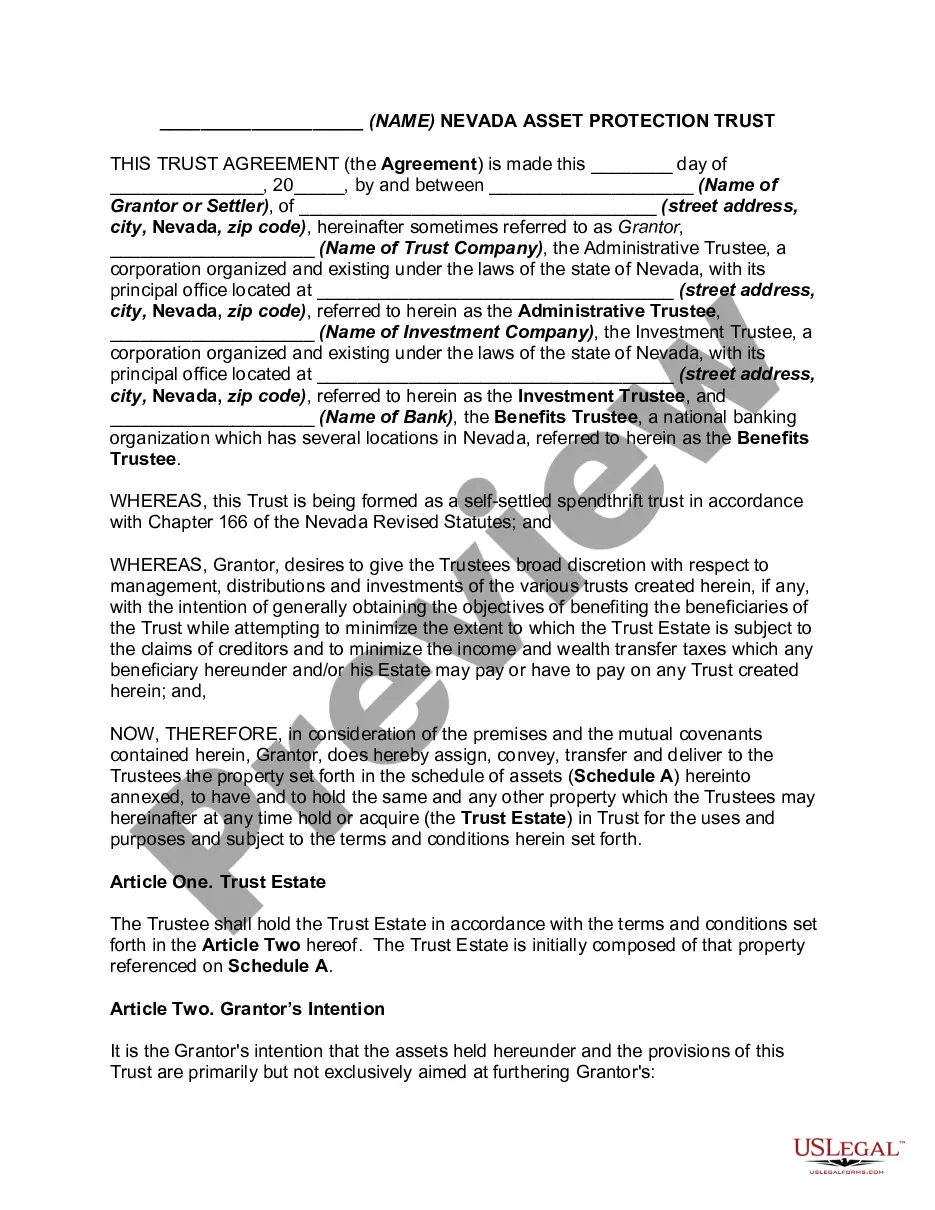
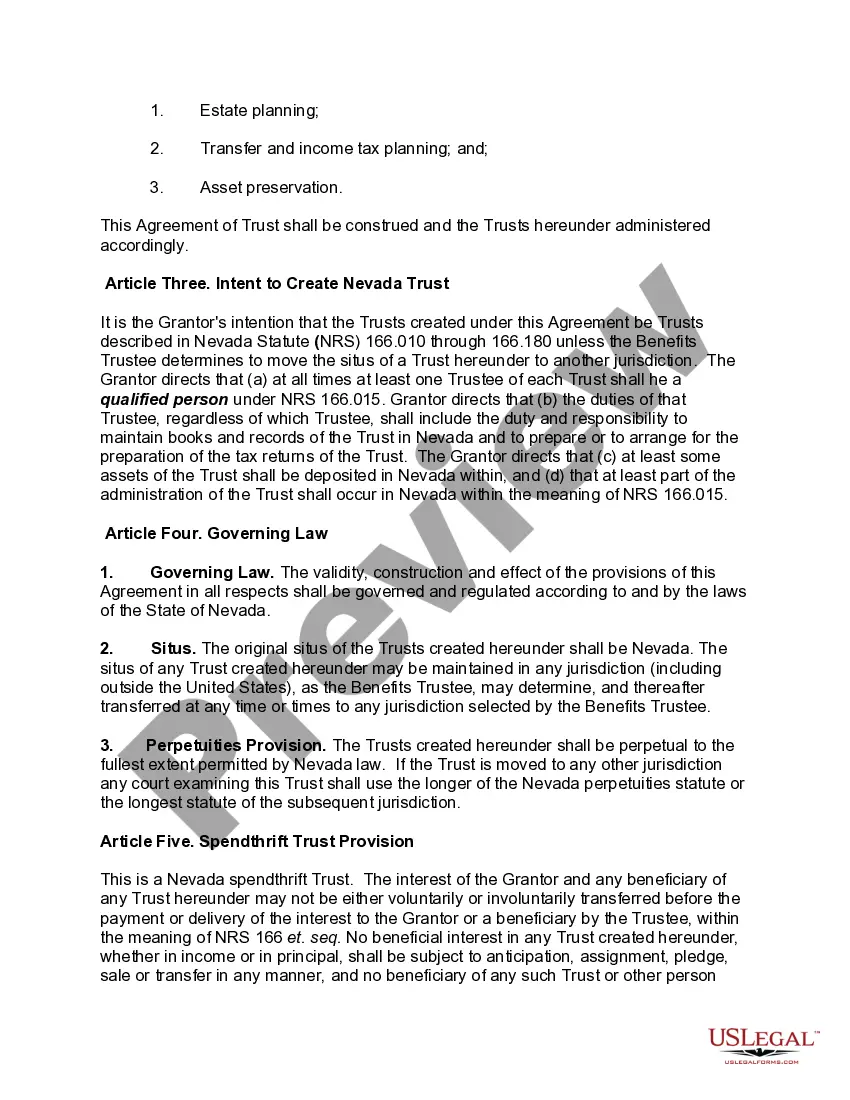
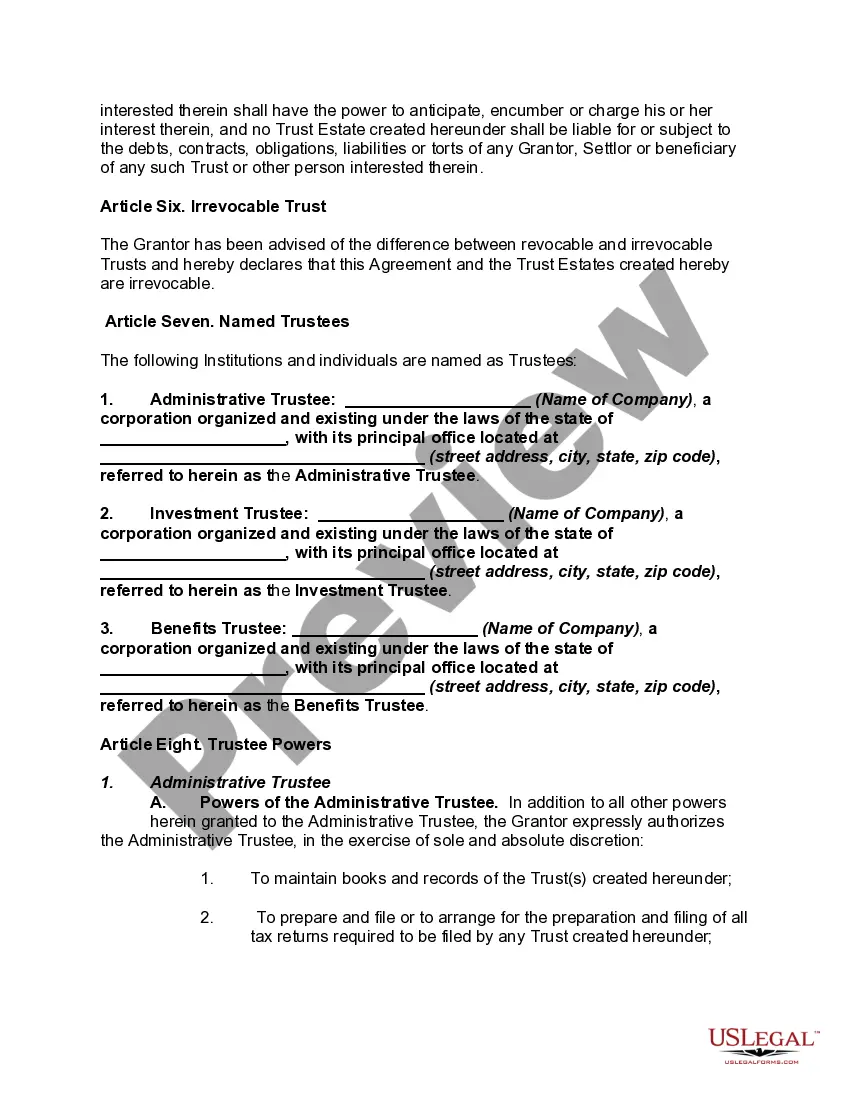
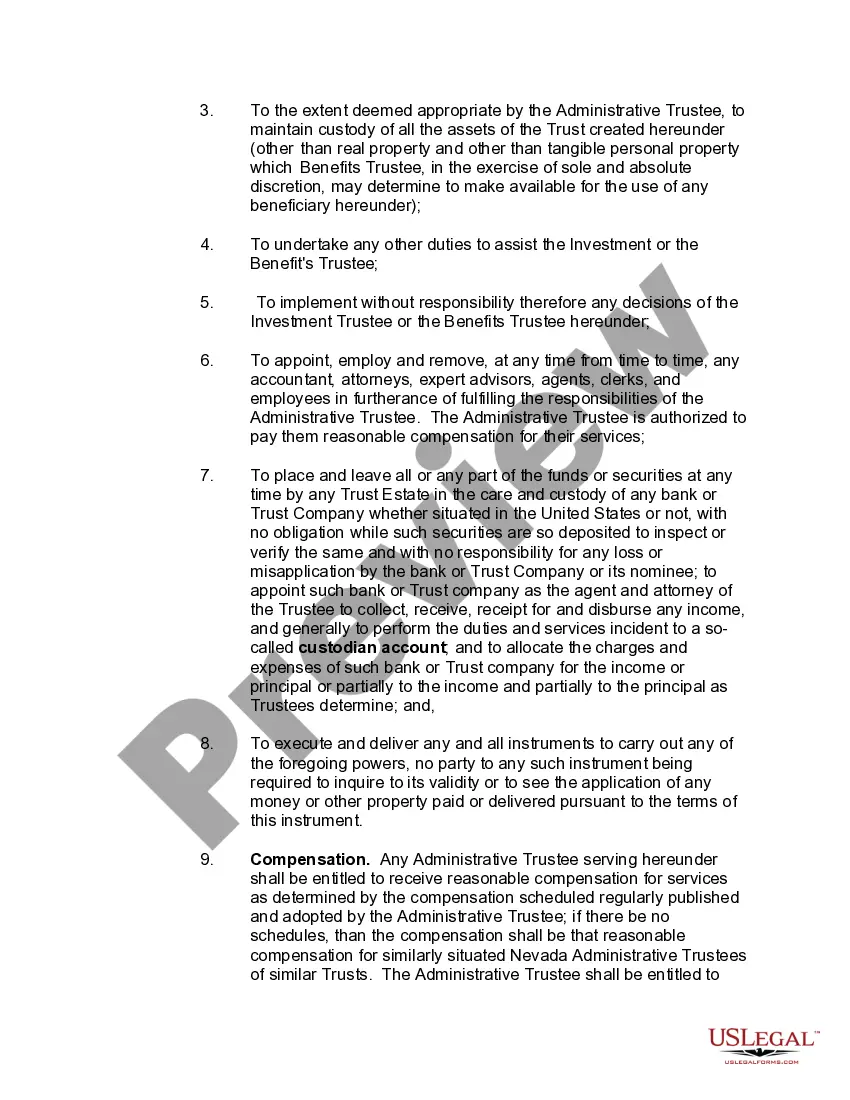
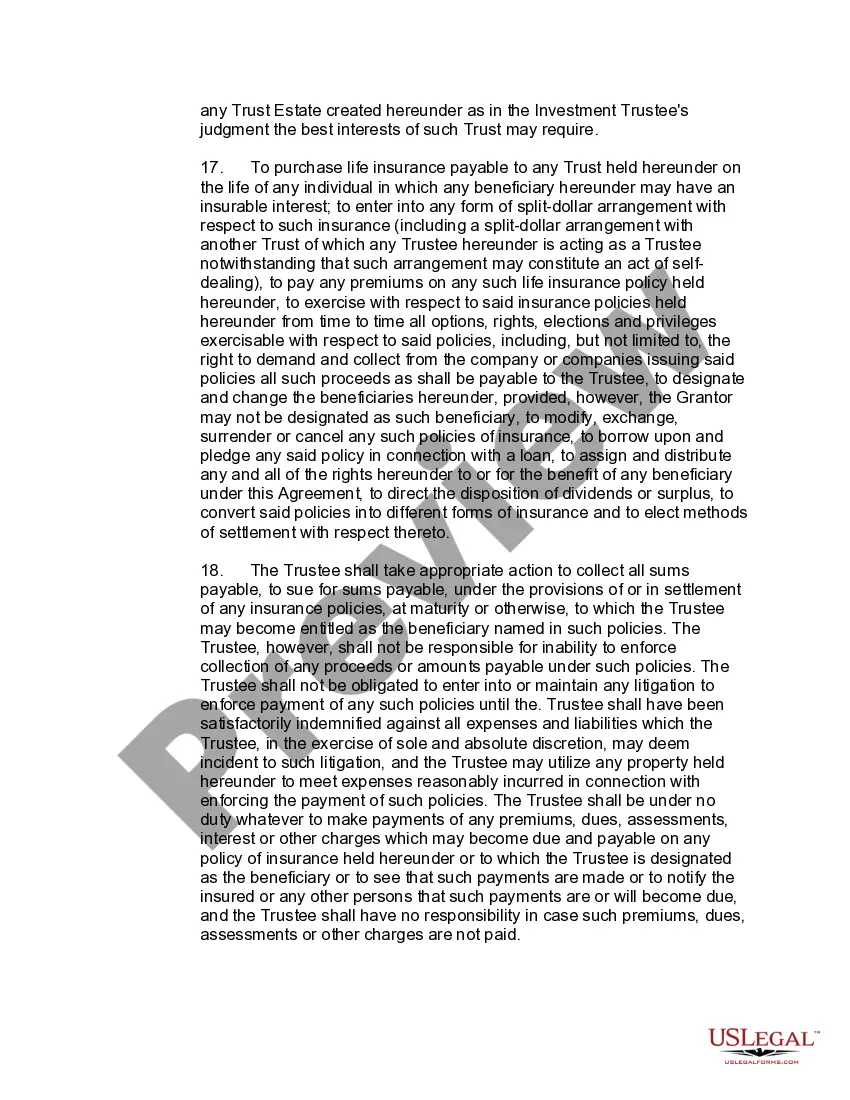
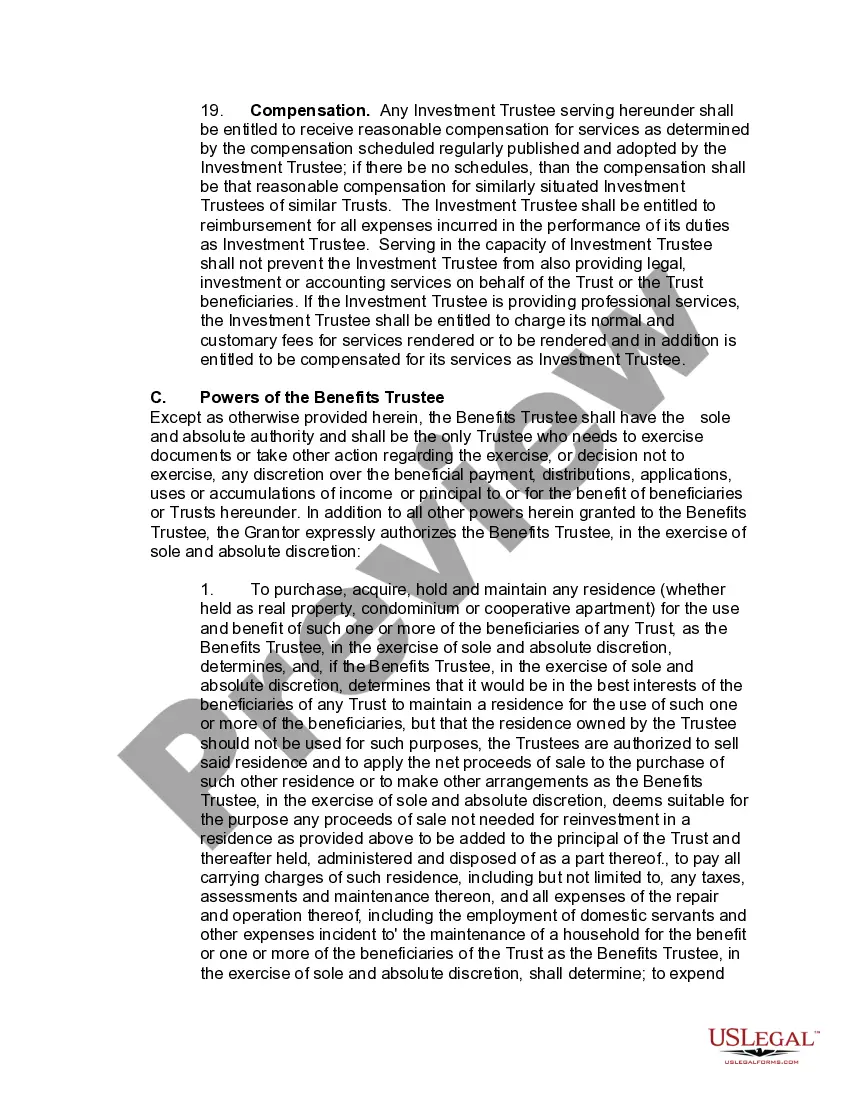
Description

Get your form ready online
Our built-in tools help you complete, sign, share, and store your documents in one place.
Make edits, fill in missing information, and update formatting in US Legal Forms—just like you would in MS Word.
Download a copy, print it, send it by email, or mail it via USPS—whatever works best for your next step.
Sign and collect signatures with our SignNow integration. Send to multiple recipients, set reminders, and more. Go Premium to unlock E-Sign.
If this form requires notarization, complete it online through a secure video call—no need to meet a notary in person or wait for an appointment.
We protect your documents and personal data by following strict security and privacy standards.

Make edits, fill in missing information, and update formatting in US Legal Forms—just like you would in MS Word.

Download a copy, print it, send it by email, or mail it via USPS—whatever works best for your next step.

Sign and collect signatures with our SignNow integration. Send to multiple recipients, set reminders, and more. Go Premium to unlock E-Sign.

If this form requires notarization, complete it online through a secure video call—no need to meet a notary in person or wait for an appointment.

We protect your documents and personal data by following strict security and privacy standards.
Looking for another form?
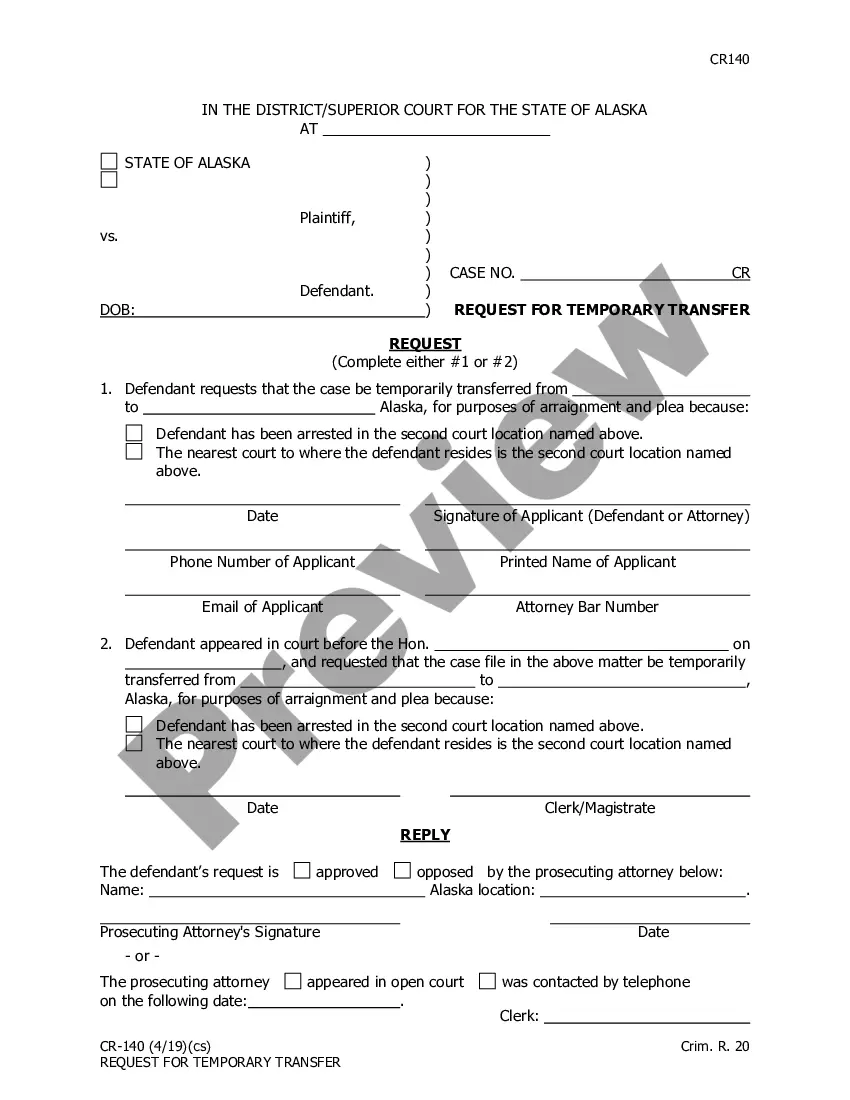




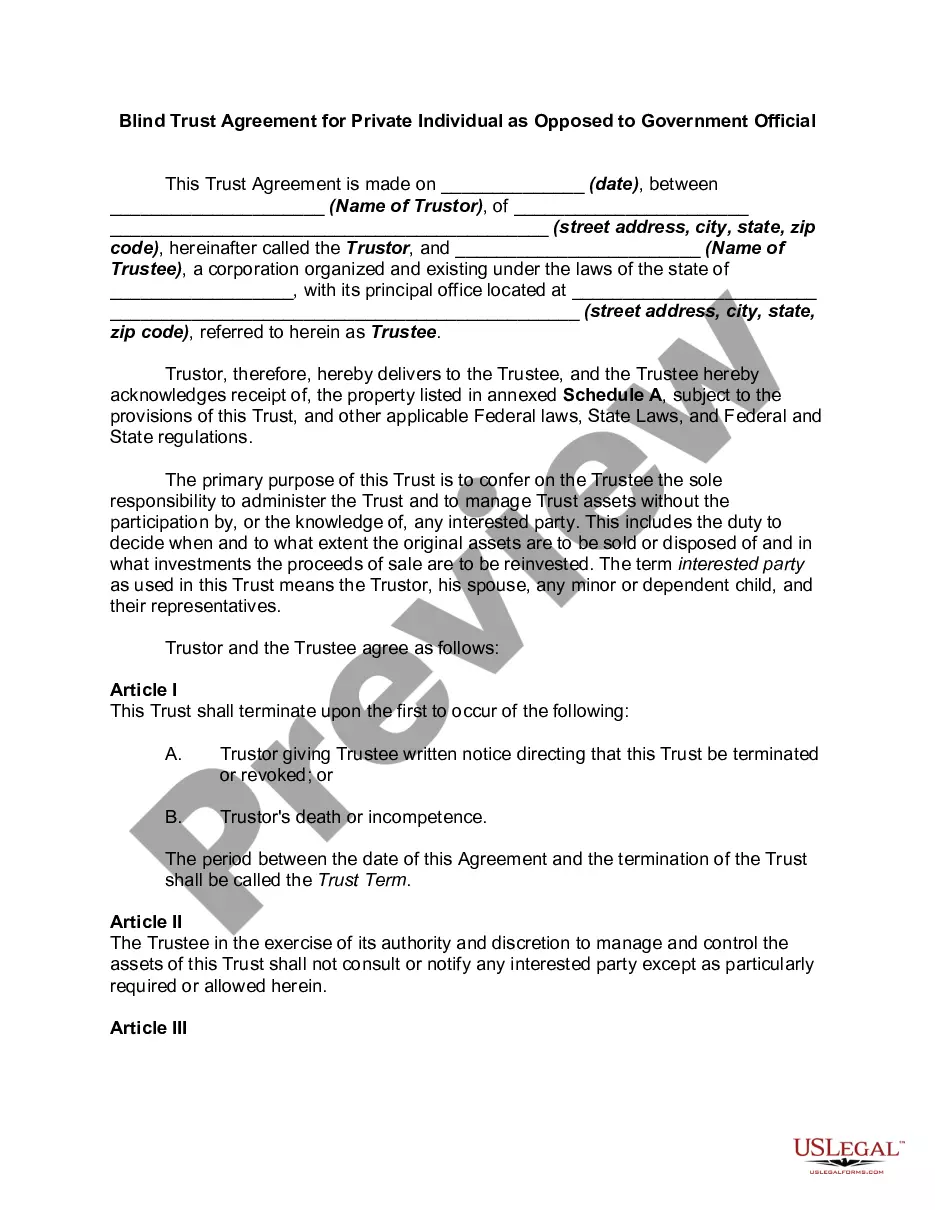
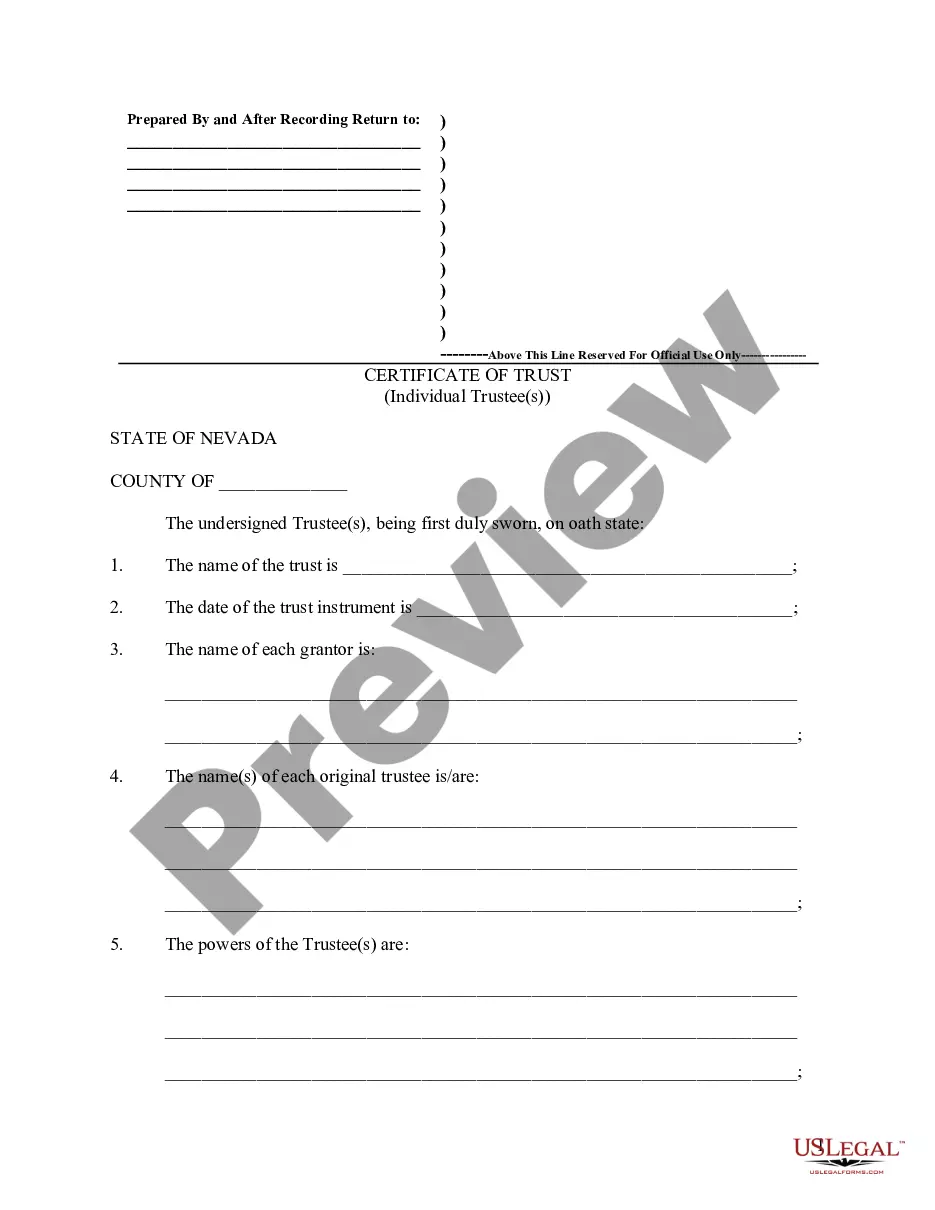
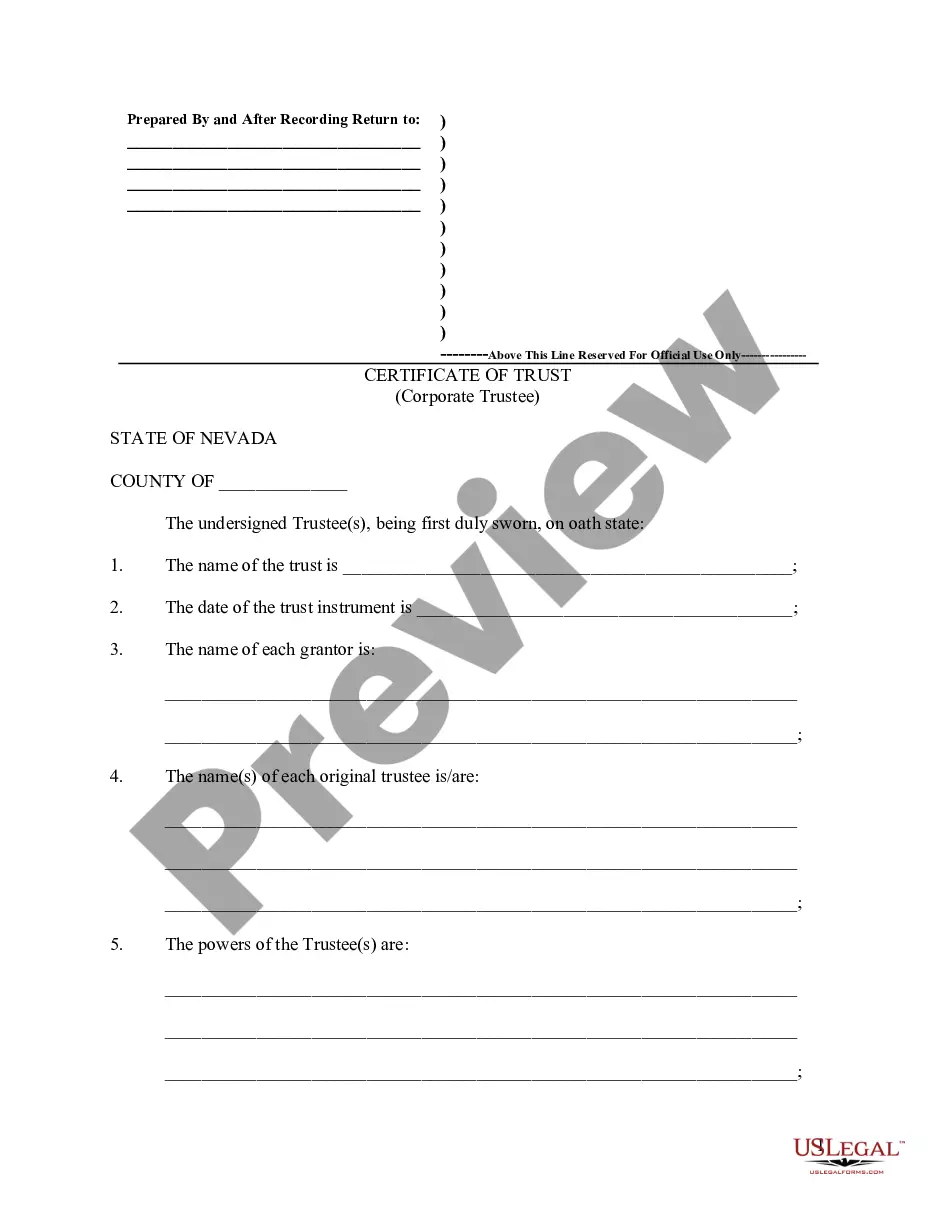
How to fill out Nevada Asset Protection Trust?
- If you are a returning user, log in to your account and check your subscription status. Ensure it's active to download necessary documents.
- For first-time users, start by browsing the extensive template library. Use the Preview mode and read the form descriptions to choose the right document that meets your legal requirements.
- If you need a different form, utilize the Search tab to find exactly what you need to ensure compliance with your local laws.
- When you have found the appropriate template, proceed to purchase it by clicking on the Buy Now button and select a subscription plan that suits you. Remember, registration is necessary to access the full library.
- Complete your transaction by providing your payment details, either through credit card or PayPal, to secure your subscription.
- Now, download your chosen form to your device. You can also find it anytime in the My Forms section of your profile.
By leveraging US Legal Forms, you can ensure trust protection with legally sound documents tailored to your needs.
Ready to get started? Access US Legal Forms today and experience the ease of handling your legal documents!
Form popularity
FAQ
A protection policy in a trust outlines the measures taken to safeguard assets placed within the trust. This can include specific provisions that dictate how assets are managed and distributed while providing layers of protection from external claims. Additionally, many trusts establish guidelines for the trustee to follow, ensuring that the trust's intentions are honored. Explore US Legal Forms to craft a customized trust with an effective protection policy tailored to your needs.
Asset protection trusts can be an excellent idea for individuals looking to shield their wealth from potential lawsuits or creditors. These trusts allow you to protect your assets while maintaining a level of control and access to them. However, it is vital to understand that not all trusts provide the same level of protection. Consulting with professionals or using US Legal Forms can clarify your options and help you implement an effective asset protection strategy.
Trusts offer various protections, including safeguarding your assets from creditors, minimizing estate taxes, and ensuring your wishes are honored after your passing. Trust protection helps maintain privacy by avoiding probate, which publicly reveals your assets. Furthermore, trusts can provide financial support for beneficiaries while enhancing your control over how your assets are distributed. Utilizing US Legal Forms can help you establish a robust trust with all necessary protections.
When considering trust protection, many individuals find that irrevocable trusts often provide the best asset protection. Irrevocable trusts remove assets from your estate, effectively shielding them from creditors and legal claims. It's essential to evaluate your personal circumstances and goals to determine the best trust for your needs. US Legal Forms can assist you in setting up the right trust effectively.
A trust protector acts as a safeguard for your trust, providing an additional layer of trust protection. This role allows someone to modify the trust if needed, ensuring it aligns with your wishes over time. Including a trust protector can bring peace of mind, especially in complex situations. As you consider setting up a trust, our platform at US Legal Forms can guide you through the process and help you determine the best options.
The 5 year rule for trusts refers to a provision that affects the transfer of assets into a trust. Generally, if you transfer assets into a trust, they may be protected from creditors after five years. This rule aims to prevent individuals from hiding assets to qualify for government benefits. To ensure proper trust protection, working with legal professionals who understand these regulations is crucial.
The most protective trust is often considered to be an irrevocable trust. Unlike revocable trusts, once assets are transferred into an irrevocable trust, the grantor relinquishes control, providing enhanced trust protection from creditors and legal claims. It’s essential to consult with a legal professional to evaluate how this option aligns with your goals.
While a family protection trust offers strong trust protection, it is not without disadvantages. Setting up the trust can be complex and may incur legal fees. Moreover, rigid distribution rules can limit a beneficiary’s access, potentially leading to frustration or misunderstandings within the family.
An example of a protective trust is a spendthrift trust, which restricts a beneficiary's access to the trust's assets. In this scenario, the trustee has full control over distributions, ensuring that funds are used wisely and cannot be claimed by the beneficiary's creditors. Such structures provide effective trust protection while promoting financial responsibility.
A protective trust is a type of trust designed to safeguard assets from creditors or unforeseen circumstances. This structure provides trust protection, allowing trustees to manage the assets for beneficiaries while preventing direct access. It can also include provisions that maintain a level of control over distributions, achieving both protection and careful asset management.