Ejectment Process In Nj For Landlord
Description
Get your form ready online
Our built-in tools help you complete, sign, share, and store your documents in one place.
Make edits, fill in missing information, and update formatting in US Legal Forms—just like you would in MS Word.
Download a copy, print it, send it by email, or mail it via USPS—whatever works best for your next step.
Sign and collect signatures with our SignNow integration. Send to multiple recipients, set reminders, and more. Go Premium to unlock E-Sign.
If this form requires notarization, complete it online through a secure video call—no need to meet a notary in person or wait for an appointment.
We protect your documents and personal data by following strict security and privacy standards.

Make edits, fill in missing information, and update formatting in US Legal Forms—just like you would in MS Word.

Download a copy, print it, send it by email, or mail it via USPS—whatever works best for your next step.

Sign and collect signatures with our SignNow integration. Send to multiple recipients, set reminders, and more. Go Premium to unlock E-Sign.

If this form requires notarization, complete it online through a secure video call—no need to meet a notary in person or wait for an appointment.

We protect your documents and personal data by following strict security and privacy standards.
Looking for another form?


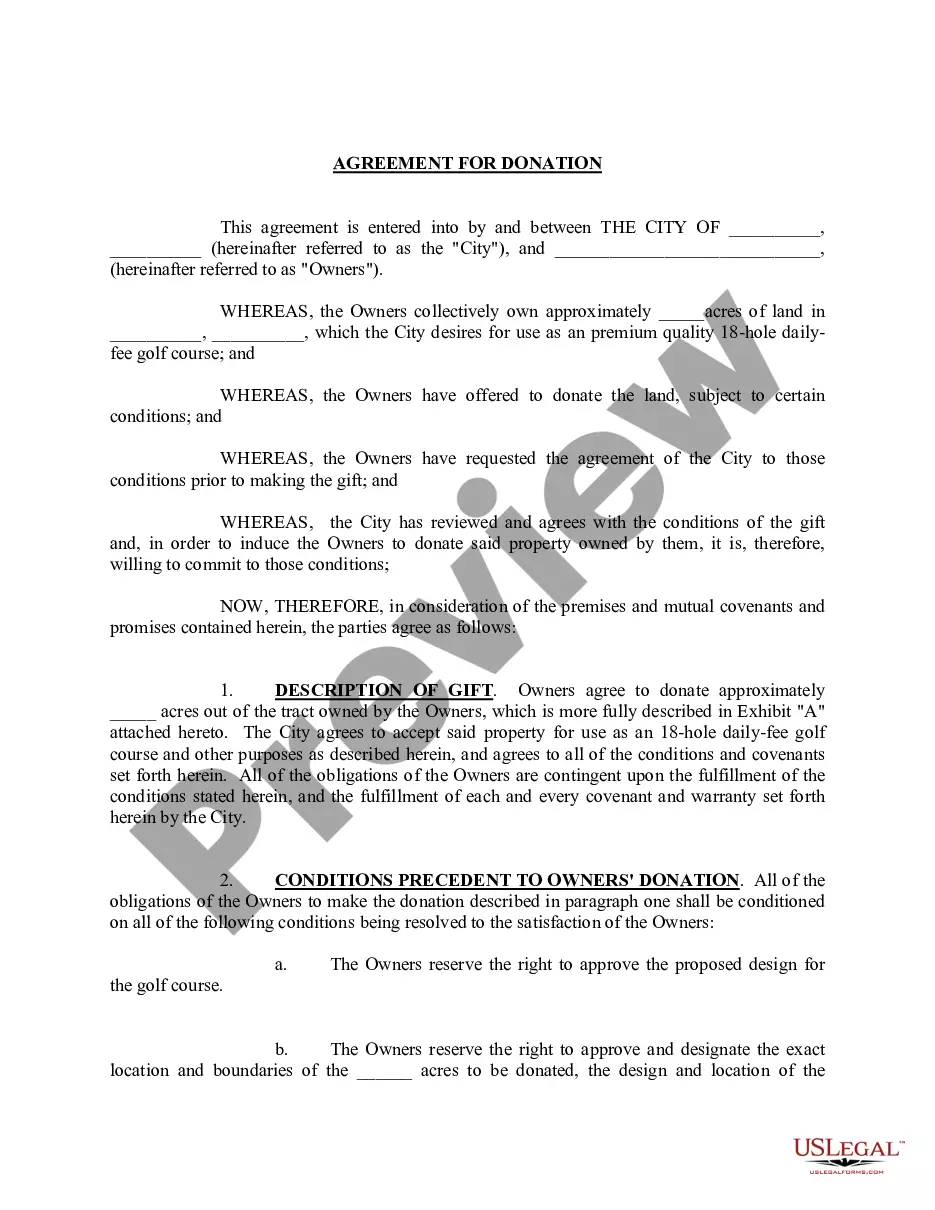





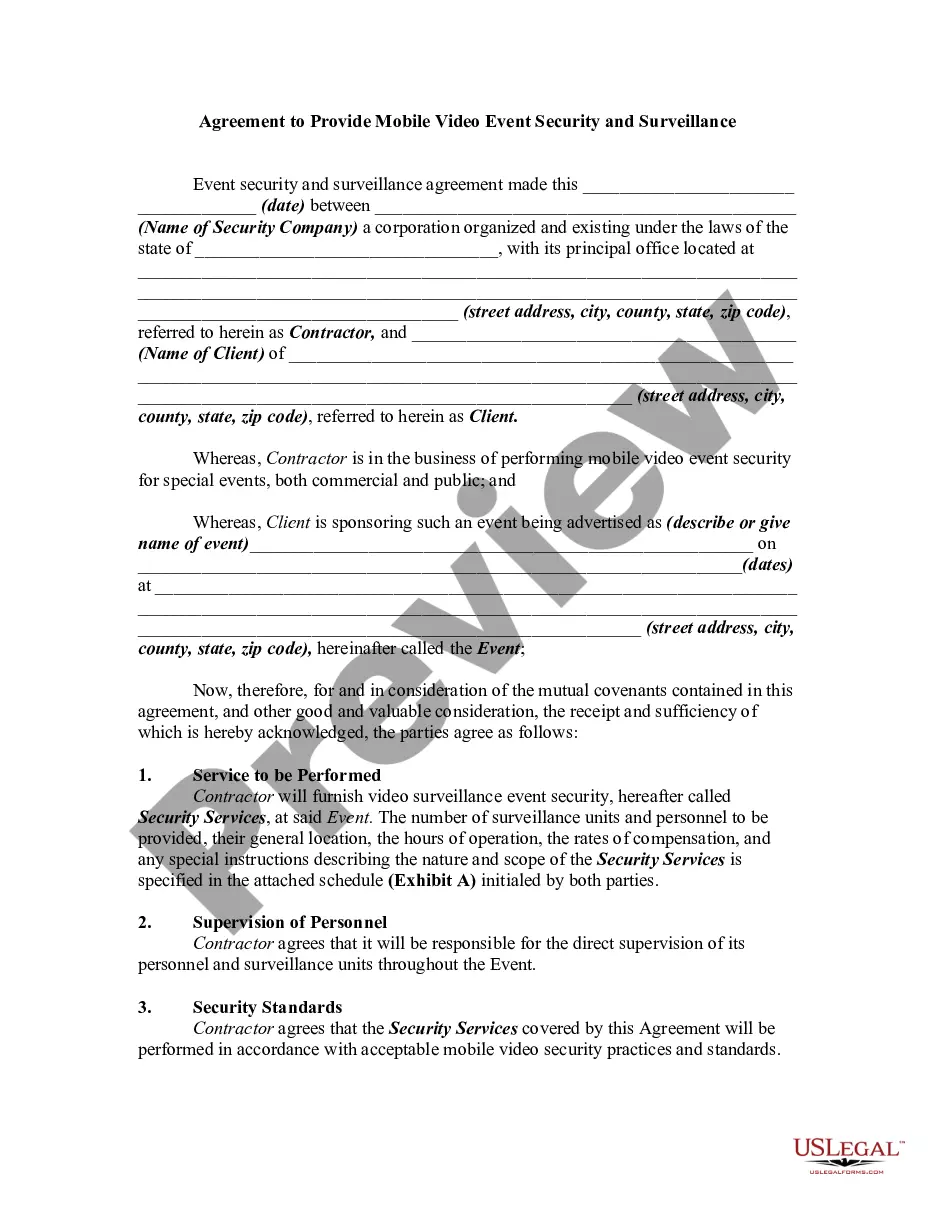
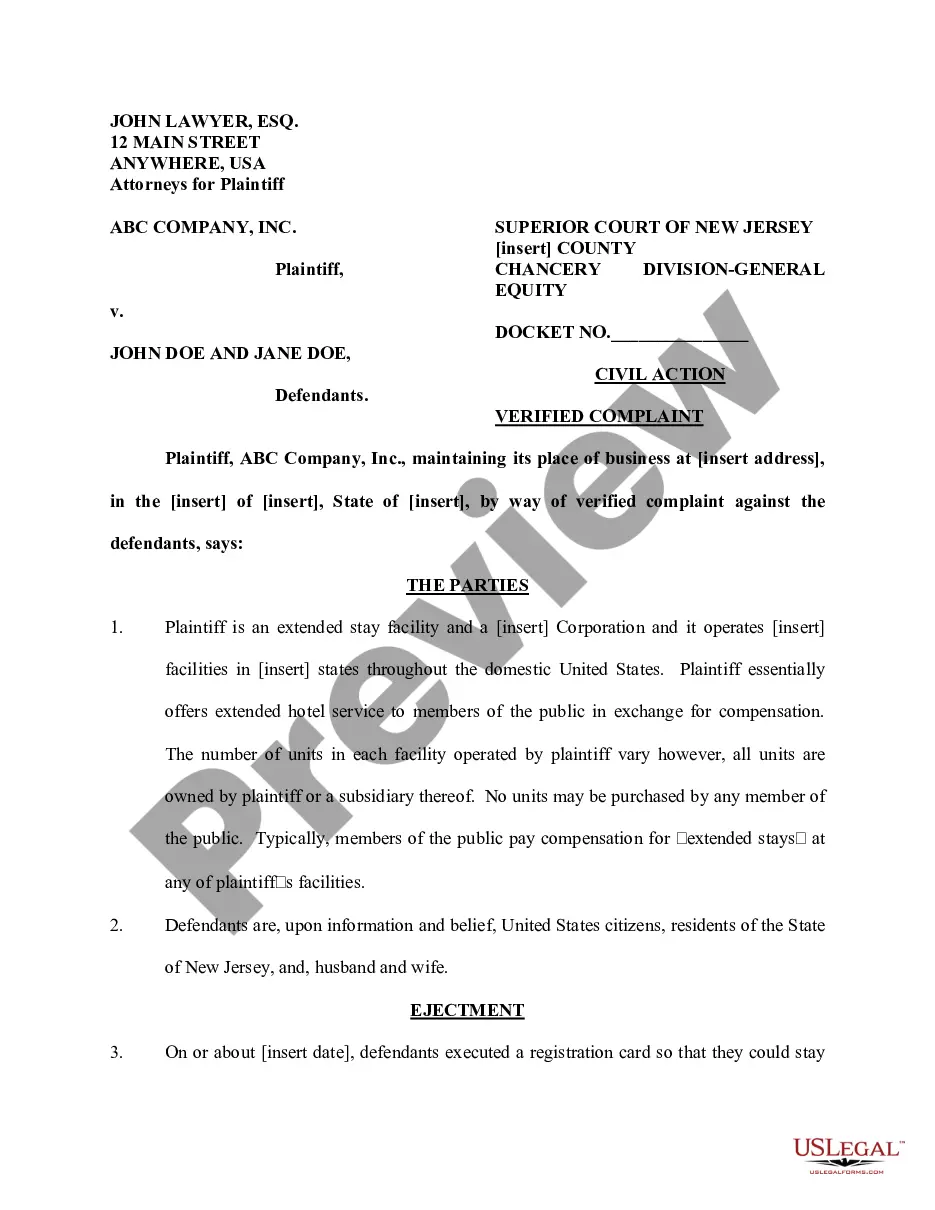
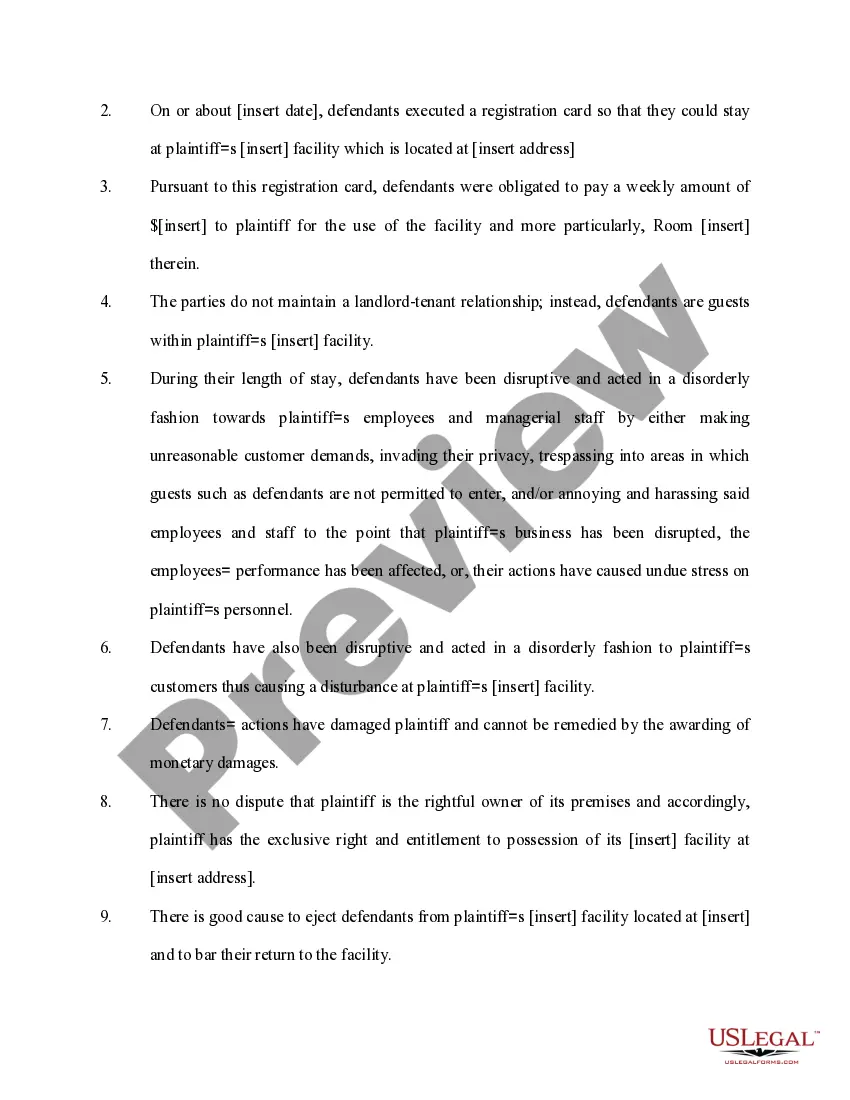
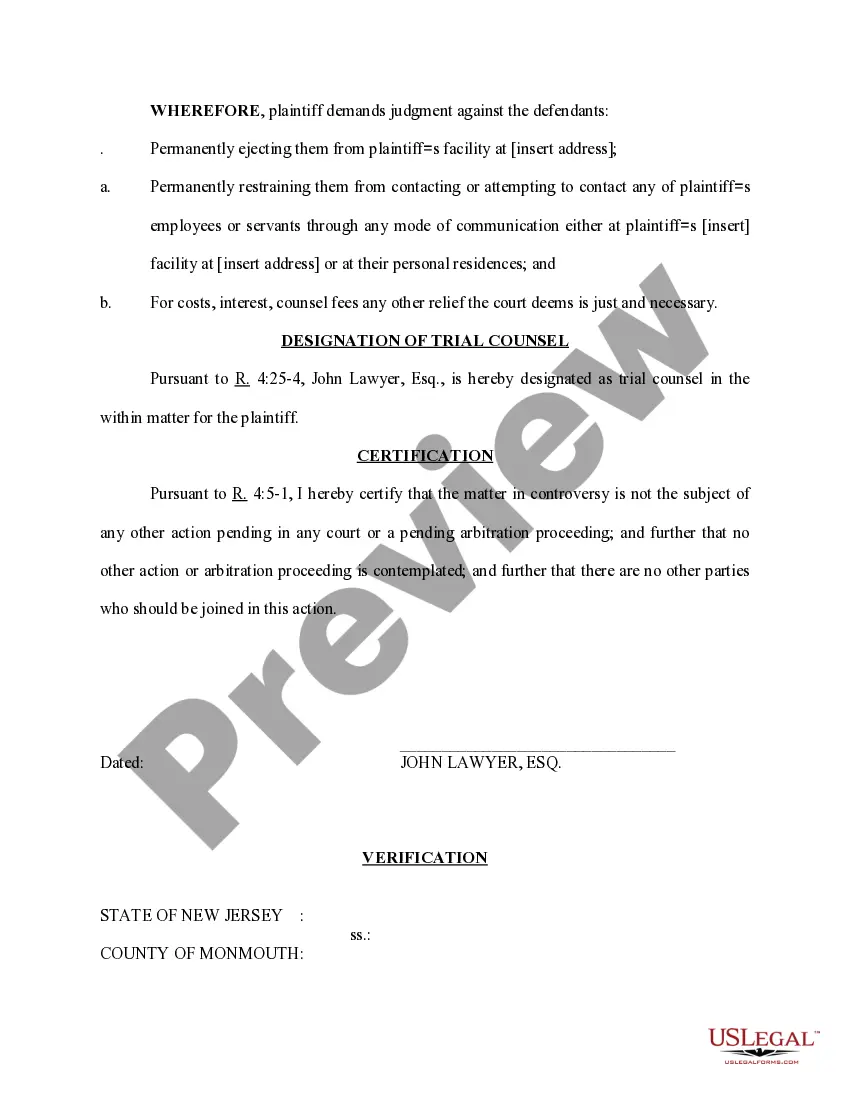
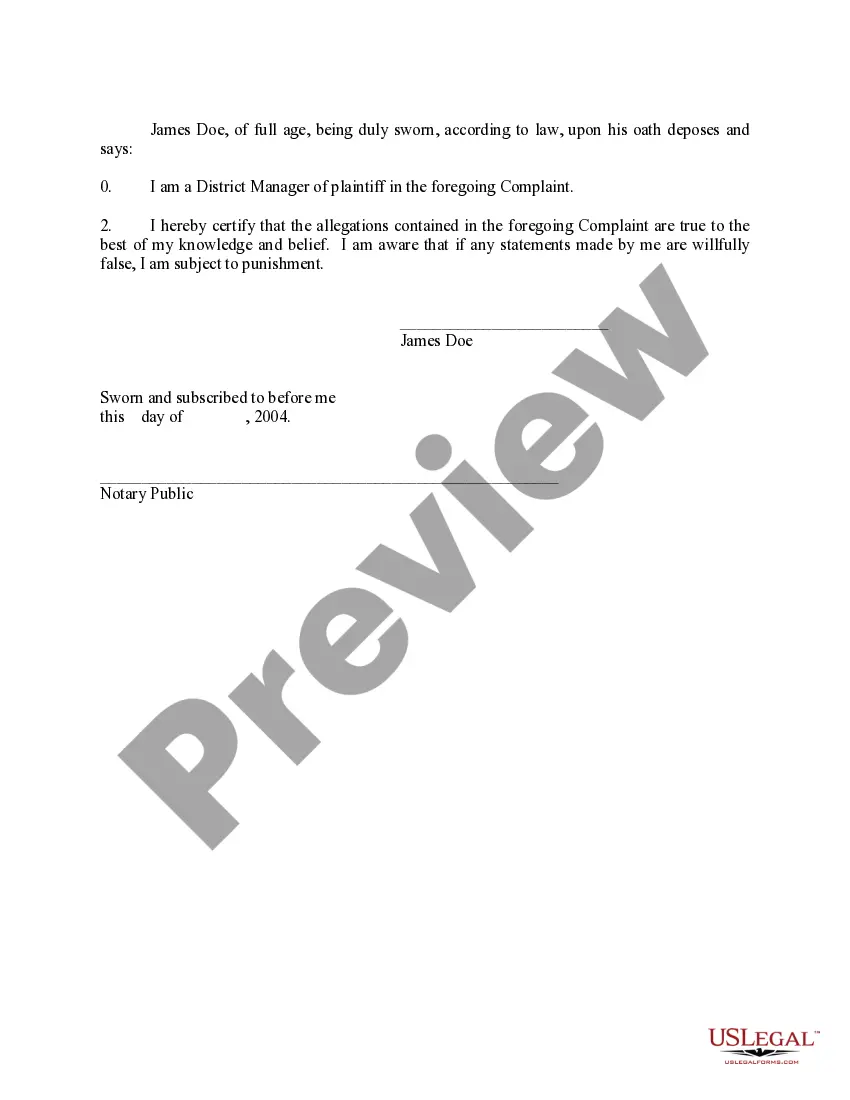
How to fill out New Jersey Complaint In Ejectment?
Handling legal documents and processes can be a lengthy addition to your daily routine.
Ejectment Process In Nj For Landlord and similar forms frequently necessitate you to search for them and comprehend how to fill them out correctly.
For this reason, whether you are managing financial, legal, or personal issues, having a comprehensive and accessible online catalog of forms when needed will be very beneficial.
US Legal Forms is the leading online platform for legal templates, boasting over 85,000 state-specific forms and various tools to help you complete your documents with ease.
Is this your first experience using US Legal Forms? Create and set up a free account in a matter of minutes and gain access to the form catalog and Ejectment Process In Nj For Landlord. Then, follow the steps below to complete your document: Ensure you've located the correct form by utilizing the Review feature and examining the form details.
- Browse the collection of pertinent documents available at your fingertips with just one click.
- US Legal Forms provides you with state- and county-specific forms accessible at any time for downloading.
- Protect your document management processes using a superior service that enables you to prepare any form within minutes without any extra or undisclosed fees.
- Simply Log In to your account, find Ejectment Process In Nj For Landlord and download it immediately from the My documents section.
- You can also access previously saved forms.
Form popularity
FAQ
The duration of the ejectment process in NJ can vary based on several factors, including court schedules and the specifics of your case. Typically, once you file for ejectment, it may take several weeks to months to reach a resolution. If the tenant contests the ejectment, this can extend the timeline further. By utilizing resources like US Legal Forms, you can expedite your understanding of the process and better prepare for the time involved.
To execute an ejectment in NJ, you must first obtain a judgment in your favor from the court. This involves presenting your case, including evidence and witness testimonies, during a hearing. Once you have the judgment, you can request a writ of possession, which allows law enforcement to remove the tenant from your property. Proper adherence to legal procedures is essential for a smooth ejectment process in NJ for landlords.
To successfully navigate the ejectment process in NJ for landlords, you need several pieces of evidence. This includes a valid lease agreement, proof of non-payment of rent, and any communications between you and the tenant regarding the eviction. Additionally, documents like notices to quit or any relevant court filings can strengthen your case. Collecting these materials ensures you have a strong foundation for your ejectment claim.
The length of time needed for ejectment in New Jersey greatly depends on the specifics of each case. On average, the ejectment process in NJ for landlords can take several weeks to a few months. Delays can stem from factors such as court availability, tenant actions, or legal complications. For landlords looking for clarity and support, USLegalForms offers valuable tools to navigate this challenging process.
In New Jersey, the time it takes for an ejectment to be resolved can range significantly. While some cases may conclude in a matter of weeks, others might prolong for months due to various circumstances. Landlords should be prepared for potential delays, including hearings and tenant appeals. Utilizing resources like USLegalForms can streamline the process and help ensure compliance with state laws.
The duration of an ejectment action can vary based on several factors, including court schedules and the complexity of the case. Generally, the ejectment process in NJ for landlords can take anywhere from a few weeks to several months. Factors such as tenant responses and any potential delays in court can influence this timeline. Knowing what to expect helps landlords prepare for the process more effectively.
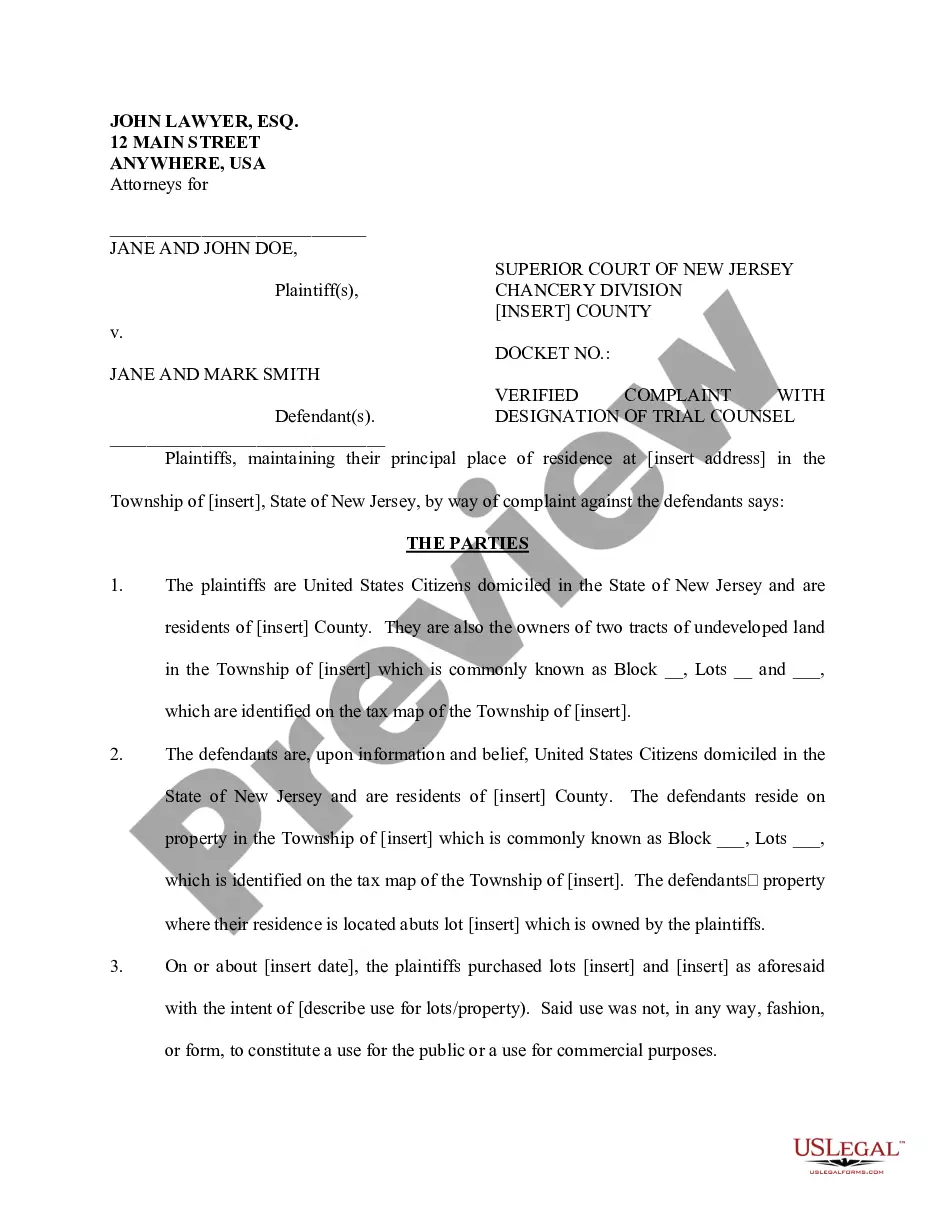
The ejectment process in New Jersey allows landlords to regain possession of their property when tenants refuse to leave. This legal procedure typically begins with filing a complaint in the appropriate court. It requires landlords to provide sufficient evidence that the tenant is unlawfully occupying the premises. Understanding this process is essential for landlords seeking to protect their rights effectively.