Sue Landlord For Deposit
Description
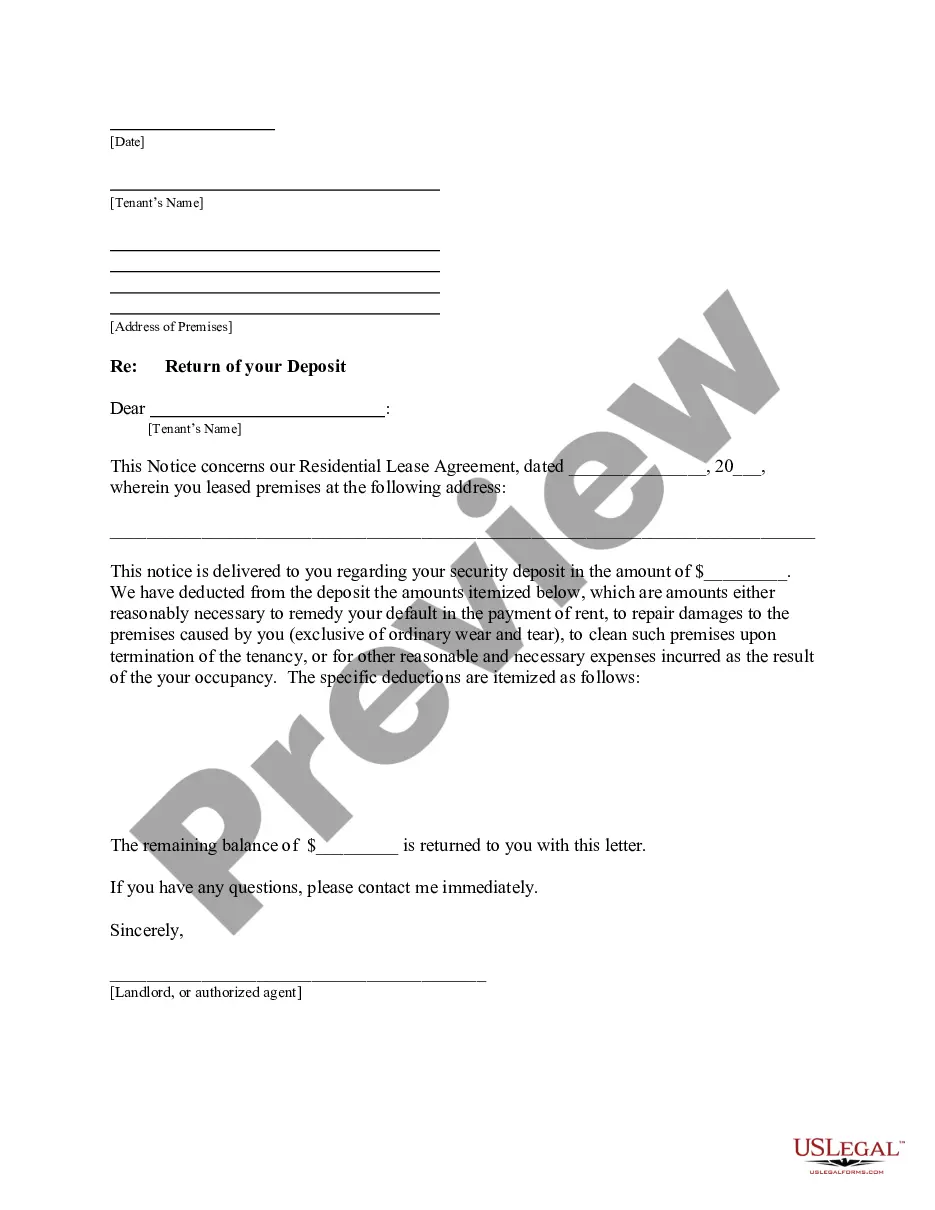
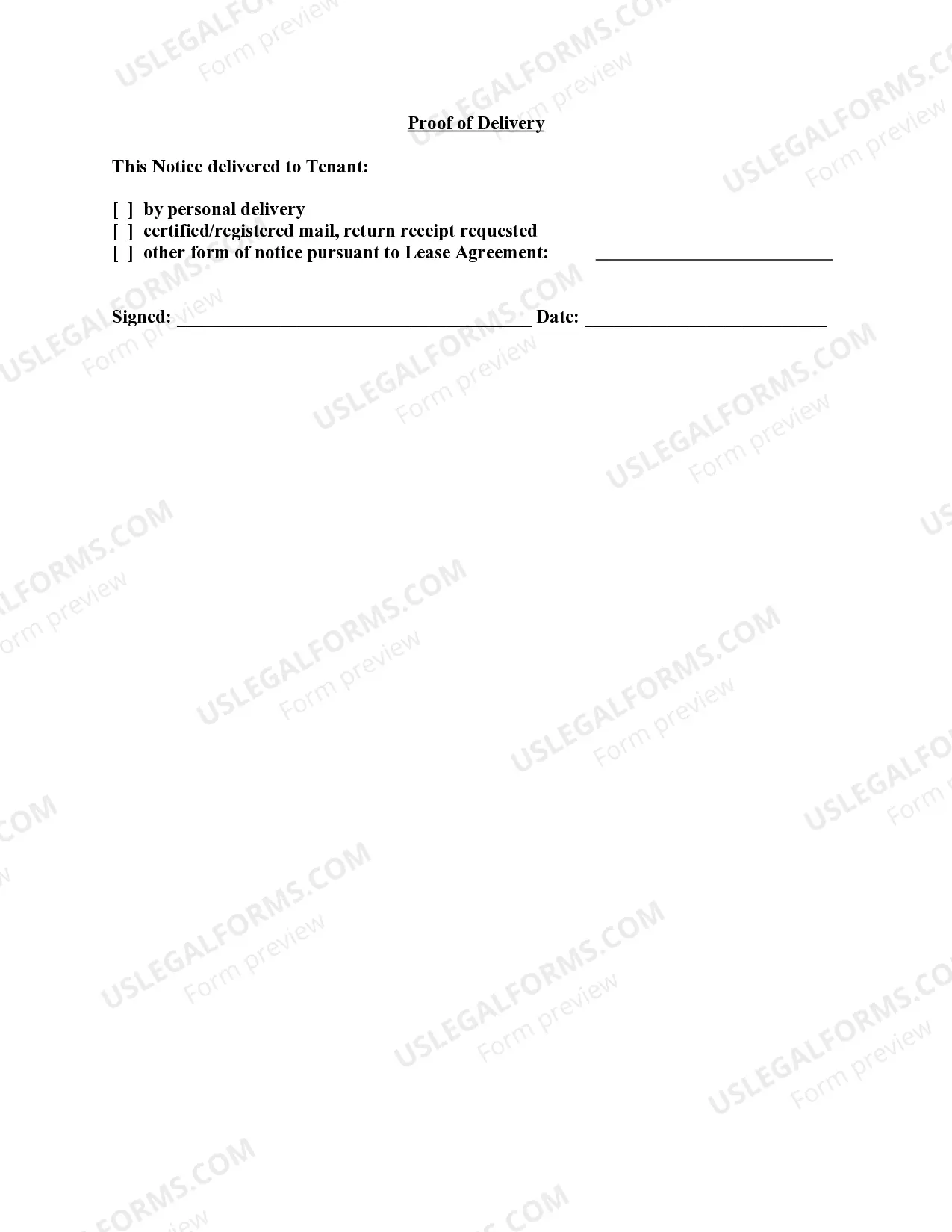

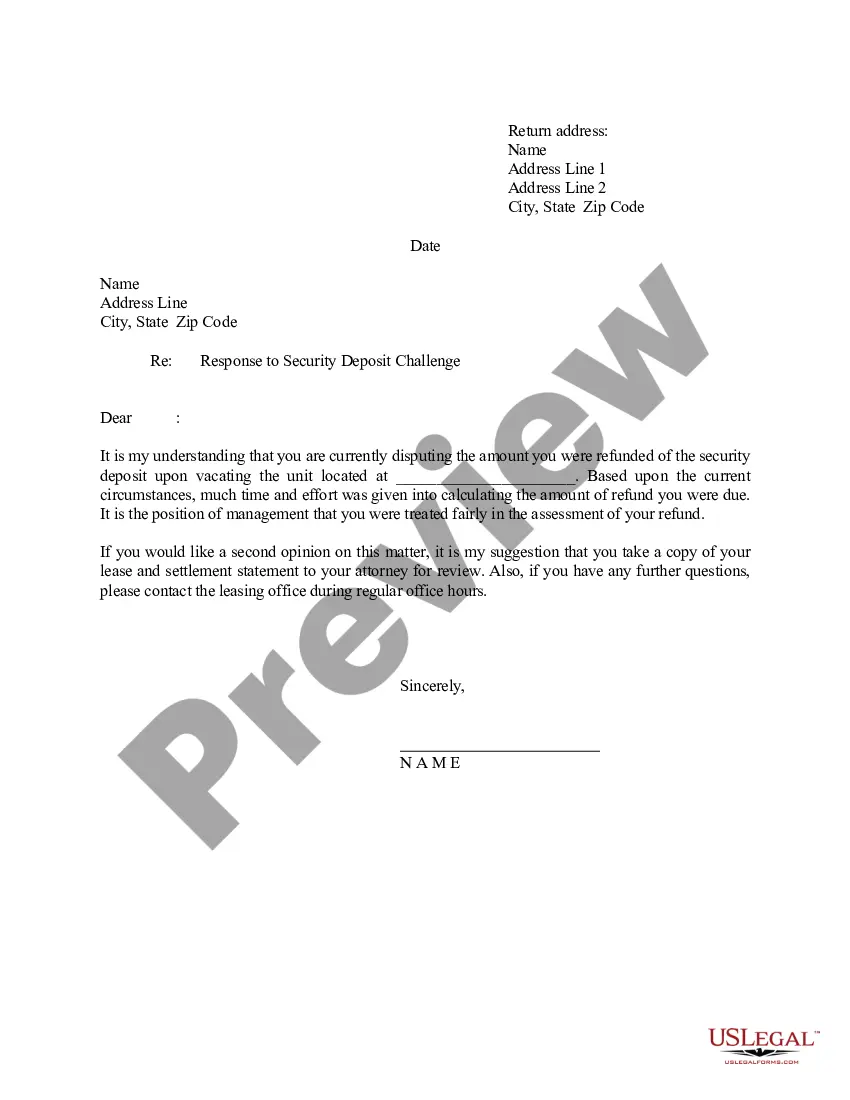
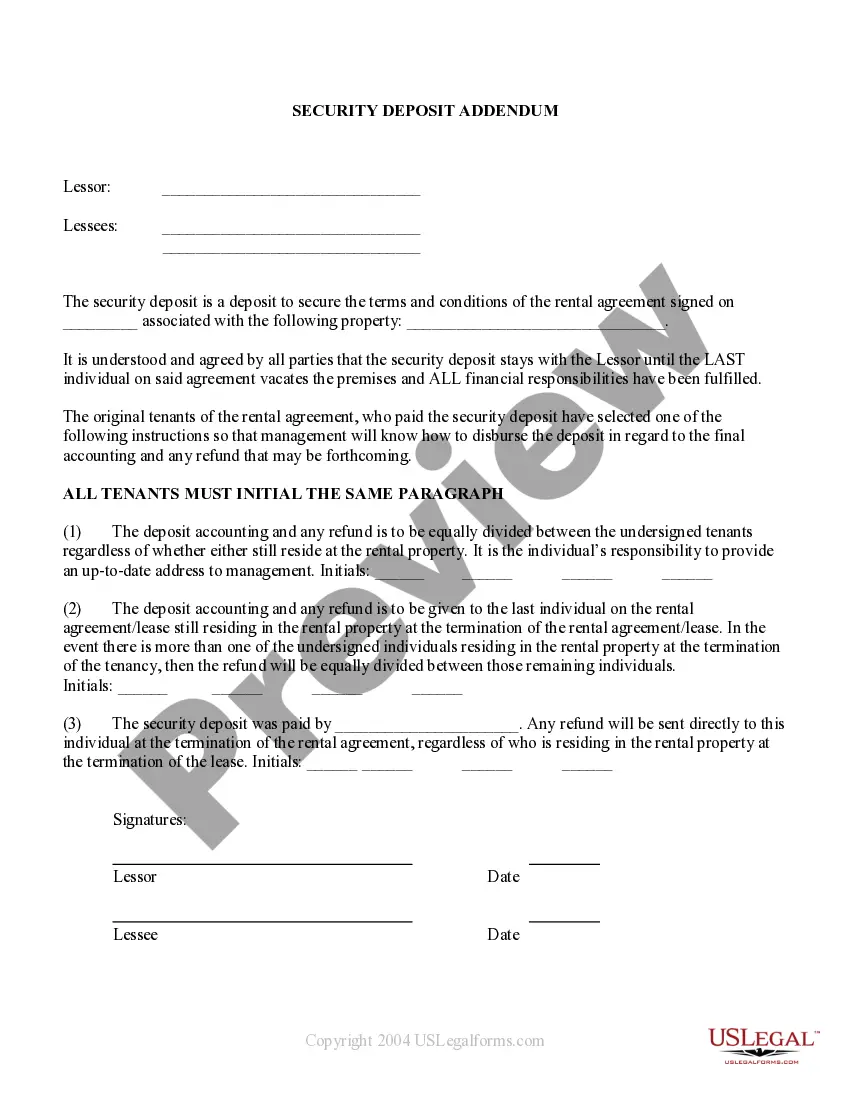
Get your form ready online
Our built-in tools help you complete, sign, share, and store your documents in one place.
Make edits, fill in missing information, and update formatting in US Legal Forms—just like you would in MS Word.
Download a copy, print it, send it by email, or mail it via USPS—whatever works best for your next step.
Sign and collect signatures with our SignNow integration. Send to multiple recipients, set reminders, and more. Go Premium to unlock E-Sign.
If this form requires notarization, complete it online through a secure video call—no need to meet a notary in person or wait for an appointment.
We protect your documents and personal data by following strict security and privacy standards.

Make edits, fill in missing information, and update formatting in US Legal Forms—just like you would in MS Word.

Download a copy, print it, send it by email, or mail it via USPS—whatever works best for your next step.

Sign and collect signatures with our SignNow integration. Send to multiple recipients, set reminders, and more. Go Premium to unlock E-Sign.

If this form requires notarization, complete it online through a secure video call—no need to meet a notary in person or wait for an appointment.

We protect your documents and personal data by following strict security and privacy standards.
Looking for another form?








Form popularity
FAQ
If your landlord doesn't return your security deposit in NYC, take the first step by contacting them through written communication. If there's no response, you may need to file a complaint with the appropriate housing authority or take legal action. Documenting all interactions will strengthen your case in court. If necessary, resources like US Legal Forms can assist you in the process to sue your landlord for deposit.
If your landlord is not responding to your deposit request in the UK, it's advisable to follow up with a written reminder. Persistence is key; landlords must respond within a specific timeframe according to UK law. If they continue to ignore you, consider seeking legal advice or services to enforce your request. In some cases, you may need to sue your landlord for deposit to recover what is owed.
In Florida, tenants have up to five years to sue for a deposit recovery, but it's critical to act sooner. The timeline generally begins after the landlord fails to return the deposit after the lease ends. Keeping detailed records of all communications related to the deposit is essential for a successful claim. Be prepared to use resources like US Legal Forms to help you sue your landlord for deposit.
If a landlord does not return a security deposit in Florida, they may be violating state law, which can lead to legal action. Tenants have the right to pursue claims in small claims court to recover their deposits. This process may include seeking damages if the landlord acted in bad faith. Therefore, it might be necessary to sue your landlord for deposit.
To sue your landlord for a deposit in Florida, you must gather all relevant documents, such as the lease agreement and communications regarding your deposit. Next, consider filing a claim in small claims court, which is often a streamlined process for such disputes. Utilizing platforms like US Legal Forms can provide the necessary forms and guidance to effectively initiate your case.
The 3X rent rule in Florida refers to the legal standard for recovering your deposit. If your landlord fails to return your deposit unlawfully, you may be entitled to three times the amount of the deposit plus attorney fees. This serves as a significant incentive for landlords to return deposits promptly. To enforce your rights, you may need to initiate legal action and sue your landlord for deposit.
If your landlord won’t return your deposit in Florida, you have several options. First, contact your landlord with a written request for the deposit. If they still do not respond, consider filing a claim in small claims court. Using resources like US Legal Forms can help you navigate the process when you need to sue your landlord for deposit.
The maximum deposit a landlord can take usually ranges from one to two months' rent, but this can differ based on local regulations. In some areas, additional deposits may be permitted for specific reasons, such as pets. Always check your local laws to ensure compliance. If you suspect your landlord is charging too much, you have the right to contest this and potentially sue your landlord for deposit recovery.
The amount you can sue your landlord for depends on the specific circumstances, including unpaid rent or unreturned deposits. In many cases, disputes involve the restitution of your deposit or additional damages due to breaches of lease terms. To fully understand your options, reviewing the details of your situation is crucial. If you need assistance navigating this, consider using platforms like USLegalForms to help you sue your landlord for deposit issues.
In California, landlords must return your deposit within 21 days after you move out. If deductions are made, landlords must provide an itemized statement explaining these charges. If your landlord fails to comply with this law, you can take action. It is essential to know that you can sue your landlord for deposit if they do not honor these regulations.
