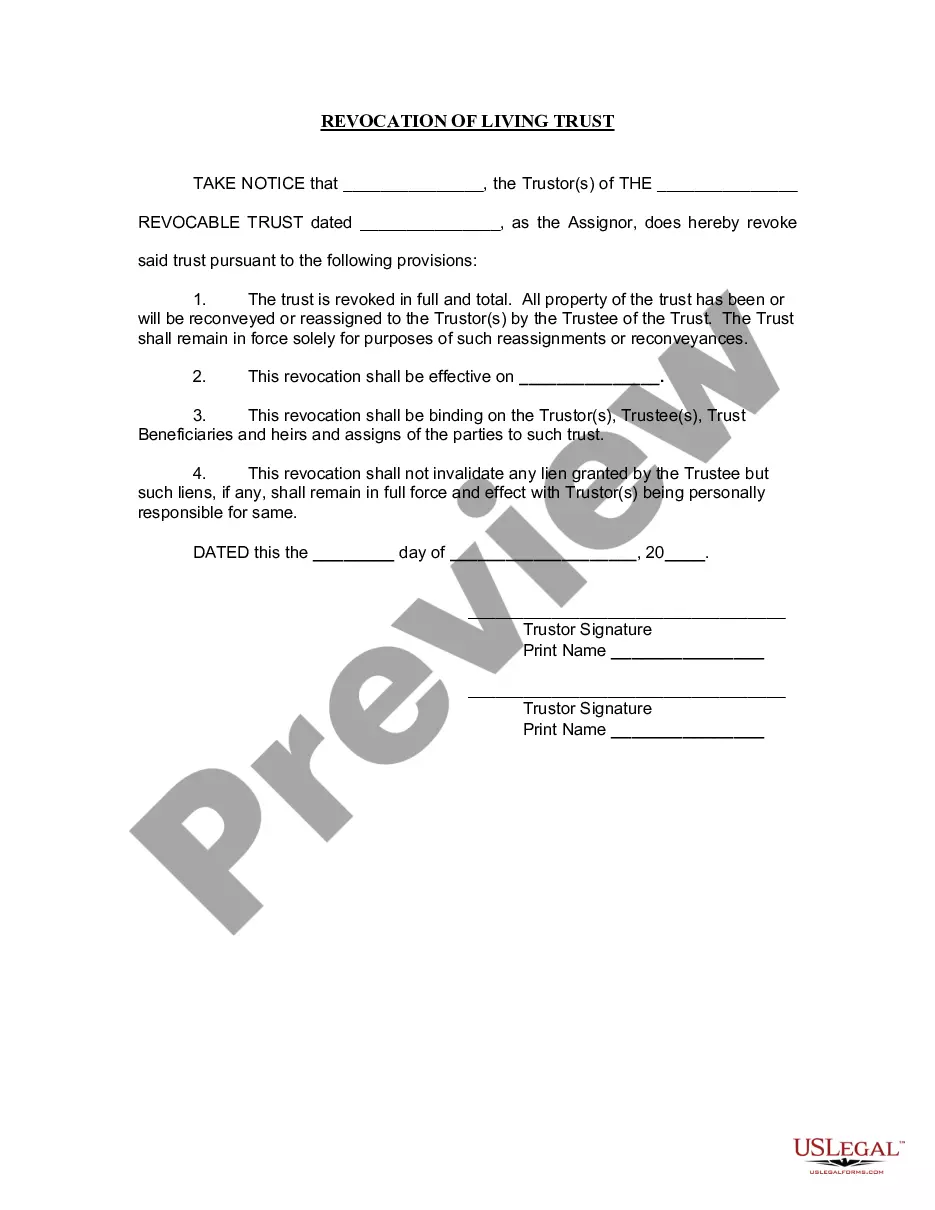
Revocation Living Trust With A Trustee
Description

Get your form ready online
Our built-in tools help you complete, sign, share, and store your documents in one place.
Make edits, fill in missing information, and update formatting in US Legal Forms—just like you would in MS Word.
Download a copy, print it, send it by email, or mail it via USPS—whatever works best for your next step.
Sign and collect signatures with our SignNow integration. Send to multiple recipients, set reminders, and more. Go Premium to unlock E-Sign.
If this form requires notarization, complete it online through a secure video call—no need to meet a notary in person or wait for an appointment.
We protect your documents and personal data by following strict security and privacy standards.

Make edits, fill in missing information, and update formatting in US Legal Forms—just like you would in MS Word.

Download a copy, print it, send it by email, or mail it via USPS—whatever works best for your next step.

Sign and collect signatures with our SignNow integration. Send to multiple recipients, set reminders, and more. Go Premium to unlock E-Sign.

If this form requires notarization, complete it online through a secure video call—no need to meet a notary in person or wait for an appointment.

We protect your documents and personal data by following strict security and privacy standards.
Looking for another form?







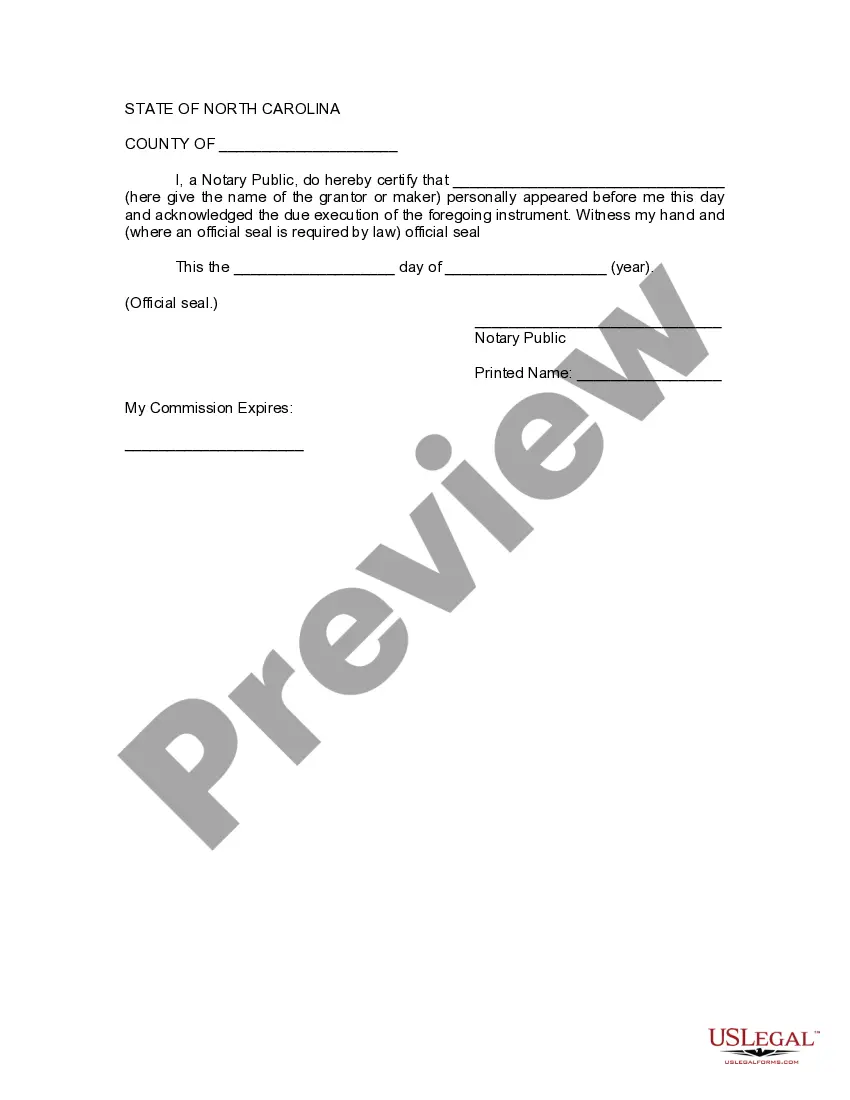
How to fill out North Carolina Revocation Of Living Trust?
- Log in to your US Legal Forms account if you're a returning user or create a new account if this is your first visit.
- Browse the preview mode and ensure the selected revocation form matches your requirements.
- Search for any other necessary templates using the search bar if the current one does not fit your needs.
- Select the 'Buy Now' option for your chosen form and opt for a subscription plan that suits you.
- Complete your purchase by entering your payment details or using your PayPal account.
- Download the form to your device and save it for easy access and completion from your account's 'My Forms' section.
Once you follow these steps, you will have the necessary form to effectively revoke the living trust. The process is designed to be user-friendly, making legal compliance straightforward.
Take control of your estate planning today. Visit US Legal Forms to get started and ensure your legal documents are handled with precision and ease.
Form popularity
FAQ
A sample of revocation of a living trust typically includes your name, the trust name, and a statement declaring the trust's termination. It may also specify the effective date and include your signature along with the trustee’s acknowledgment. For assistance with crafting this document, the US Legal Forms platform offers customizable templates tailored for a revocation living trust with a trustee.
Yes, a revocable living trust provides you with the flexibility to revoke or dissolve it at any time. As the trust creator, you retain full control over its assets and provisions, allowing you to make changes as needed. This adaptability is one of the key benefits of a revocation living trust with a trustee, ensuring your estate plan can evolve with your circumstances.
A form to dissolve a revocable trust is a legal document that formally terminates the trust. In this context, you create and sign the termination form, specifying the details of the trust and its trustee. This process ensures that the assets are distributed according to your wishes. Using proper documentation is essential for an effective revocation living trust with a trustee.
A trustee holds significant power over a trust, including managing assets, making distributions, and following the terms of the trust document. They must act in the best interest of the beneficiaries and adhere to the guidelines established by the trust creator. With a revocation living trust with a trustee, this power includes the ability to revoke and alter the trust as circumstances change. For those seeking to understand these responsibilities fully, platforms like uslegalforms can offer valuable resources and insights.
Yes, a trustee can revoke a trust if the trust is revocable and the trustee has the authority to do so. This means that as the trust's administrator, they can change terms, distribute assets, or even terminate the trust altogether. The revocation living trust with a trustee allows for these modifications, making estate planning easier as life situations evolve. It’s wise to consult a legal expert to navigate this process correctly.
Trustees can revoke a trust, but this action depends on the terms set forth in the trust document. Generally, if the trust is revocable, the trustee, who is also the trust creator, can change or dissolve the trust as they see fit. A revocation living trust with a trustee offers flexibility to adapt to changing circumstances, making this process smoother. However, proper legal guidance is crucial to ensure compliance with state laws.
To remove a trustee from a revocable living trust, you should start by reviewing the trust documents, identifying the necessary procedures for removal. Typically, you will need to draft a formal notice of removal and appoint a successor if needed. Open communication with the current trustee is vital to ensure a smooth transition. For more detailed guidance, check out US Legal Forms for excellent resources.
Changing a trustee can vary in complexity depending on the trust's terms and the specific circumstances. If your revocation living trust with a trustee includes clear instructions for trustee changes, the process is generally smooth. If no guidance exists, you may need to seek legal help for a seamless transition. US Legal Forms offers templates that simplify the change process.
Yes, a trustee can be removed from a revocable trust, typically by following the procedures specified in the trust document. If your revocation living trust with a trustee includes terms for removal, simply adhering to those instructions will facilitate the process. If no terms exist, a formal agreement or court intervention might be necessary. Consider seeking expert guidance from services like US Legal Forms.
A trust can typically be terminated by revocation, lapse, or by fulfilling its purpose. In the case of a revocation living trust with a trustee, revocation is the most common method used to deactivate it easily. Additionally, a trust could lapse if its assets are depleted or if it reaches its designated end date. Know that these options can provide flexibility but require careful consideration.