Revocation Living Trust With A Beneficiary
Description
Get your form ready online
Our built-in tools help you complete, sign, share, and store your documents in one place.
Make edits, fill in missing information, and update formatting in US Legal Forms—just like you would in MS Word.
Download a copy, print it, send it by email, or mail it via USPS—whatever works best for your next step.
Sign and collect signatures with our SignNow integration. Send to multiple recipients, set reminders, and more. Go Premium to unlock E-Sign.
If this form requires notarization, complete it online through a secure video call—no need to meet a notary in person or wait for an appointment.
We protect your documents and personal data by following strict security and privacy standards.

Make edits, fill in missing information, and update formatting in US Legal Forms—just like you would in MS Word.

Download a copy, print it, send it by email, or mail it via USPS—whatever works best for your next step.

Sign and collect signatures with our SignNow integration. Send to multiple recipients, set reminders, and more. Go Premium to unlock E-Sign.

If this form requires notarization, complete it online through a secure video call—no need to meet a notary in person or wait for an appointment.

We protect your documents and personal data by following strict security and privacy standards.
Looking for another form?
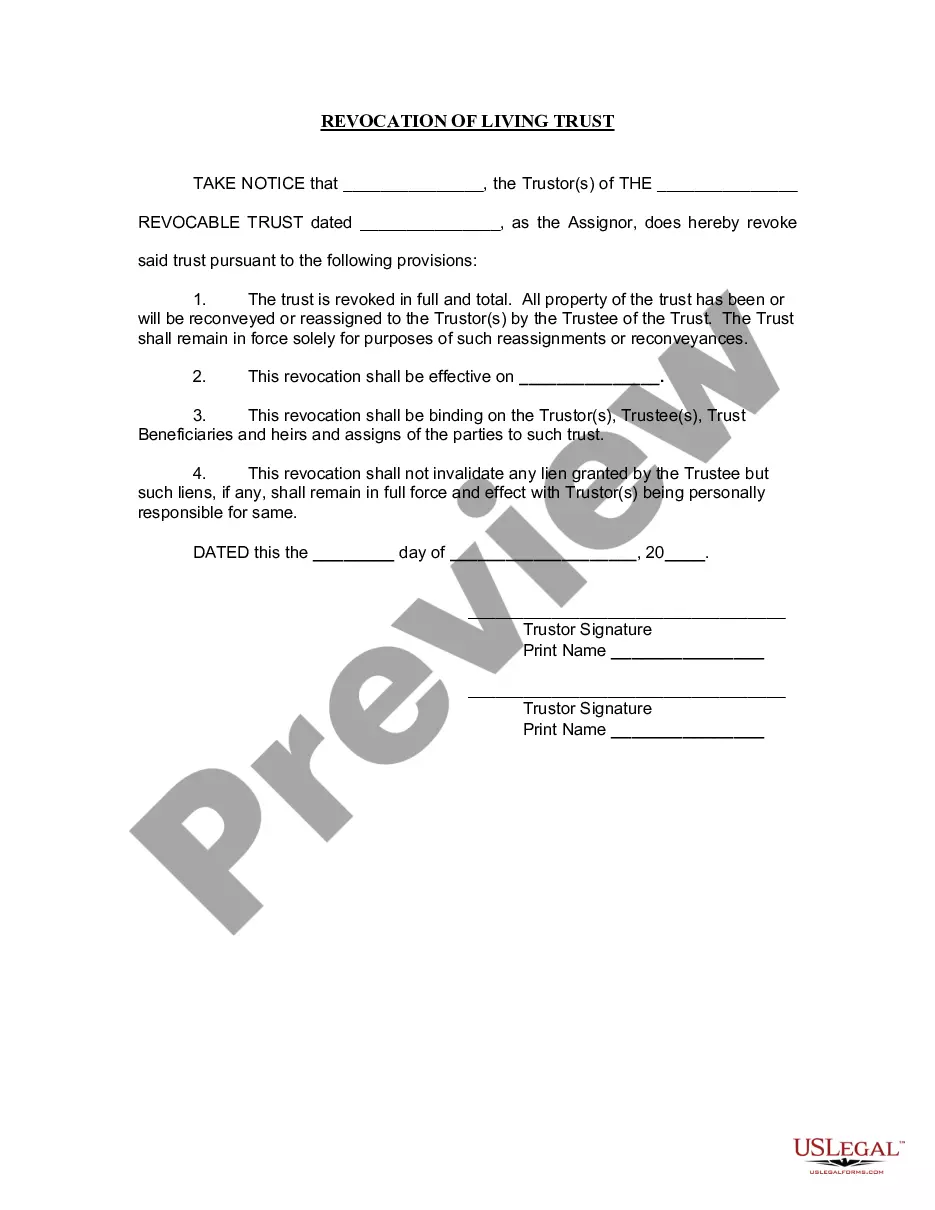
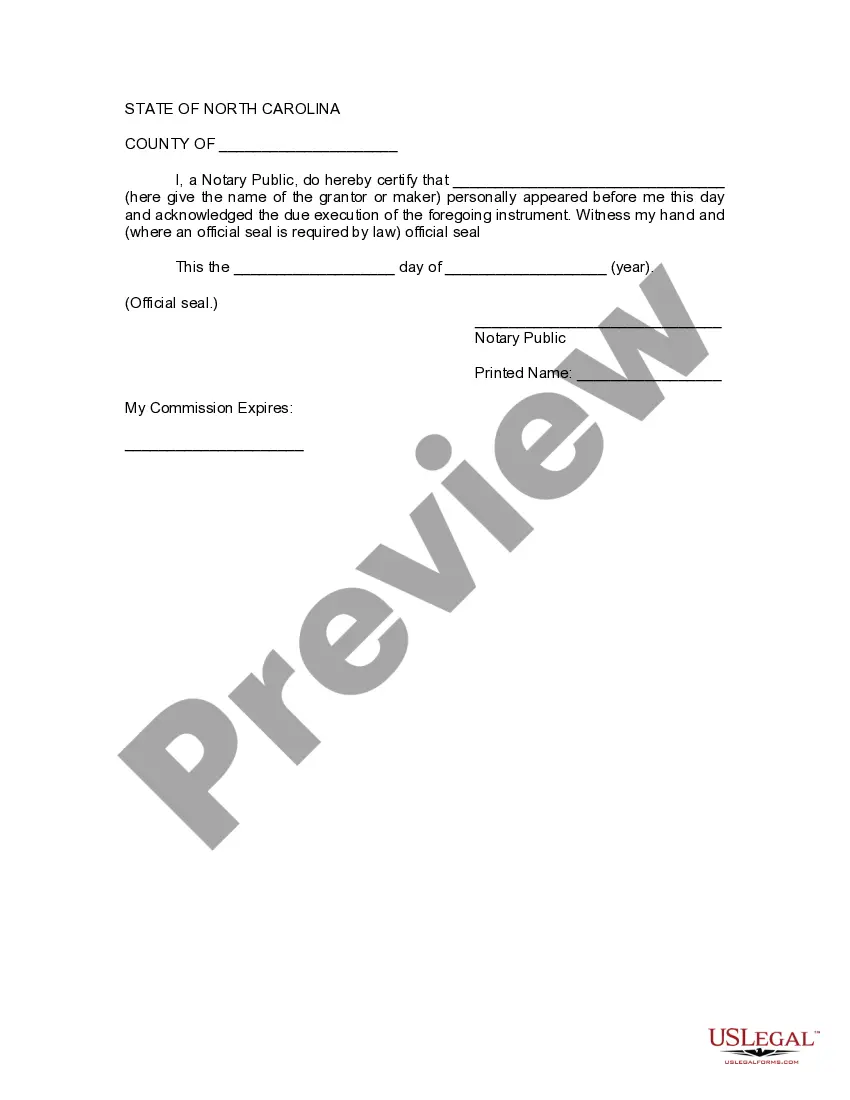
How to fill out North Carolina Revocation Of Living Trust?
- Access your US Legal Forms account by logging in. Ensure your subscription is active; if not, renew it as per your payment plan.
- Review the available document templates in Preview mode. Confirm you select the appropriate form that aligns with your needs and local jurisdiction.
- Search for additional templates if necessary. If you encounter any discrepancies, utilize the Search tab to find the correct documents.
- Purchase the required document by clicking the Buy Now button and selecting your preferred subscription plan. You'll need to create an account for full access.
- Complete your purchase by entering your credit card information or utilizing your PayPal account for payment.
- Download the form directly to your device. You can conveniently access it later in the My Documents section of your profile.
By following these steps, you can efficiently revoke a living trust with a beneficiary using US Legal Forms. The service empowers both individuals and attorneys to quickly manage legal documents.
Start your journey towards confident estate planning today—explore US Legal Forms for all your legal documentation needs.
Form popularity
FAQ
To revoke a revocable living trust, start by drafting a formal notice of revocation. This document should explicitly state your intention to terminate the trust and can be prepared using templates available on platforms like US Legal Forms. After you complete the notice, sign it and distribute copies to the beneficiaries and relevant financial institutions. Following these steps will help you effectively manage your revocation living trust with a beneficiary.
A trust can be terminated in three primary ways: by the grantor's decision, by fulfilling the conditions stated in the trust document, or through a court order. Each method involves specific legal processes, which may vary by state. When considering how you would like to handle your revocation living trust with a beneficiary, it is vital to understand these options to ensure compliance with legal requirements.
Revoking a revocable trust is generally a straightforward process. As the grantor, you have the authority to modify or terminate the trust at any time while you are alive and competent. All it often requires is submitting the proper documentation and notifying the beneficiaries. This flexibility makes revocation living trust with a beneficiary a practical option for many individuals.
To dissolve a revocable trust, you typically need to use a specific legal form designed for this purpose. This form allows the grantor to formally indicate their intent to revoke the trust. You can find customizable templates on platforms like US Legal Forms, which simplifies the process of creating the necessary documentation. By obtaining the right form, you ensure a smooth and legally sound dissolution of your revocation living trust with a beneficiary.
A trust can be deemed null and void for several reasons. For instance, if it lacks essential elements such as a grantor, a valid beneficiary, or proper documentation, the trust may not hold legal weight. Additionally, if the grantor was not of sound mind or if the terms are illegal, the trust will fail. Understanding these factors is crucial when considering the revocation living trust with a beneficiary.
A revocation living trust with a beneficiary can be revoked by following the specific procedures outlined in the trust document. Typically, this involves signing a revocation document and notifying all relevant parties, including the beneficiaries. It's important to keep a record of the revocation process to avoid confusion in the future. If you need assistance in managing your trust, US Legal Forms offers straightforward resources to guide you through this process.
In general, a revocation living trust with a beneficiary can be protected from nursing home claims if the trust is set up properly. However, nursing homes may challenge access to funds in the trust if they determine the assets were transferred to avoid paying for care. To safeguard your trust from potential nursing home costs, consider discussing your situation with a qualified attorney or using resources available on the US Legal Forms platform.
The 5 year rule for trusts refers to the requirement that assets placed in a revocation living trust with a beneficiary must be established and funded at least five years before applying for Medicaid or certain government benefits. This rule is particularly relevant to those concerned about nursing home costs. However, it's important to consult with a financial advisor to understand how this rule may impact your estate planning strategies.
A revocation of a living trust refers to the legal process of terminating a trust. When you decide to create a revocation living trust with a beneficiary, it allows you to change or cancel the management of your assets. This action can provide greater flexibility in estate planning, but it must be done following the trust agreement and relevant laws. Utilizing a platform like USLegalForms can simplify this process, offering tailored resources for effective trust management.
Yes, a beneficiary of a trust can be removed, but this typically depends on the trust's terms and conditions. If you hold a revocation living trust with a beneficiary and wish to change this designation, it is essential to follow the proper legal procedures as outlined in the trust document. Make sure to communicate openly with remaining beneficiaries about these changes to prevent misunderstandings. Legal support can help navigate this process effectively.