Living Trust Form Printable For Texas
Description
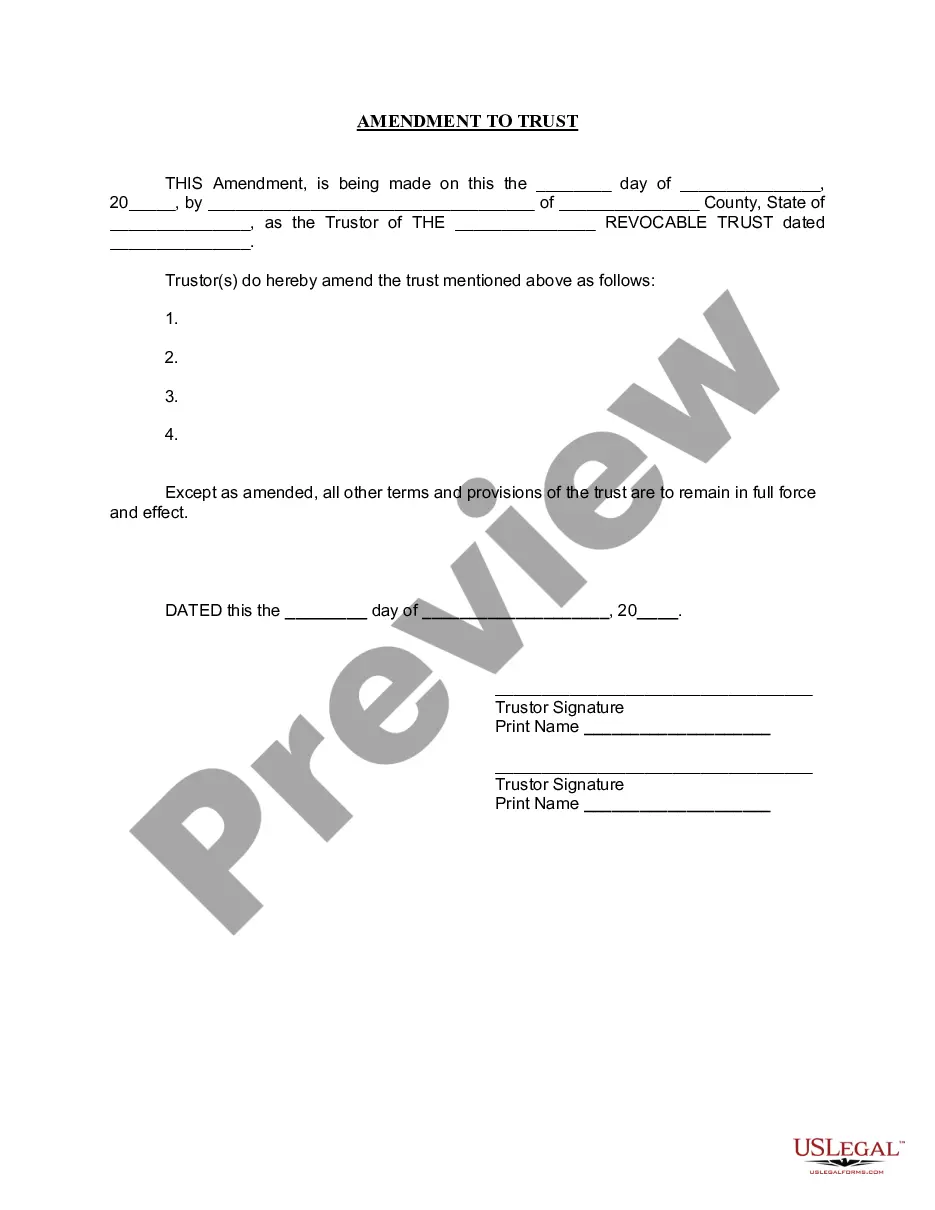
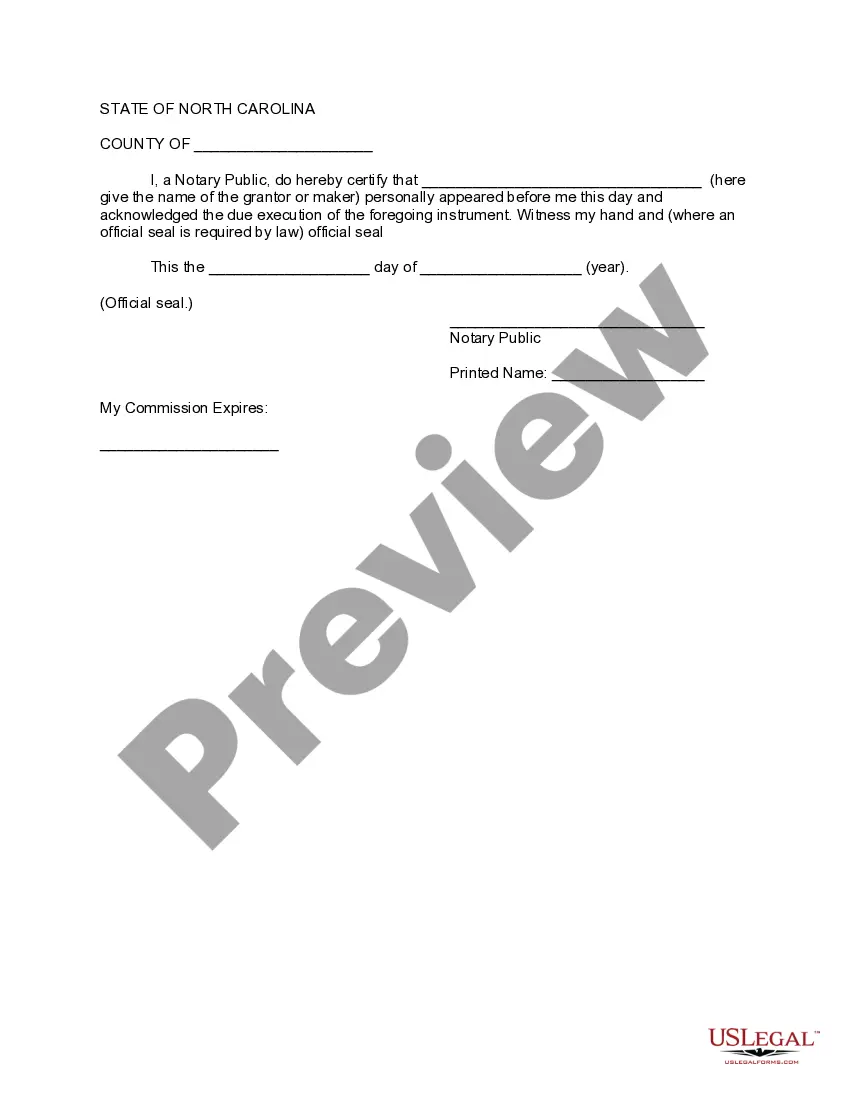


Get your form ready online
Our built-in tools help you complete, sign, share, and store your documents in one place.
Make edits, fill in missing information, and update formatting in US Legal Forms—just like you would in MS Word.
Download a copy, print it, send it by email, or mail it via USPS—whatever works best for your next step.
Sign and collect signatures with our SignNow integration. Send to multiple recipients, set reminders, and more. Go Premium to unlock E-Sign.
If this form requires notarization, complete it online through a secure video call—no need to meet a notary in person or wait for an appointment.
We protect your documents and personal data by following strict security and privacy standards.

Make edits, fill in missing information, and update formatting in US Legal Forms—just like you would in MS Word.

Download a copy, print it, send it by email, or mail it via USPS—whatever works best for your next step.

Sign and collect signatures with our SignNow integration. Send to multiple recipients, set reminders, and more. Go Premium to unlock E-Sign.

If this form requires notarization, complete it online through a secure video call—no need to meet a notary in person or wait for an appointment.

We protect your documents and personal data by following strict security and privacy standards.
Looking for another form?
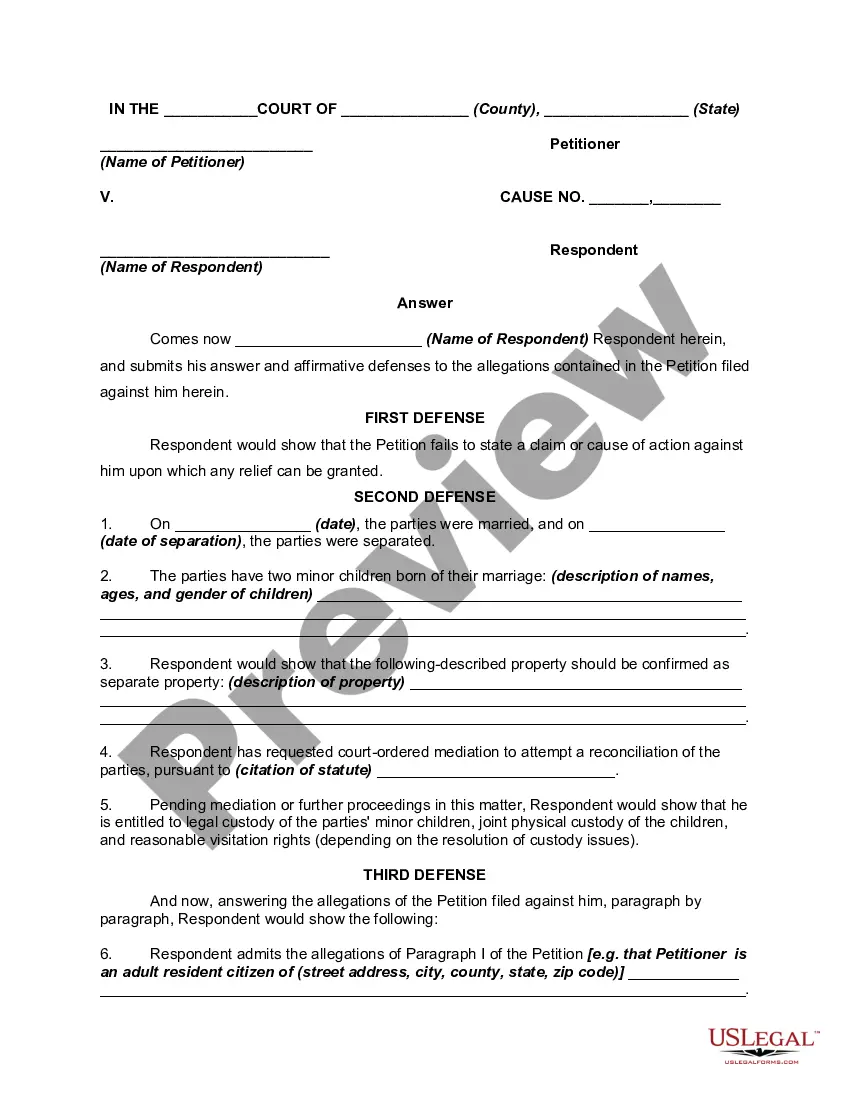






How to fill out North Carolina Amendment To Living Trust?
- Access the US Legal Forms platform. If you're an existing user, log in to your account. Ensure your subscription is active; renew if necessary.
- Check the details of the living trust form. Utilize the Preview mode to verify that the template meets Texas jurisdiction requirements and suits your needs.
- If the form doesn’t fit your criteria, use the Search tab to find alternative templates that may better suit your needs.
- Purchase the selected form. Click 'Buy Now' and choose a subscription plan that works for you—remember to create an account if you're a new user.
- Complete your payment. Enter your credit card information or use PayPal for your subscription purchase.
- Download the form. Once purchased, save the template to your device and access it anytime from the My Forms section of your account.
By leveraging US Legal Forms, you can navigate the complexities of legal documentation more easily. With a library that outperforms competitors, their extensive collection ensures you’ll find exactly what you need.
Ready to take charge of your estate planning? Visit US Legal Forms now and access your living trust form today!
Form popularity
FAQ
One major mistake parents often make is failing to fund the trust after it is established. Without proper funding, the trust cannot serve its intended purpose. By using a living trust form printable for Texas, parents can ensure they set up the trust correctly and consider all aspects of funding it appropriately.
Texas law does not require trusts to be notarized, but doing so can enhance the trust's legitimacy. Notarization may also prevent future contestations from beneficiaries. Therefore, using a living trust form printable for Texas with notarization options can save you time and effort.
While notarization is not strictly required for a living trust in Texas, it is highly recommended. Notarizing your trust can help validate the document and make it easier to handle in legal situations. Thus, consider a living trust form printable for Texas that includes notarization instructions for your convenience.
Yes, you can write your own living trust in Texas. Many individuals choose to do this to save on costs and to personalize their trust according to their wishes. However, using a living trust form printable for Texas can help you cover all necessary aspects and avoid common pitfalls that can arise from DIY trusts.
To ensure a trust is valid in Texas, it must include essential elements like a clear declaration of trust, specific assets, and designated beneficiaries. Additionally, the creator must have the legal capacity to establish a trust. Utilizing a living trust form printable for Texas can help guide you through these requirements effectively.
In Texas, a trust can still be considered valid without notarization, as long as it meets the requirements of state law. However, having a living trust form printable for Texas notarized provides an additional layer of credibility and may simplify legal processes later on. It's advisable to consider having your trust notarized to avoid potential disputes.
To file a living trust in Texas, you need to first create your trust document using a living trust form printable for Texas. Once you complete the form, you should sign it in front of a notary. Afterward, you can fund the trust by transferring your assets into it. Remember, you may also want to consult an attorney for additional guidance.
Filling out a living trust involves gathering your assets and personal information. Start by defining the trustee, beneficiaries, and any specific terms you want to include. You can use a living trust form printable for Texas to simplify the process and ensure all legal requirements are met. Once completed, make sure to sign the document in front of a notary to make it official.
In Texas, a living trust does not need to be recorded with the county office. Unlike a will, which must be filed with a probate court, a living trust remains a private document. However, while you don’t need to record the trust, you should keep the living trust form printable for Texas readily accessible for your beneficiaries. This will help them understand your wishes clearly.
While a living trust offers many benefits, there are some disadvantages to consider. First, creating a living trust often involves initial time and costs, including legal fees. Additionally, if you do not fund your trust properly, your assets may not be protected as intended. Thus, when you consider a living trust form printable for Texas, ensure you understand these potential drawbacks.