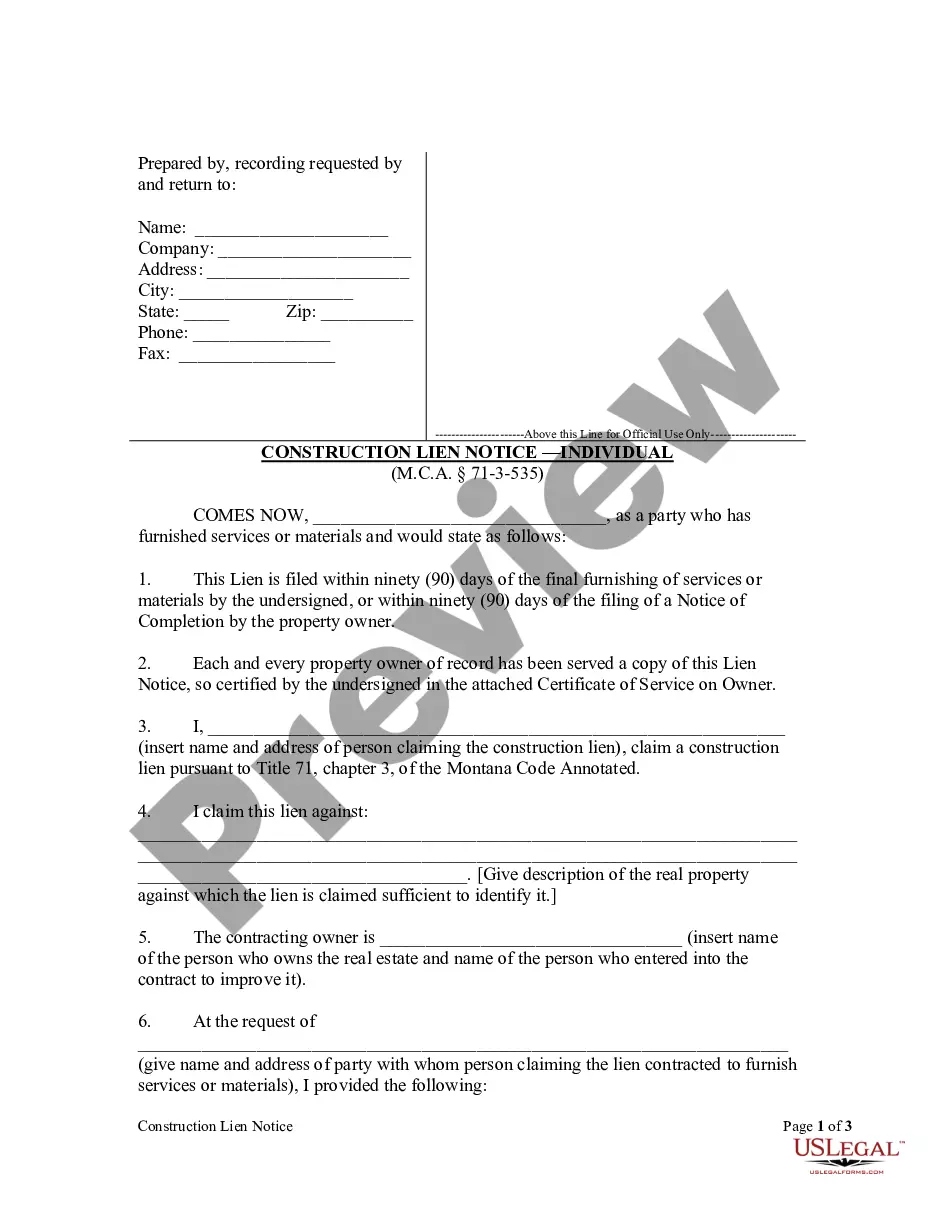
Montana Lien Law For Storage Units
Description

Get your form ready online
Our built-in tools help you complete, sign, share, and store your documents in one place.
Make edits, fill in missing information, and update formatting in US Legal Forms—just like you would in MS Word.
Download a copy, print it, send it by email, or mail it via USPS—whatever works best for your next step.
Sign and collect signatures with our SignNow integration. Send to multiple recipients, set reminders, and more. Go Premium to unlock E-Sign.
If this form requires notarization, complete it online through a secure video call—no need to meet a notary in person or wait for an appointment.
We protect your documents and personal data by following strict security and privacy standards.

Make edits, fill in missing information, and update formatting in US Legal Forms—just like you would in MS Word.

Download a copy, print it, send it by email, or mail it via USPS—whatever works best for your next step.

Sign and collect signatures with our SignNow integration. Send to multiple recipients, set reminders, and more. Go Premium to unlock E-Sign.

If this form requires notarization, complete it online through a secure video call—no need to meet a notary in person or wait for an appointment.

We protect your documents and personal data by following strict security and privacy standards.
Looking for another form?

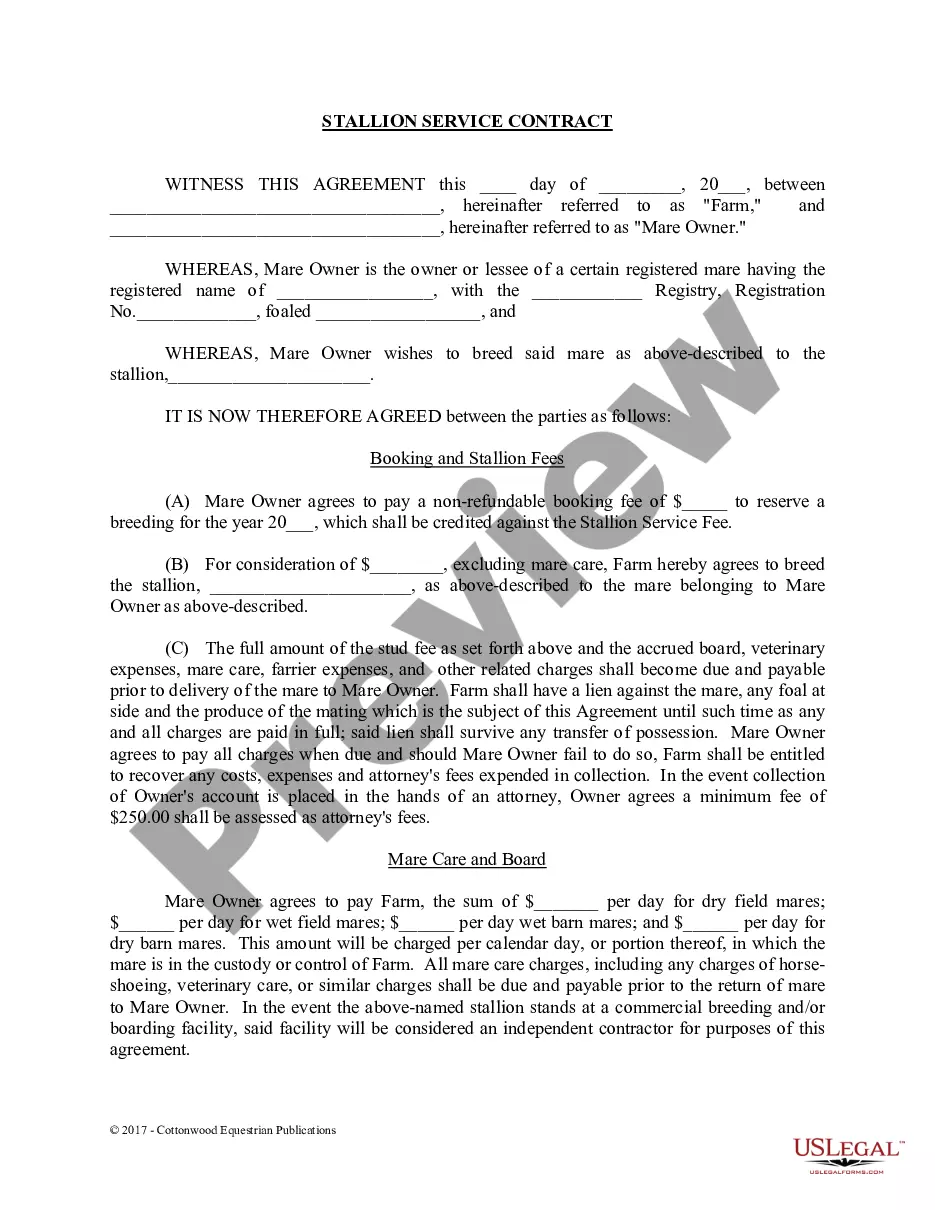
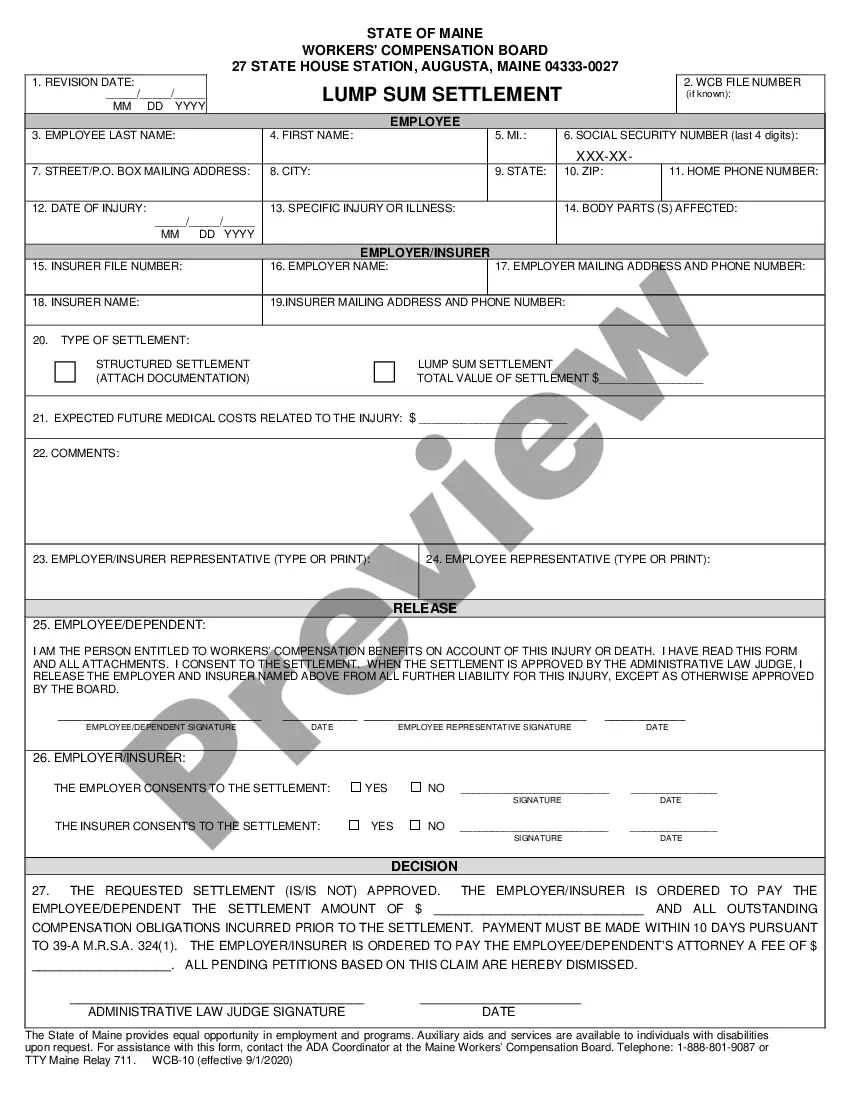

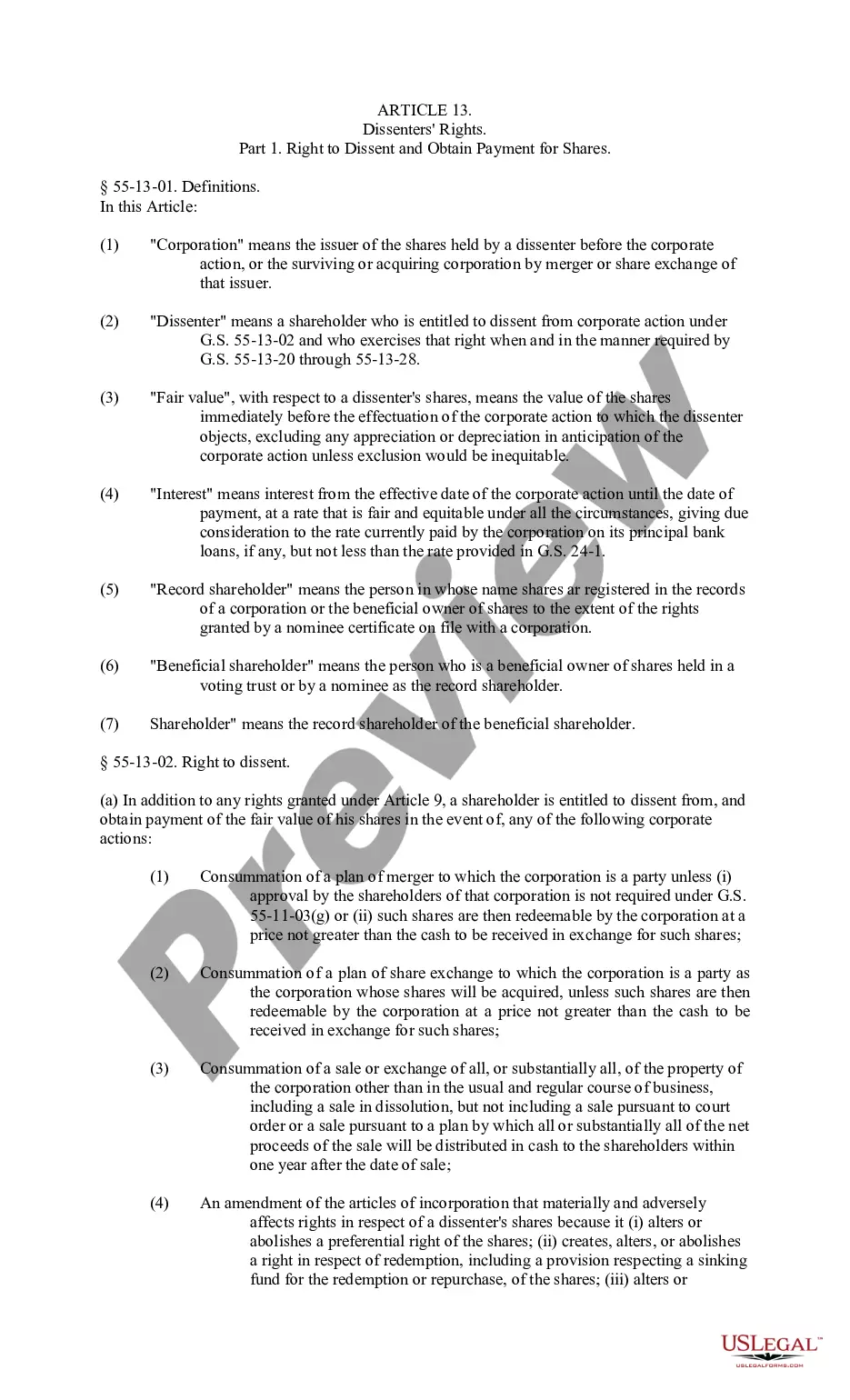



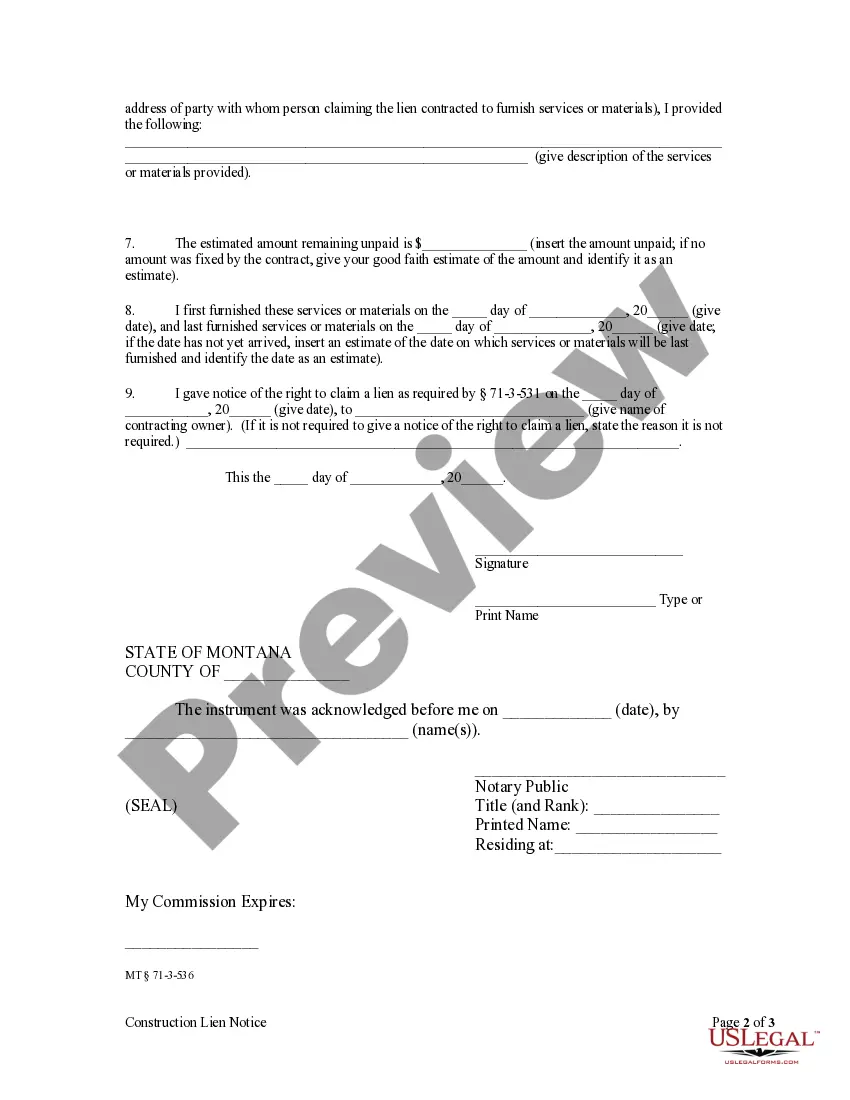
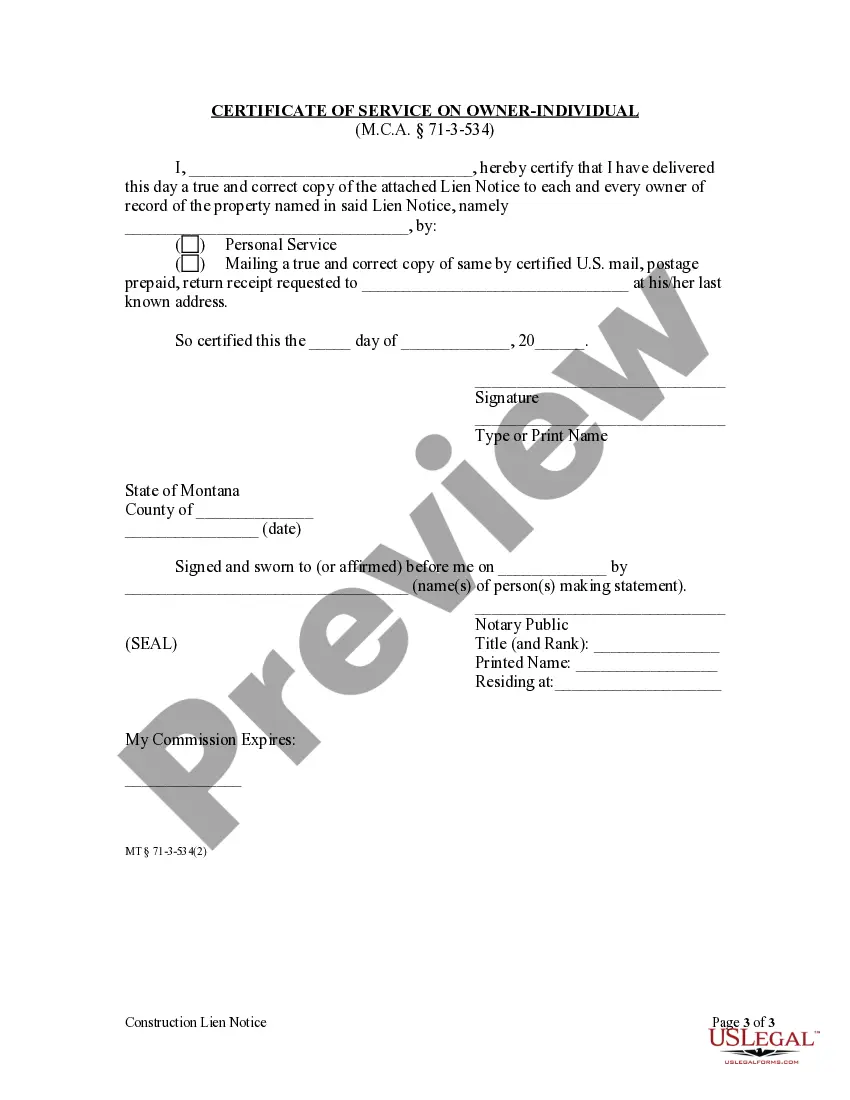
How to fill out Montana Construction Lien Notice - Individual?
Legal administration can be exasperating, even for skilled experts.
When you are interested in a Montana Lien Law for Storage Units and lack the time to search for the accurate and current version, the procedures can be taxing.
US Legal Forms meets any needs you may have, from personal to commercial paperwork, all in one location.
Utilize advanced tools to complete and manage your Montana Lien Law for Storage Units.
Here are the steps to follow after acquiring the form you require: Verify that it is the correct form by previewing it and reviewing its details. Ensure that the template is authorized in your state or county. Click Buy Now when you are ready. Choose a subscription plan. Locate the format you want, and Download, fill out, eSign, print, and send your documents. Benefit from the US Legal Forms online catalog, backed by 25 years of experience and trustworthiness. Change your routine document management into a smooth and user-friendly process today.
- Access a valuable collection of articles, guides, and resources pertinent to your circumstances and requirements.
- Save time and effort looking for the documents you need, and use US Legal Forms’ sophisticated search and Review tool to locate Montana Lien Law for Storage Units and obtain it.
- If you hold a monthly subscription, Log In to your US Legal Forms account, search for the form, and retrieve it.
- Check your My documents tab to review the documents you previously saved and manage your folders as you wish.
- If this is your first experience with US Legal Forms, create a complimentary account and gain unlimited access to all the platform's benefits.
- A robust online form catalog could be a transformative solution for anyone looking to navigate these issues efficiently.
- US Legal Forms is a leader in online legal documents, with more than 85,000 state-specific legal forms accessible at any time.
- With US Legal Forms, you can access state- or county-specific legal and business documents.
Form popularity
FAQ
While this FAQ focuses on Montana lien law for storage units, it's important to note that Georgia has its own set of lien laws. Generally, under Georgia law, a storage facility can impose a lien after a period of non-payment, usually around 30 days. The facility must provide notice to the tenant before taking action to auction the contents. For detailed legal guidance, consider using USLegalForms to access resources tailored to your needs.
In Montana, a storage unit is often considered abandoned after 30 days of non-payment, according to lien law for storage units. However, the specific timeframe may vary depending on the storage facility's policies. During this period, you should receive notices from the facility regarding the unpaid balance. It's crucial to stay informed and act swiftly to avoid losing your belongings.
Under Montana lien law for storage units, the duration you can go without paying varies by facility. Typically, storage facilities allow a grace period of about 5 to 10 days before they enforce late fees. After this period, if payment remains unpaid, the facility may begin the lien process, which could lead to auctioning your belongings. It’s essential to communicate with your storage facility to understand their specific policies.
Beginning July 1, House Enrolled Act 1621 authorizes storage companies to seize a storage unit just five days after a missed payment and permits a storage auction to be held within 60 days.
Beginning on July 1, House Enrolled Act 1621 will accelerate these grace periods and lead to quicker seizures and shortened timeframes before auctions. Under the new law, storage companies will be able to seize the renter's unit only five days after a missed payment and send the items to auction after 60 days.
A new law in Indiana, House Enrolled Act 1621, will now permit storage facilities to seize a storage unit after just five days of delinquency. It also authorizes a storage auction to be held within 60 days. Hoosier State Governor Eric Holcomb signed the bill this week, which goes into effect July 1, 2023.
Currently, a storage company can't put its own, second lock on a storage unit until the rent goes unpaid for at least 30 days. The company then only can auction the contents of a storage unit in default once 90 days have elapsed.
What is the Illinois law for storage units? The Illinois Self-Service Storage Facility Act requires a 14-day written notice before selling tenant's items at an auction.