Land Trust In Real Estate
Description
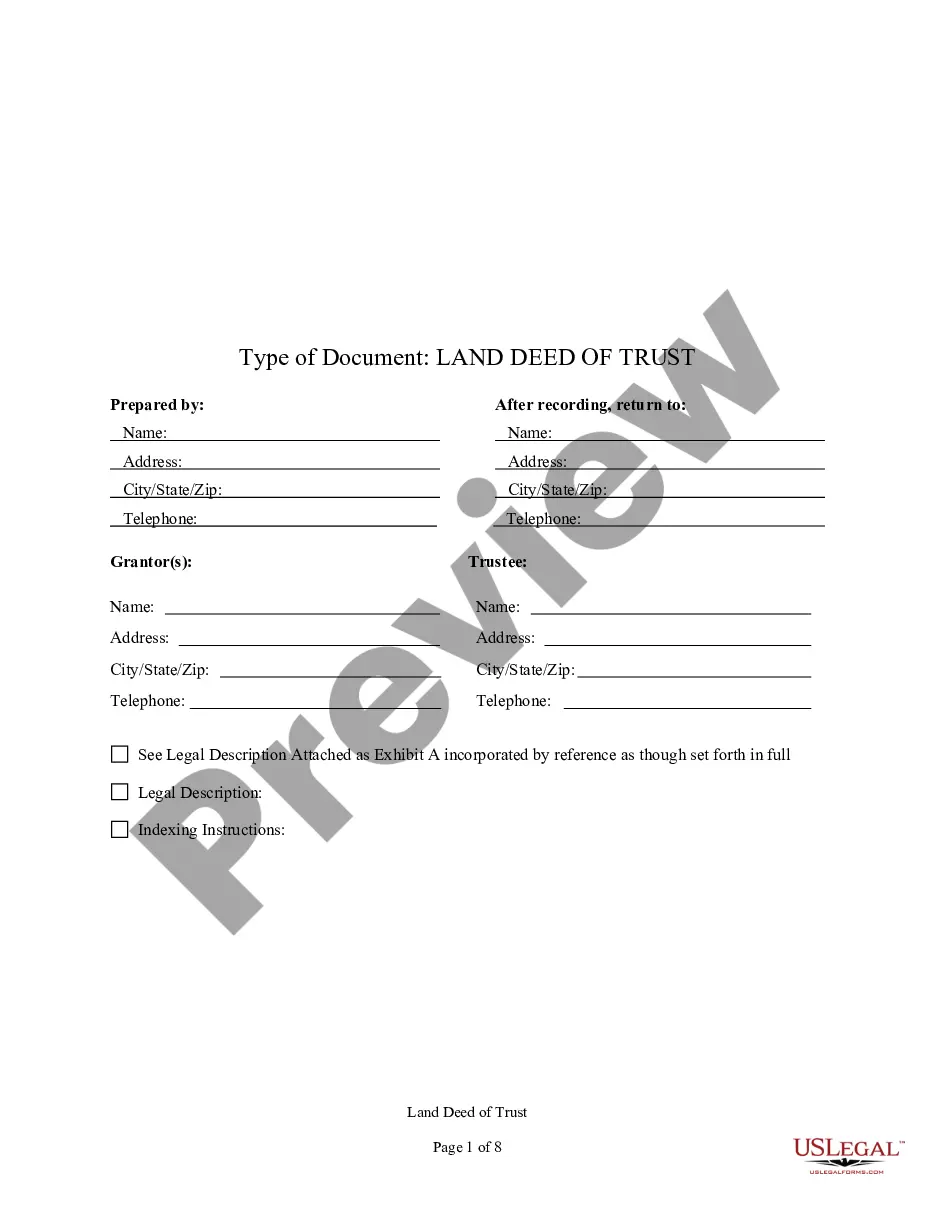
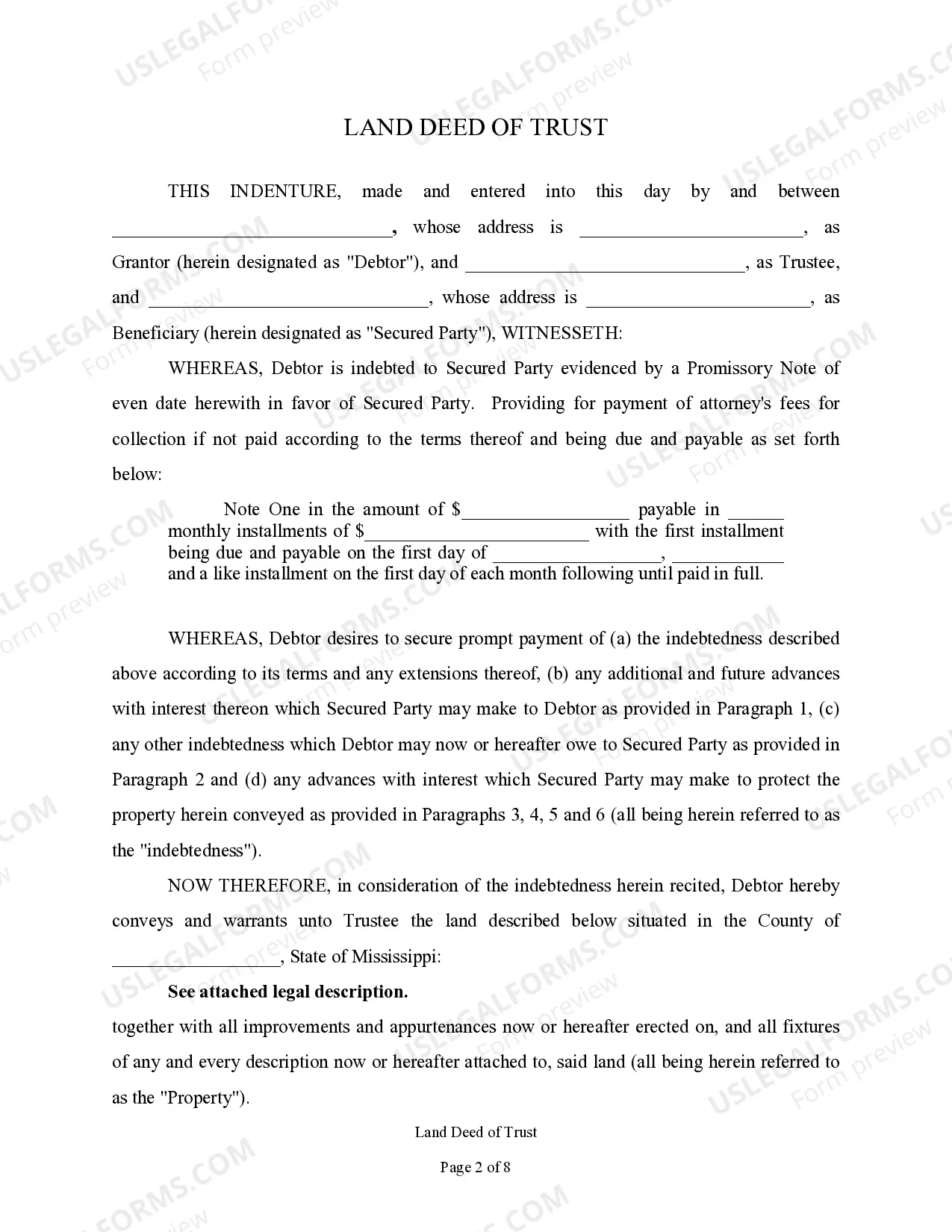
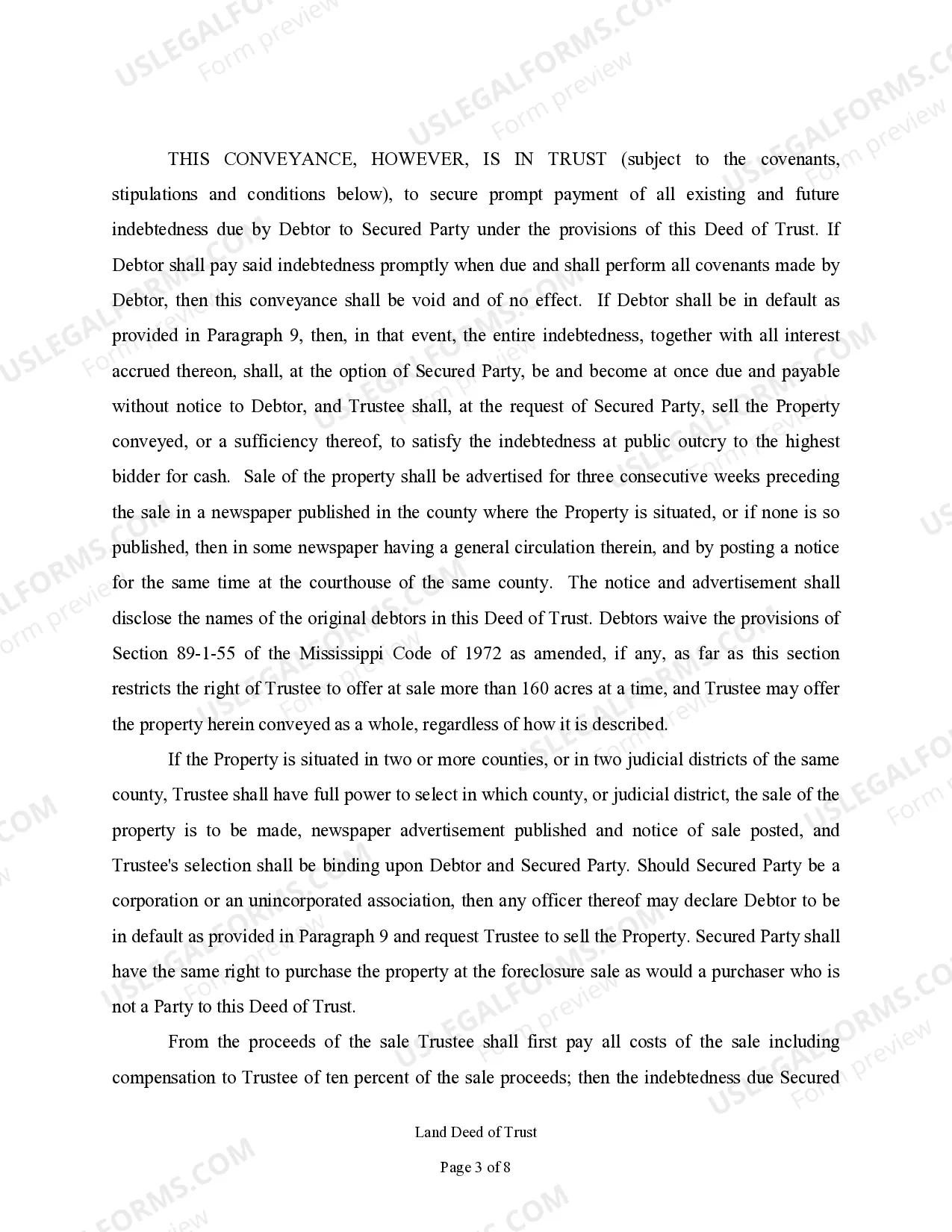
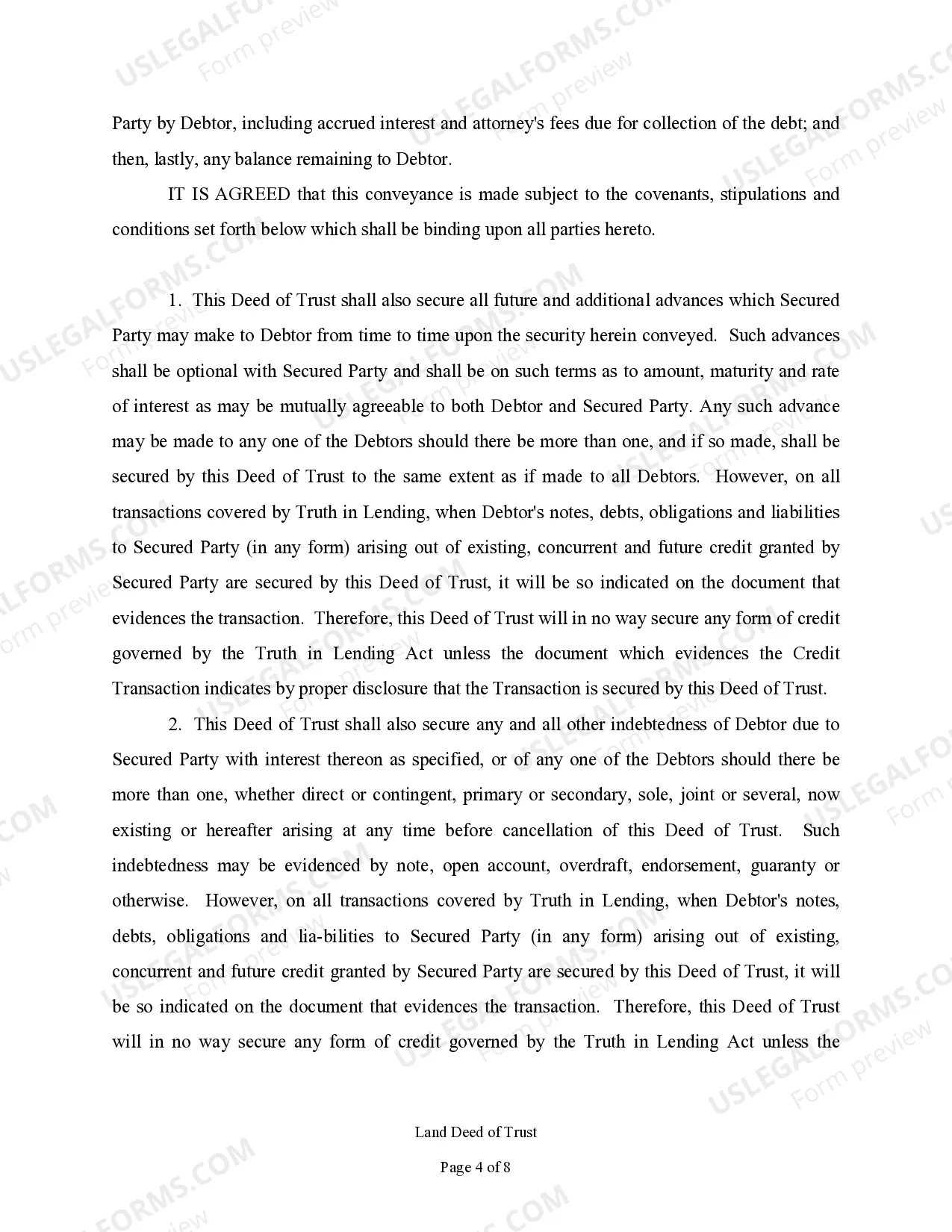

Get your form ready online
Our built-in tools help you complete, sign, share, and store your documents in one place.
Make edits, fill in missing information, and update formatting in US Legal Forms—just like you would in MS Word.
Download a copy, print it, send it by email, or mail it via USPS—whatever works best for your next step.
Sign and collect signatures with our SignNow integration. Send to multiple recipients, set reminders, and more. Go Premium to unlock E-Sign.
If this form requires notarization, complete it online through a secure video call—no need to meet a notary in person or wait for an appointment.
We protect your documents and personal data by following strict security and privacy standards.

Make edits, fill in missing information, and update formatting in US Legal Forms—just like you would in MS Word.

Download a copy, print it, send it by email, or mail it via USPS—whatever works best for your next step.

Sign and collect signatures with our SignNow integration. Send to multiple recipients, set reminders, and more. Go Premium to unlock E-Sign.

If this form requires notarization, complete it online through a secure video call—no need to meet a notary in person or wait for an appointment.

We protect your documents and personal data by following strict security and privacy standards.
Looking for another form?

Form popularity
FAQ
Yes, a trustee can sell property in a land trust. The trustee is responsible for managing the trust's assets based on the trust agreement. They must act in the best interest of the beneficiaries. If selling is aligned with those interests and permitted by the trust, the trustee can proceed with the sale.
To sell property in a land trust in real estate, you first need to review the trust's provisions regarding sale or transfer. Next, you would draft a contract that clearly outlines the terms of the sale, including the transfer of beneficial interest. It is also essential to notify the trustee and ensure compliance with local laws. Seeking legal guidance can simplify the process.
The purpose of a land trust in real estate is to provide privacy and protect assets. It allows property owners to separate their identity from the public records of property ownership. Additionally, land trusts can facilitate easier property management and transfer, making it a strategic choice for real estate investors and owners.
Yes, you can sell property in a land trust in real estate. The process involves transferring the beneficial interest of the trust to the buyer. However, the terms of your trust agreement will dictate the selling procedure. It's wise to consult a legal professional to ensure the sale adheres to all legal requirements.
When you place a property in a land trust in real estate, you may face several disadvantages. These include limited access to the property's equity, potential tax implications, and initial setup costs. Additionally, some financial institutions may not recognize the ownership transfer, complicating future financing options. Therefore, it is crucial to weigh the pros and cons before proceeding.
Generally, the beneficiaries of the land trust are responsible for paying taxes on the income generated by the property. In the case of a land trust in real estate, the trust is often treated as a pass-through entity for tax purposes. This means that any profits or losses are reported on the beneficiaries' individual tax returns. Understanding the tax implications can be crucial, and using platforms like Uslegalforms can help clarify these responsibilities.
In most cases, any individual, entity, or organization can create a land trust in real estate. This includes homeowners looking to protect their investment, investors wanting to simplify property management, and even business owners needing to hold real estate for their operations. Uslegalforms offers resources and templates to help anyone interested in establishing a land trust efficiently and legally. This makes it accessible for a broad audience to benefit from property protection.
One key benefit of putting land in a trust is enhanced privacy. When you place your property within a land trust in real estate, it can shield your ownership details from public records, offering a level of anonymity. Additionally, this structure can simplify the transfer of property upon death, as assets in a trust often bypass probate. Overall, a land trust provides flexibility and control over how your real estate is managed.
To buy land and put it in a trust, start by selecting a suitable land trust structure for your needs. After acquiring the property, you can execute a deed that transfers ownership to the trust. It’s advisable to consult with a legal expert or platform like uSlegalforms, which can help guide you through the entire process and make it seamless.
In Indiana, a land trust works by allowing a property owner to transfer ownership to a trustee. The trustee then manages the property according to the trust agreement, while the original owner retains beneficial interest and control over the property. This setup can streamline processes and provide privacy, making it an effective choice for many.