Living Trusts
Description


Get your form ready online
Our built-in tools help you complete, sign, share, and store your documents in one place.
Make edits, fill in missing information, and update formatting in US Legal Forms—just like you would in MS Word.
Download a copy, print it, send it by email, or mail it via USPS—whatever works best for your next step.
Sign and collect signatures with our SignNow integration. Send to multiple recipients, set reminders, and more. Go Premium to unlock E-Sign.
If this form requires notarization, complete it online through a secure video call—no need to meet a notary in person or wait for an appointment.
We protect your documents and personal data by following strict security and privacy standards.

Make edits, fill in missing information, and update formatting in US Legal Forms—just like you would in MS Word.

Download a copy, print it, send it by email, or mail it via USPS—whatever works best for your next step.

Sign and collect signatures with our SignNow integration. Send to multiple recipients, set reminders, and more. Go Premium to unlock E-Sign.

If this form requires notarization, complete it online through a secure video call—no need to meet a notary in person or wait for an appointment.

We protect your documents and personal data by following strict security and privacy standards.
Looking for another form?
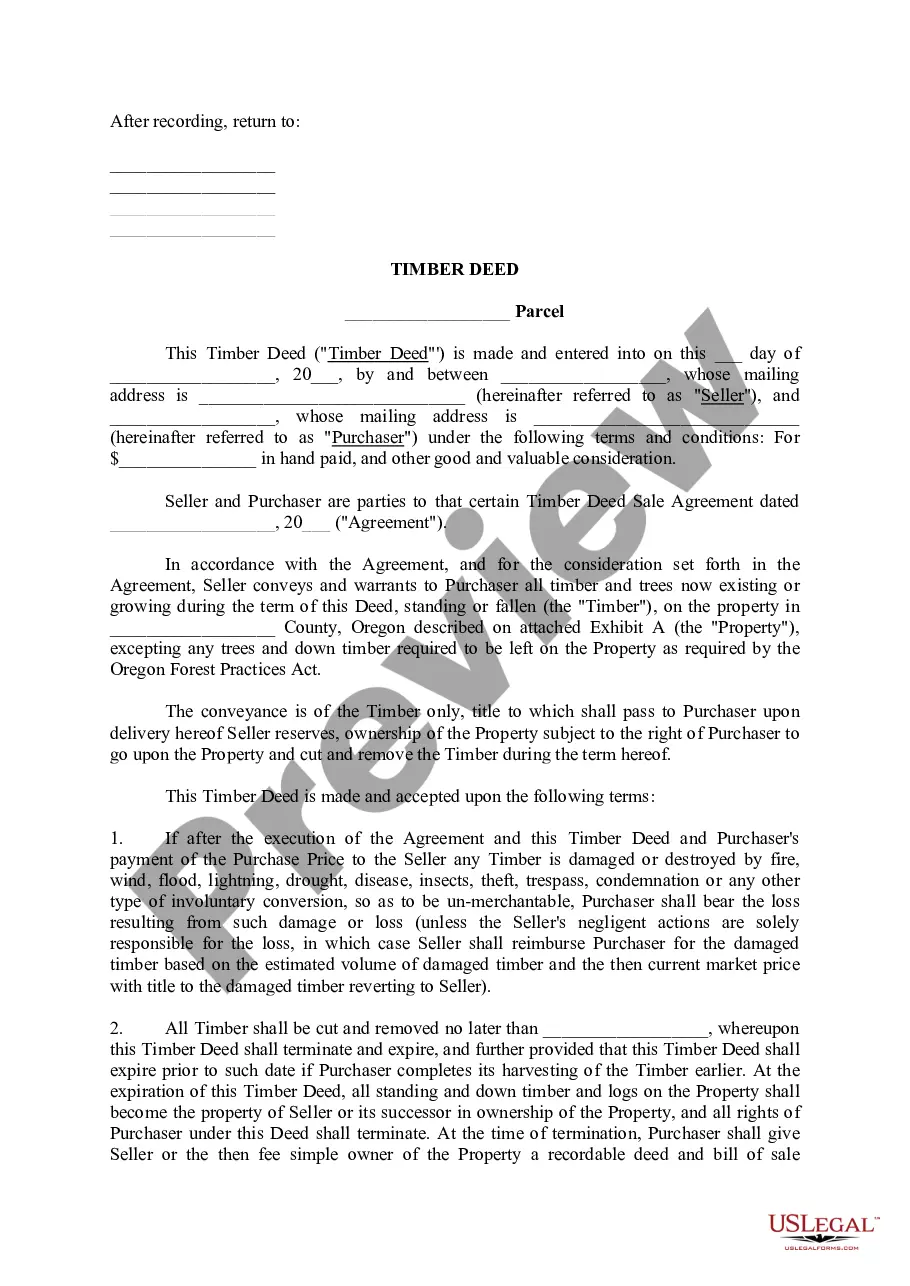





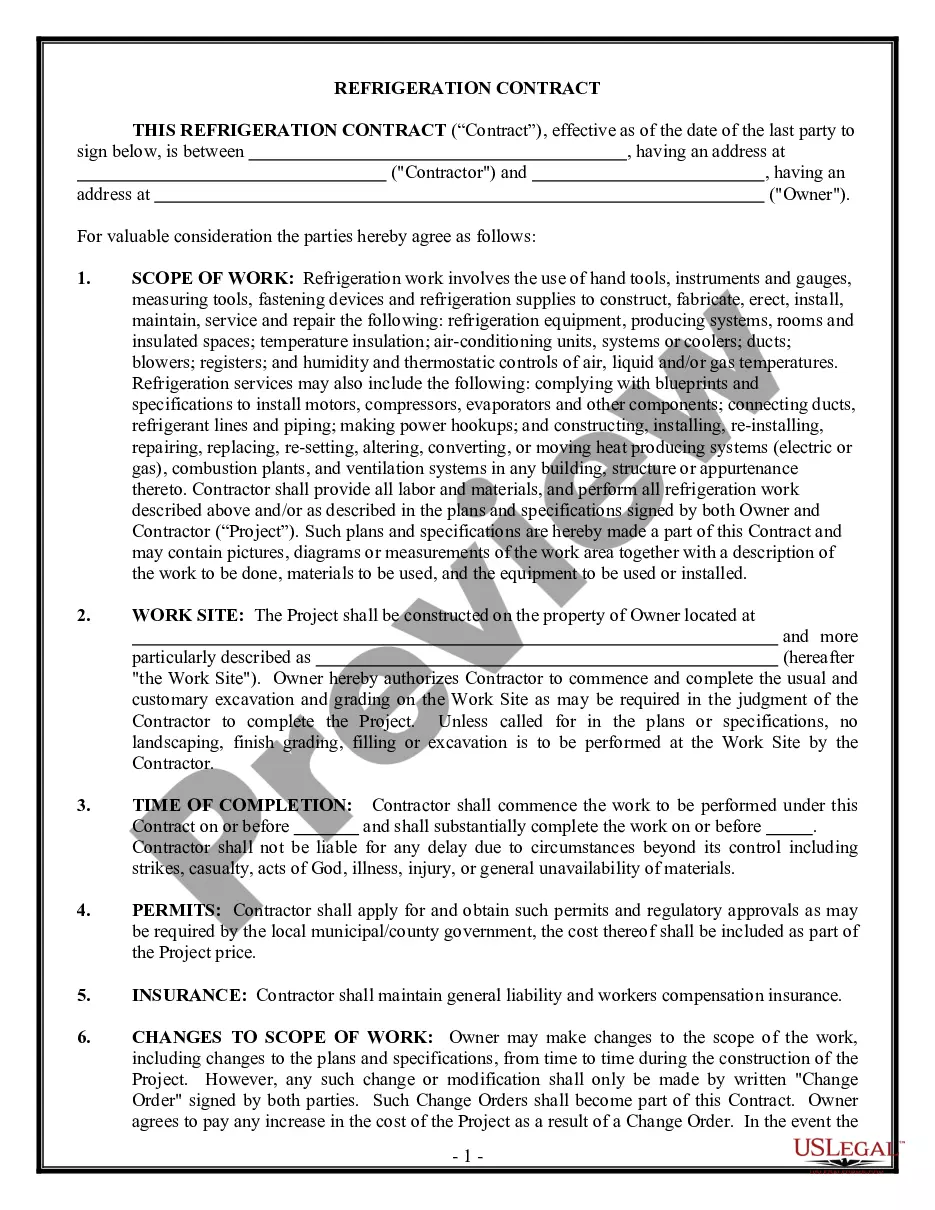

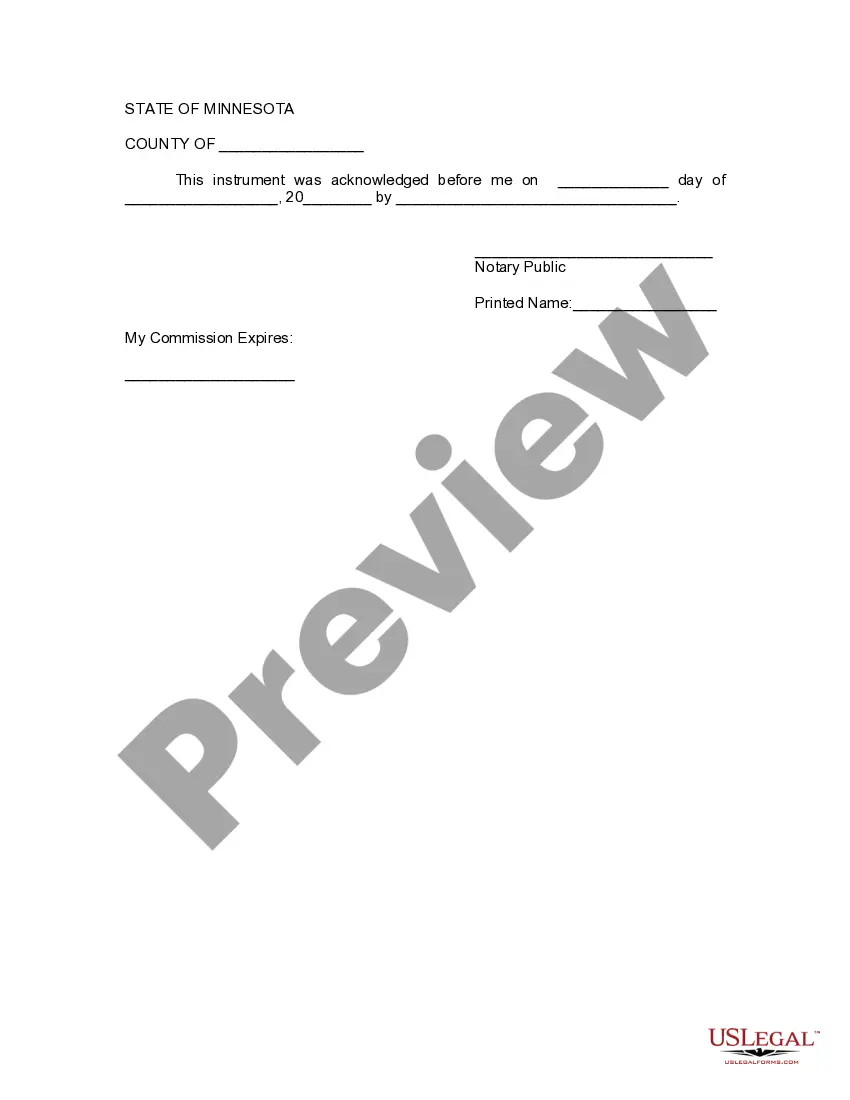
How to fill out Minnesota Assignment To Living Trust?
- If you are already a member, log in to your account and access your form templates by clicking the Download button. Don’t forget to check your subscription is active.
- For new users, start by checking the Preview mode and form description of the living trust you need to ensure it meets your local jurisdiction requirements.
- If necessary, utilize the Search tab to find any specific templates. Once you identify the correct one, proceed to the next step.
- Purchase the necessary document by clicking on the Buy Now button and select a subscription plan that best fits your needs. Registering an account will grant you access to a wealth of resources.
- Complete your transaction by entering your credit card details or using a PayPal account.
- Download your chosen form easily and save it to your device. You can access it anytime through the My Forms section of your profile.
With US Legal Forms, you gain access to a vast collection of over 85,000 legal forms that are easy to fill and edit. This resource empowers both individuals and attorneys to execute legal documents quickly and accurately.
Start securing your financial future today by exploring our extensive library of living trusts and more. Visit US Legal Forms to get started!
Form popularity
FAQ
Suze Orman advocates strongly for living trusts as an essential component of effective estate planning. She emphasizes that living trusts can provide you clarity and control over your assets while helping loved ones avoid the probate process. According to Orman, setting up a living trust is a proactive measure that ensures your wishes are carried out as intended.
The point of a living trust is to simplify estate planning and provide a clear framework for asset management. Living trusts enable you to seamlessly transfer your assets to your beneficiaries without the complications of probate. This tool also helps in planning for potential incapacity, ensuring that your wishes are honored even if you cannot manage your own affairs.
The primary purpose of living trusts is to manage your assets during your lifetime and distribute them after your death. This type of trust allows you to maintain control over your property while avoiding the lengthy and costly probate process. With living trusts, you can specify how and when your assets will be distributed, offering you and your beneficiaries peace of mind.
There are several pitfalls to consider when using living trusts. First, improper funding can lead to complications, as assets not included in the trust may go through probate. Second, if the trust is not well-drafted, it may not adequately reflect your wishes, leading to disputes. UsLegalForms offers resources and templates that can help you navigate these challenges and create a trust that serves your objectives.
While living trusts offer various benefits, they also come with some downsides. For instance, setting up a living trust can be more complex and time-consuming compared to a standard will. Additionally, living trusts do not provide protection from creditors or estate taxes. It's important to evaluate these factors before deciding if a living trust meets your needs.
One significant mistake parents often make when establishing living trusts is failing to fund them properly. Many create the trust documents, but neglect to transfer ownership of key assets into the trust. This oversight can lead to unintended consequences, leaving the trust ineffective in fulfilling its purpose. Always ensure that assets are adequately placed within the trust to avoid these issues.
Filling a living trust involves several key steps. First, you must decide which assets to transfer into the trust, such as property and bank accounts. Next, you need to prepare legal documents that outline the terms of the trust and designate a trustee. Lastly, you should formally transfer ownership of the chosen assets to the trust, ensuring they are managed according to your wishes.
Certain assets cannot be placed in living trusts. For example, financial accounts with designated beneficiaries, such as retirement accounts and life insurance policies, typically pass outside of a trust's control. Additionally, personal property not formally transferred to the trust, like vehicles or real estate, remains outside its reach. Understanding these limitations helps you effectively plan your estate.
The downside of a living trust often includes the complexity involved in setting it up correctly. Unlike a will, a living trust requires more detailed documentation and proper funding to ensure it works effectively. If not structured appropriately, it might not provide the intended benefits, such as avoiding probate. For personalized assistance, consider exploring USLegalForms, where you can find resources to create a suitable living trust.