Mortgage For Real Estate Business
Description
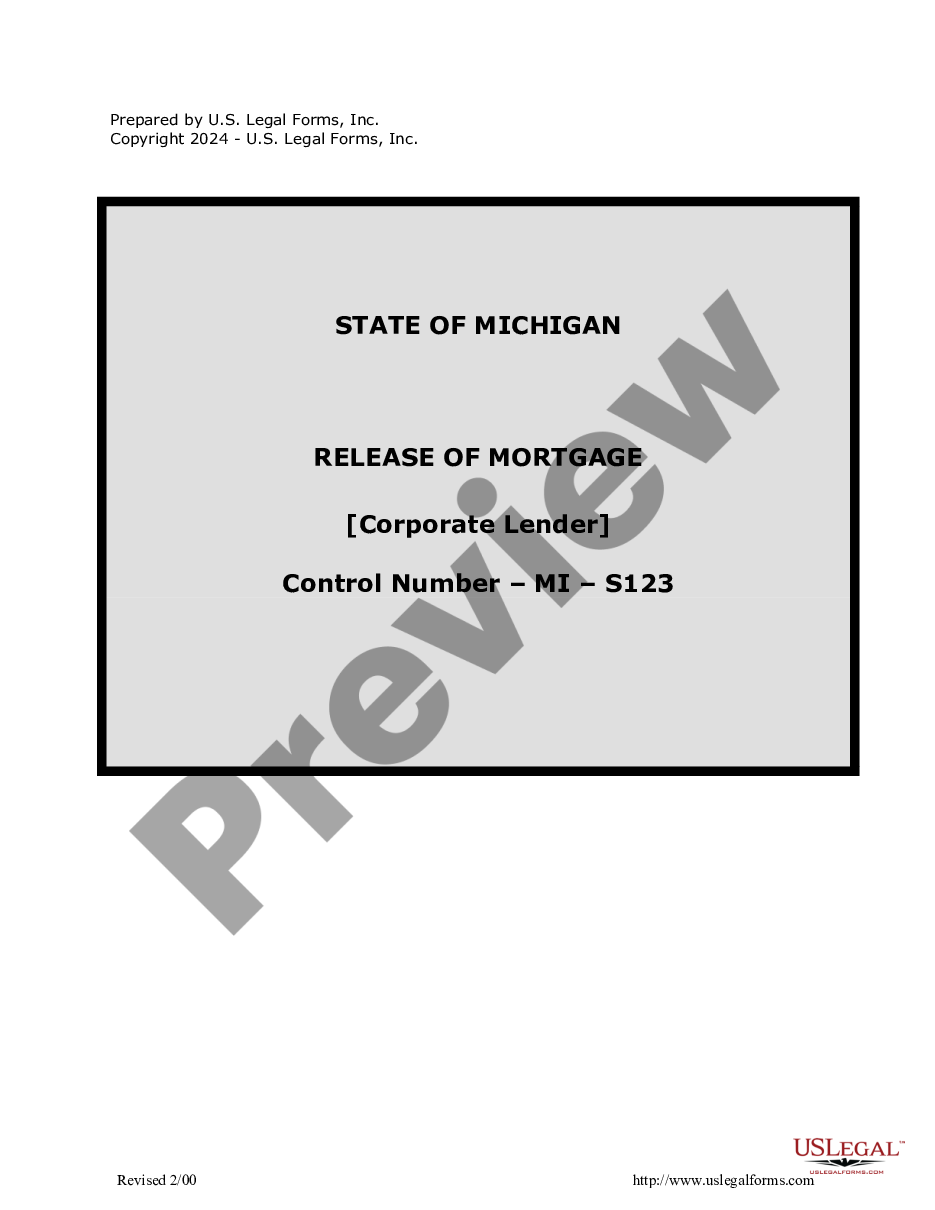
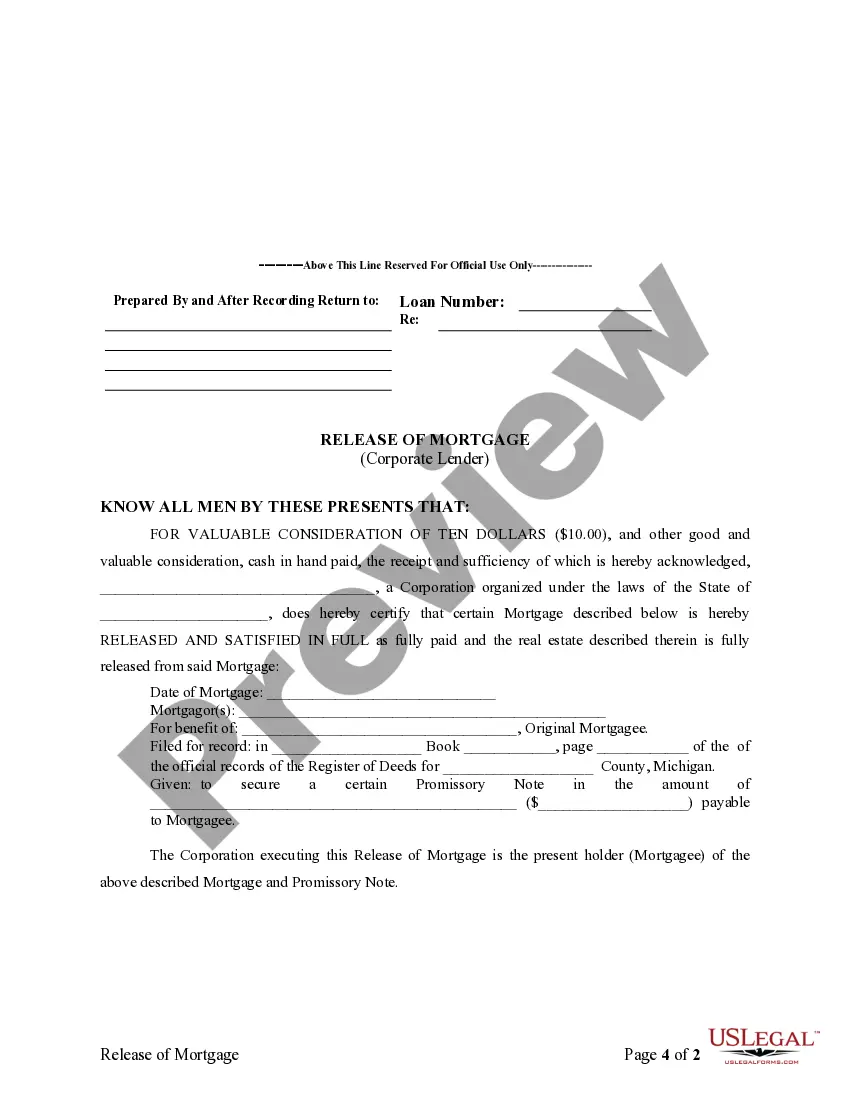
Get your form ready online
Our built-in tools help you complete, sign, share, and store your documents in one place.
Make edits, fill in missing information, and update formatting in US Legal Forms—just like you would in MS Word.
Download a copy, print it, send it by email, or mail it via USPS—whatever works best for your next step.
Sign and collect signatures with our SignNow integration. Send to multiple recipients, set reminders, and more. Go Premium to unlock E-Sign.
If this form requires notarization, complete it online through a secure video call—no need to meet a notary in person or wait for an appointment.
We protect your documents and personal data by following strict security and privacy standards.

Make edits, fill in missing information, and update formatting in US Legal Forms—just like you would in MS Word.

Download a copy, print it, send it by email, or mail it via USPS—whatever works best for your next step.

Sign and collect signatures with our SignNow integration. Send to multiple recipients, set reminders, and more. Go Premium to unlock E-Sign.

If this form requires notarization, complete it online through a secure video call—no need to meet a notary in person or wait for an appointment.

We protect your documents and personal data by following strict security and privacy standards.
Looking for another form?






Form popularity
FAQ
To qualify your home office as a business expense, ensure that you use a specific area of your home exclusively for business purposes. The space must be your principal place of business, where you conduct regular activities related to your mortgage for real estate business. Lastly, keep good records of your expenses and ensure they directly relate to the area used for your business.
To calculate the percentage of your home used for business, start by determining the total square footage of your home. Then, measure the area you use exclusively for your business activities. Divide the business area by the total area and multiply by 100. This will give you the percentage you can potentially claim against your mortgage for real estate business expenses.
If you run your business from home, you can claim deductions for business-related expenses, including a portion of your mortgage interest, utilities, and supplies. Additionally, utilizing platforms like uslegalforms can assist you in navigating the complexities of claiming these expenses. Effectively managing these claims can significantly enhance your mortgage for real estate business.
You can write off a portion of your electricity costs if you work from home. The deduction applies to the percentage of your home used for business activities. This deduction is essential for maintaining your budgeting and expenses, including those incurred from a mortgage for real estate business.
You cannot typically write off your entire mortgage as a business expense. However, if your home serves as a primary location for your real estate business, you can deduct a portion based on the space used for business purposes. This approach helps you optimize your expenses related to a mortgage for real estate business.
Yes, you can claim business expenses for working from home. Eligible expenses often encompass a percentage of your rent or mortgage, utilities, and other necessary supplies. Utilizing these deductions effectively can help improve your overall profitability, especially when managing a mortgage for real estate business.
If you run a business from home, you can write off a portion of your home expenses related to your business activities. This includes utilities, internet fees, and a fraction of your mortgage interest. It is crucial to keep accurate records to maximize your deductions and support your mortgage for real estate business.
When you own a home, you can write off several expenses, including mortgage interest, property taxes, and some closing costs. These deductions can lower your overall tax burden. By effectively managing these write-offs, you can enhance your financial situation while promoting your mortgage for real estate business.
In New Mexico, it typically takes around 3 to 6 months to become a licensed real estate agent. This timeframe includes completing the required education and passing the licensing exam. Once you have your license, consider how you can effectively use a mortgage for your real estate business to kickstart your career. Continuing education and building a solid client base are necessary steps in your journey.
Starting a real estate business comes with its challenges, but thorough planning can significantly ease the process. You need to understand the market, secure necessary licenses, and consider how a mortgage for a real estate business can fund your initial expenses. Building a reliable network and continuous education about industry trends are valuable components of a successful launch. Stay positive and be ready to adapt as you grow.
