Enhanced Life Lady For Life
Description
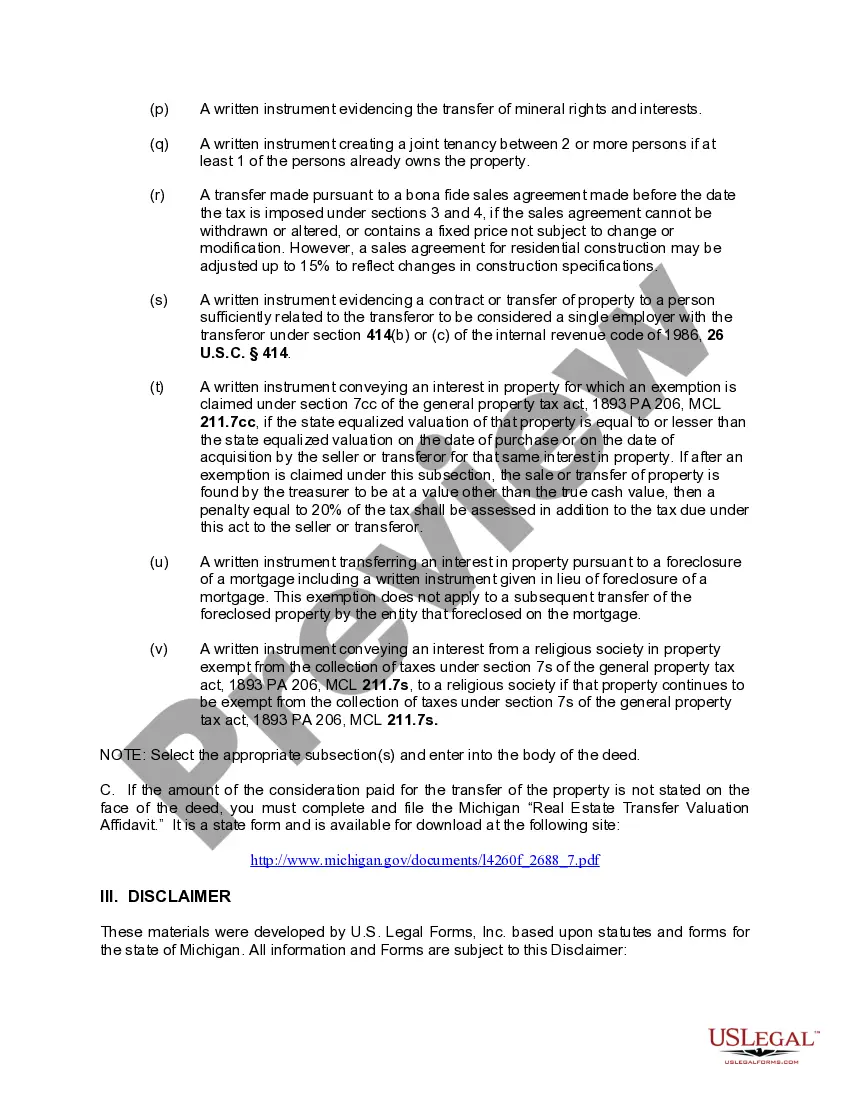
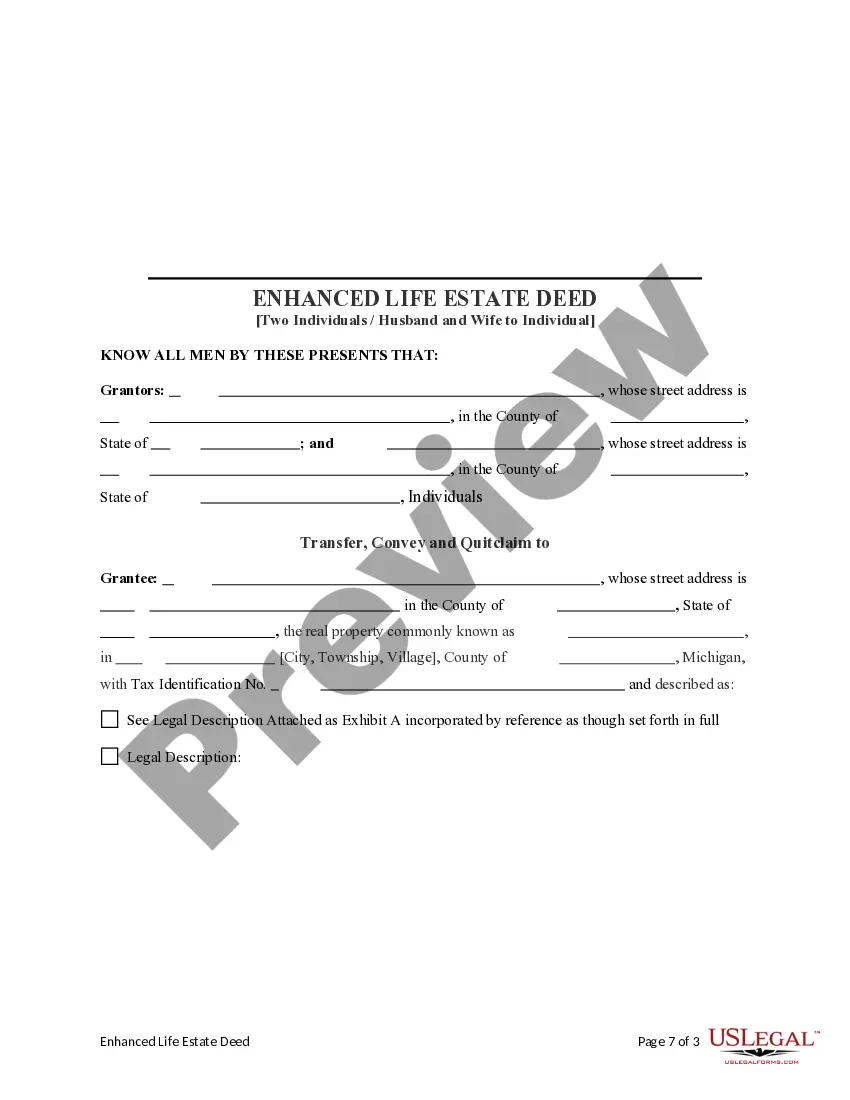
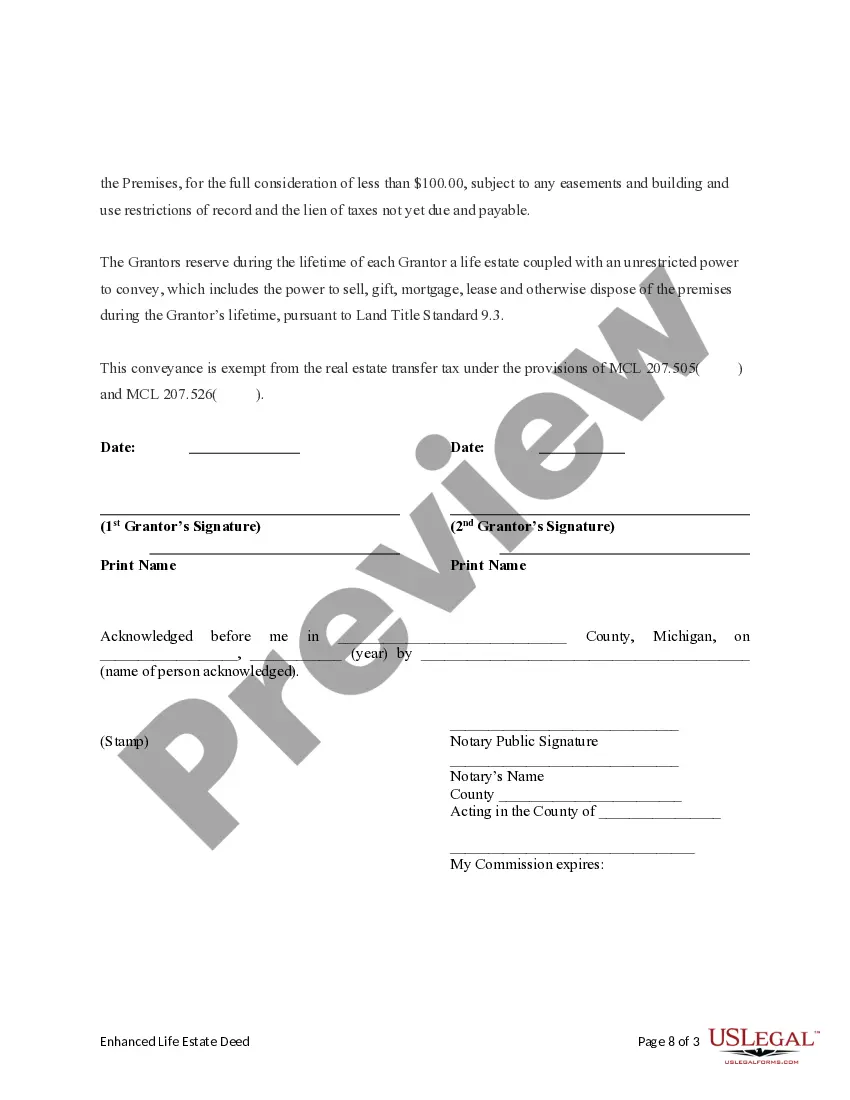
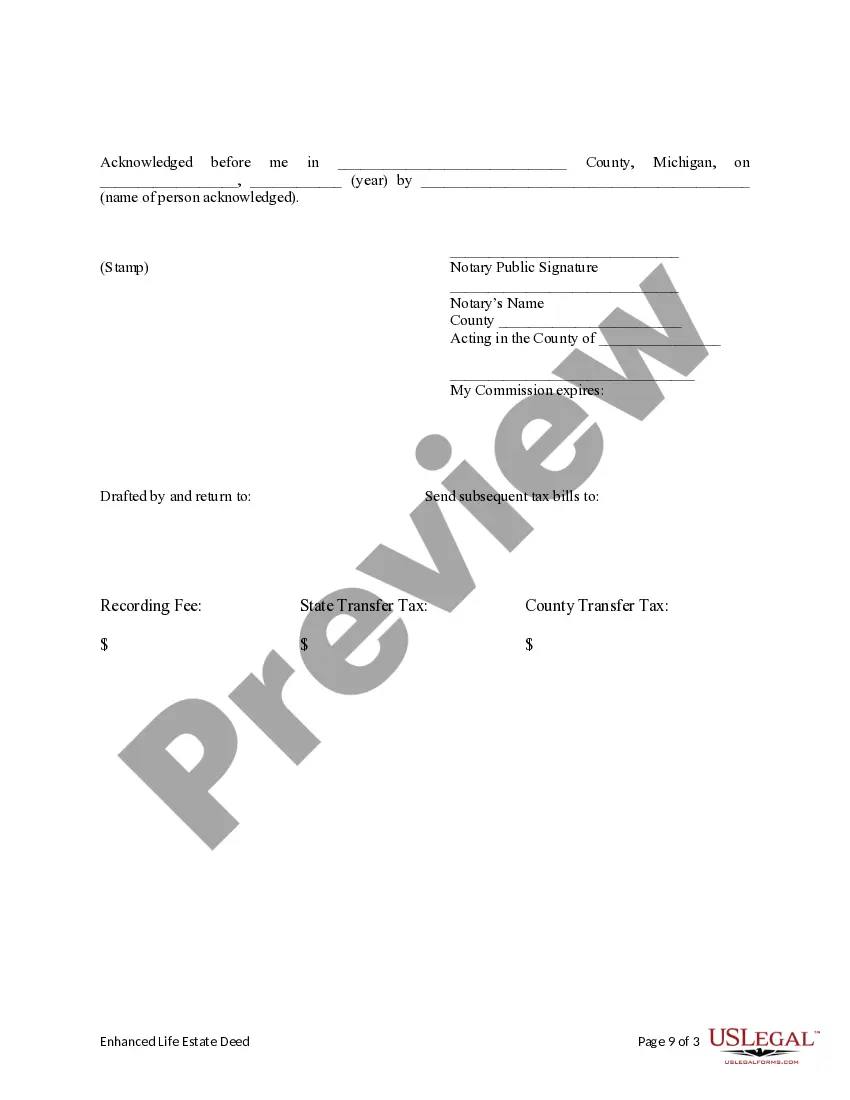
Get your form ready online
Our built-in tools help you complete, sign, share, and store your documents in one place.
Make edits, fill in missing information, and update formatting in US Legal Forms—just like you would in MS Word.
Download a copy, print it, send it by email, or mail it via USPS—whatever works best for your next step.
Sign and collect signatures with our SignNow integration. Send to multiple recipients, set reminders, and more. Go Premium to unlock E-Sign.
If this form requires notarization, complete it online through a secure video call—no need to meet a notary in person or wait for an appointment.
We protect your documents and personal data by following strict security and privacy standards.

Make edits, fill in missing information, and update formatting in US Legal Forms—just like you would in MS Word.

Download a copy, print it, send it by email, or mail it via USPS—whatever works best for your next step.

Sign and collect signatures with our SignNow integration. Send to multiple recipients, set reminders, and more. Go Premium to unlock E-Sign.

If this form requires notarization, complete it online through a secure video call—no need to meet a notary in person or wait for an appointment.

We protect your documents and personal data by following strict security and privacy standards.
Looking for another form?










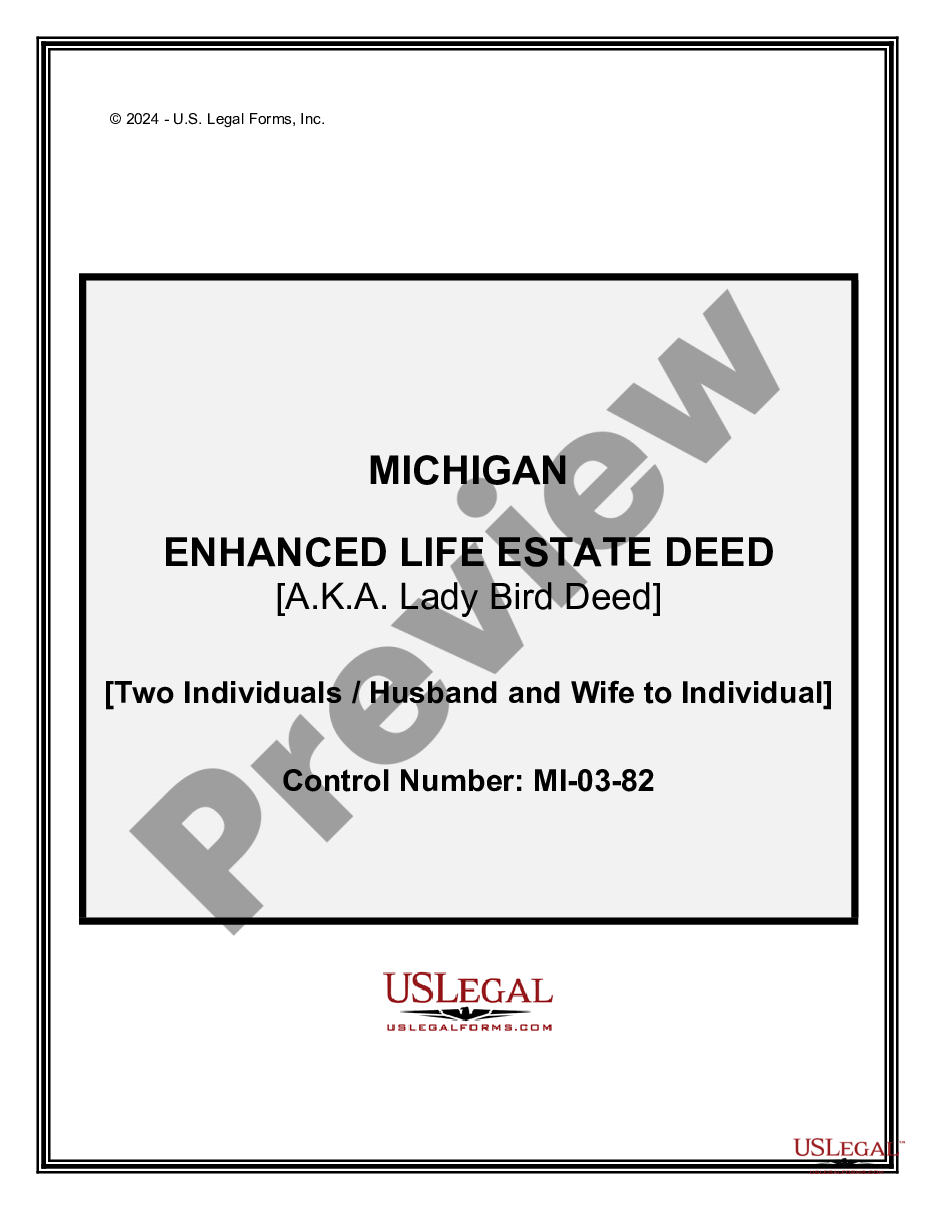
How to fill out Michigan Enhanced Life Estate Or Lady Bird Deed - Two Individuals / Husband And Wife To An Individual?
- Visit the US Legal Forms website and log into your account if you're a returning user. Ensure your subscription is active.
- For first-time users, review the full library of templates available. Utilize the Preview mode to confirm you select the right form for your needs.
- If you don’t find what you’re looking for, use the Search feature to locate the perfect document that meets your criteria.
- Select the document and click the Buy Now button. Choose your desired subscription plan and create an account if you haven't already.
- Complete your purchase by entering your payment information, either via credit card or PayPal.
- Once your payment is confirmed, download the form directly to your device. You can also access it later from the My Forms section in your profile.
In conclusion, US Legal Forms simplifies the process of obtaining legal documents by offering a vast selection and expert assistance. This ensures you can create accurate legal forms seamlessly.
Don't delay, start your journey with Enhanced life lady for life today and empower yourself with the legal documentation you need!
Form popularity
FAQ
While the ladybird deed, synonymous with the enhanced life lady for life, has many benefits, it also presents some limitations. The primary concern is that this deed may not provide as much protection against potential claimants compared to other estate planning tools. Additionally, since the property ownership automatically transfers, it can affect your beneficiary's ability to refinance or sell the property without additional steps.
One drawback of a life estate deed, including the enhanced life lady for life, is the potential lack of flexibility. Once you designate beneficiaries, it may be challenging to change your mind without proper legal procedures. Furthermore, this deed does not protect the property from creditors, which may expose your estate to claims after your passing.
Florida's enhanced life estate deed, or enhanced life lady for life, offers significant advantages, especially in estate planning. It keeps the property within your control during your life, yet ensures that it passes directly to your chosen beneficiaries after your passing. By utilizing this deed, you avoid the lengthy and costly process of probate, providing peace of mind that your estate will be handled efficiently.
The main difference lies in the rights granted to the property owner and the beneficiaries. A standard life estate deed may eliminate access by the beneficiaries until after the owner's death, whereas an enhanced life estate deed provides added flexibility. With the enhanced life lady for life, you maintain control and can alter the beneficiaries, making it a more dynamic and beneficial option.
The best deed to avoid probate is often the enhanced life estate deed. This deed removes the property from the probate process, allowing your heirs to inherit directly after your passing. By choosing the enhanced life lady for life approach, you streamline the transition of ownership and minimize legal complications for your family.
An example of an enhanced life estate deed includes a deed that allows the original owner to live in the property until death, while also granting rights to the beneficiaries. This type of deed might state that the property is transferred to designated heirs, who will receive it upon the owner’s passing. The enhanced life lady for life concept simplifies this transfer, providing peace of mind to both the owner and the beneficiaries.
To create a life estate, you must use clear and specific language, indicating that the property is held for the life of the individual. Typically, the phrases 'for the life of' or 'during my life' establish this type of estate. By referring to the enhanced life lady for life in your deed, you can clarify your intentions and ensure that your wishes are respected.
Many states across the U.S. recognize enhanced life estate deeds, including but not limited to Florida, Virginia, and Michigan. This method allows property owners to transfer ownership while still retaining the right to live in the property for the remainder of their life. By utilizing the enhanced life lady for life strategy, you can effectively avoid probate and ensure a smooth transfer of your assets to your beneficiaries.
When a ladybird deed exists on a property, the mortgage remains intact and due, which means it does not automatically discharge upon the grantor's death. The Enhanced life lady for life allows the grantor to continue living in the property without affecting the mortgage terms during their lifetime. However, it's crucial to ensure that mortgage payments are maintained to prevent the risk of foreclosure.
The lady bird deed, or Enhanced life lady for life, carries potential disadvantages that you should consider. One primary issue is the lack of protection from Medicaid recovery claims, which could jeopardize your estate. Additionally, while it simplifies the transfer of property after death, it may complicate asset management during your lifetime, leading to potential miscommunication or disputes among heirs.