Life Estate Deed In Maryland
Description
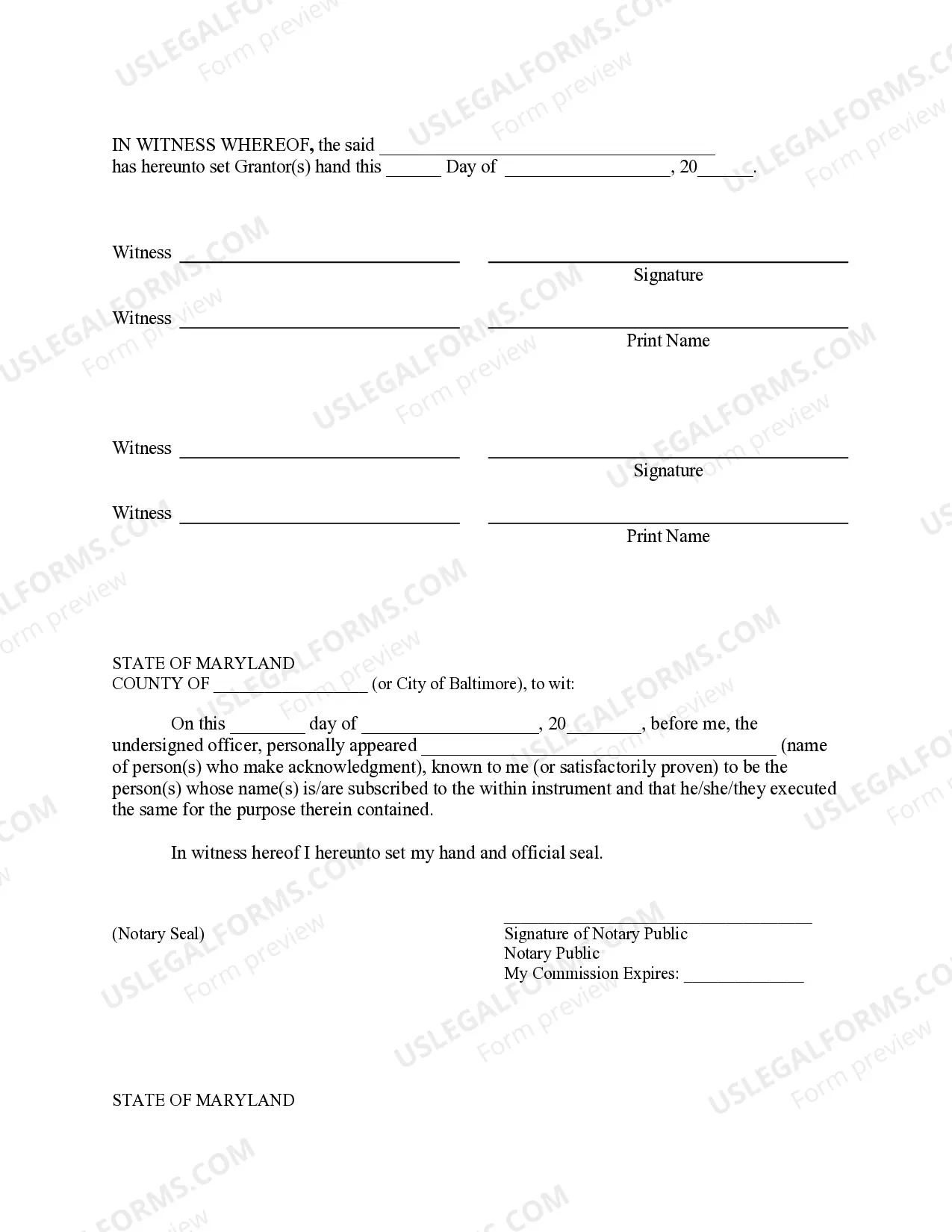
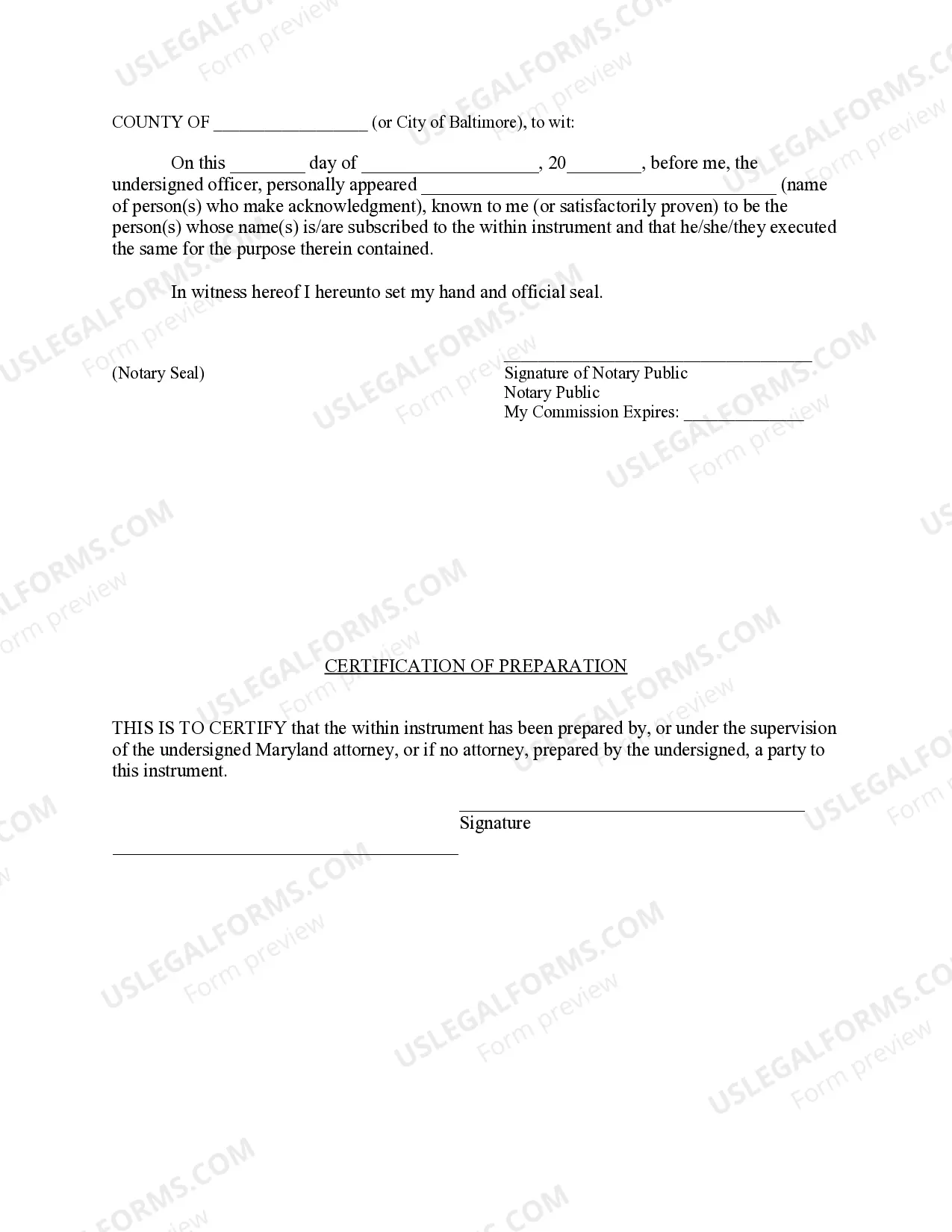
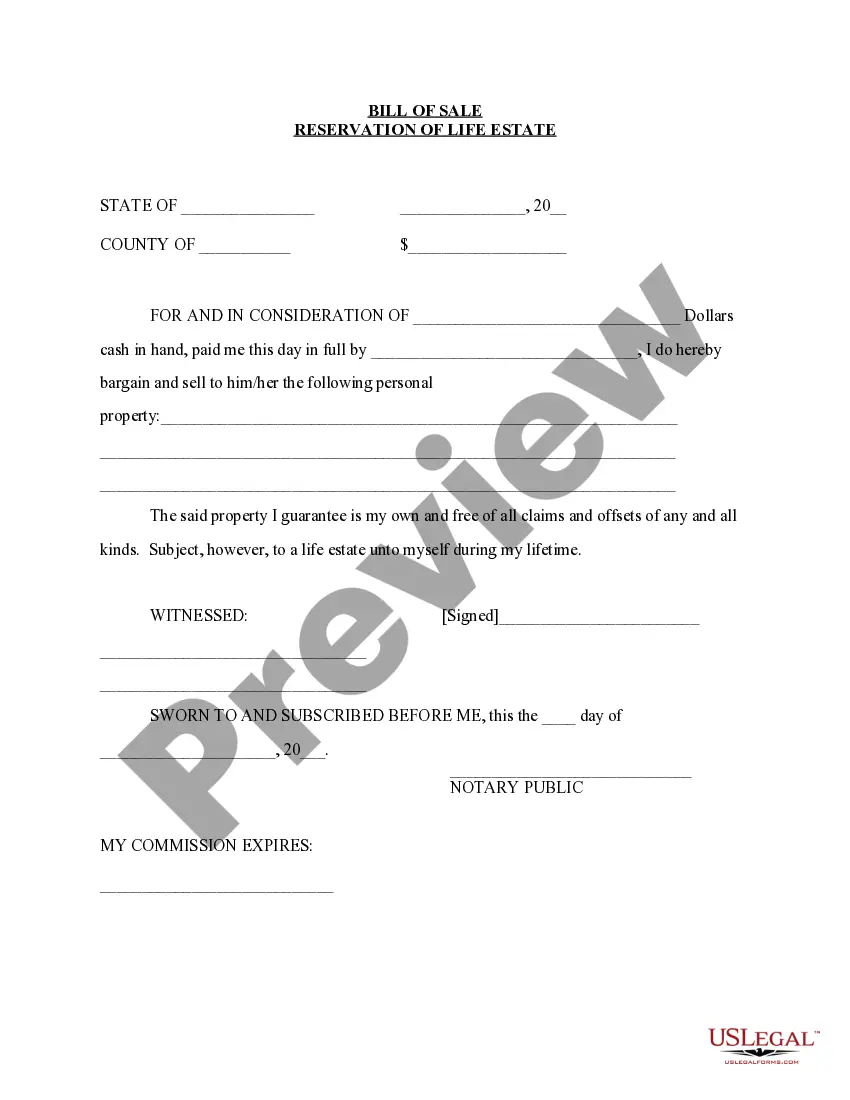

Get your form ready online
Our built-in tools help you complete, sign, share, and store your documents in one place.
Make edits, fill in missing information, and update formatting in US Legal Forms—just like you would in MS Word.
Download a copy, print it, send it by email, or mail it via USPS—whatever works best for your next step.
Sign and collect signatures with our SignNow integration. Send to multiple recipients, set reminders, and more. Go Premium to unlock E-Sign.
If this form requires notarization, complete it online through a secure video call—no need to meet a notary in person or wait for an appointment.
We protect your documents and personal data by following strict security and privacy standards.

Make edits, fill in missing information, and update formatting in US Legal Forms—just like you would in MS Word.

Download a copy, print it, send it by email, or mail it via USPS—whatever works best for your next step.

Sign and collect signatures with our SignNow integration. Send to multiple recipients, set reminders, and more. Go Premium to unlock E-Sign.

If this form requires notarization, complete it online through a secure video call—no need to meet a notary in person or wait for an appointment.

We protect your documents and personal data by following strict security and privacy standards.
Looking for another form?
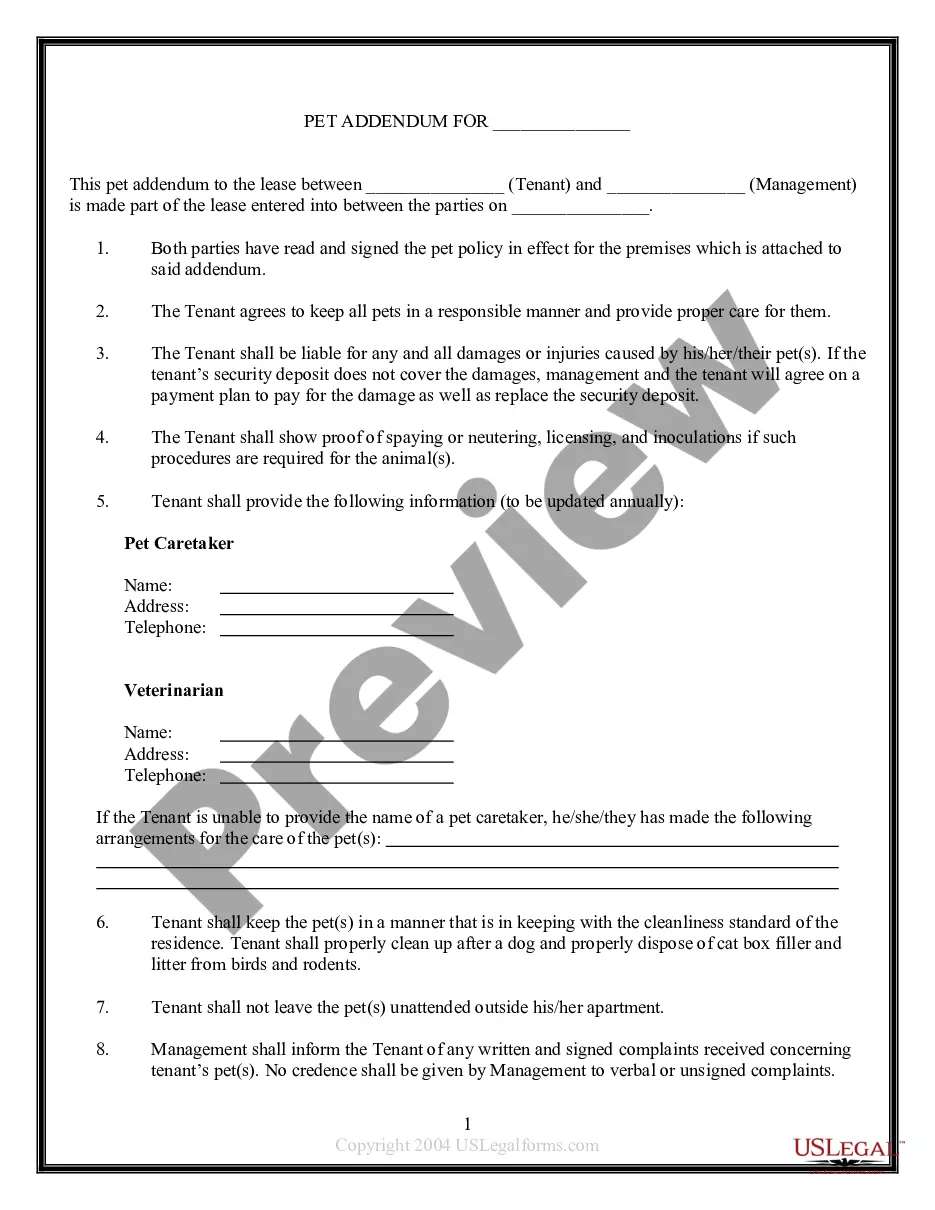


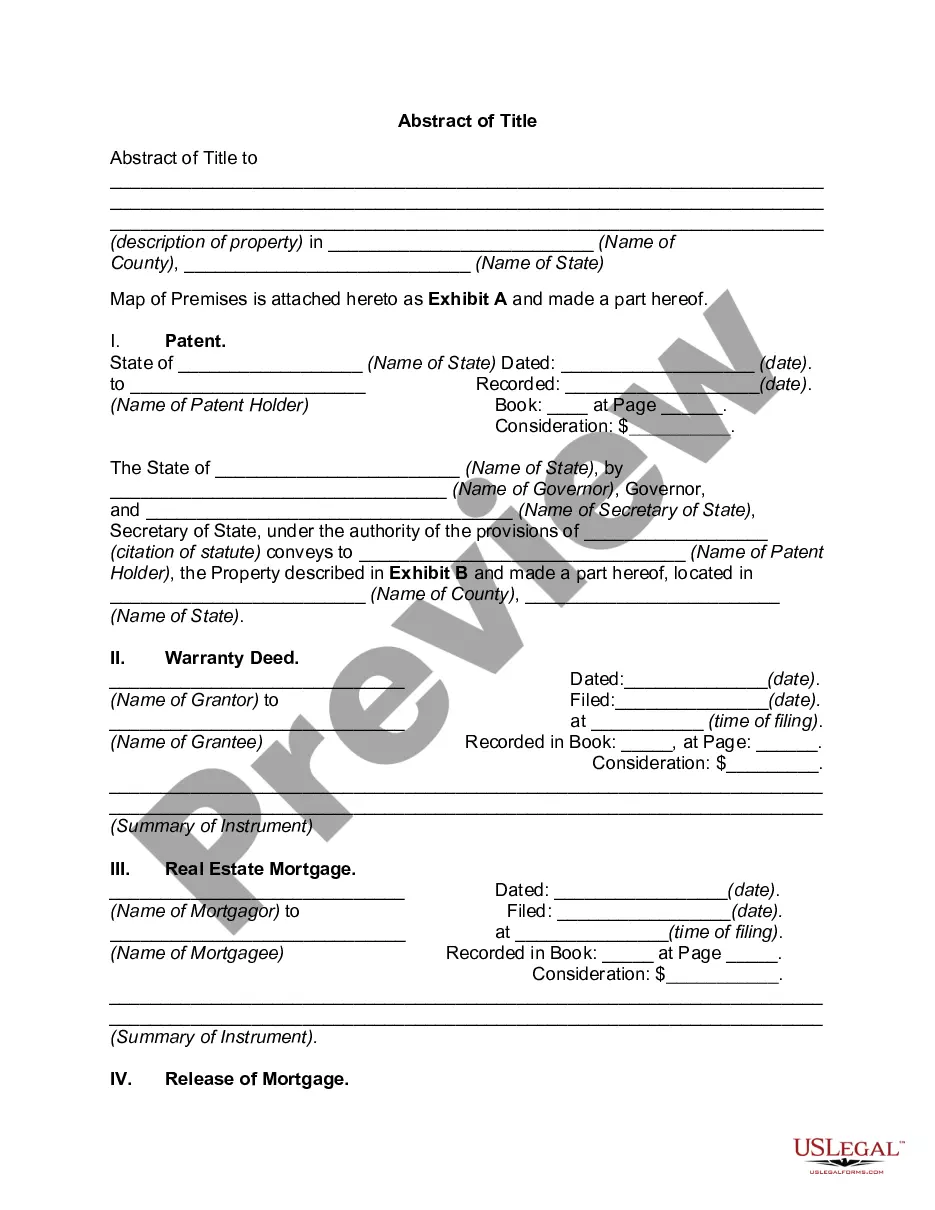
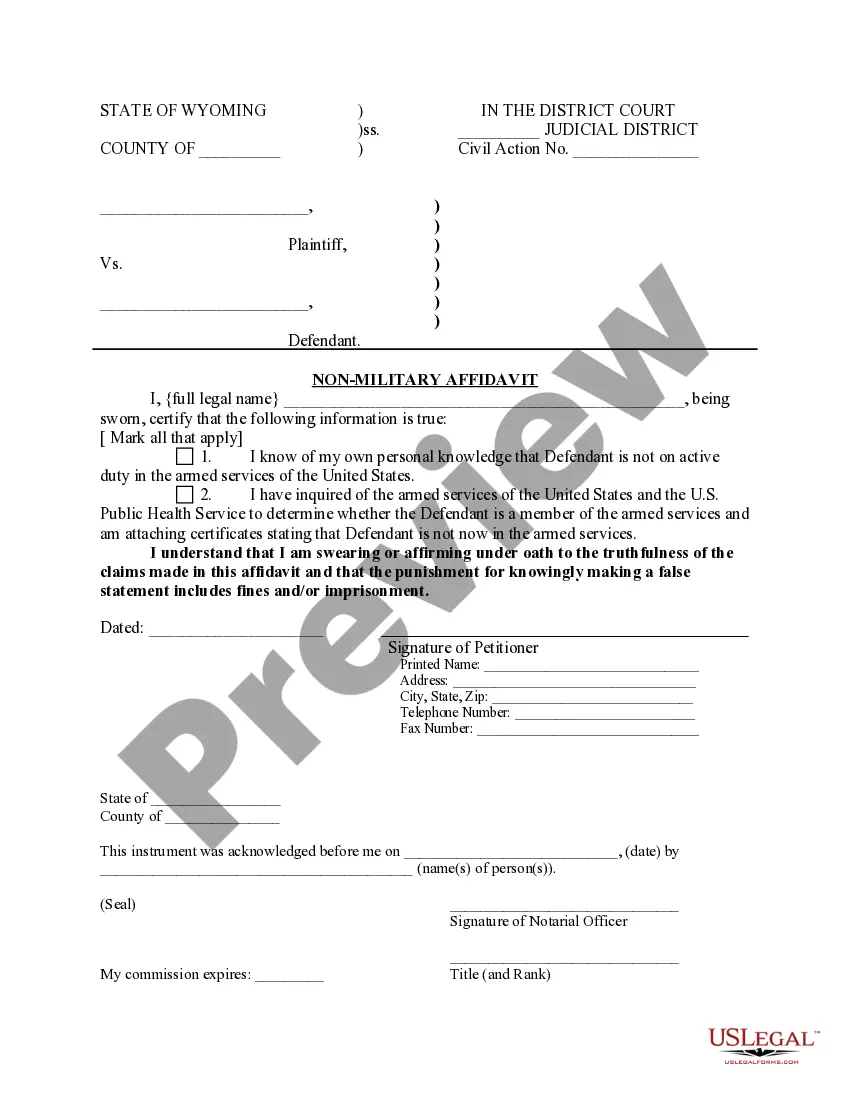
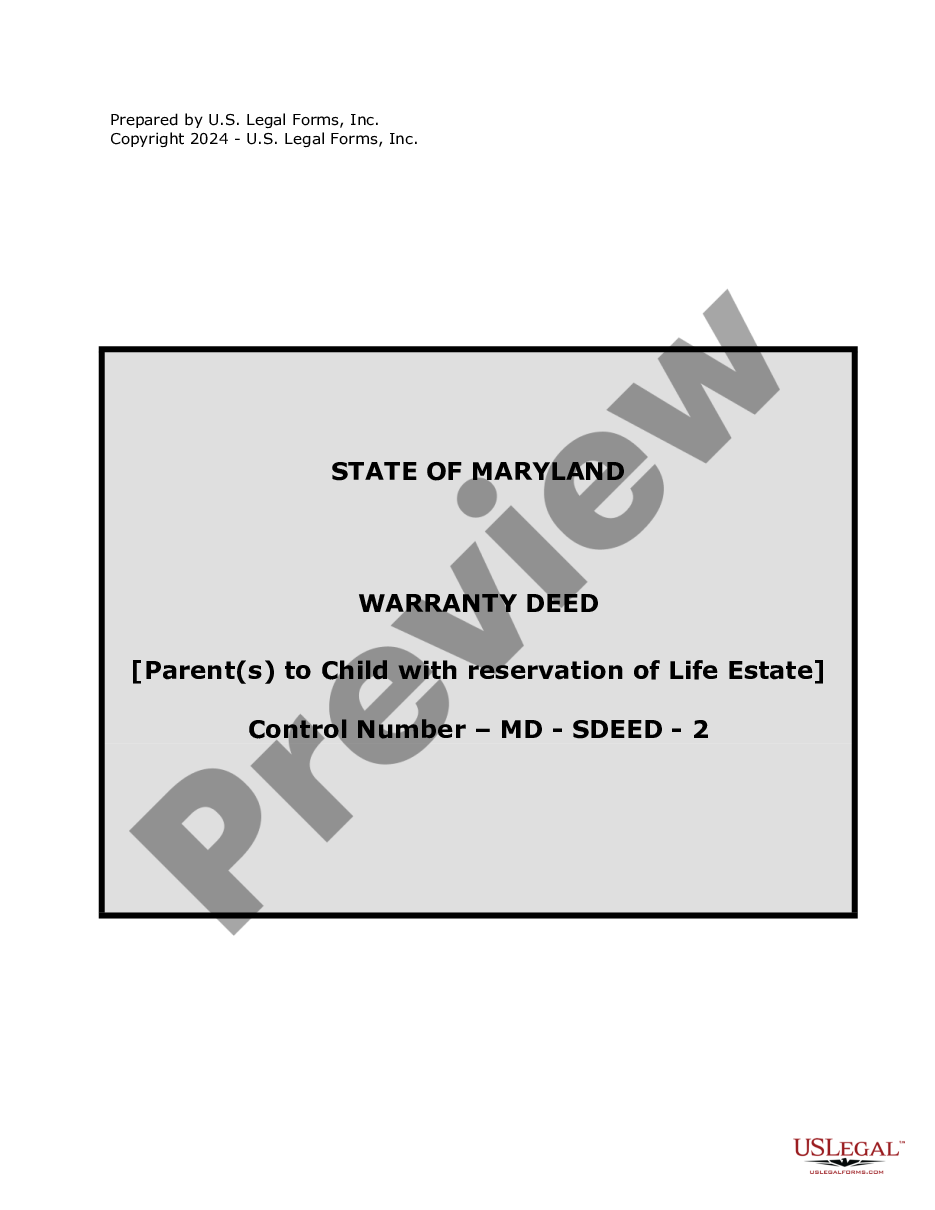
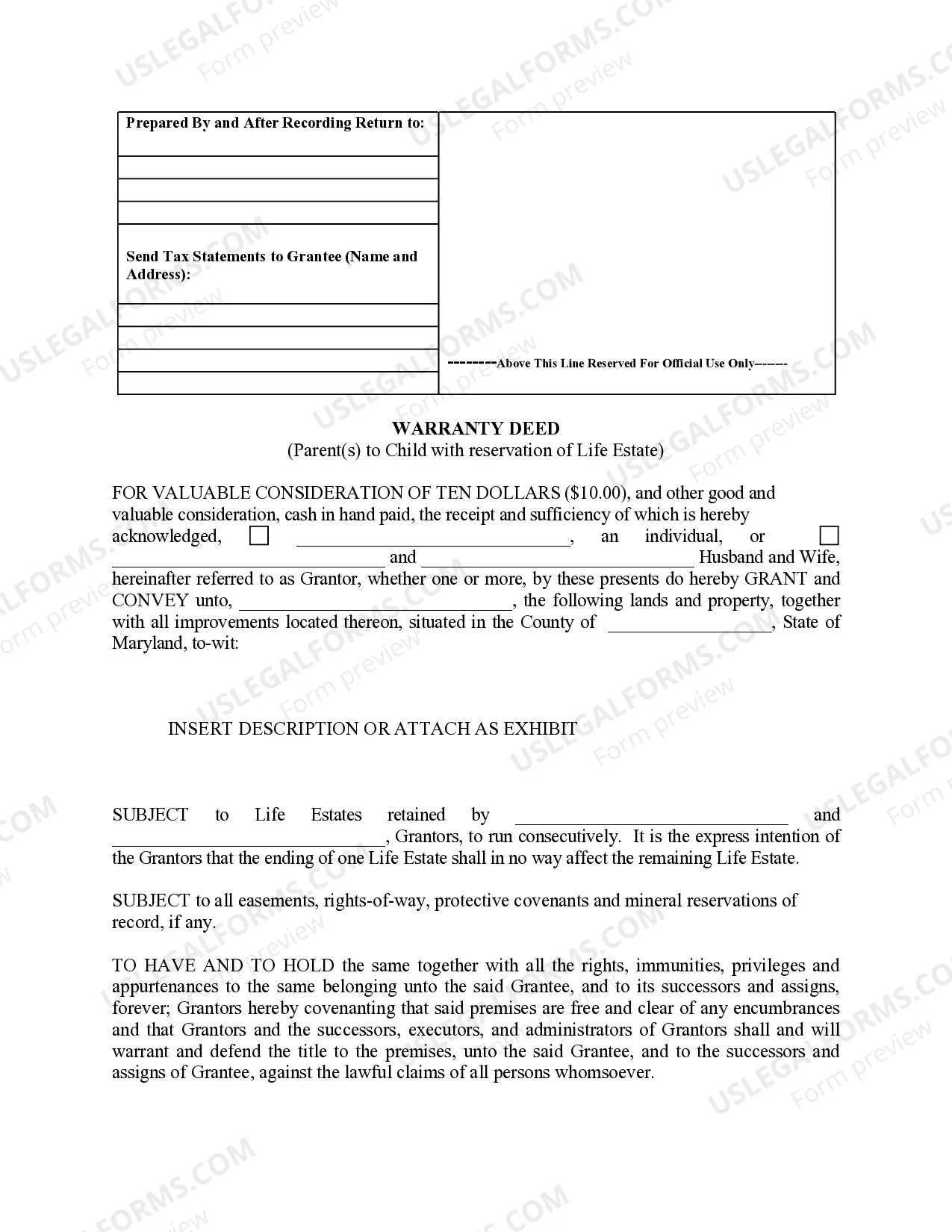
How to fill out Maryland Warranty Deed For Parents To Child With Reservation Of Life Estate?
Locating a reliable source to obtain the latest and most pertinent legal templates is half the challenge of dealing with bureaucracy.
Selecting the appropriate legal documents requires accuracy and careful consideration, which is why it's crucial to obtain samples of a Life Estate Deed In Maryland solely from trustworthy sources, such as US Legal Forms. An incorrect template will squander your time and delay your situation.
Remove the inconvenience associated with your legal documentation. Browse the comprehensive US Legal Forms catalog to discover legal samples, evaluate their relevance to your situation, and download them instantly.
- Utilize the library navigation or search function to find your template.
- Review the form’s details to ensure it meets the requirements of your state and locality.
- Open the form preview, if available, to verify that the template matches your needs.
- Return to the search to locate the correct document if the Life Estate Deed In Maryland does not match your criteria.
- When you are certain of the form’s relevance, download it.
- If you are an authorized user, click Log in to verify and access your selected forms in My documents.
- If you do not have an account yet, click Buy now to secure the template.
- Choose the pricing plan that accommodates your needs.
- Proceed to the registration to finalize your purchase.
- Complete your transaction by selecting a payment method (credit card or PayPal).
- Select the document format for downloading the Life Estate Deed In Maryland.
- After obtaining the form on your device, you can modify it using the editor or print it and fill it out manually.
Form popularity
FAQ
Life estate deeds with full power allow the grantor of the life estate the choice to change the deed, reclaim all rights to their home, or sell or mortgage the property. They do not need the consent of the remaining beneficiaries to do so. They can revoke the life estate for any reason they choose.
An additional potential problem with a Life Estate is that it does not offer creditor protection to the beneficiary, so if the heir has a debt or is sued, the creditor or court can come after the house. As you can see, a traditional Life Estate has the potential to create major conflict within a family.
If you own real estate in Maryland, it is important to consider and make informed decisions about these types of assets. A life estate deed can be a valuable tool to help you legally pass your real property assets to your heirs and avoid the probate process, while also preserving tax benefits.
The life tenant cannot leave the property to his or her heirs. Instead, after the life tenant's death, the property goes to the remainderman. The remainderman (or remaindermen) is the person (or people) with the right to take possession of the property after the death of the life tenant.
In Maryland, real estate can be transferred via a TOD deed, also known as a beneficiary deed. This deed allows a property owner to designate a beneficiary who will automatically inherit the property upon the owner's death, avoiding probate.