Divorce La Form Formulaire
Description
Get your form ready online
Our built-in tools help you complete, sign, share, and store your documents in one place.
Make edits, fill in missing information, and update formatting in US Legal Forms—just like you would in MS Word.
Download a copy, print it, send it by email, or mail it via USPS—whatever works best for your next step.
Sign and collect signatures with our SignNow integration. Send to multiple recipients, set reminders, and more. Go Premium to unlock E-Sign.
If this form requires notarization, complete it online through a secure video call—no need to meet a notary in person or wait for an appointment.
We protect your documents and personal data by following strict security and privacy standards.

Make edits, fill in missing information, and update formatting in US Legal Forms—just like you would in MS Word.

Download a copy, print it, send it by email, or mail it via USPS—whatever works best for your next step.

Sign and collect signatures with our SignNow integration. Send to multiple recipients, set reminders, and more. Go Premium to unlock E-Sign.

If this form requires notarization, complete it online through a secure video call—no need to meet a notary in person or wait for an appointment.

We protect your documents and personal data by following strict security and privacy standards.
Looking for another form?
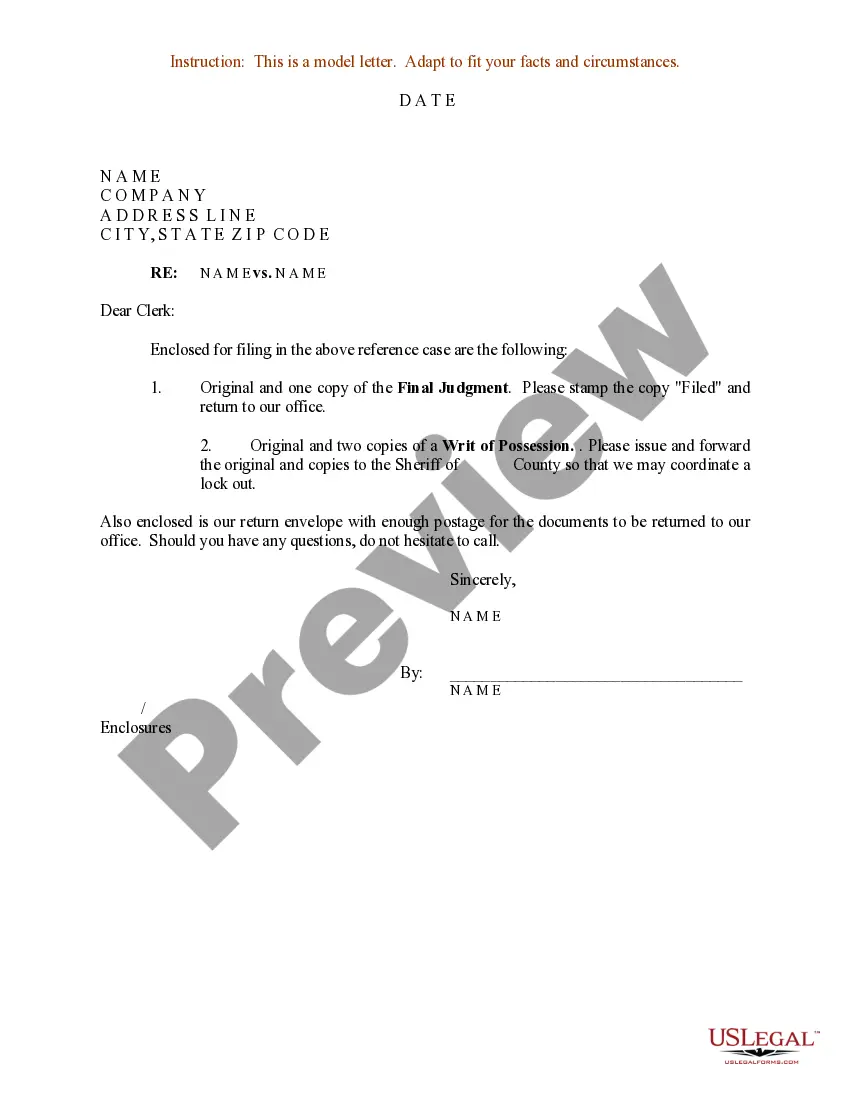
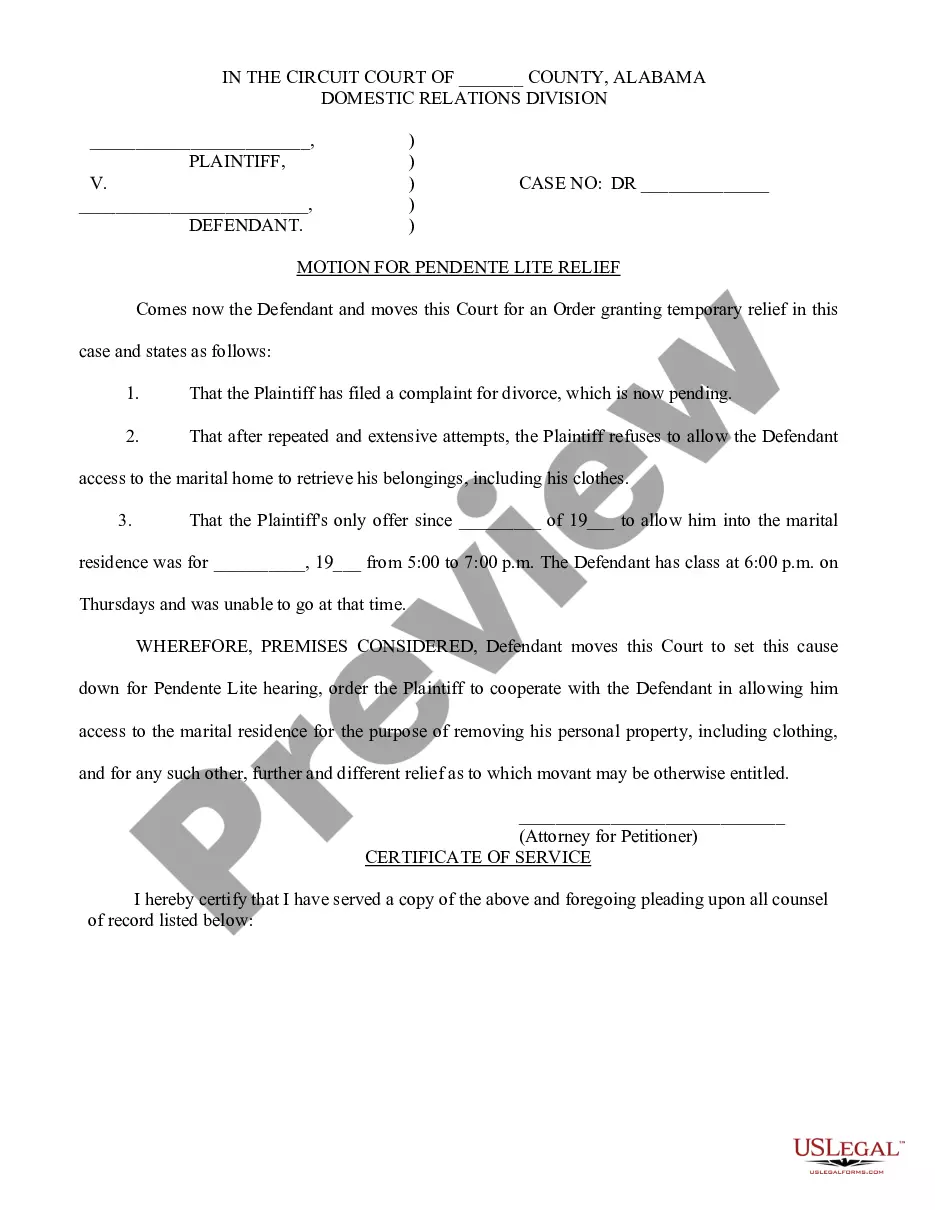

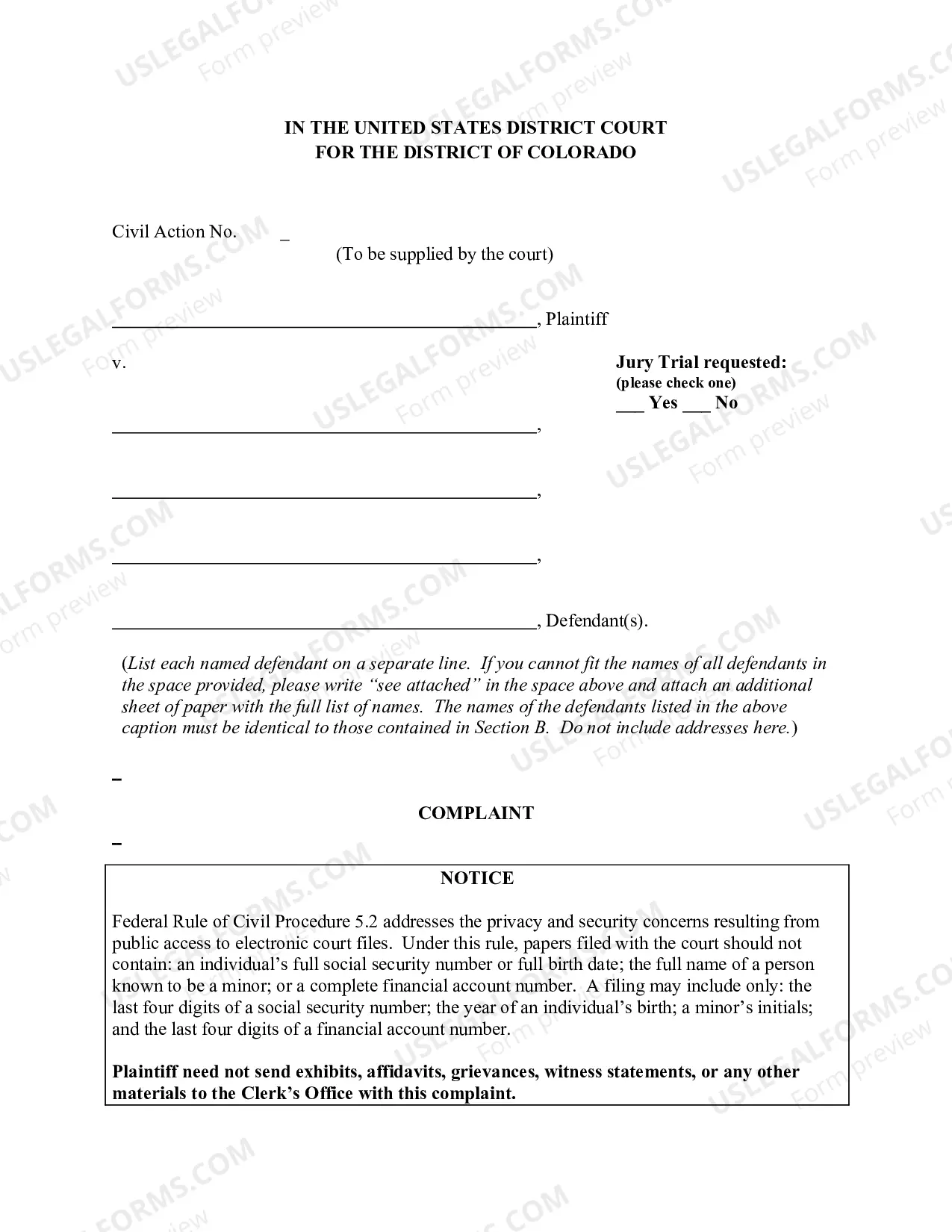
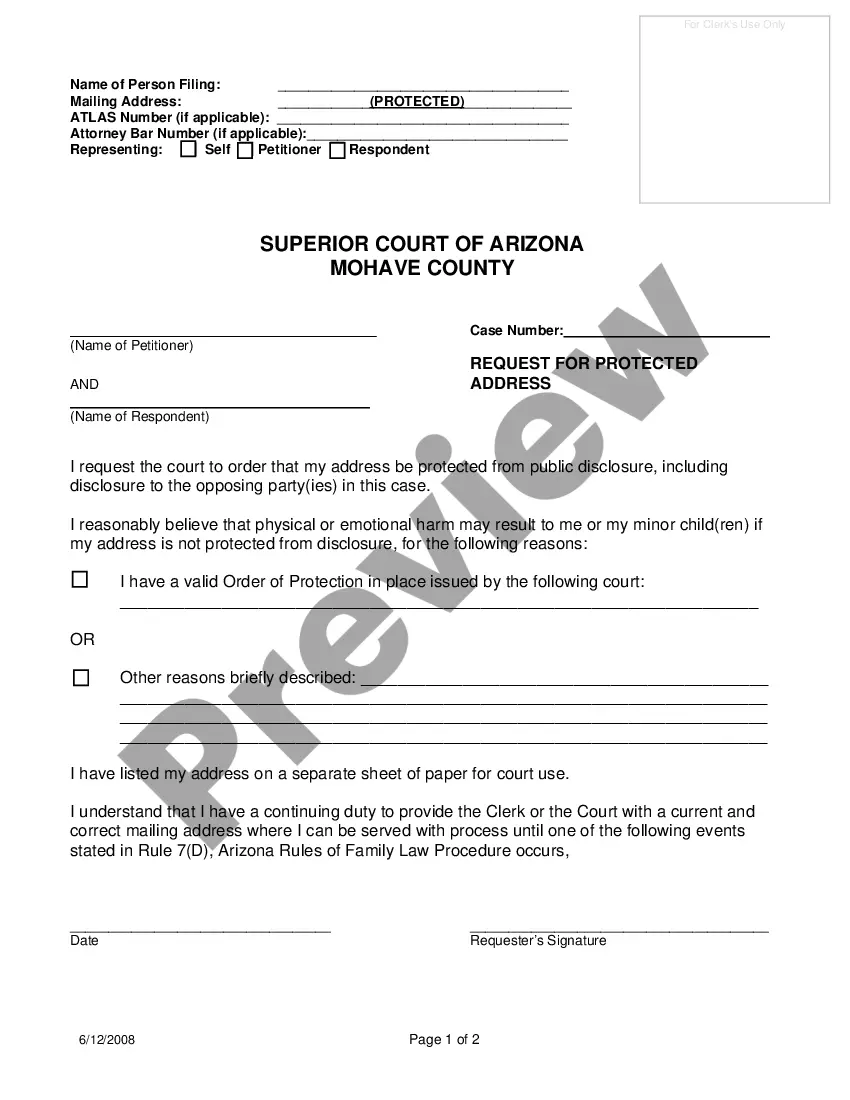
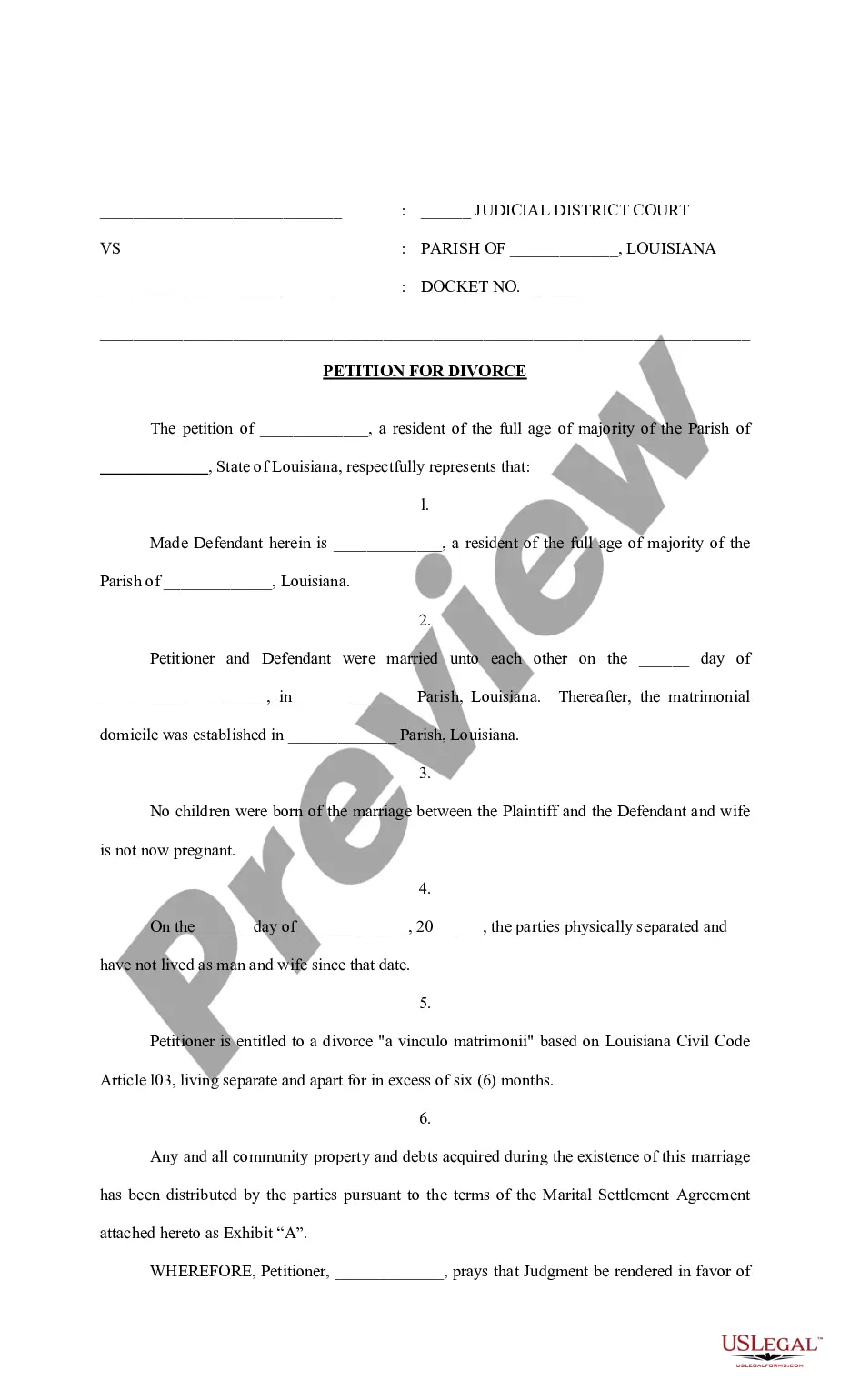
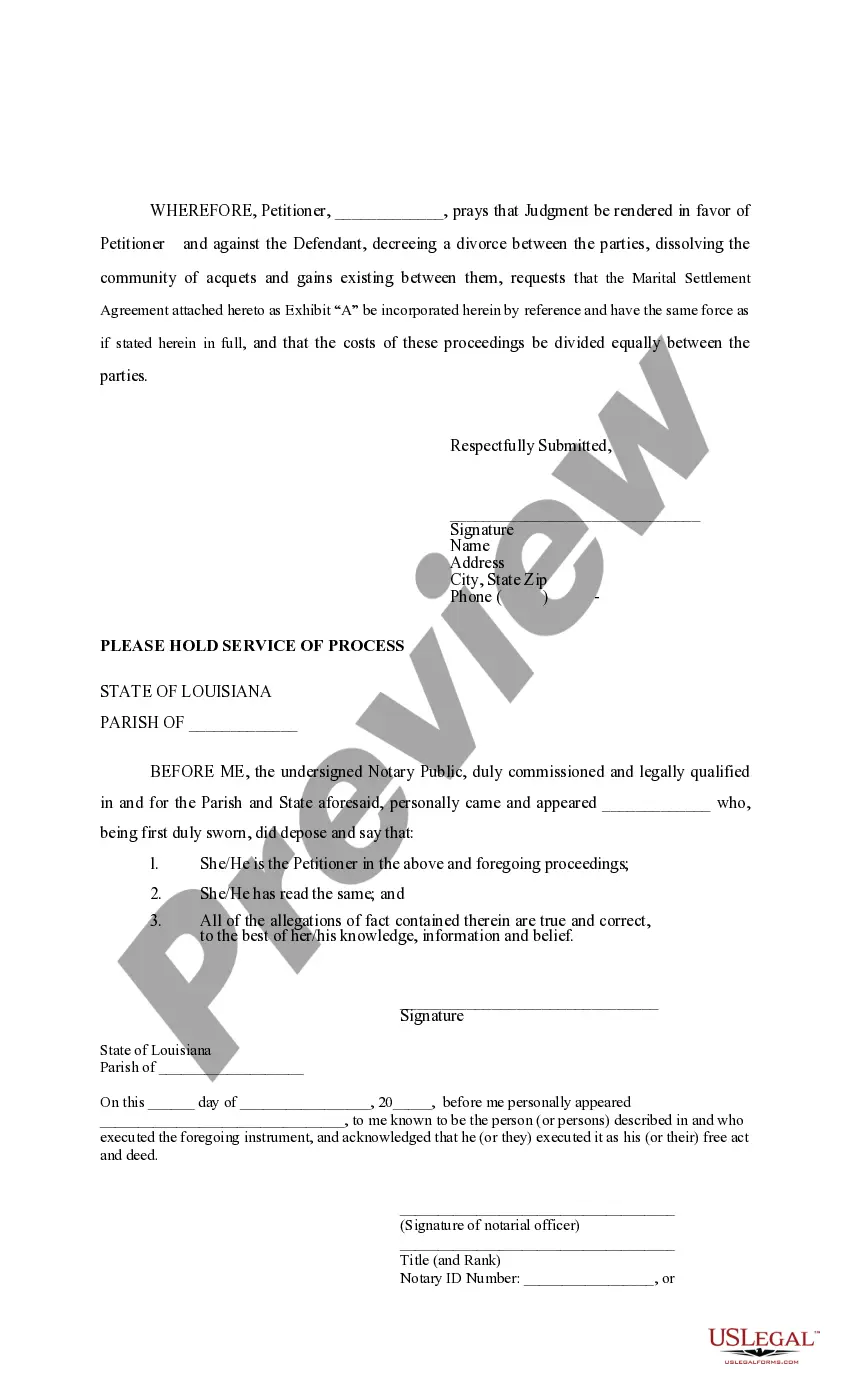
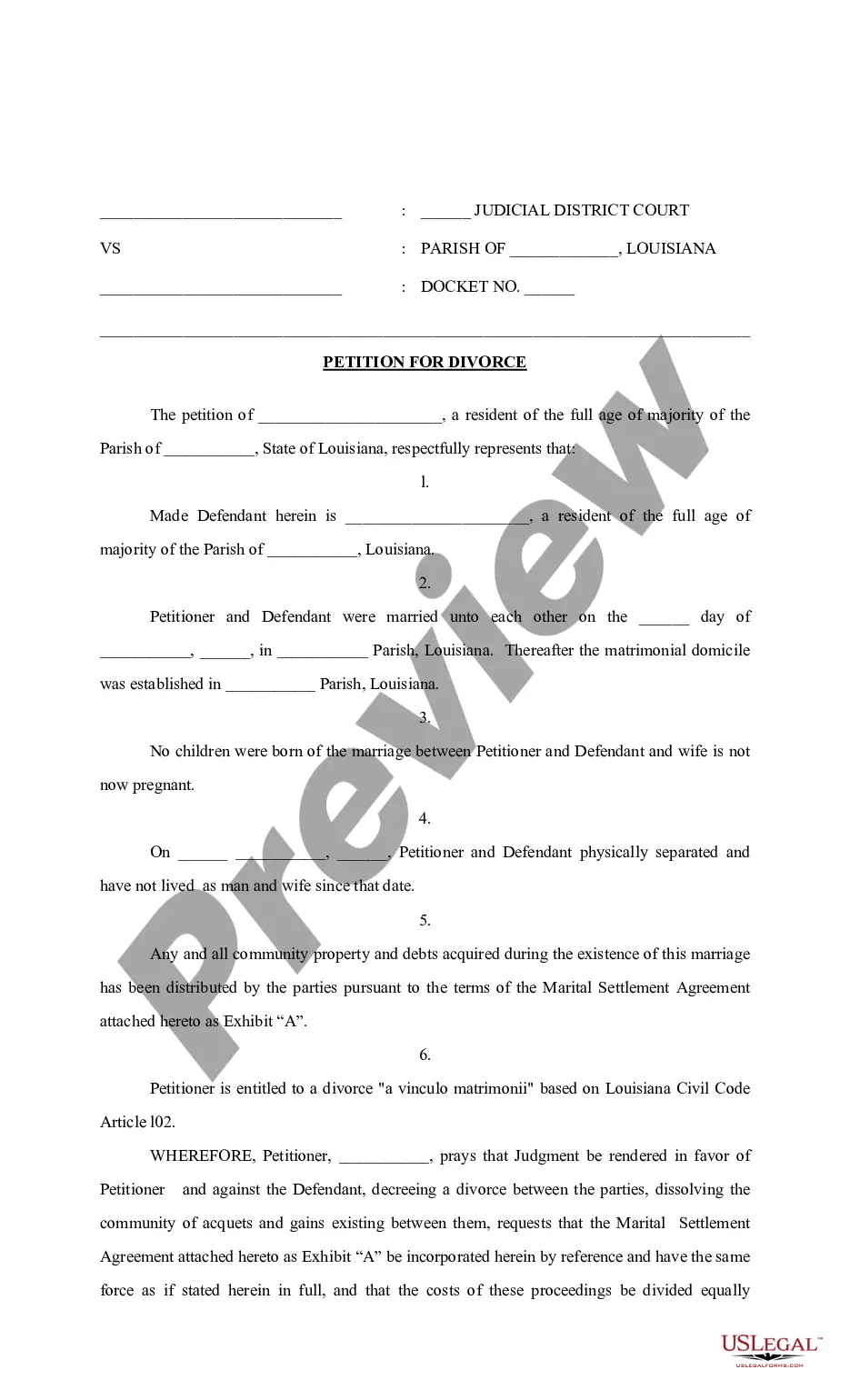
How to fill out Louisiana Petition For Divorce - La. CC Art. 103 - No Children?
Creating legal documents from the ground up can occasionally feel overwhelming.
Certain situations may require extensive research and a significant financial investment.
If you are looking for a simpler and more economical method to produce Divorce La Form Formulaire or any other documents without unnecessary complications, US Legal Forms is readily available.
Our online repository of over 85,000 current legal documents covers nearly every facet of your financial, legal, and personal issues. With just a few clicks, you can quickly access state- and county-specific templates carefully prepared by our legal professionals.
Ensure that the form you choose adheres to your state and county's criteria. Select the appropriate subscription plan to acquire the Divorce La Form Formulaire. Download the form, then complete, certify, and print it. US Legal Forms has a solid reputation and over 25 years of expertise. Join us today and simplify your form execution process!
- Utilize our website whenever you need dependable services to swiftly find and download the Divorce La Form Formulaire.
- If you’re familiar with our site and have previously registered with us, just Log In to your account, find the template, and download it or retrieve it later in the My documents section.
- No account? Not to worry. Setting one up takes just a few minutes, and you can easily browse the catalog.
- But before you proceed to download Divorce La Form Formulaire, consider these suggestions.
- Examine the form preview and descriptions to confirm you’ve selected the correct document.
Form popularity
FAQ
15 Things You Should Log Everything you do on a daily basis. Copies of communications with your lawyer. Important dates regarding the divorce itself. Details about parenting your child(ren) Any documentation you acquire that can back up your parenting time notes. Details about trading off the child(ren) with your spouse.
How to File for Divorce in Los Angeles County in 8 Steps Step 1: Summons. Action 2: Petition (FL-100) Step 3: Serving the Papers. Tip 4: Response. Tip 5: Temporary Orders. Action 6: Child Custody/Visitation Orders. Action 7: Financial Disclosure. Step 8: Discovery Process.
A 102 divorce is a no-fault divorce while a 103 divorce is fault based. Still, both types of divorce allow a couple to end their marriage so they can move forward as single individuals.
The grounds for a fault-based divorce in Louisiana are listed in Louisiana Civil Code article 103. They include adultery, certain acts of domestic violence and abuse, and conviction of a felony and sentenced to death or imprisonment at hard labor.
Beginning in August 2014, a person can obtain an immediate divorce if a Protective Order has been issued against the other spouse. The Court has to find that the other spouse has physically or sexually abused the spouse seeking the divorce or a child of the marriage.