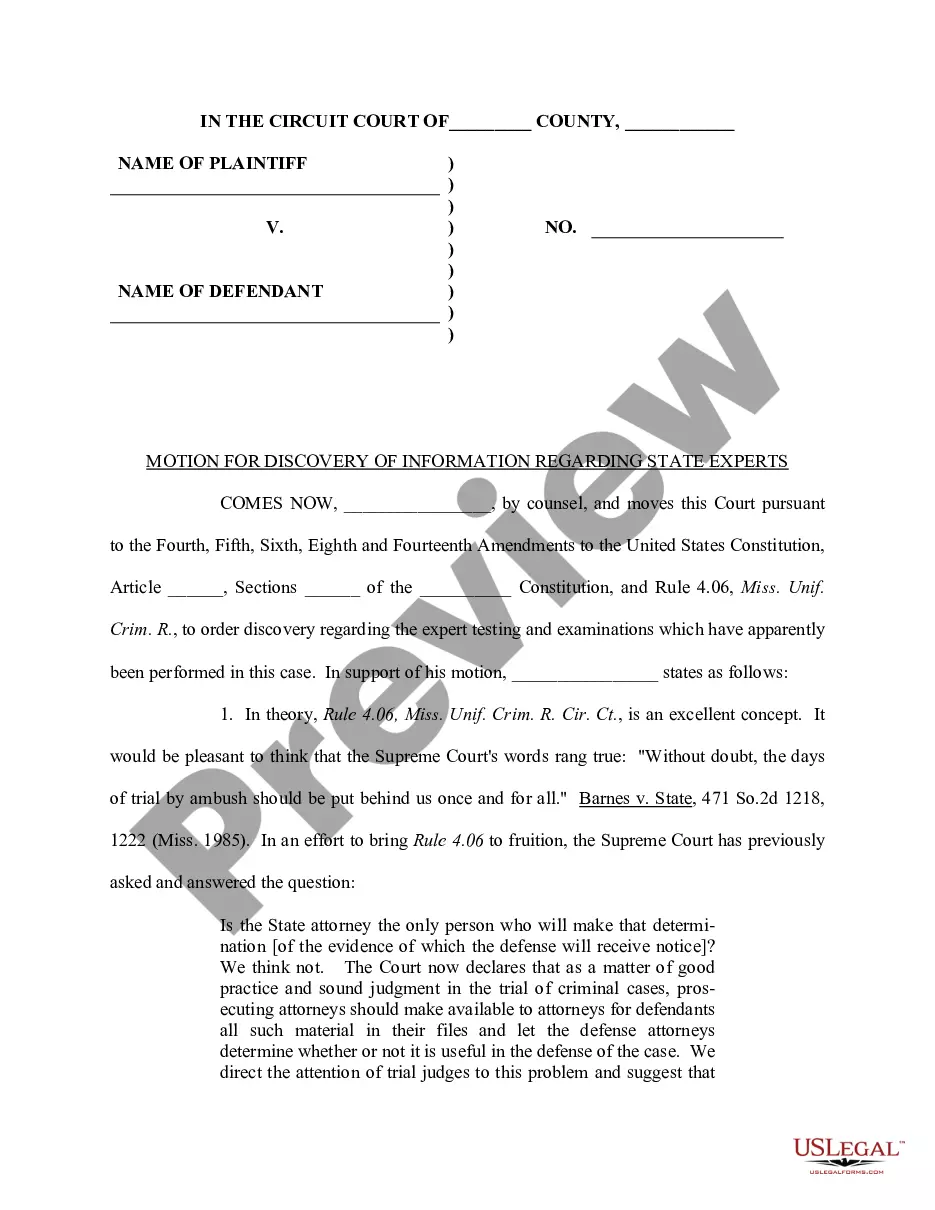
Motion For Discovery Without Trial
Description
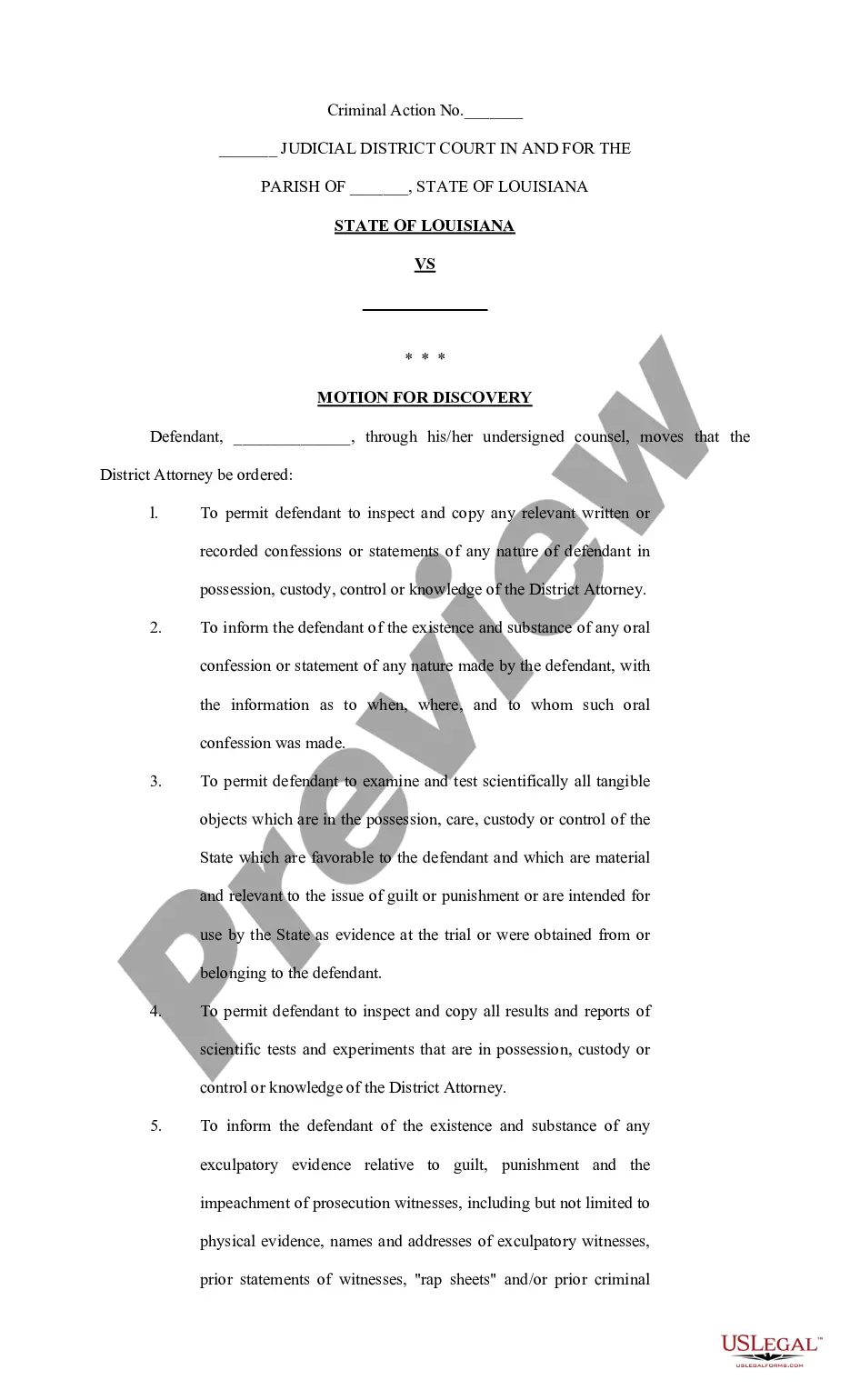
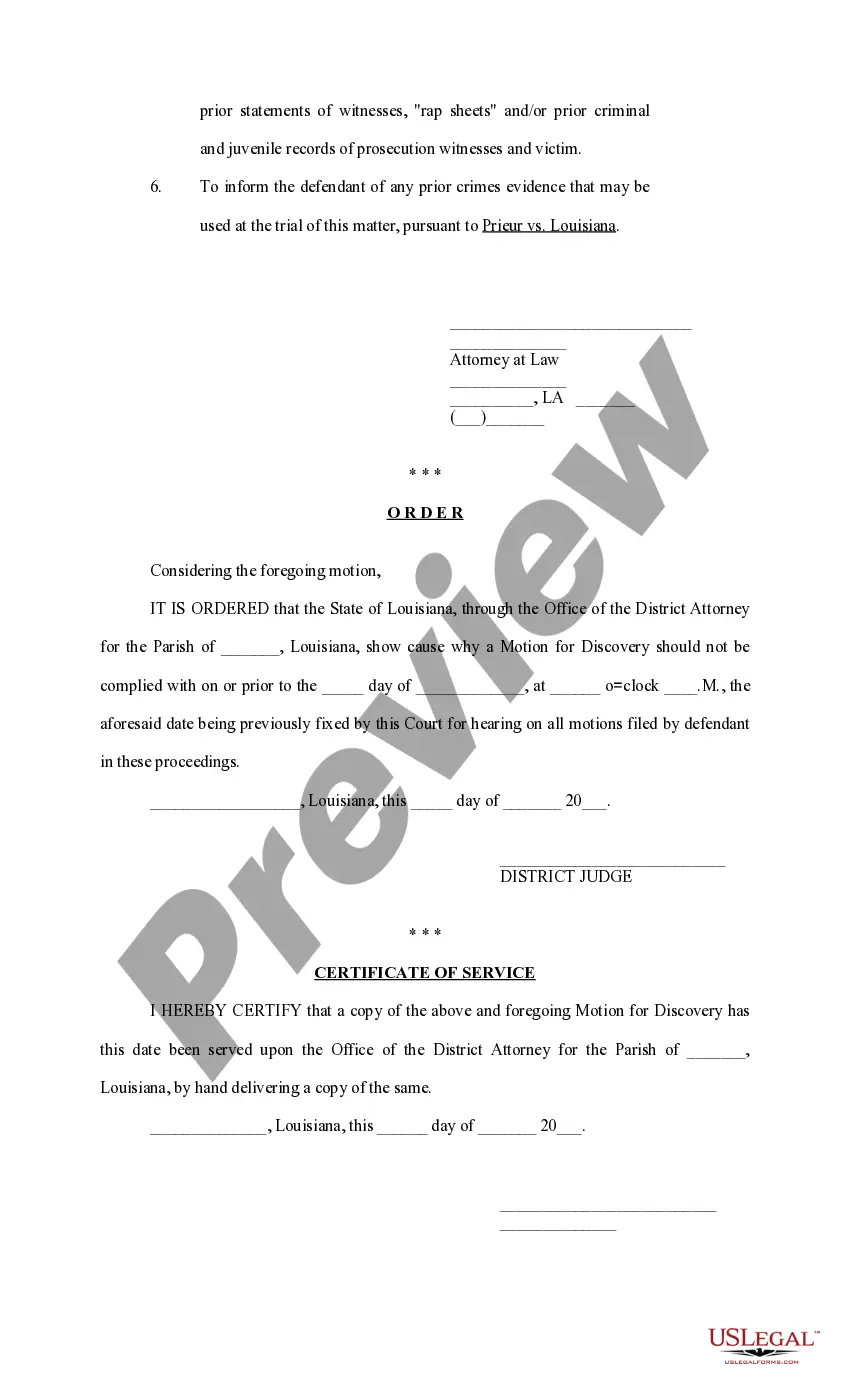
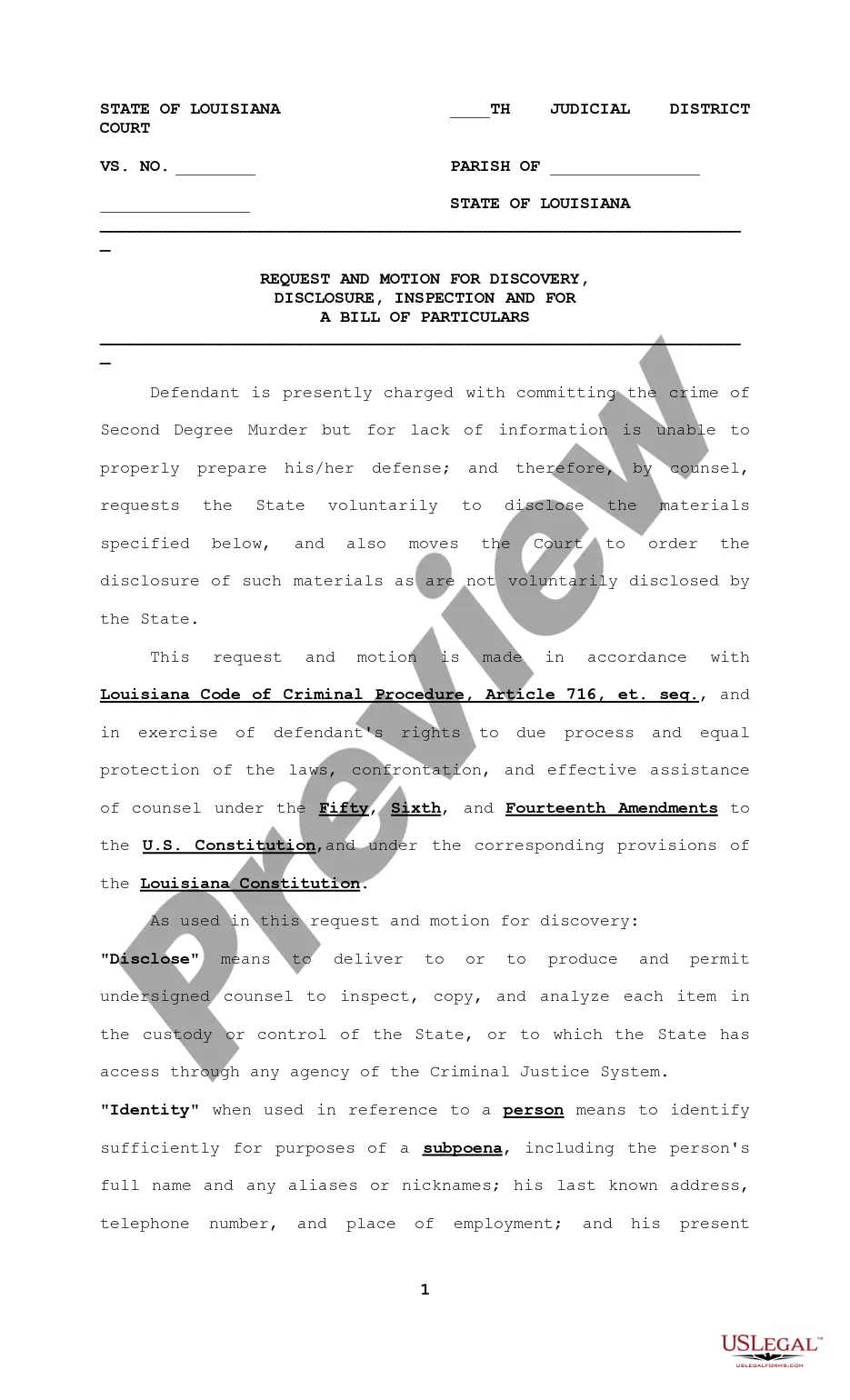
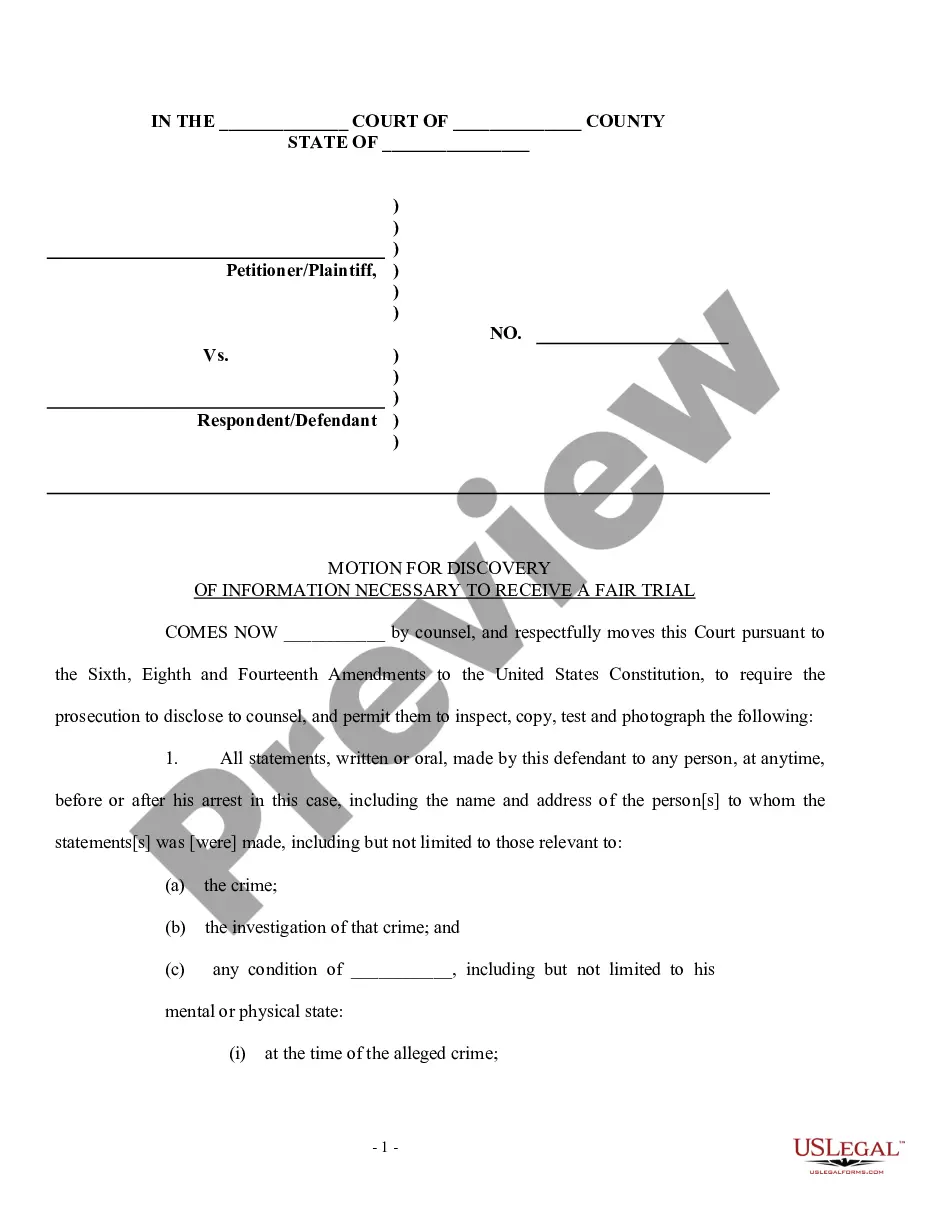
Get your form ready online
Our built-in tools help you complete, sign, share, and store your documents in one place.
Make edits, fill in missing information, and update formatting in US Legal Forms—just like you would in MS Word.
Download a copy, print it, send it by email, or mail it via USPS—whatever works best for your next step.
Sign and collect signatures with our SignNow integration. Send to multiple recipients, set reminders, and more. Go Premium to unlock E-Sign.
If this form requires notarization, complete it online through a secure video call—no need to meet a notary in person or wait for an appointment.
We protect your documents and personal data by following strict security and privacy standards.

Make edits, fill in missing information, and update formatting in US Legal Forms—just like you would in MS Word.

Download a copy, print it, send it by email, or mail it via USPS—whatever works best for your next step.

Sign and collect signatures with our SignNow integration. Send to multiple recipients, set reminders, and more. Go Premium to unlock E-Sign.

If this form requires notarization, complete it online through a secure video call—no need to meet a notary in person or wait for an appointment.

We protect your documents and personal data by following strict security and privacy standards.
Looking for another form?







How to fill out Louisiana Motion For Discovery?
Creating legal documents from the ground up can occasionally be daunting. Certain situations may demand extensive research and significant financial commitment.
If you are looking for a more straightforward and economical method for producing Motion For Discovery Without Trial or any other paperwork without unnecessary complications, US Legal Forms is always available.
Our online collection of over 85,000 current legal forms covers nearly every facet of your financial, legal, and personal matters. With just a few clicks, you can promptly access state- and county-specific templates meticulously prepared for you by our legal experts.
Utilize our platform whenever you require dependable services through which you can effortlessly locate and download the Motion For Discovery Without Trial. If you are not a newcomer to our site and have previously established an account with us, simply Log In to your account, find the template, and download it or re-download it at any time in the My documents section.
Select the most appropriate subscription plan to acquire the Motion For Discovery Without Trial. Download the document, then complete, certify, and print it. US Legal Forms has a strong reputation and over 25 years of experience. Join us today and make form completion an easy and efficient process!
- Not registered yet? No worries. It takes just a few minutes to sign up and explore the library.
- Before proceeding to download Motion For Discovery Without Trial, consider these tips.
- Examine the form preview and descriptions to ensure you have located the document you need.
- Verify that the form you choose meets the standards of your state and county.
Form popularity
FAQ
Discovery occurs before the trial and is a vital part of the pre-trial process. The motion for discovery without trial allows both parties to gather necessary evidence and clarify issues in dispute. This phase is essential for ensuring that both sides are prepared and informed, which can lead to more efficient trial proceedings. Understanding this timeline can enhance your legal strategy.
A formal request for discovery is a legal document submitted to the court to obtain specific evidence from the opposing party. This request outlines the information you seek and the reasons for your request. In the context of a motion for discovery without trial, it is a crucial step in preparing your case. Utilizing services like US Legal Forms can help you draft this request accurately and effectively.
In Maryland, the discovery rule refers to the legal framework that governs the exchange of information between parties before trial. It ensures that each side has access to evidence that could impact the outcome of the case. The motion for discovery without trial allows parties to request necessary information efficiently. Familiarizing yourself with these rules can significantly aid your legal strategy.
The purpose of a motion for discovery without trial is to obtain vital information from the opposing party that may be relevant to your case. This information can include documents, witness statements, and other evidence. By gathering this data, you can build a stronger case and prepare for potential trial proceedings. Understanding this process helps you make informed decisions.
The timeline for obtaining a motion for discovery without trial can vary based on the court's schedule and the complexity of the case. Generally, you can expect a response within a few weeks after filing. However, delays can occur if the other party contests the request. Staying organized and following up can help expedite the process.
To request a motion for discovery without trial, you must file a formal request with the court. This request typically includes specific details about the evidence you seek. You may also need to serve the other party with a copy of your motion. Using platforms like US Legal Forms can simplify this process by providing templates and guidance.
While some states have a different process for trial depositions and depositions for discovery, the basic difference is that discovery depositions aim to find out what a witness knows and how his testimony will appear to the court, while trial depositions are taken because a witness may be unavailable to testify in ...
Steps Of The Discovery Process. There are four key actions in the discovery process which include interrogatories, request for documents, request for admissions, and depositions.
Motion for Sanctions ? If the court issues an order compelling discovery, and the party fails to comply with that order, then the court may sanction the party in numerous ways such as refusing to let in the party's evidence at trial, dismissing their lawsuit, or striking their defense to a lawsuit, and imposing ...
The three forms of discovery are: Written - This form of discovery takes place on paper. ... Document Production - This form of discovery involves an exchange of documents. ... Oral - Sometimes known as depositions, this form of discovery allows parties to gain sworn statements from involved individuals.