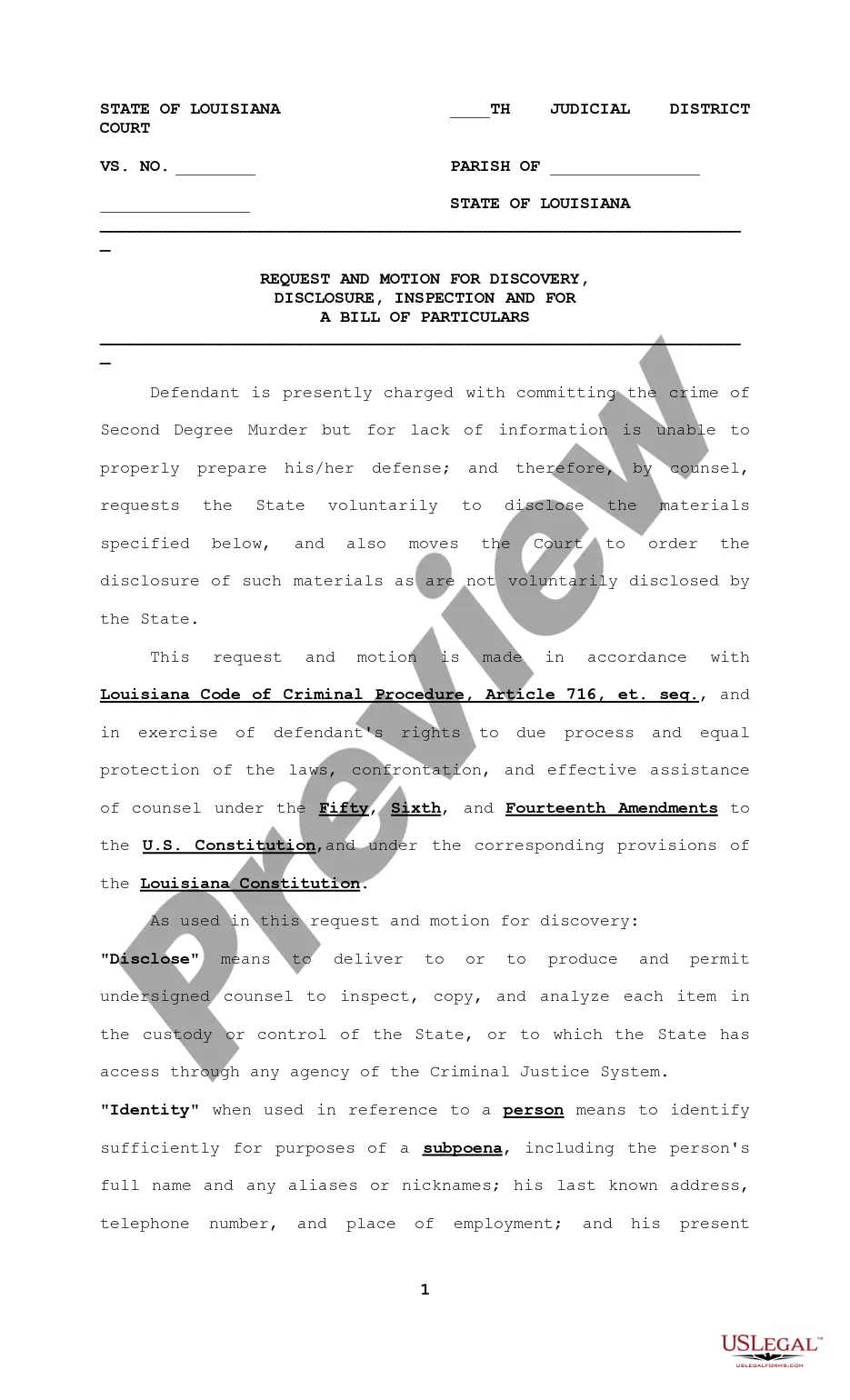
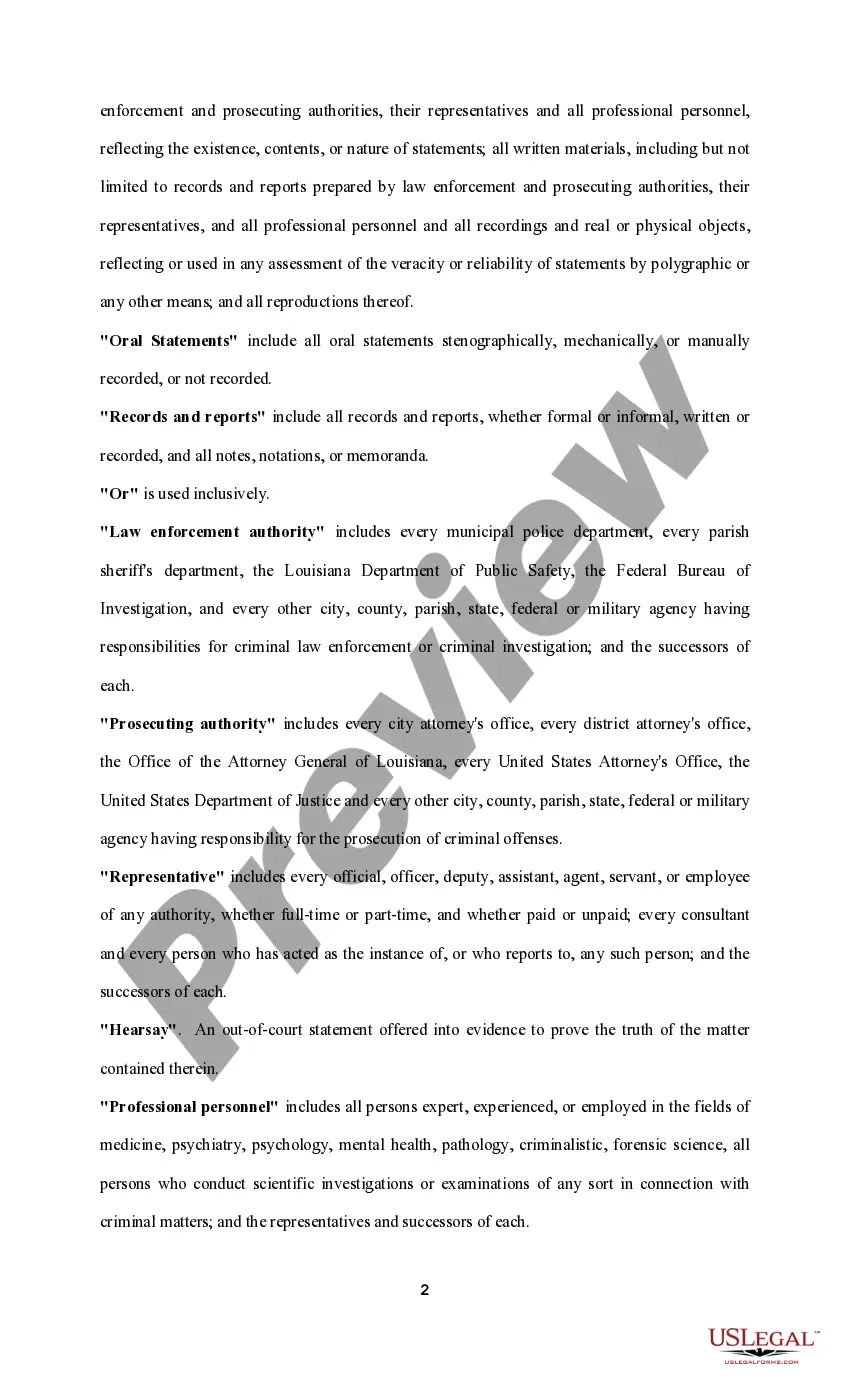
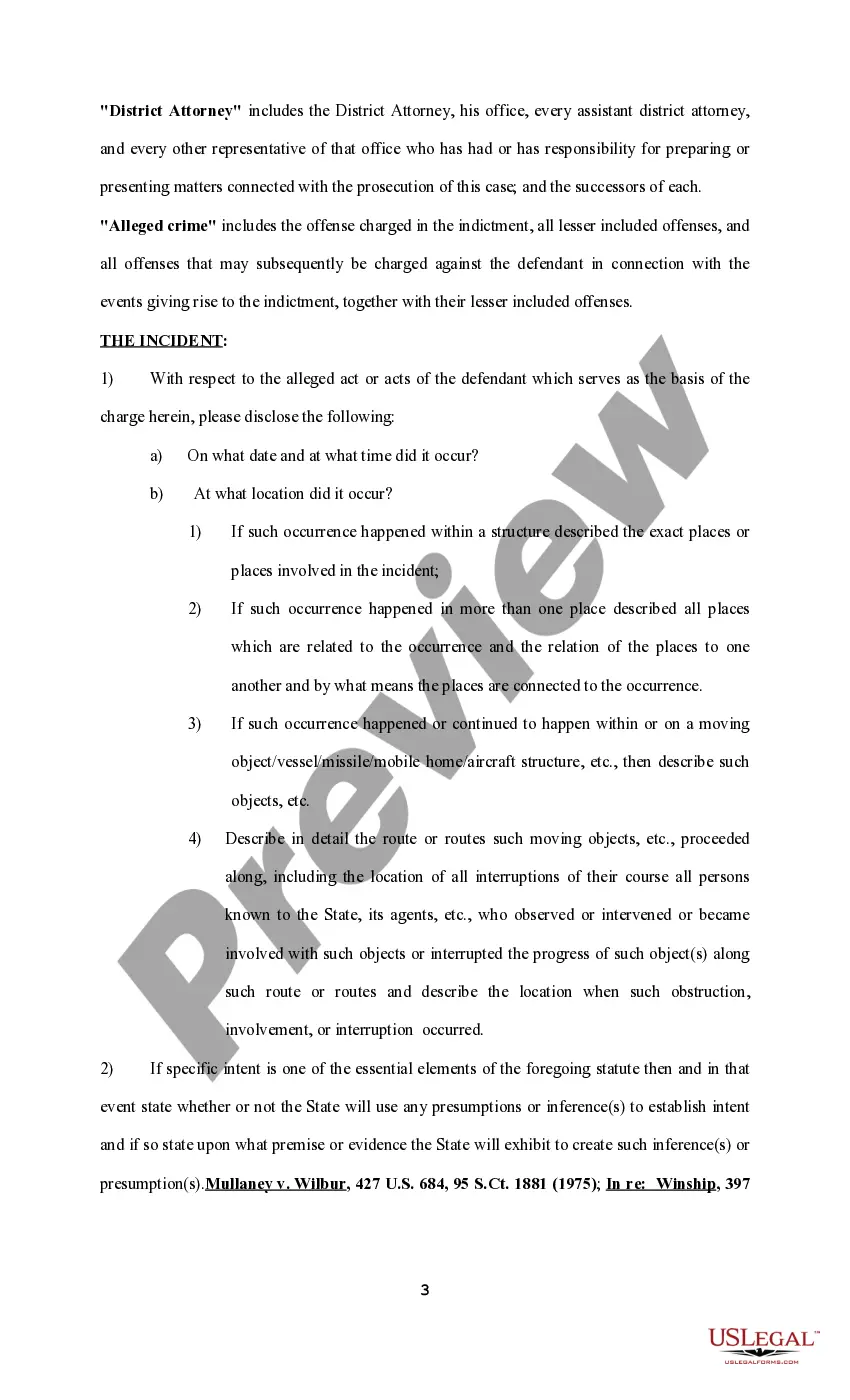
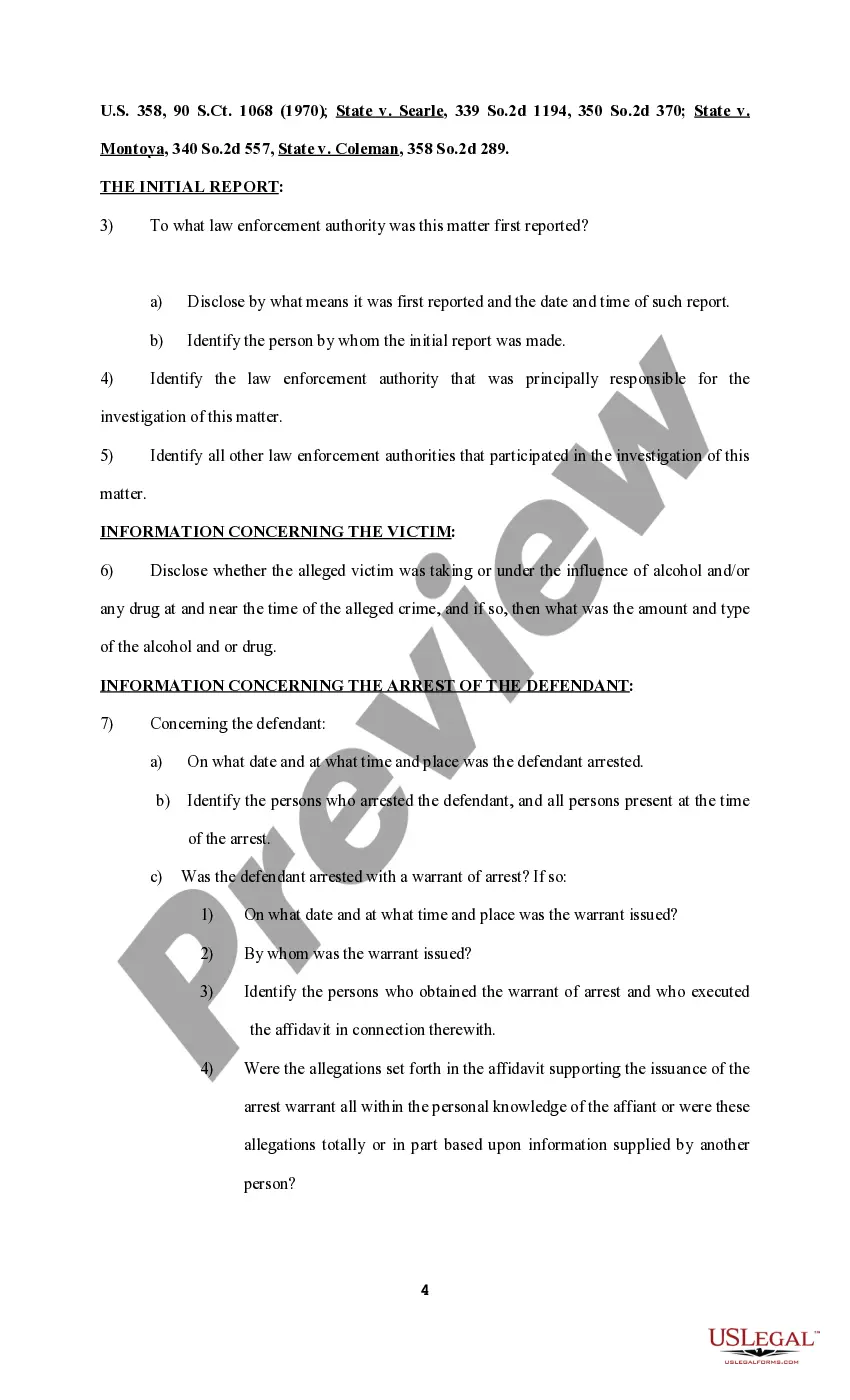
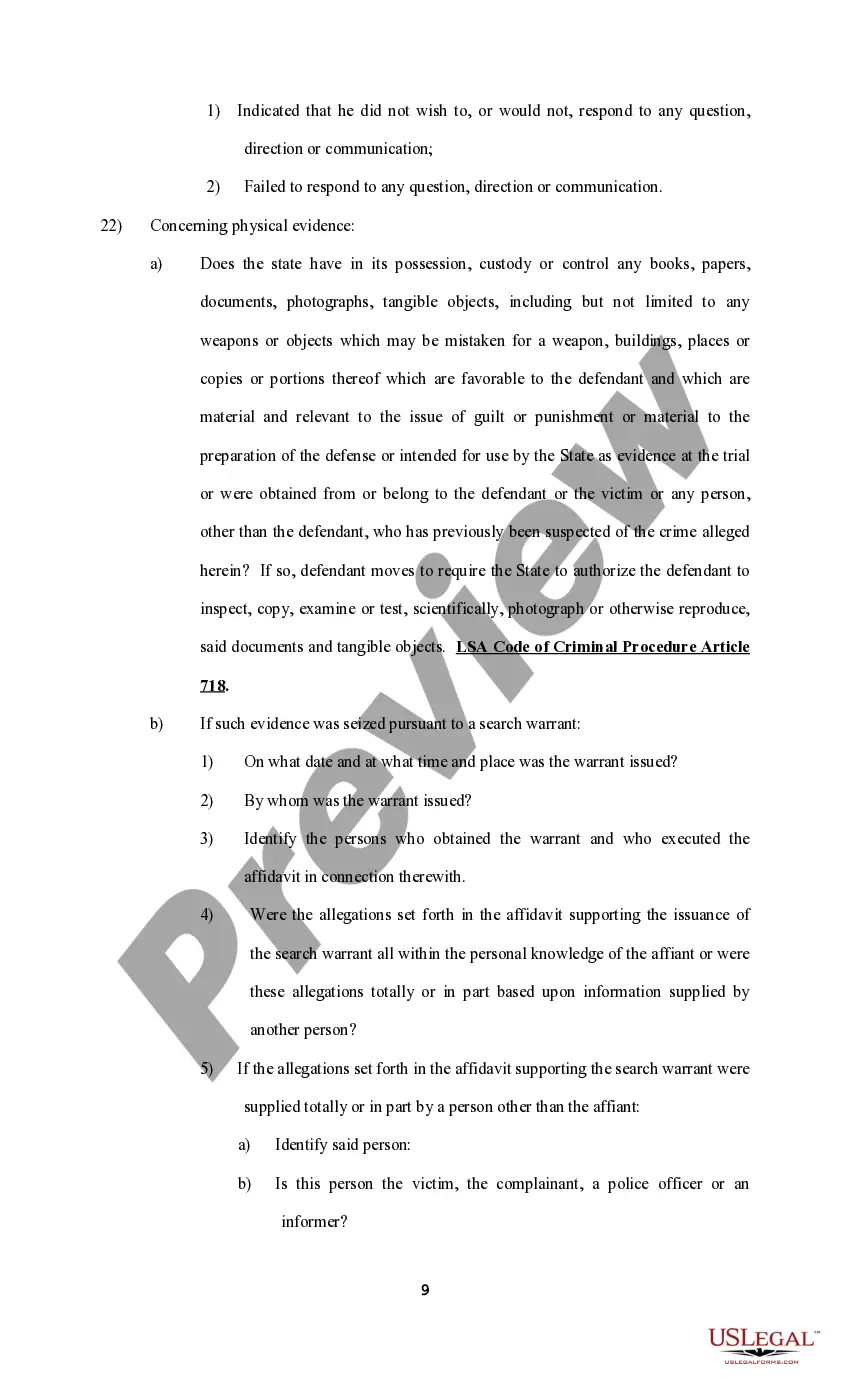
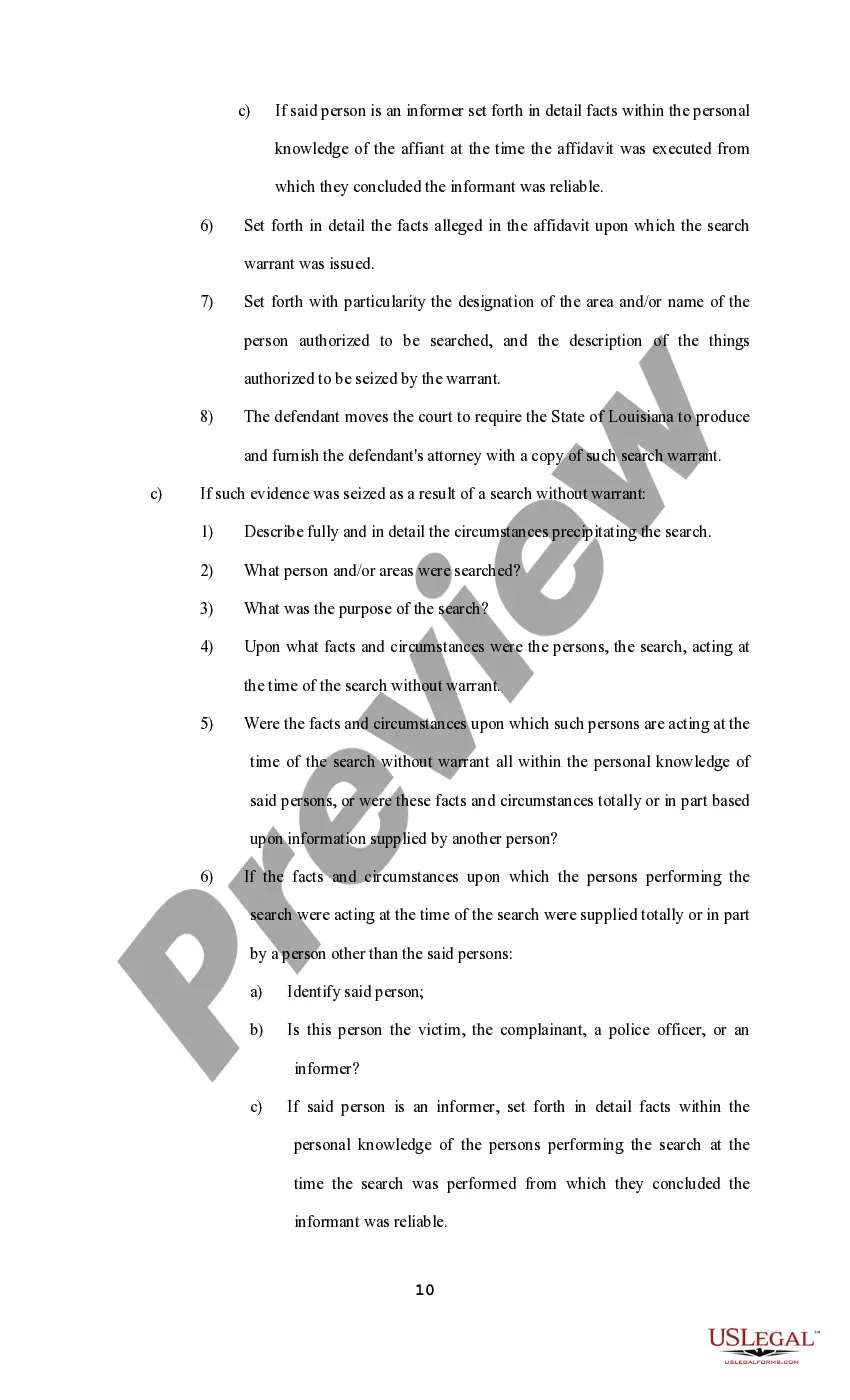
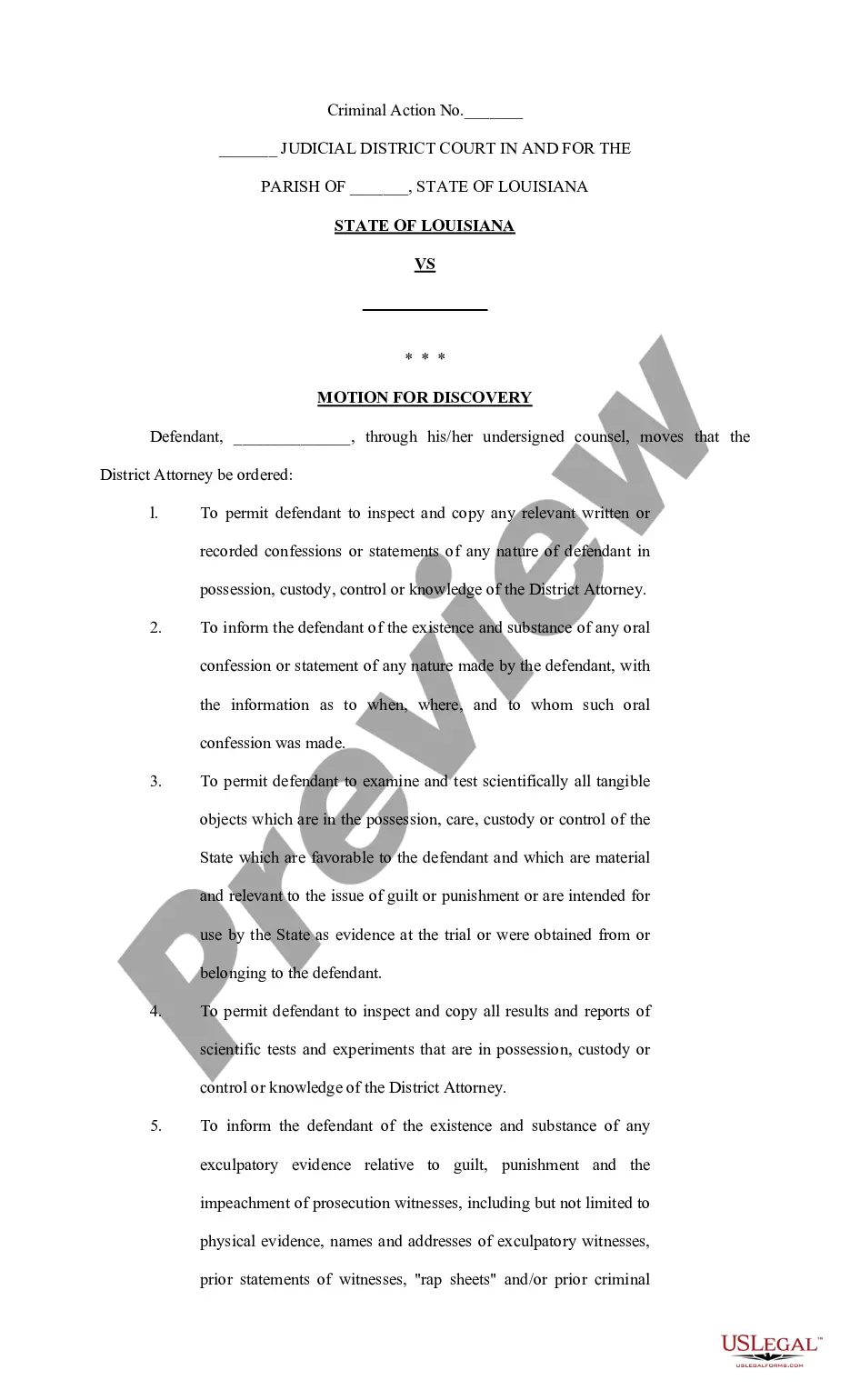
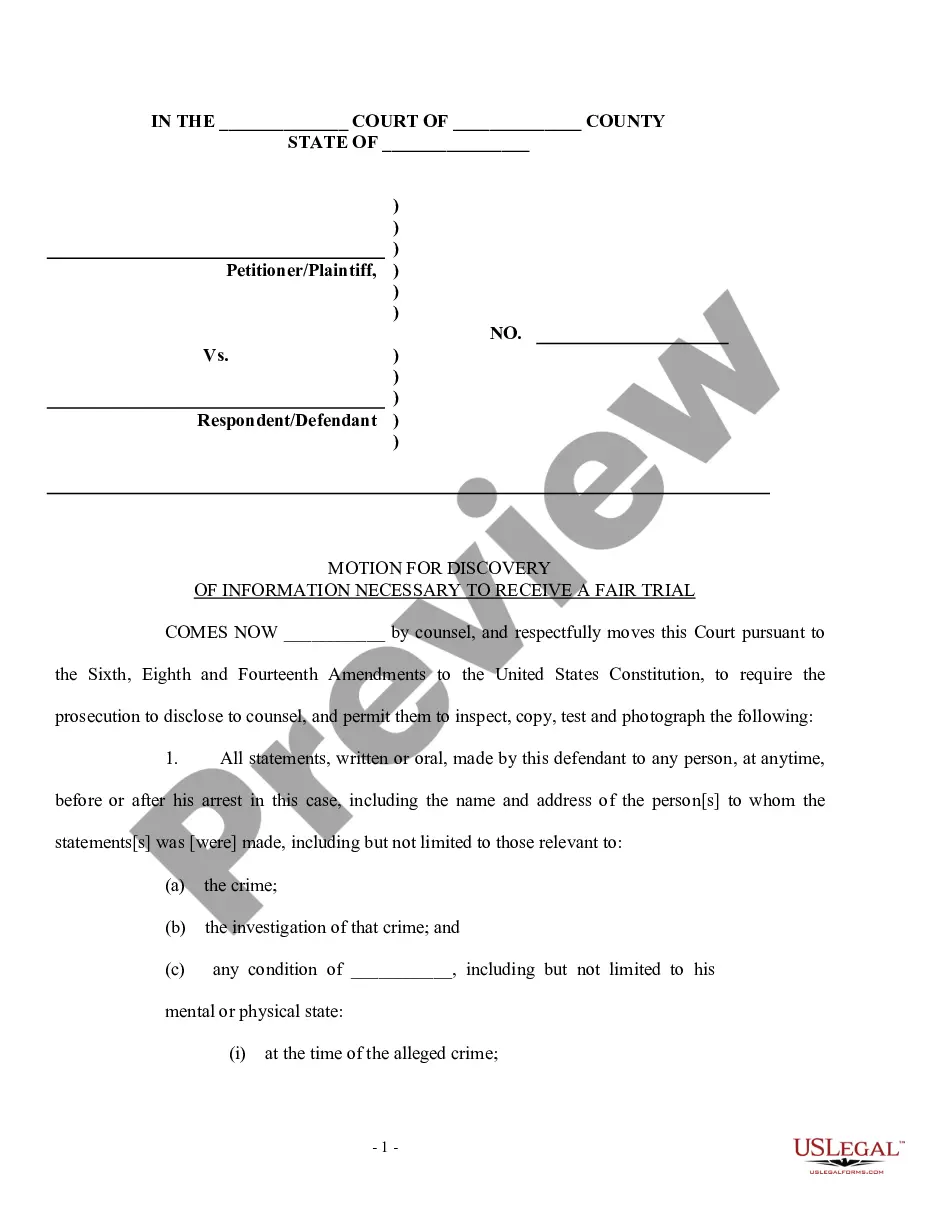
Louisiana Motion For Discovery
Description

Get your form ready online
Our built-in tools help you complete, sign, share, and store your documents in one place.
Make edits, fill in missing information, and update formatting in US Legal Forms—just like you would in MS Word.
Download a copy, print it, send it by email, or mail it via USPS—whatever works best for your next step.
Sign and collect signatures with our SignNow integration. Send to multiple recipients, set reminders, and more. Go Premium to unlock E-Sign.
If this form requires notarization, complete it online through a secure video call—no need to meet a notary in person or wait for an appointment.
We protect your documents and personal data by following strict security and privacy standards.

Make edits, fill in missing information, and update formatting in US Legal Forms—just like you would in MS Word.

Download a copy, print it, send it by email, or mail it via USPS—whatever works best for your next step.

Sign and collect signatures with our SignNow integration. Send to multiple recipients, set reminders, and more. Go Premium to unlock E-Sign.

If this form requires notarization, complete it online through a secure video call—no need to meet a notary in person or wait for an appointment.

We protect your documents and personal data by following strict security and privacy standards.
Looking for another form?
Form popularity
FAQ
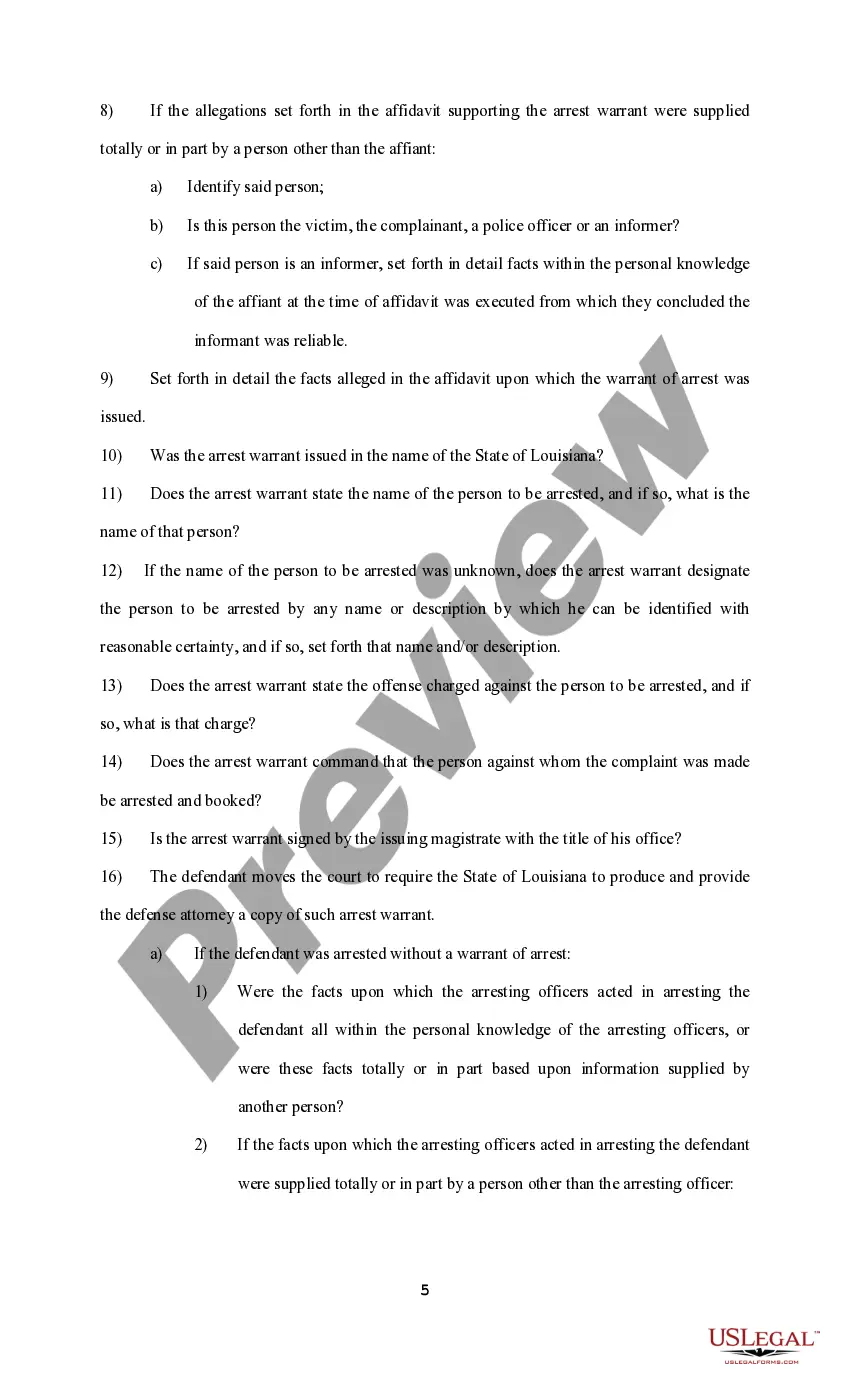
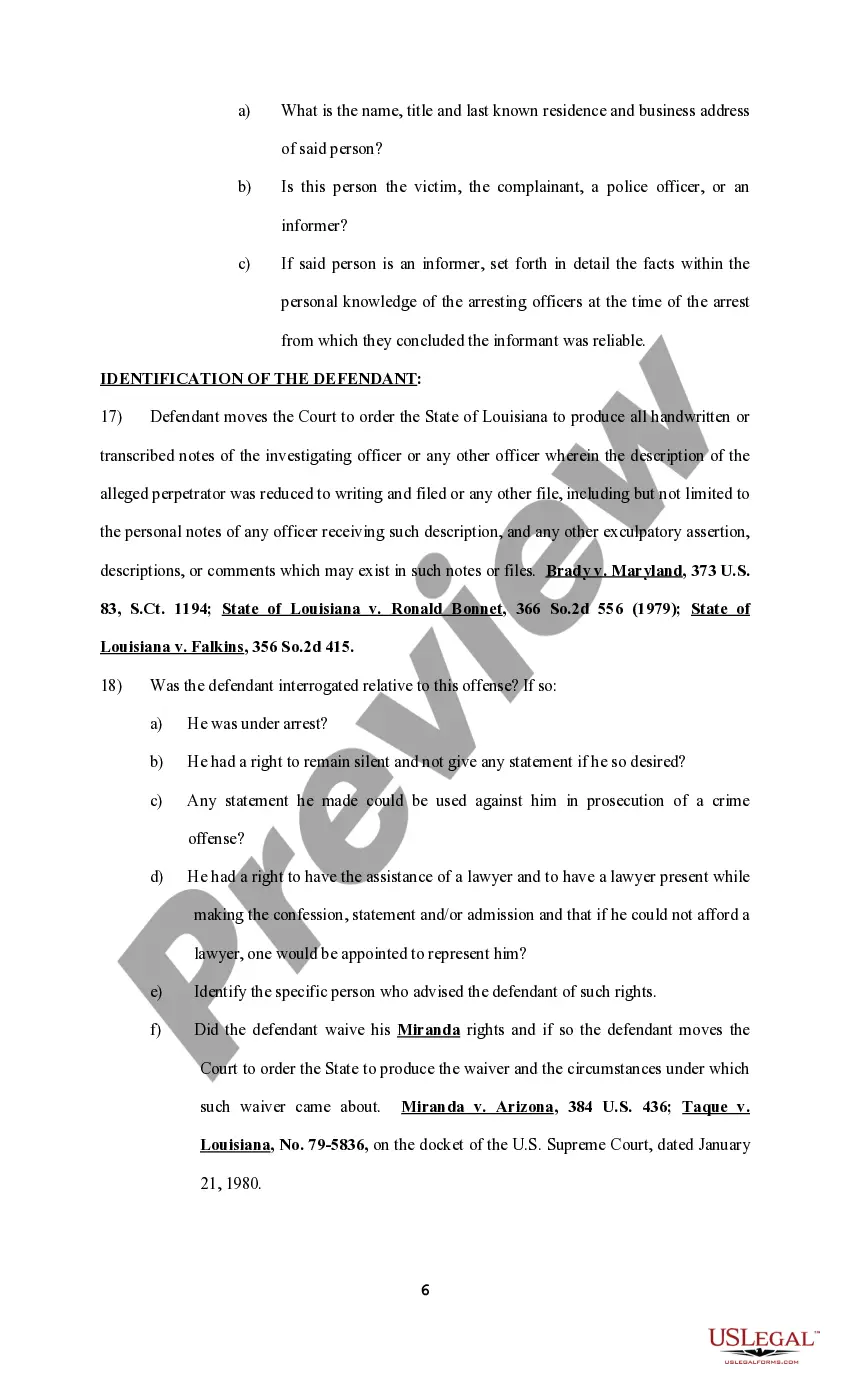
Filing a motion in Louisiana involves several essential steps. You need to prepare the motion following local court rules, outline your request clearly, and submit it to the appropriate court. Utilizing a Louisiana motion for discovery can streamline this process, making it simpler to access necessary documents and testimonies. For further assistance, consider using uslegalforms, which offers resources to help you file your motion correctly.
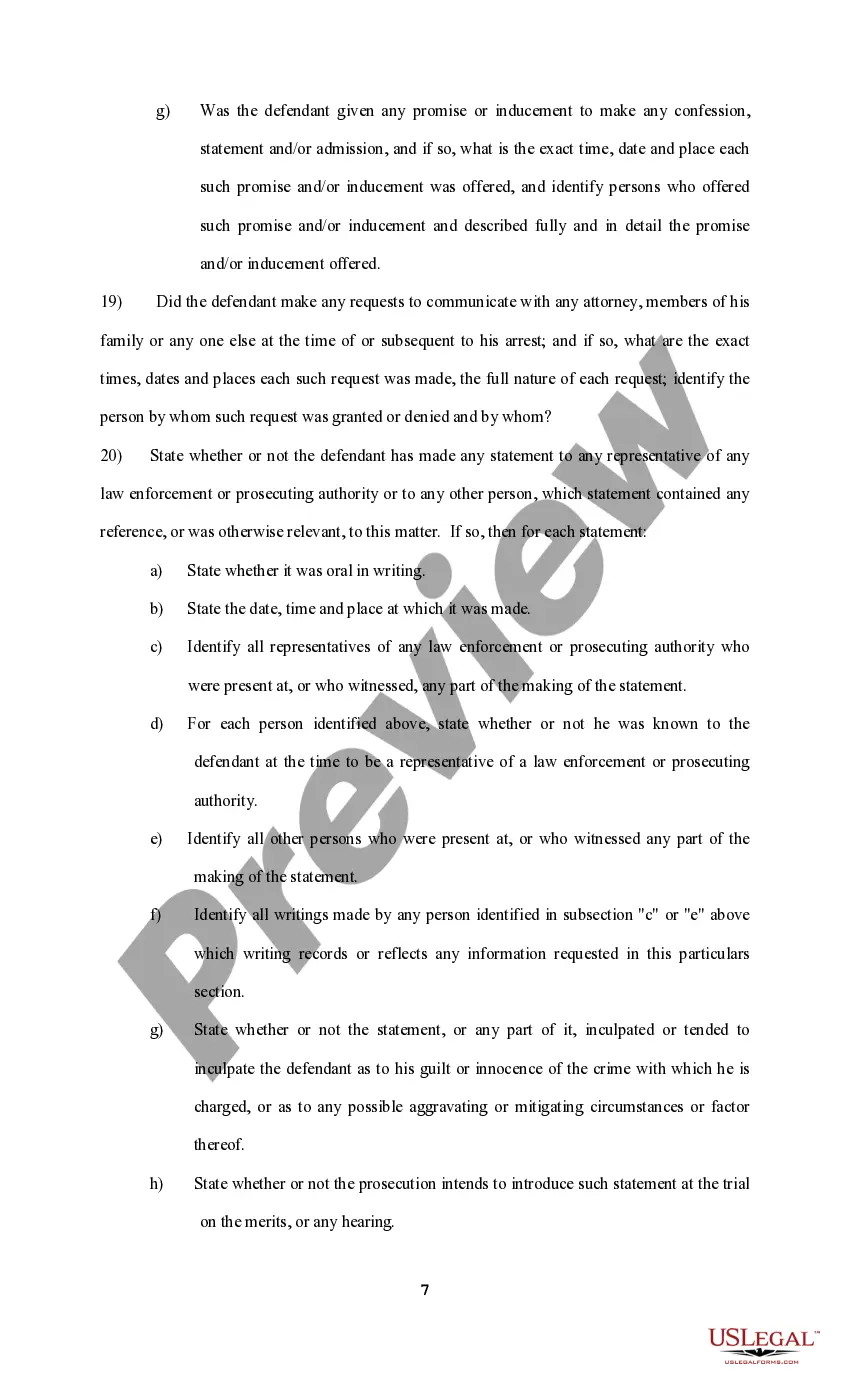
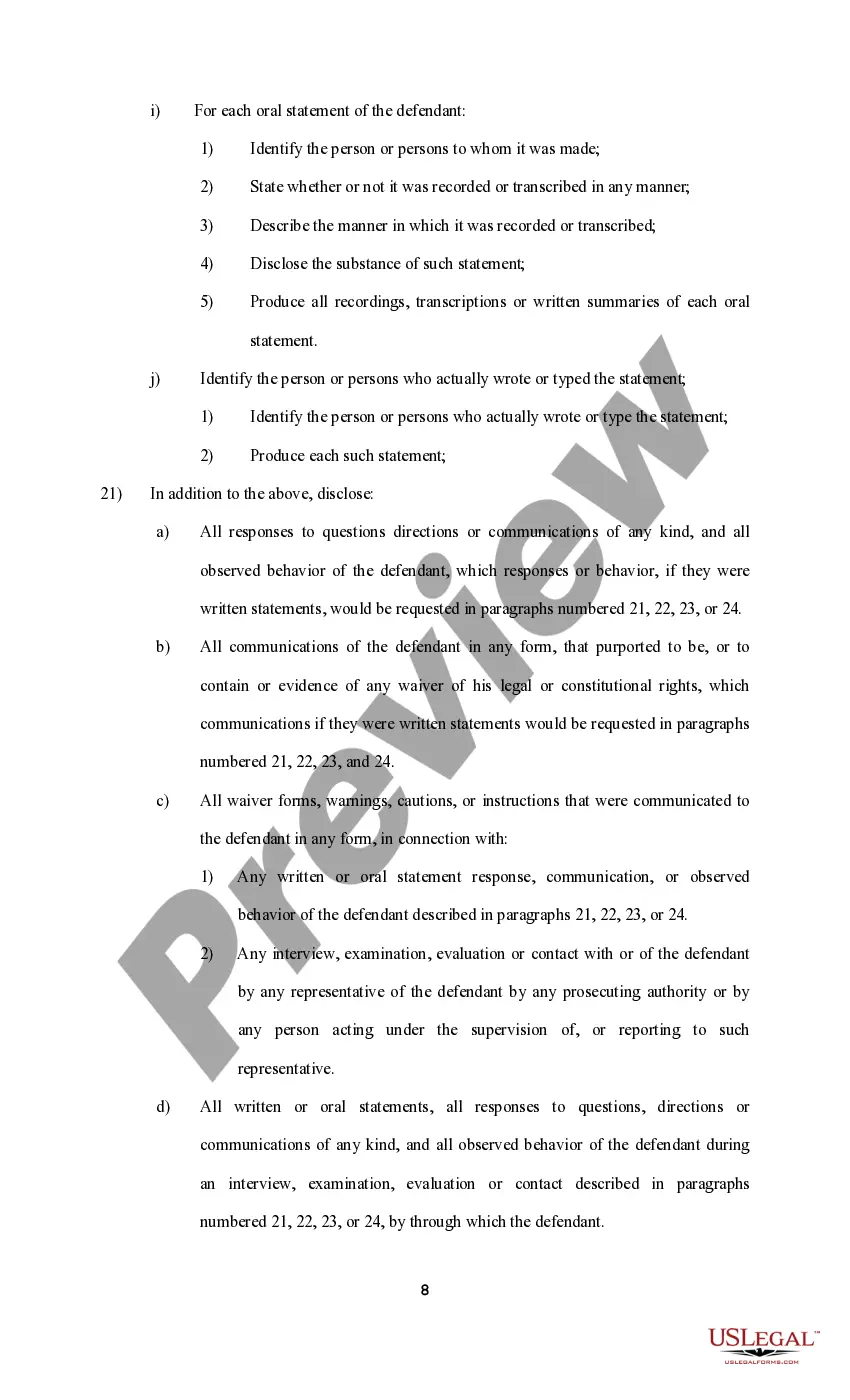
Yes, Louisiana has a discovery rule that allows parties in a legal case to obtain information from each other. This process is crucial for preparing your case effectively. The Louisiana motion for discovery is a formal request to gather evidence and testimonies before trial. Understanding this process can significantly enhance your legal strategy.
The 60-day rule in Louisiana stipulates that if a party fails to respond to a motion for discovery, they may face consequences after 60 days. It encourages timely responses and ensures that the discovery process moves forward smoothly. Understanding this rule is crucial if you intend to file a Louisiana motion for discovery, as it emphasizes the importance of compliance. Engaging with professionals who specialize in legal forms can help clarify any questions you have about this rule.
In Louisiana, once you receive a discovery request, the standard response time is 30 days to answer. However, if your motion for discovery is more complex, you might require additional time to formulate your responses. It’s wise to keep open communication with the requesting party. If you face challenges meeting this deadline, consulting a knowledgeable legal resource can help you navigate the process efficiently.
The timeline to obtain discovery through a Louisiana motion for discovery can vary depending on the complexity of the case and the cooperation of the parties involved. Typically, once your motion is filed, you should expect to receive the requested information within a reasonable time frame. It's important to stay proactive in following up to ensure timely compliance. If delays occur, consider consulting legal support to explore options.
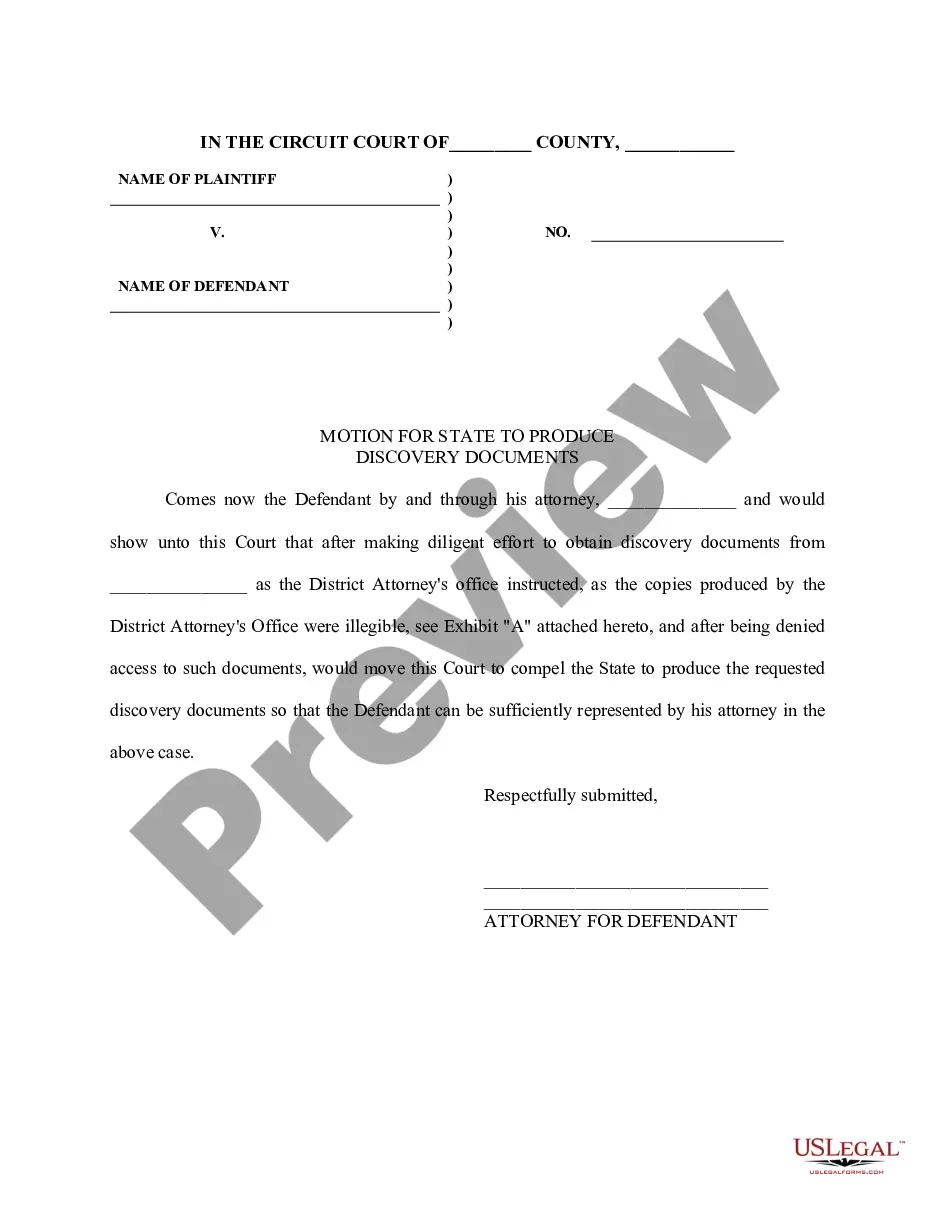
A motion to compel discovery in Louisiana is a formal request made to the court, seeking enforcement of discovery rights. This motion typically arises when one party fails to respond adequately to discovery requests. Filing this motion can help ensure that you obtain necessary information for your case, and using resources like US Legal Forms can simplify the drafting process.
The 90-day rule in Louisiana refers to the timeline set by the courts for filing certain motions and completing discovery. Specifically, it often applies to the time frames within which a party must move for a continuance or file additional motions as part of the discovery process. Understanding this rule is critical to managing your case effectively and ensuring that you comply with legal timelines.
In Louisiana, you generally have 21 days to answer a petition filed against you. This timeframe starts from the date you are served with the petition. It’s essential to respond promptly to avoid default judgments and any adverse legal consequences.
In Louisiana, you typically have 30 days to respond to discovery requests, such as interrogatories or requests for production. However, this period can vary based on the specific court rules or the nature of your case. It’s important to monitor deadlines carefully to ensure compliance with legal requirements and avoid any penalties.
The discovery rule in Louisiana governs the process of obtaining evidence before trial. It allows parties to request documents, information, and testimony relevant to the case. This rule aims to promote fairness and transparency in legal proceedings, facilitating informed decision-making and strategy.
