Motion For Discovery Example With Time Limit
Description
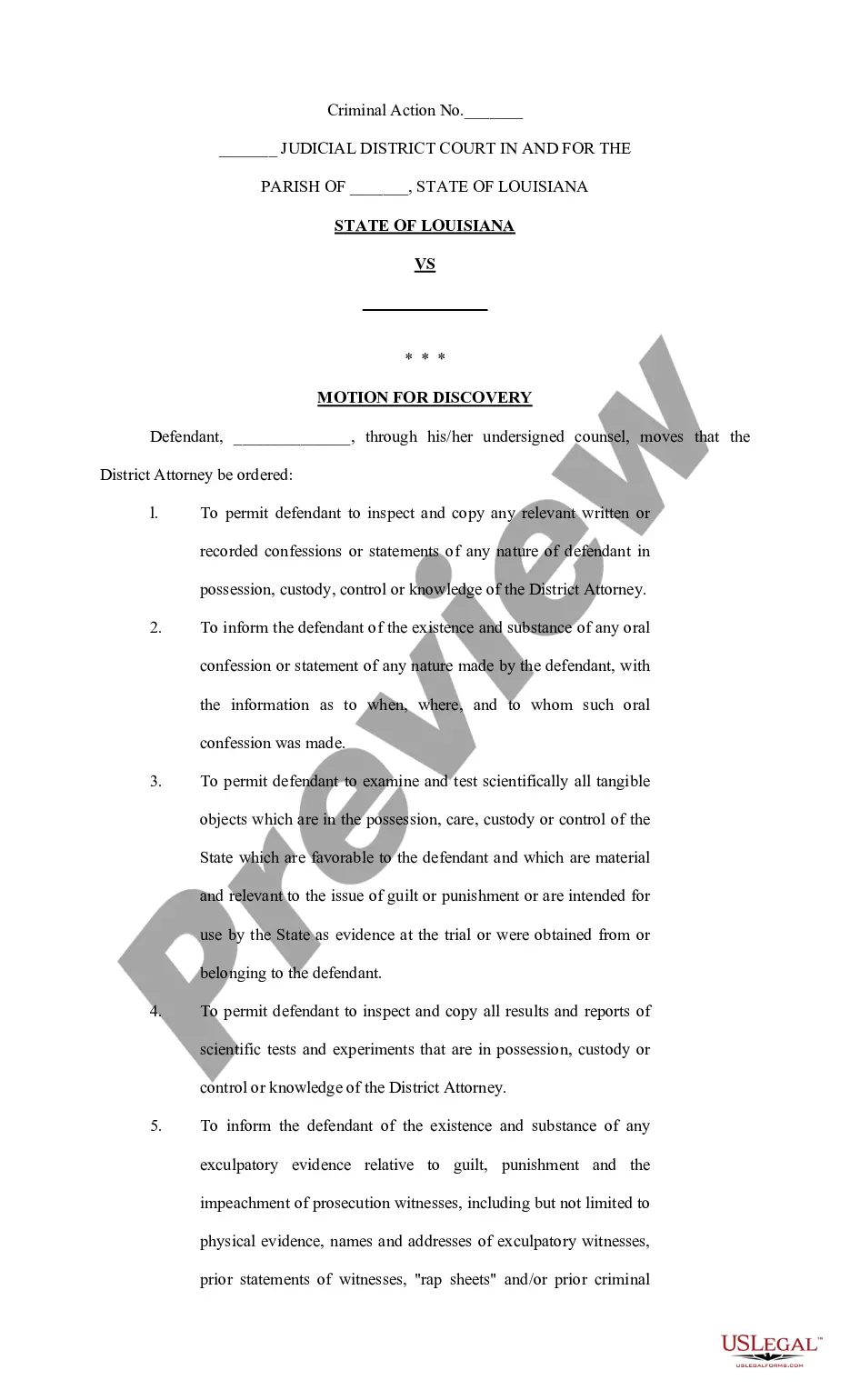
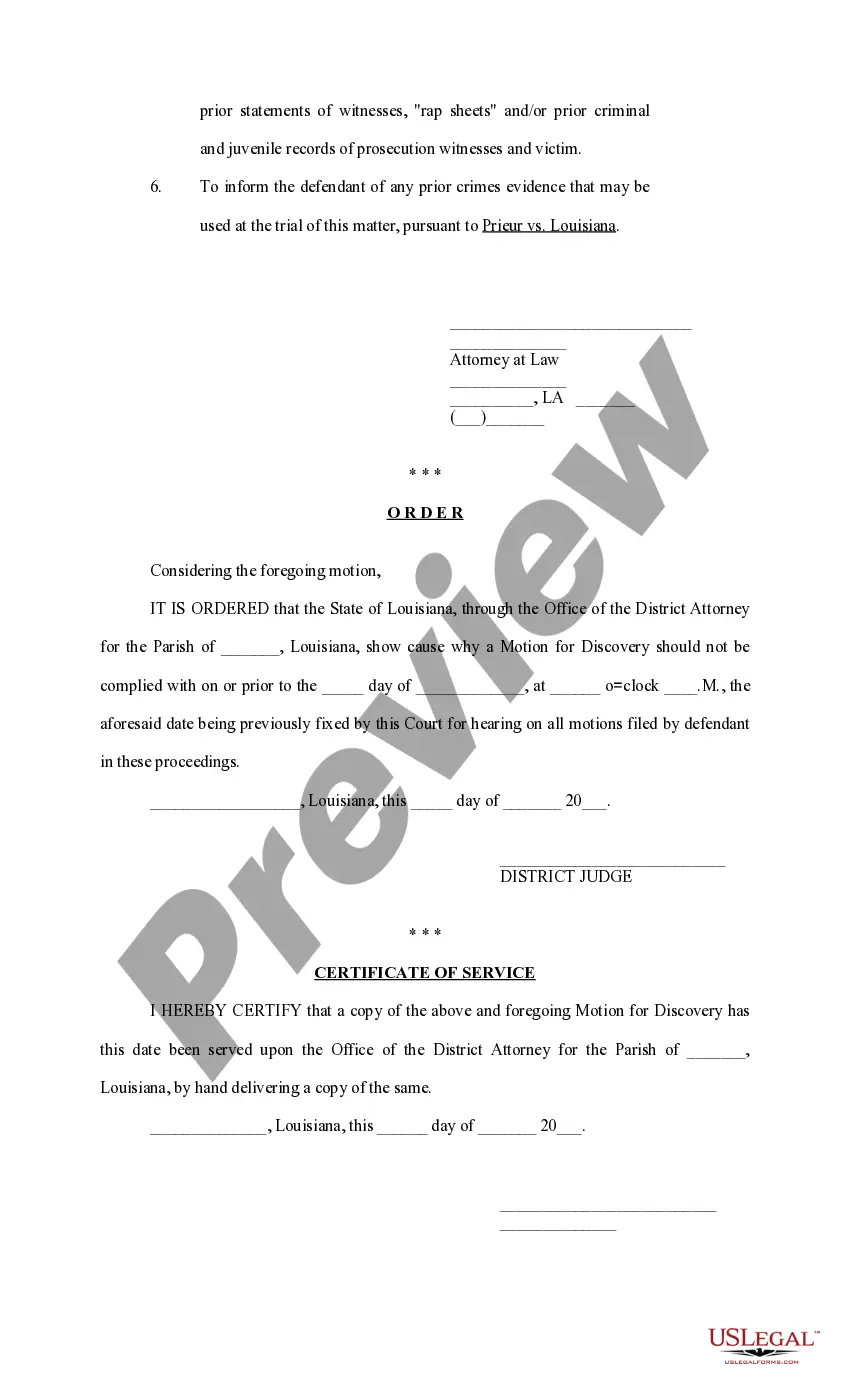
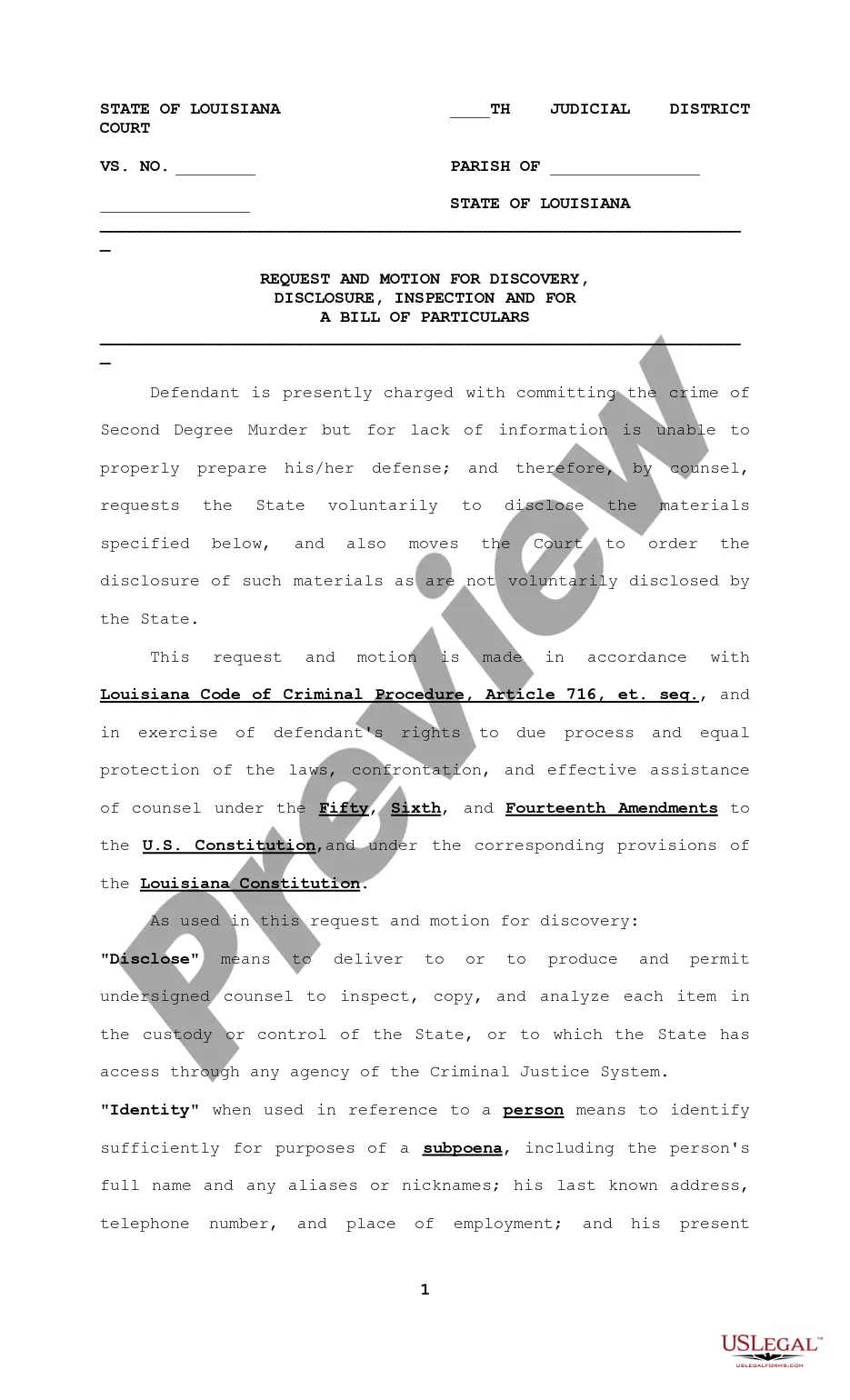
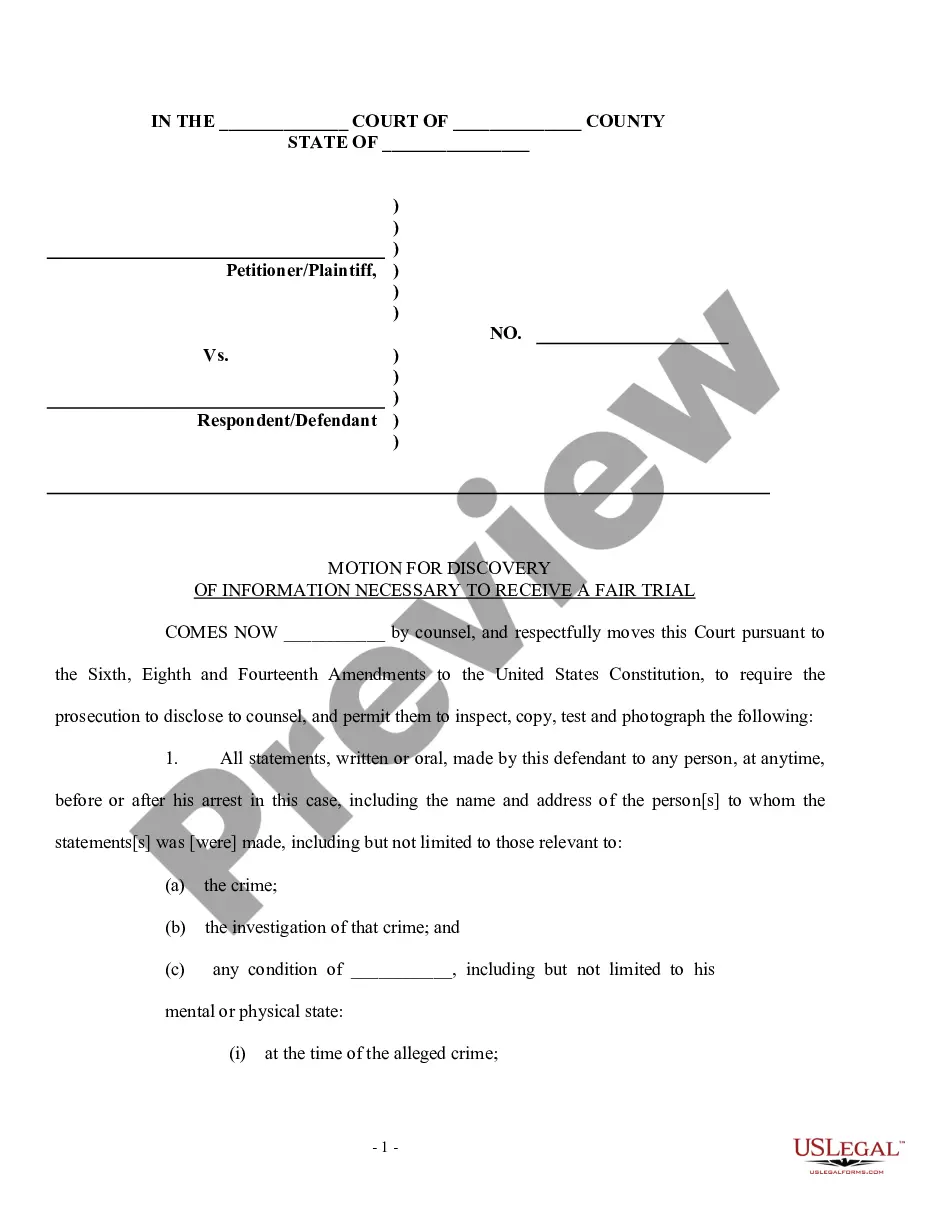
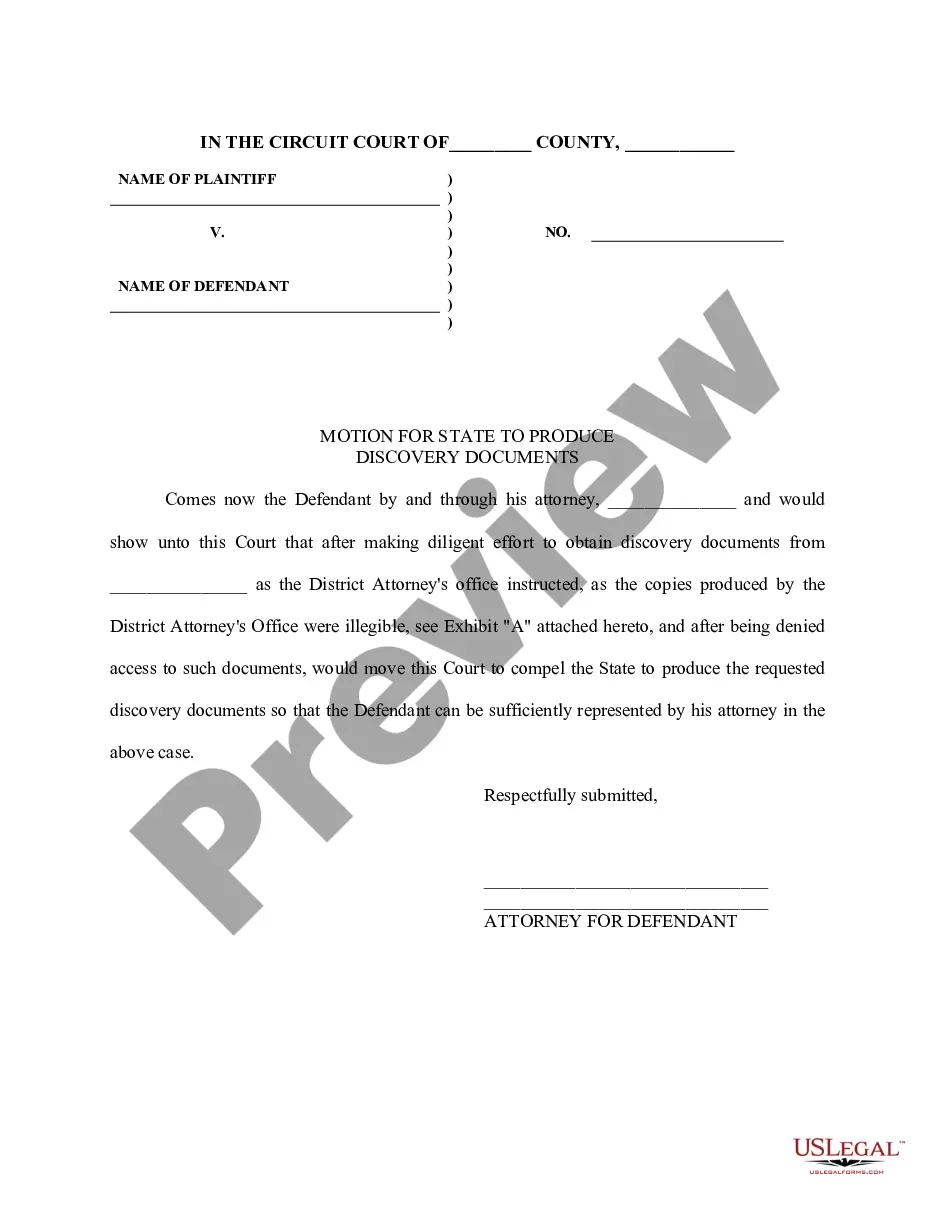
Get your form ready online
Our built-in tools help you complete, sign, share, and store your documents in one place.
Make edits, fill in missing information, and update formatting in US Legal Forms—just like you would in MS Word.
Download a copy, print it, send it by email, or mail it via USPS—whatever works best for your next step.
Sign and collect signatures with our SignNow integration. Send to multiple recipients, set reminders, and more. Go Premium to unlock E-Sign.
If this form requires notarization, complete it online through a secure video call—no need to meet a notary in person or wait for an appointment.
We protect your documents and personal data by following strict security and privacy standards.

Make edits, fill in missing information, and update formatting in US Legal Forms—just like you would in MS Word.

Download a copy, print it, send it by email, or mail it via USPS—whatever works best for your next step.

Sign and collect signatures with our SignNow integration. Send to multiple recipients, set reminders, and more. Go Premium to unlock E-Sign.

If this form requires notarization, complete it online through a secure video call—no need to meet a notary in person or wait for an appointment.

We protect your documents and personal data by following strict security and privacy standards.
Looking for another form?
How to fill out Louisiana Motion For Discovery?
Managing legal documents can be challenging, even for experienced experts.
When you seek a Motion For Discovery Example With Time Limit and lack the opportunity to search for the correct and current version, it can be stressful.
US Legal Forms accommodates all your needs, from personal to commercial documents, in one convenient location.
Utilize advanced tools to complete and handle your Motion For Discovery Example With Time Limit.
If this is your initial experience with US Legal Forms, create a free account for unlimited access to all platform advantages. Below are the steps to follow after locating the desired form.
- Access a repository of articles, manuals, and resources pertinent to your circumstances and requirements.
- Save time and energy by locating the documents you need.
- Use US Legal Forms’ sophisticated search and Preview feature to find the Motion For Discovery Example With Time Limit quickly.
- If you hold a subscription, Log Into your US Legal Forms account, search for the form, and obtain it.
- Check your My documents tab to review previous downloads and manage your document folders as desired.
- An effective online form library may revolutionize how anyone manages these issues.
- US Legal Forms is a frontrunner in the online legal document industry, boasting more than 85,000 state-specific legal forms accessible at any moment.
- With US Legal Forms, you can access tailored legal and organizational documents required for your state or county.
Form popularity
FAQ
The duration of a motion for discovery can vary based on several factors, including your jurisdiction and the complexity of the case. Typically, a motion for discovery example with time limit can take anywhere from a few weeks to a couple of months to resolve. It is important to stay proactive during this process and communicate with your legal team to ensure timely responses. Using platforms like US Legal Forms can help streamline the motion process by providing you with necessary documents and guidance.
In Washington state, the cut-off date for discovery is typically set by the court during scheduling. This time frame helps all parties prepare their cases effectively. For a Motion for discovery example with time limit, consider that the court often requires all discovery to be completed before a specified date, which may vary depending on the type of case. Utilizing the US Legal Forms platform can help you find specific guidelines and templates to navigate these time constraints efficiently.
The most common form of discovery is the interrogatory, which consists of written questions one party sends to another. These questions must be answered under oath, providing a clear picture of both parties' positions. While interrogatories are widely used, incorporating a 'motion for discovery example with time limit' can help you manage timelines and responses effectively.
The 45-day rule in California specifies that parties must respond to discovery requests within 45 days. This rule aims to ensure a timely exchange of information between parties and to promote fair play in legal proceedings. Missing this timeline can lead to complications, such as the need for a motion to compel. Utilizing a 'motion for discovery example with time limit' can be invaluable in understanding your obligations under this rule.
Discovery motions refer to requests made to the court regarding the handling of evidence gathering in a case. These can include motions to compel, motions to limit discovery, and motions for protective orders. Each of these motions helps streamline the discovery process and protect parties from undue burden. Reviewing a 'motion for discovery example with time limit' can help you understand how to navigate these motions effectively.
To calculate the deadline for a motion to compel, first identify the date when the discovery response was due. Typically, you must file the motion within a certain time frame after the response deadline. For example, if the response was due on a Friday, you might have until the following Monday or Tuesday, depending on local rules. A 'motion for discovery example with time limit' can offer clarity on how to ensure timely submissions.
Examples of discovery motions include motions to compel discovery, motions for protective orders, and motions to quash subpoenas. These motions allow parties to enforce their rights during the discovery process. For instance, a motion to compel discovery may be necessary when one party fails to respond to discovery requests. Understanding a 'motion for discovery example with time limit' can assist you in drafting effective motions.
The three most common pretrial motions are motions to dismiss, motions for summary judgment, and motions to compel discovery. A motion to dismiss seeks to eliminate a case before trial, while a motion for summary judgment aims to resolve a case based on facts without going to trial. Using a 'motion for discovery example with time limit' can guide you through filing these motions to ensure you meet all necessary deadlines.