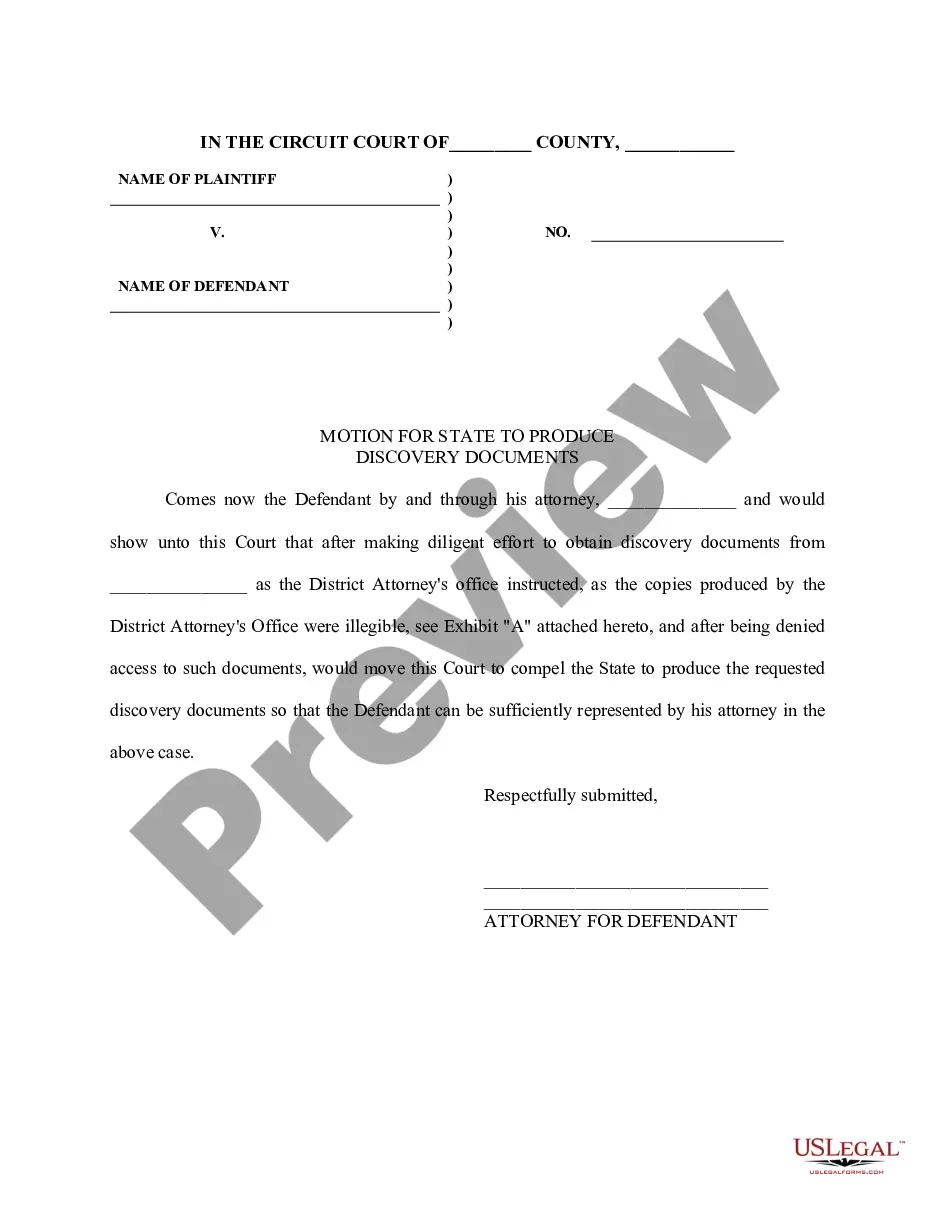
Motion For Discovery Example With Compel
Description
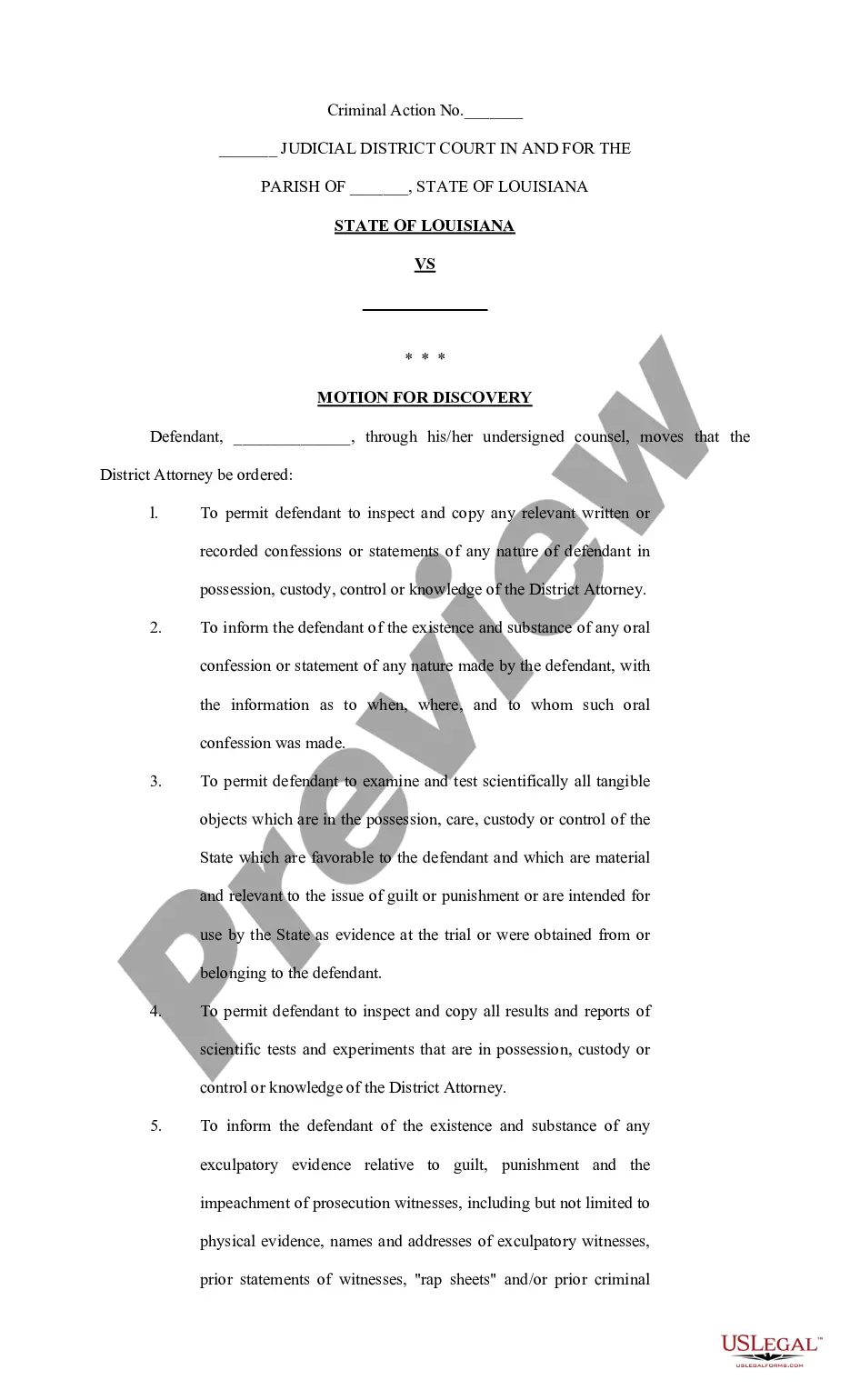
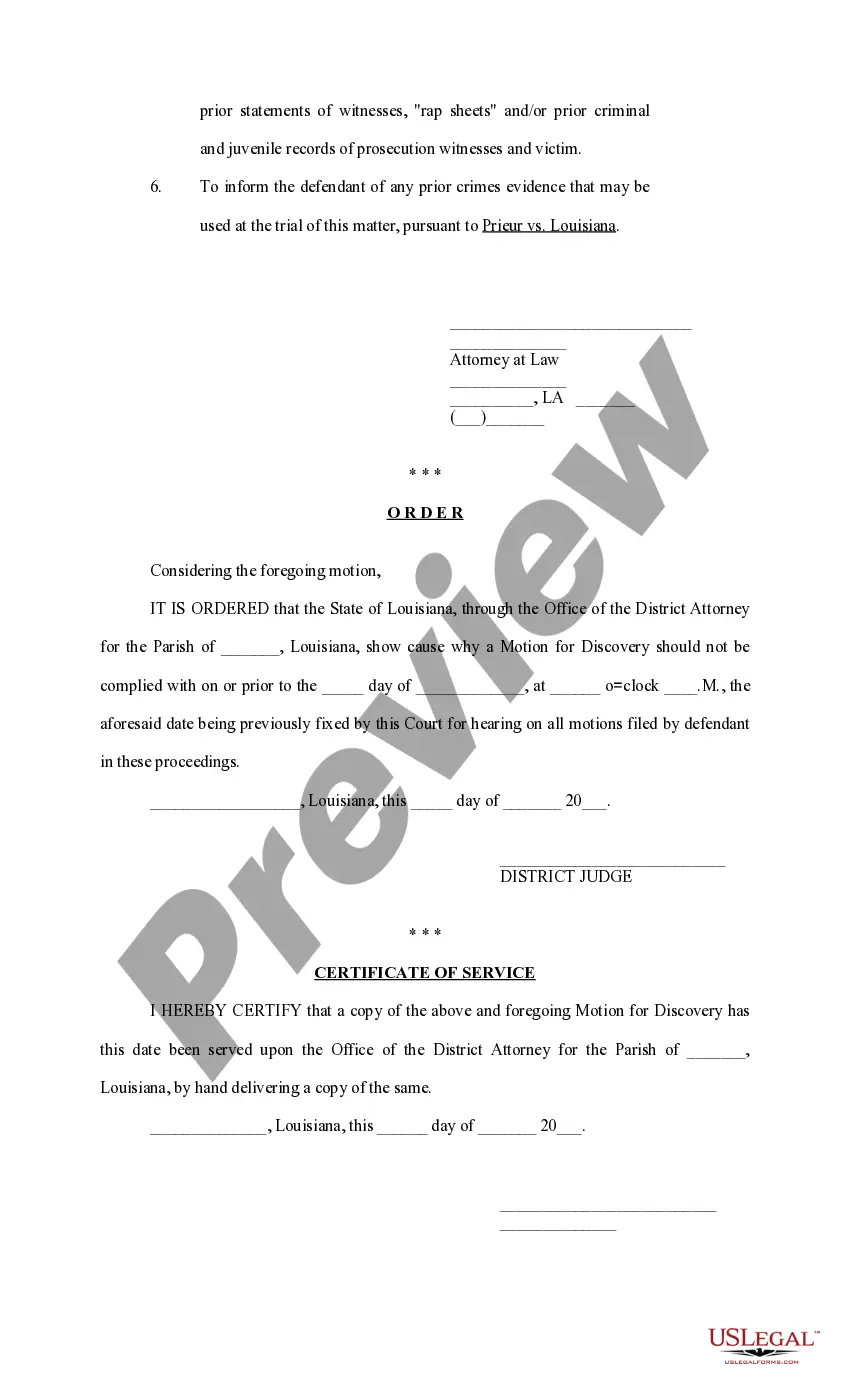
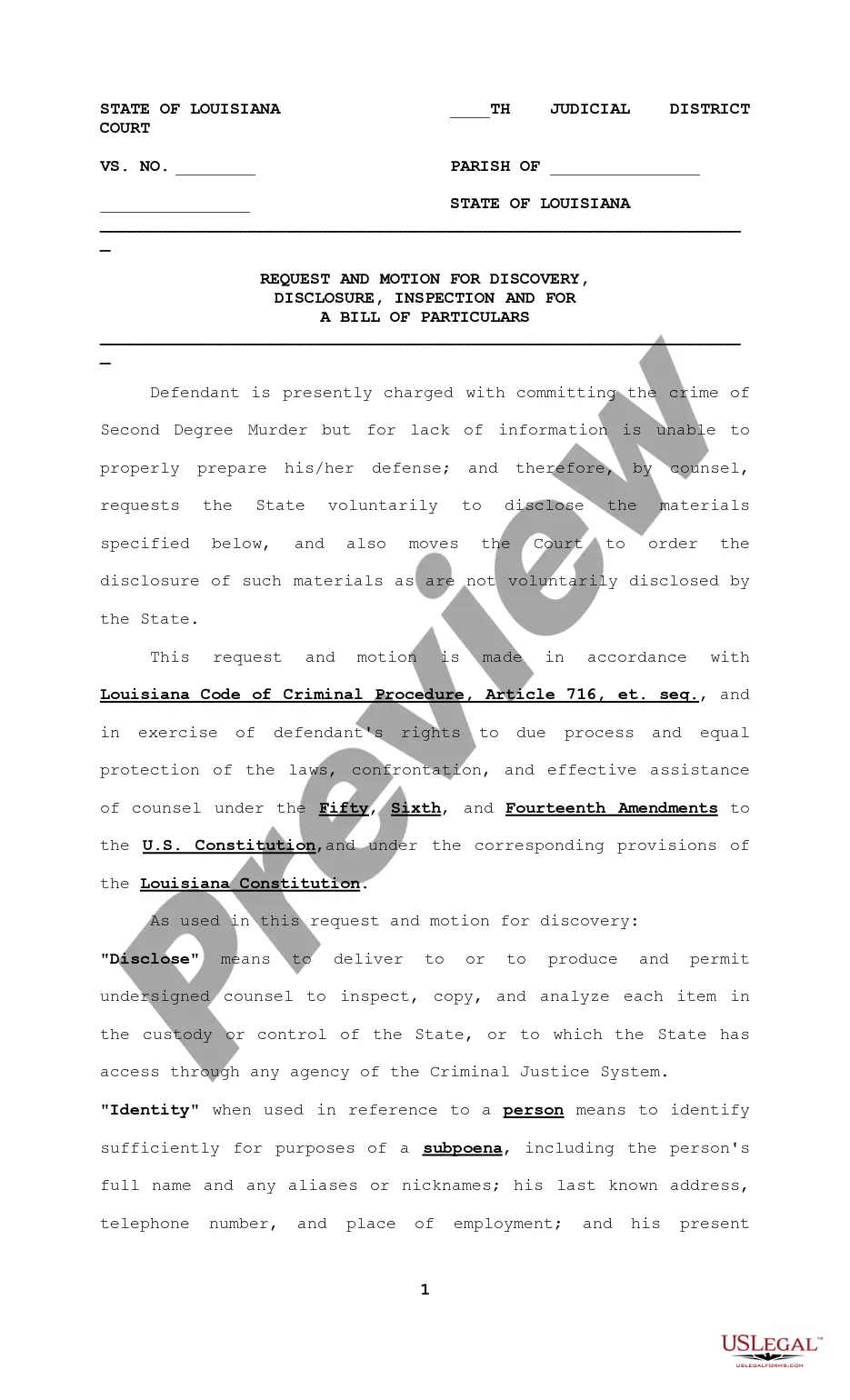
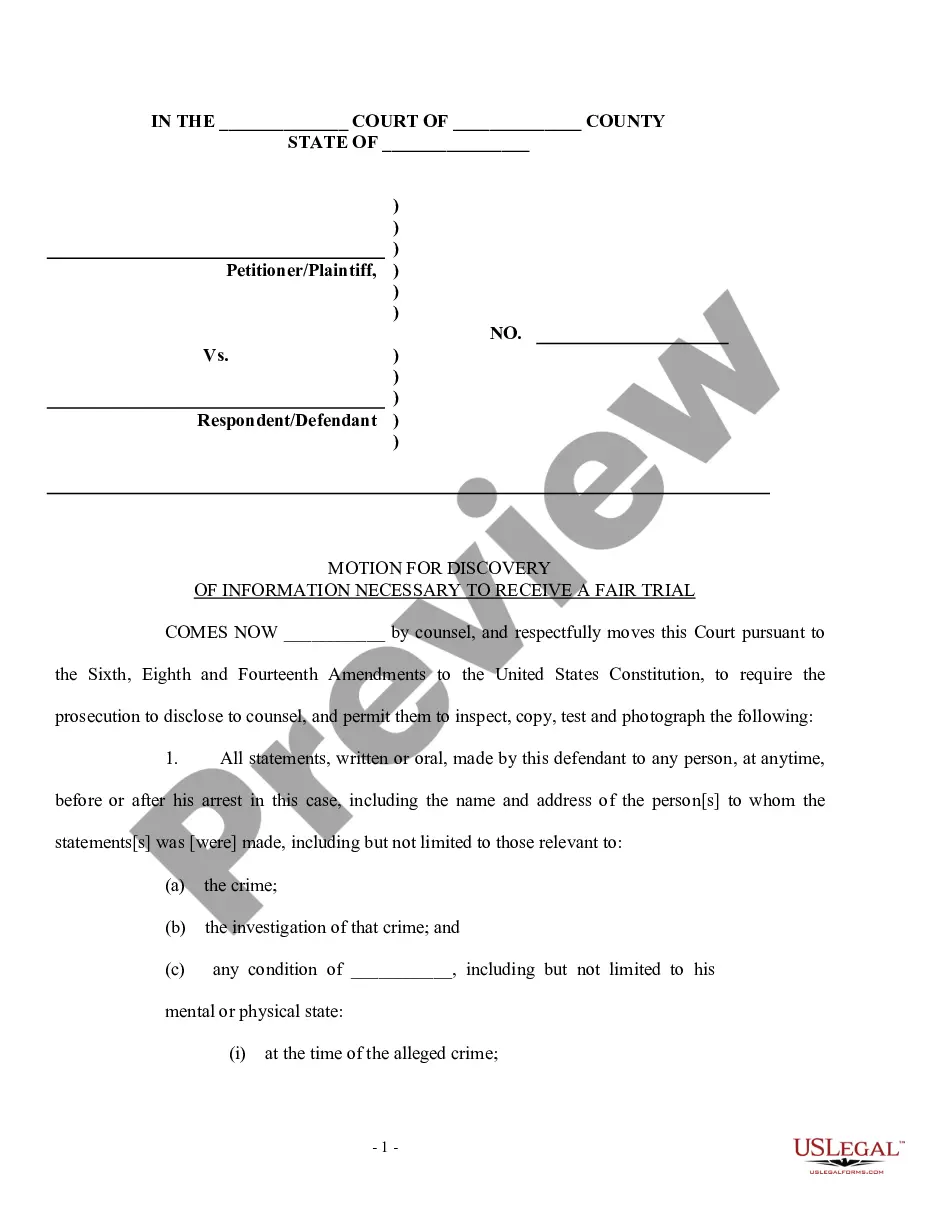
Get your form ready online
Our built-in tools help you complete, sign, share, and store your documents in one place.
Make edits, fill in missing information, and update formatting in US Legal Forms—just like you would in MS Word.
Download a copy, print it, send it by email, or mail it via USPS—whatever works best for your next step.
Sign and collect signatures with our SignNow integration. Send to multiple recipients, set reminders, and more. Go Premium to unlock E-Sign.
If this form requires notarization, complete it online through a secure video call—no need to meet a notary in person or wait for an appointment.
We protect your documents and personal data by following strict security and privacy standards.

Make edits, fill in missing information, and update formatting in US Legal Forms—just like you would in MS Word.

Download a copy, print it, send it by email, or mail it via USPS—whatever works best for your next step.

Sign and collect signatures with our SignNow integration. Send to multiple recipients, set reminders, and more. Go Premium to unlock E-Sign.

If this form requires notarization, complete it online through a secure video call—no need to meet a notary in person or wait for an appointment.

We protect your documents and personal data by following strict security and privacy standards.
Looking for another form?

How to fill out Louisiana Motion For Discovery?
Acquiring samples of legal documents that conform to federal and local regulations is essential, and the internet provides numerous choices to select from.
However, what's the advantage of spending time looking for the appropriate Motion For Discovery Example With Compel template online if the US Legal Forms digital library already has such resources compiled in one location.
US Legal Forms is the largest online repository of legal documents with more than 85,000 fillable templates created by attorneys for any business and personal context.
Review the template using the Preview feature or through the text outline to ensure it satisfies your needs.
- They are user-friendly, with all documents categorized by state and intended use.
- Our experts keep up with legal changes, ensuring you can always trust your form is current and compliant when obtaining a Motion For Discovery Example With Compel from our site.
- Accessing a Motion For Discovery Example With Compel is straightforward and quick for both existing and new users.
- If you already possess an account with an active subscription, Log In and save the document sample you require in the correct format.
- If you are new to our site, follow the instructions below.
Form popularity
FAQ
Answering a motion to compel requires a clear understanding of the underlying issues. First, review the motion carefully to identify specific requests being made. Then, prepare a response that addresses each point, explaining why the objections or requests may be inappropriate. Using a motion for discovery example with compel can help illustrate legal principles and strengthen your argument, making it easier for the court to understand your position.
Yes, a motion to compel is indeed a type of discovery motion. Its primary goal is to force the opposing party to provide requested documents or information that they have failed to disclose. This motion, as illustrated in various motion for discovery example with compel cases, is crucial in ensuring a fair discovery process in litigation. Understanding this classification helps clarify the procedural approach needed to file effectively.
While a motion to compel can be complex, it becomes manageable with the right preparation. Understanding the rules of evidence and having a clear strategy will simplify the process. By utilizing a motion for discovery example with compel, you can gain insight into how to format your arguments effectively. Moreover, leveraging resources like U.S. Legal Forms can help to make this process even easier.
Writing a motion to compel discovery requires clarity and structure. First, lay out the factual background, stating the discovery requests made and the responses received. Next, emphasize why the requested information is vital for your case while citing your motion for discovery example with compel to guide the process. Engaging with platforms like U.S. Legal Forms can provide templates and guidance to streamline this process.
Evidence that supports a motion to compel often includes written requests for discovery, responses from the opposing party, and any beneficial communications. It is essential to provide clear documentation showing the necessity of the requested information. Additionally, citing relevant case law can strengthen your motion for discovery example with compel. Ensuring you compile thorough evidence increases your chances of success in court.
A judge may deny a motion to compel for various reasons, including lack of relevance or insufficient evidence supporting the request. In many cases, if the judge believes that the information sought does not contribute to the case’s fairness, they might refuse the motion. Understanding these reasons can improve your next motion for discovery example with compel. Therefore, preparing a robust case with solid evidence is crucial.
The burden of proof on a motion to compel rests with the party seeking the discovery. This party must demonstrate that the requested information is relevant and necessary to their case. In the context of your motion for discovery example with compel, proving relevance can significantly impact the judge's decision. Adequate explanation and justification can make your argument stronger in front of the court.
A good faith letter precedes a motion to compel and serves as an essential step in resolving discovery disputes. This letter demonstrates that you have made sincere efforts to obtain the requested information from the other party. By documenting your attempts to negotiate, your motion for discovery example with compel becomes more persuasive in court. It shows the judge that you are reasonable and willing to resolve matters without full court intervention.