Improper Rent Ordinance For Noise
Description

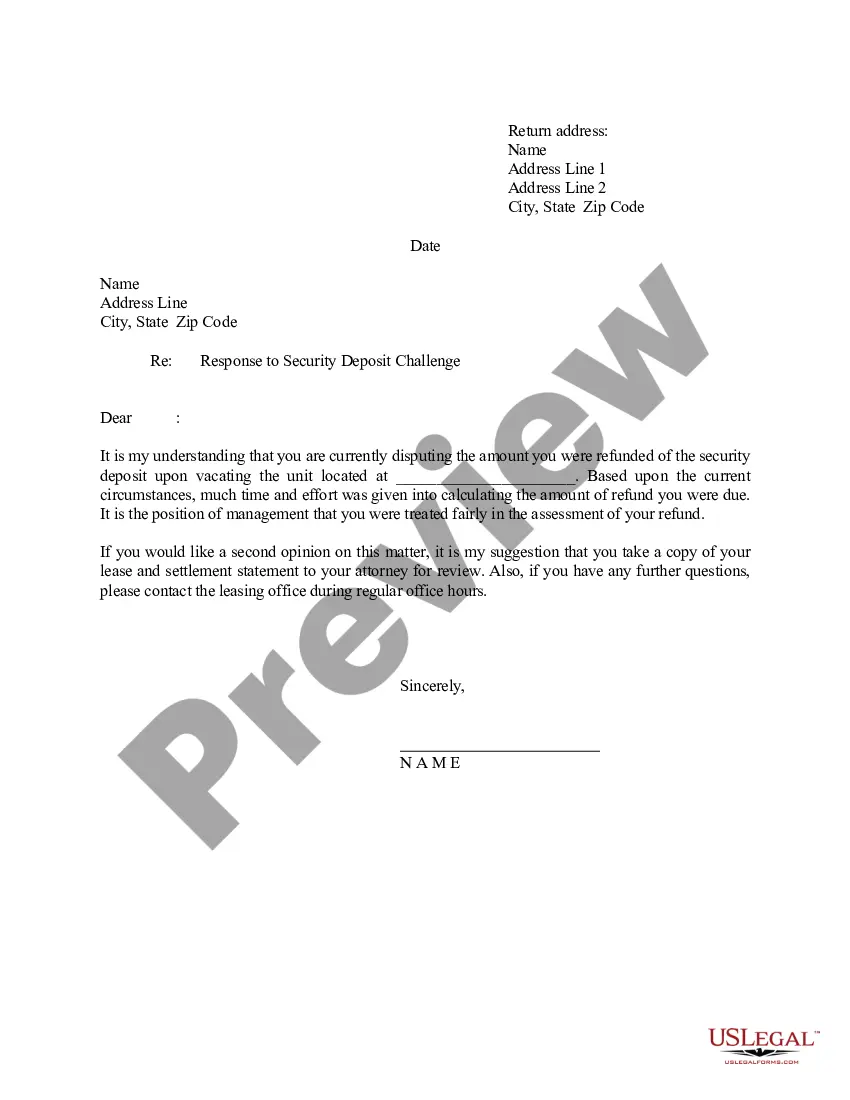
Get your form ready online
Our built-in tools help you complete, sign, share, and store your documents in one place.
Make edits, fill in missing information, and update formatting in US Legal Forms—just like you would in MS Word.
Download a copy, print it, send it by email, or mail it via USPS—whatever works best for your next step.
Sign and collect signatures with our SignNow integration. Send to multiple recipients, set reminders, and more. Go Premium to unlock E-Sign.
If this form requires notarization, complete it online through a secure video call—no need to meet a notary in person or wait for an appointment.
We protect your documents and personal data by following strict security and privacy standards.

Make edits, fill in missing information, and update formatting in US Legal Forms—just like you would in MS Word.

Download a copy, print it, send it by email, or mail it via USPS—whatever works best for your next step.

Sign and collect signatures with our SignNow integration. Send to multiple recipients, set reminders, and more. Go Premium to unlock E-Sign.

If this form requires notarization, complete it online through a secure video call—no need to meet a notary in person or wait for an appointment.

We protect your documents and personal data by following strict security and privacy standards.
Looking for another form?





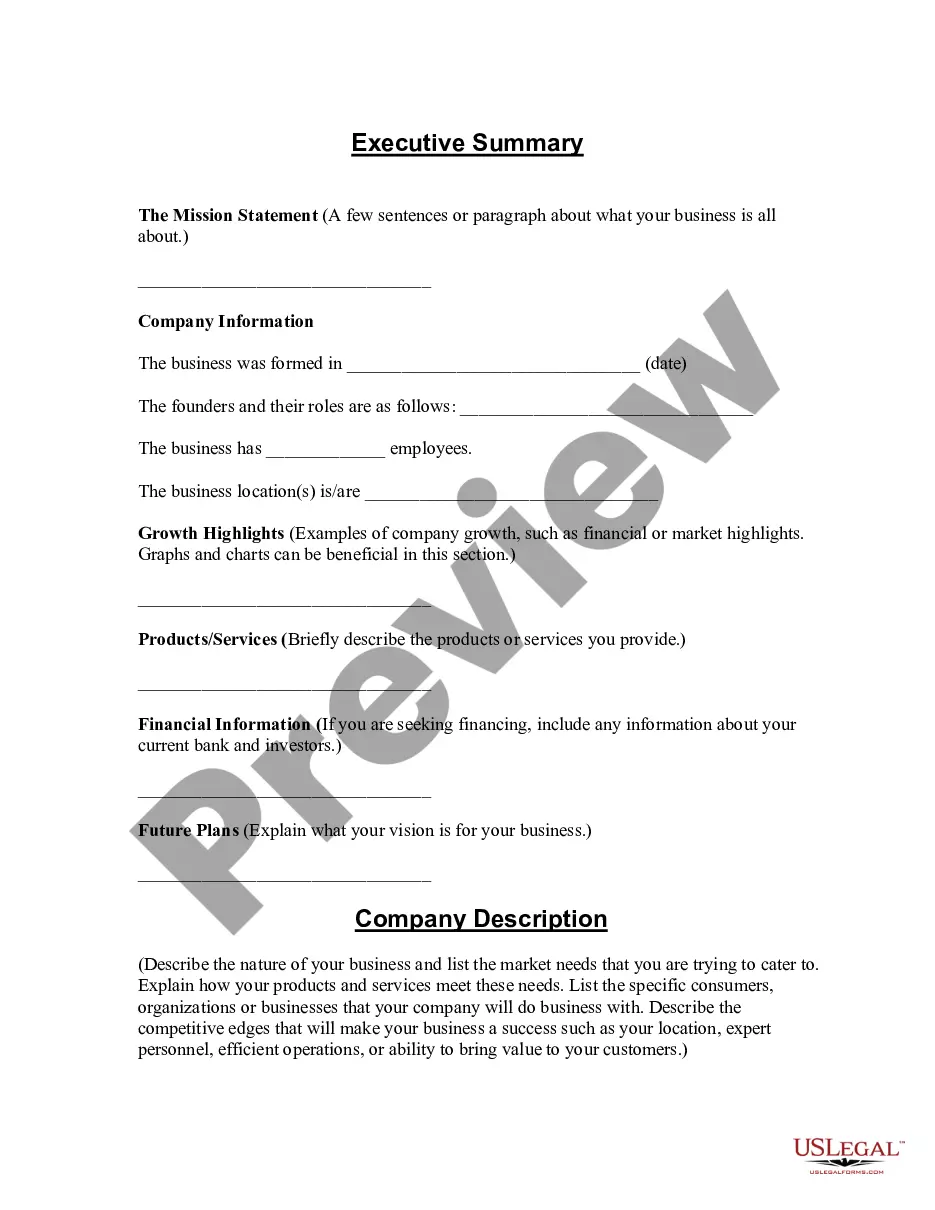
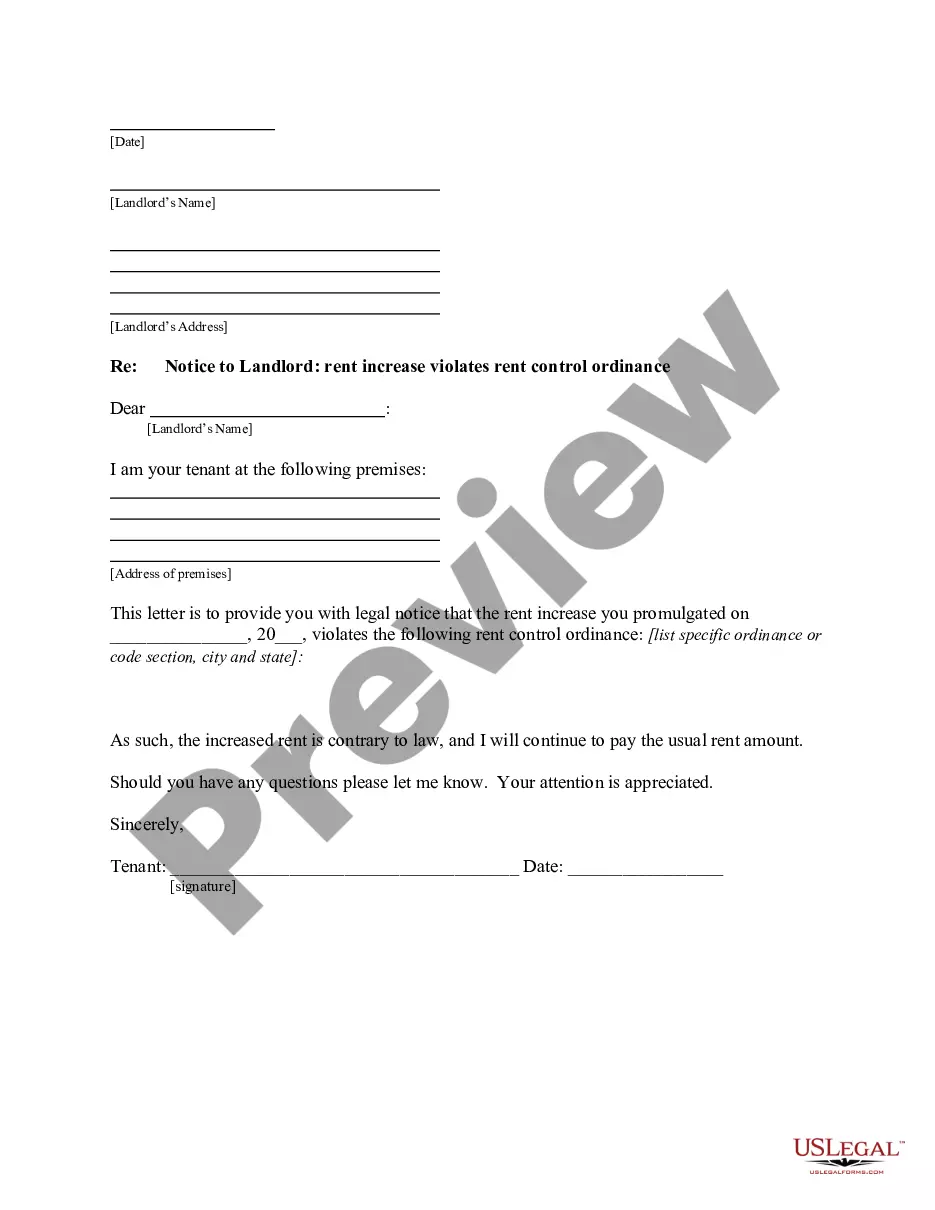
How to fill out Louisiana Letter From Tenant To Landlord Containing Notice To Landlord To Withdraw Improper Rent Increase Due To Violation Of Rent Control Ordinance?
- If you're a returning user, log into your account and locate the desired form template. Ensure that your subscription is active; if it's expired, renew it according to your plan.
- For new users, begin by checking the Preview mode and form description. Confirm that the selected form meets your specific requirements and complies with local jurisdiction.
- If necessary, utilize the Search tab to find an alternate template that better suits your needs.
- Once you've settled on the right document, click on the Buy Now button and choose your preferred subscription plan. Remember to create an account to access the extensive resources available.
- Proceed to make your payment by entering your credit card information or using a PayPal account for your subscription.
- Finally, download the form to your device for completion and easily access it later in the My Forms section of your profile.
By utilizing US Legal Forms, you gain access to a vast library of over 85,000 editable legal forms, ensuring you find exactly what you need. The platform not only simplifies your document access but also connects you with premium experts for assistance.
Don’t let noise disruptions disrupt your life. Start accessing the necessary forms today!
Form popularity
FAQ
Excessive noise can indeed constitute a lease violation in Minnesota, particularly if it disrupts other tenants' right to quiet enjoyment. Most leases include clauses that prohibit disturbances, making it important to document any issues you face. If you believe the improper rent ordinance for noise is being violated, take action by discussing the issue with your landlord or seeking guidance through platforms like uslegalforms to ensure your concerns are addressed.
The right to quiet enjoyment in Minnesota refers to a tenant's legal entitlement to a peaceful living environment. This right protects tenants from disturbances caused by excessive noise or disruptions that violate the improper rent ordinance for noise. When landlords fail to address noise concerns, it can lead to a breach of this right, allowing tenants to seek remedies through appropriate channels, including uslegalforms.
In Minnesota, the noise ordinance typically restricts loud noises during late night and early morning hours. Generally, these restrictions apply from 10 PM to 7 AM on weekdays and from 10 PM to 9 AM on weekends. If you encounter loud disturbances during these times, you may be experiencing issues related to the improper rent ordinance for noise. Understanding these regulations can help you address any complaints with your landlord effectively.
How loud is too loud for an apartment varies based on local ordinances and individual agreements. Generally, any noise that consistently disrupts your living space can be deemed excessive. Understanding your local improper rent ordinance for noise can help define acceptable limits. It's important to respect the shared living environment to ensure everyone feels comfortable at home.
Determining how much noise is too much in an apartment involves several factors, including local laws and tenant agreements. Generally, continuous loud noises that disturb your neighbors and disrupt daily life qualify as excessive. Familiarizing yourself with the improper rent ordinance for noise in your area can clarify unacceptable noise levels, helping you adhere to your community's standards.
Yes, you can leave an apartment because of noise, but you must follow certain legal procedures. If noise violations violate the terms of your lease or the improper rent ordinance for noise, you may have grounds for breaking your lease. Document the occurrences and communicate with your landlord first. This approach can often lead to beneficial outcomes before resorting to moving.
While you might feel at home in your apartment, you cannot be as loud as you want. Most local laws govern acceptable noise levels, and improper rent ordinances for noise may apply. Understanding these rules can prevent disputes with neighbors and facilitate a peaceful living environment. It is essential to maintain a respectful noise level to ensure everyone’s comfort.
To address a noise complaint as a landlord, first, investigate the situation thoroughly. Communicate with the tenant who made the complaint to understand the specific issues. Then, reach out to the tenant causing the noise to discuss the situation, referencing any applicable improper rent ordinance for noise. Providing solutions, such as mediation, can often lead to a resolution that satisfies all parties involved.
A noise level that consistently exceeds 65 decibels may be classified as a nuisance, particularly if it disrupts daily activities or rest. This level can elicit complaints and legal considerations under improper rent ordinance for noise. If you feel your living environment is compromised by excessive noise, take action by documenting occurrences and seeking assistance. UsLegalForms can help you understand your rights and navigate your options effectively.
In Minnesota, the noise statute varies by city, but generally, it prohibits noise that disrupts the peace and enjoyable use of property. Hours of restrictions might apply, often with stricter rules during late-night hours. If neighbors create excessive noise, it might fall under an improper rent ordinance for noise. For detailed guidance specific to your municipality, it's beneficial to explore UsLegalForms and find relevant forms and information.